
above all
US /əˈbʌv ɔl/
UK /əˈbʌv ɔ:l/
- Phrase
- Most importantly; more than anything else.
A1Moreabove average
US /əˈbʌv ˈævərɪdʒ/
UK /əˈbʌv ˈævəridʒ/
- Phrase
- Adjective
- Better than average; exceeding the norm.
A2Moreadapt
US /əˈdæpt/
UK /ə'dæpt/
- Transitive Verb
- To change something for a different function
- To change something to fit or suit a new purpose
- Intransitive Verb
- To change your behaviour so that it is easier to live in a new place or situation
B1TOEICMoreanything other than
US
UK
- Phrase
- Except for; not including
- Different from; not
ashamed
US /əˈʃemd/
UK /ə'ʃeɪmd/
- Adjective
- Feeling of shame or guilt
- Causing someone to feel shame.
A2Moreat work
US /æt wɚk/
UK /æt wə:k/
- Phrase
- Located at one's place of employment
A1Moreawful
US /ˈɔfəl/
UK /ˈɔ:fl/
- Adjective
- Very bad; horrible; terrible
A2Morebully
US /ˈbʊli/
UK /'bʊlɪ/
- Noun (Countable/Uncountable)
- a person who habitually seeks to harm or intimidate those whom they perceive as vulnerable
- A person who uses superior strength or influence to intimidate others.
- Verb (Transitive/Intransitive)
- seek to harm, intimidate, or coerce (someone perceived as vulnerable)
B2Morecallous
US /ˈkæləs/
UK /'kæləs/
- Adjective
- Hardhearted; uncaring
C1TOEICMoreclimb up
US /klaɪm ʌp/
UK /klaim ʌp/
- Phrasal Verb
- To ascend or move to a higher position by using one's hands and feet.
A1Morecompensate
US /ˈkɑ:mpenseɪt/
UK /ˈkɒmpenseɪt/
- Transitive Verb
- To give (money) to as a form of correcting a loss
- To reduce or counteract (something unwelcome or unpleasant); offset.
A2Morecompound
US /kɑmˈpaUnd/
UK /'kɒmpaʊnd/
- Noun (Countable/Uncountable)
- Series of buildings that are walled or fenced off
- Chemical made up of several others
- Transitive Verb
- To pay interest on a loan including the interest
- To make something from various parts or components
B1Moreconclusion
US /kənˈkluʒən/
UK /kənˈklu:ʒn/
- Noun
- End of something; finish
- Judgment or opinion after thinking for a while
A2Moreconstantly
US /ˈkɑnstəntlɪ/
UK /ˈkɒnstəntli/
- Adverb
- Frequently, or without pause
- In a way that is unchanging or faithful
B1Moredeclare
US /dɪˈklɛr/
UK /dɪ'kleə(r)/
- Transitive Verb
- To make a statement in a strong and confident way
- To show the cost of things purchased overseas
A2TOEICMoredeprive
US /dɪˈpraɪv/
UK /dɪˈpraɪv/
- Transitive Verb
- To deny someone access to or take away something
B2Morediscern
US /dɪˈsɜ:rn/
UK /dɪˈsɜ:n/
- Verb (Transitive/Intransitive)
- To be able to tell differences, see shapes, etc.
B2TOEICMoredistinctive
US /dɪˈstɪŋktɪv/
UK /dɪˈstɪŋktɪv/
- Adjective
- Having a quality that is different from others
- Having a quality or characteristic that makes a person or thing different from others; easily distinguishable.
A2TOEICMoredurable
US /ˈdʊrəbəl, ˈdjʊr-/
UK /ˈdjʊərəbl/
- Adjective
- Able to stay in good condition for a long time
B2TOEICMoreeasy enough
US
UK
- Phrase
- Sufficiently easy; not too difficult.
- Acceptable or satisfactory in its ease.
A2Moreelaborate
US /ɪˈlæbəret/
UK /ɪ'læbəreɪt/
- Verb (Transitive/Intransitive)
- To explain something in detail
- To be made or explained with great care/in detail
- Adjective
- Made or done with great care or in a detailed way
B2TOEICMoreexpertise
US /ˌekspɜːrˈtiːz/
UK /ˌekspɜ:ˈti:z/
- Uncountable Noun
- The special knowledge that an expert has
- Expert skill or knowledge in a particular field.
B1TOEICMorefascinating
US /ˈfæsəˌnetɪŋ/
UK /ˈfæsɪneɪtɪŋ/
- Transitive Verb
- To attract or interest greatly
- To hold someone captive with a gaze or other means.
- Adjective
- Having your attention fixated as though by a spell
B1Morefate
US /fet/
UK /feɪt/
- Noun (Countable/Uncountable)
- What will happen to you in the future, often bad
- Power that determines what happens; destiny
B1Morefierce
US /fɪrs/
UK /fɪəs/
- Adjective
- Very strong, wild or violent
- Intense in a way that causes or displays force.
B1Morefundamental
US /ˌfʌndəˈmɛntl/
UK /ˌfʌndəˈmentl/
- Adjective
- Forming a necessary part, base, or core
- Of central importance.
- Noun (Countable/Uncountable)
- A basic part of something
- (Music) the lowest note in a harmony
A2TOEICMoregenerous
US /ˈdʒɛnərəs/
UK /ˈdʒenərəs/
- Adjective
- Giving or ready to give freely
- (Of an amount) larger than usual; lavish
A2TOEICMoregrief
US /ɡrif/
UK /ɡri:f/
- Uncountable Noun
- Feeling of great sadness because someone has died
- Things that are troublesome or annoying
B1Moreharsh
US /hɑrʃ/
UK /hɑ:ʃ/
- Adjective
- Rough; tough; hard to experience or accept
- Being severe and unkind
B1Morehave to
US /hæv tu/
UK /ˈhæv tə/
- Auxiliary Verb
- Must do
A1Morehumble
US /ˈhʌmbəl/
UK /'hʌmbl/
- Adjective
- Being lower in quality or status
- Not proud/arrogant; of low status
- Transitive Verb
- To make someone feel less proud or confident
B2TOEICMoreideally
US /aɪˈdiəli/
UK /aɪ'di:əlɪ/
- Adverb
- In a perfect way; very suitably
- In theory; according to an ideal or theoretical standard.
B2Morein any case
US /ɪn ˈɛni kes/
UK /in ˈeni keis/
- Phrase
- Whatever happens; regardless of what has happened or may happen.
A1Morein order to
US /ɪn ˈɔrdɚ tu/
UK /in ˈɔ:də tu:/
- Preposition
- For the purpose of; with the aim of.
- Phrase
- In a specific sequence or arrangement.
- With the aim of; for the purpose of.
C1Morein other words
US
UK
- Phrase
- Stating something in a different way, often to make it clearer or more understandable.
in practice
US /ɪn ˈpræktɪs/
UK /in ˈpræktis/
- Phrase
- In reality or actual use; as opposed to in theory.
A1Morein the end
US /ɪn ði ɛnd/
UK /in ðə end/
- Phrase
- Finally; after a period of time or series of events.
- Ultimately; as the final result or consequence.
A1Morein with
US /ɪn wɪð/
UK /in wið/
- Phrase
- Fashionable or popular at the moment.
- Having influence or favor with someone.
- Phrasal Verb
- To introduce or bring something new into a system or organization.
A1Moreindulge
US /ɪnˈdʌldʒ/
UK /ɪnˈdʌldʒ/
- Transitive Verb
- To let someone else have or do what they want
- To allow to do more pleasurable things than normal
B1TOEICMoreliberation
US /ˌlɪbəˈreʃən/
UK /ˌlɪbə'reɪʃn/
- Uncountable Noun
- Act of setting someone or something free
B2Moremalevolence
US /məˈlɛvələns/
UK /mə'levələns/
- Uncountable Noun
- Threatening evil to others; hatred; dislike
C1TOEICMorenasty
US /ˈnæsti/
UK /'nɑ:stɪ/
- Adjective
- Very bad, unpleasant, or offensive
- Unkind; unpleasant.
A2Moreneglect
US /nɪˈɡlɛkt/
UK /nɪ'ɡlekt/
- Uncountable Noun
- Act of failing to do something important, required
- State or condition of not receiving proper care
- Transitive Verb
- To not do something that is important or required
- To fail to take care of something; ignore
B1TOEICMoreoccur
US /əˈkɚ/
UK /əˈkɜ:(r)/
- Intransitive Verb
- To come to pass or to happen
- To be found to exist; to be present.
A2TOEICMoreof course
US /ʌv kɔː(r)s/
UK /ɔv kɔː(r)s/
- Adverb
- Sure ; Certainly
- Phrase
- For sure; certainly
A2Moreon purpose
US /ɑn ˈpɚpəs/
UK /ɔn ˈpə:pəs/
- Idiom
- Intentionally; deliberately.
- Phrase
- Intentionally; deliberately.
A1Moreon television
US /ɑn ˈtɛləvɪʒən/
UK /ɒn ˈtelɪvɪʒən/
- other
- Appearing or broadcast on TV.
A2Moreother than
US
UK
- Preposition
- Except for; apart from.
- Conjunction
- Different from.
A1Moreparadox
US /ˈpærəˌdɑks/
UK /'pærədɒks/
- Noun
- Surprising statement containing two opposing ideas
B2Moreperceive
US /pɚˈsiv/
UK /pə'si:v/
- Transitive Verb
- To notice or become aware of something
- To think of someone or something in a certain way
B1TOEICMorepersecution
US /ˌpə:sɪˈkjuʃən/
UK /ˌpɜ:sɪ'kju:ʃn/
- Noun
- Act of treating badly due to race, religion etc.
C1Morepsychological
US /ˌsaɪkəˈlɑdʒɪkəl/
UK /ˌsaɪkəˈlɒdʒɪkl/
- Adjective
- Concerning the study of the mind
- Relating to or involving the use of propaganda, threats, or other psychological techniques to subdue an opponent.
A2Morepurpose
US /ˈpɚpəs/
UK /'pɜ:pəs/
- Noun (Countable/Uncountable)
- Reason for which something is done; aim; goal
- A person's sense of resolve or determination.
- Adverb
- With clear intention or determination.
- Intentionally; deliberately.
A2TOEICMoreput up with
US /pʊt ʌp wɪð/
UK /put ʌp wið/
- Phrasal Verb
- To suffer (a difficult thing) without complaining
- To endure or accept something undesirable.
A1Morerather than
US
UK
- Adverb
- More exactly; more correctly
- Preferably; instead
- Preposition
- Instead of
A1Morerepel
US /rɪˈpɛl/
UK /rɪ'pel/
- Transitive Verb
- To make or force someone or something go away
- To cause someone to feel disgust.
B2TOEICMorereverse
US /rɪˈvɚs/
UK /rɪ'vɜ:s/
- Noun
- Setting that makes the vehicle go backward
- Instance of a significant change, for the worse
- Verb (Transitive/Intransitive)
- To drive a vehicle backward
- To change to an opposite state, way or condition
B1TOEICMoreruin
US /ˈruɪn/
UK /'ru:ɪn/
- Transitive Verb
- To damage or completely destroy something
- To cause someone to lose their money or status
- Noun (Countable/Uncountable)
- Remains of a building that has been destroyed
- The state of being destroyed or severely damaged.
B1Moresearch for
US /sɚtʃ fɔr/
UK /sə:tʃ fɔ:/
- Phrasal Verb
- To try to find someone or something.
B1Morestraightforward
US /stretˈfɔrwəd/
UK /ˌstreɪtˈfɔ:wəd/
- Adjective
- Easy to do or understand; not complicated
- Honest and open; not trying to hide anything.
B1TOEICMoresuffer
US / ˈsʌfɚ/
UK /'sʌfə(r)/
- Verb (Transitive/Intransitive)
- To experience pain, illness, or injury
- To allow or permit something, especially something unpleasant.
A2Moresuffer from
US /ˈsʌfɚ frʌm/
UK /ˈsʌfə frɔm/
- Intransitive Verb
- To experience pain or distress; to be badly affected by.
A1Moresympathy
US /ˈsɪmpəθi/
UK /'sɪmpəθɪ/
- Uncountable Noun
- Feeling for other people when they are in trouble
A2TOEICMoretend
US /tɛnd/
UK /tend/
- Intransitive Verb
- To move or act in a certain manner
- Transitive Verb
- To take care of
A2Moretenderness
US /ˈtɛndɚnɪs/
UK /'tendənɪs/
- Uncountable Noun
- Pain that is felt (as when the area is touched)
B2Moreto do with
US
UK
- Phrasal Verb
- To be about something; concern
A1Moretoll
US /tol/
UK /təʊl/
- Noun (Countable/Uncountable)
- Sound that a big bell makes, when it is rung
- Number of people hurt or killed in a disaster
- Intransitive Verb
- (Bell) to ring in a slow, loud and repeated way
B2TOEICMoreturmoil
US /ˈtɚˌmɔɪl/
UK /ˈtɜ:mɔɪl/
- Uncountable Noun
- Very confused situation where things are not clear
- A state of great disturbance, confusion, or uncertainty.
B2TOEICMoreutterly
US /ˈʌtəli/
UK /'ʌtəli:/
- Adverb
- Completely
B2Morewither
US /ˈwɪðɚ/
UK /'wɪðə(r)/
- Intransitive Verb
- To become drier and smaller, as when dead or dying
- To lose vitality, energy or force
B2Morework out
US /wɚk aʊt/
UK /wə:k aut/
- Phrasal Verb
- To find a way to do something, by thinking
A1More
Vocabulary
- put up with: To suffer (a difficult thing) without complaining
- above all: Most importantly; more than anything else.
- of course: Sure ; Certainly
- above average
- search for: To try to find someone or something.
- suffer from: To experience pain or distress; to be badly affected by.
- easy enough: Sufficiently easy; not too difficult.
- in practice: In reality or actual use; as opposed to in theory.
- have to: Must do
- on television: Appearing or broadcast on TV.
- climb up: To ascend or move to a higher position by using one's hands and feet.
- to do with: To be about something; concern
- in any case: Whatever happens; regardless of what has happened or may happen.
- on purpose: Intentionally; deliberately.
- rather than: More exactly; more correctly
- in other words: Stating something in a different way, often to make it clearer or more understandable.
- work out
- in order to: For the purpose of; with the aim of.
- at work: Located at one's place of employment
- anything other than: Except for; not including
- in with: Fashionable or popular at the moment.
- other than: Except for; apart from.
- in the end: Finally; after a period of time or series of events.
- constantly: Frequently, or without pause
- perceive: To notice or become aware of something
- elaborate: To explain something in detail
- nasty: Very bad, unpleasant, or offensive
- fascinating: To attract or interest greatly
- tend: To move or act in a certain manner
- ruin: To damage or completely destroy something
- treat: To pay for the food or enjoyment of someone else
- psychological: Concerning the study of the mind
- utterly: Completely
- purpose: Reason for which something is done; aim; goal
- indulge: To let someone else have or do what they want
- straightforward: Easy to do or understand; not complicated
- awful: Very bad; horrible; terrible
- harsh: Rough; tough; hard to experience or accept
- fundamental: Forming a necessary part, base, or core
- grief: Feeling of great sadness because someone has died
- paradox: Surprising statement containing two opposing ideas
- compound: Series of buildings that are walled or fenced off
- reverse: Setting that makes the vehicle go backward
- toll: Sound that a big bell makes, when it is rung
- fierce: Very strong, wild or violent
- occur: To come to pass or to happen
- humble: Being lower in quality or status
- suffer: To experience pain, illness, or injury
- distinctive: Having a quality that is different from others
- compensate: To give (money) to as a form of correcting a loss
- adapt: To change something for a different function
- sympathy: Feeling for other people when they are in trouble
- neglect: Act of failing to do something important, required
- expertise: The special knowledge that an expert has
- simply: In an easy or clear manner
- conclusion: End of something; finish
- turmoil: Very confused situation where things are not clear
- ashamed: Feeling of shame or guilt
- declare: To make a statement in a strong and confident way
- generous: Giving or ready to give freely
- fate: What will happen to you in the future, often bad
- durable: Able to stay in good condition for a long time
- deprive: To deny someone access to or take away something
- notice: To become aware by sight, touch, or hearing
- persecution: Act of treating badly due to race, religion etc.
- ideally: In a perfect way; very suitably
- bully: a person who habitually seeks to harm or intimidate those whom they perceive as vulnerable
- tenderness: Pain that is felt (as when the area is touched)
- wrong: Action that is harmful, unjust or illegal
- discern: To be able to tell differences, see shapes, etc.
- repel: To make or force someone or something go away
- behaviour: The way a person or thing acts; manner
- climb: To rise gradually and steadily to a higher point
- wither: To become drier and smaller, as when dead or dying
- liberation: Act of setting someone or something free
- callous: Hardhearted; uncaring
- badly: Not in a good way; not as wanted or liked
- poor: Inferior; below the normal standard
- parent: Person's, animal's mother or father
- early: Coming/happening before others in a time sequence
- child: A very young person, between about 2 and 15
- home: House, apartment or building to be rented or sold
- bad: Not good; wrong
- fallen: To drop in amount; to decrease
- sad: Unhappy; wishing something hadn't happened
- malevolence: Threatening evil to others; hatred; dislike
Get the full experience in the app
Learn anywhere with detailed sentence and usage analysis
01:03
She took a brave step forward, leaving behind her comfort zone to chase her dreams.
Vocabulary
- brave
adj. Having courage
- comfort zone
phr. A familiar situation where one feels safe
Explanation
a brave step is a noun phrase, where brave is an adjective modifying the noun step, meaning "a courageous step".
forward is an adverb modifying step, meaning "ahead".
The whole phrase serves as the object, answering the "what" of took (verb) — she took a brave step forward.
Get the full experience in the app
Look up words anytime with pronunciation, part of speech, and usage
brave
US/brev/
UK/breɪv/
adj.Brave
v.t.To bravely face
A2 Elementary
Get the full experience in the app
Practice speaking anytime and get instant pronunciation feedback
Try this speaking exercise.
Try practicing with this sentence.
80
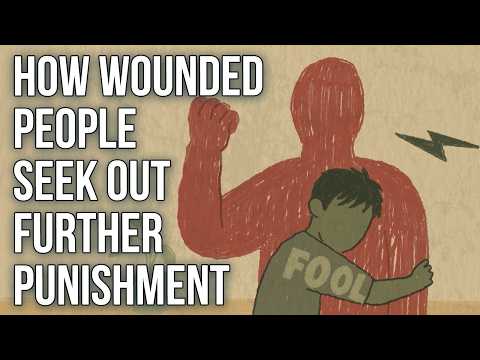
How Wounded People Seek Out further Punishment
0
林宜悉 posted on 2025/06/17Ever wonder why we sometimes repeat unhealthy relationship patterns? This insightful video dives deep into how childhood trauma and attachment styles can shape our adult choices, offering a fascinating look at the psychology behind it all. You'll pick up some really useful advanced vocabulary while exploring these complex ideas!
Learn this video on the APP!
The VoiceTube App has more in-depth practice for videos!