
achievement
US /əˈtʃivmənt/
UK /əˈtʃi:vmənt/
- Noun (Countable/Uncountable)
- Something good that you have successfully done
- Success in school or studies.
A2TOEICMoreadept
US /əˈdɛpt/
UK /əˈdept/
- Adjective
- Being highly skilled in some activity
B2TOEICMoreadvantage
US /ædˈvæntɪdʒ/
UK /əd'vɑ:ntɪdʒ/
- Noun (Countable/Uncountable)
- Thing making the chance of success higher
- A positive point about something
- Transitive Verb
- To make use of something, especially to further one's own position; exploit.
A2TOEICMoreafter all
US /ˈæftɚ ɔl/
UK /ˈɑ:ftə ɔ:l/
- Adverb
- In spite of what was expected; used to introduce a statement that supports a previous statement or explains why it was made
- Considering everything; used to indicate that something is happening or is true despite some difficulty or obstacle
- Phrase
- Despite what was expected or thought; in spite of everything.
- Taking everything into consideration; considering that.
B1Moreambiguous
US /æmˈbɪɡjuəs/
UK /æmˈbɪgjuəs/
- Adjective
- Able to be understood in more than one way
B1TOEICMoreanterior
US /ænˈtɪriɚ/
UK /ænˈtɪəriə(r)/
- Noun
- Front
C1Moreapart from
US /əˈpɑrt frʌm/
UK /əˈpɑ:t frɔm/
- Preposition
- Except for; not considering
- In addition to; as well as
at the end of the day
US
UK
- Phrase
- Ultimately; when everything else is considered.
- After a day's work or activities.
A1Moreat the same time
US
UK
- Phrase
- Simultaneously; at the identical moment.
- Nevertheless; however; used to introduce a contrasting or qualifying statement.
A1Morebilingual
US /baɪˈlɪŋɡwəl/
UK /ˌbaɪˈlɪŋgwəl/
- Adjective
- Being able to speak two languages well
- Noun
- Person able to use two languages well
B2Morebreak down
US /brek daʊn/
UK /breik daun/
- Phrasal Verb
- To forcibly break, destroy or make collapse
- (Machine) to stop working or become weaker
A1Morechanger
US /'tʃeɪndʒər/
UK /'tʃeɪndʒə(r)/
- Countable Noun
- A person who changes something
C1Morechore
US /tʃɔ:r/
UK /tʃɔ:(r)/
- Noun
- Task done to keep a house in order e.g. cleaning
B2Morecognitive
US /ˈkɑɡnɪtɪv/
UK /ˈkɒgnətɪv/
- Adjective
- The process of knowing and remembering
- Relating to the ability to think and reason.
C1Morecomprehension
US /ˌkɑmprɪˈhɛnʃən/
UK /ˌkɒmprɪˈhenʃn/
- Uncountable Noun
- Act of understanding, e.g. a reading text
- The scope or range of something.
B1Morecorrelate
US /ˈkɔ:rəleɪt/
UK /ˈkɒrəleɪt/
- Verb (Transitive/Intransitive)
- To have/show the relationship between two things
- To have a mutual relationship or connection; to establish a systematic connection.
- Noun
- Something that is mutually related to or associated with something else.
B1TOEICMorecortex
US /ˈkɔrˌteks/
UK /'kɔ:teks/
- Noun (Countable/Uncountable)
- The outer part of an organ/structure, e.g. brain
- The outer layer of the cerebrum (the cerebral cortex), other organs, or a plant.
C1Moredaunt
US /dɔnt, dɑnt/
UK /dɔ:nt/
- Transitive Verb
- To make someone feel less courageous or confident
B2TOEICMoredeceive
US /dɪˈsiv/
UK /dɪ'si:v/
- Transitive Verb
- To make someone believe something that is not true
B1Moredegradation
US /ˌdɛɡrəˈdeʃən/
UK /ˌdegrəˈdeɪʃn/
- Noun (Countable/Uncountable)
- Reduction in quality or character
- The act of treating someone poorly and without respect.
B2Moredementia
US /dɪˈmɛnʃə/
UK /dɪˈmenʃə/
- Uncountable Noun
- Illness characterized by loss of memory
B2Moredisease
US /dɪˈziz/
UK /dɪˈzi:z/
- Noun (Countable/Uncountable)
- Illness that affects a person, animal, or plant
- A disorder of structure or function in a plant, especially one caused by a pathogen.
- Transitive Verb
- To affect with disease; to corrupt or sicken.
A2TOEICMoredrop out
US /drɑp aʊt/
UK /drɔp aut/
- Phrasal Verb
- To take no part in a society you disapprove of
- To quit school, a club or activity
- Intransitive Verb
- To quit a course of study or training.
A1Moredue to
US /du tu/
UK /dju: tu:/
- Preposition
- Because of; owing to
- Adjective
- Attributable to; caused by.
A1Moreencourage
US /ɛnˈkɚrɪdʒ, -ˈkʌr-/
UK /ɪn'kʌrɪdʒ/
- Transitive Verb
- To increase the chance of something happening
- To make someone more determined or confident
A2TOEICMorefeel like
US
UK
- Intransitive Verb
- To have a desire or inclination for something.
- To have a particular quality or sensation; resemble.
A1Moreflexibility
US
UK
- Uncountable Noun
- The quality of being able to be bent or stretched
B1TOEICMorefrom memory
US /frəm ˈmɛməri/
UK /frəm ˈmeməri/
- other
- Using only your memory without any help or notes.
B2Moregrow up
US /ɡro ʌp/
UK /ɡrəu ʌp/
- Phrasal Verb
- To develop from a child into an adult
A1Morehuge
US /hjudʒ/
UK /hju:dʒ/
- Adjective
- Very very large
A2Moreimagination
US /ɪˌmædʒəˈneʃən/
UK /ɪˌmædʒɪˈneɪʃn/
- Uncountable Noun
- Ability to creates new ideas and mental images
- Something that you imagine; an idea that you have in your mind.
A2TOEICMoreimmersion
US /ɪˈmə:ʒən, -ʃən/
UK /ɪˈmɜ:ʒən, -ʃən/
- Uncountable Noun
- Complete mental attention, e.g. when reading
- The act of putting something completely under the surface of a liquid; the state of being completely under the surface of a liquid.
B1Moreimpact
US /ˈɪmˌpækt/
UK /'ɪmpækt/
- Noun
- A striking effect or result to hit with force
- Act or force of one thing hitting something else
- Verb (Transitive/Intransitive)
- To hit or strike someone or something with force
- To have a strong effect on someone or something.
A2TOEICMoreimpressive
US /ɪmˈprɛsɪv/
UK /ɪmˈpresɪv/
- Adjective
- Causing admiration or respect; grand or expensive
- Having a strong effect, commanding attention.
B1TOEICMorein a row
US /ɪn e ro/
UK /in ə rəu/
- Phrase
- One after another without a break.
- Arranged in a straight line.
- Idiom
- To have an argument.
A1Morein fact
US /ɪn fækt/
UK /in fækt/
- Adverb
- Used to emphasize the truth of a statement, especially one that contrasts with or contradicts something else.
- Used to introduce a more detailed or surprising piece of information.
- Phrase
- Used to emphasize the truth of a statement, especially one that is surprising or contrary to what might be expected.
C1Morein other words
US
UK
- Phrase
- Stating something in a different way, often to make it clearer or more understandable.
in terms of
US
UK
- Phrase
- With regard to; concerning a particular aspect.
A1Moreirrelevant
US /ɪˈrɛləvənt/
UK /ɪˈreləvənt/
- Adjective
- Not important; not related to the topic
A2TOEICMorejourney
US /ˈdʒɚni/
UK /'dʒɜ:nɪ/
- Noun
- Act of traveling from one place to another; trip
- Intransitive Verb
- To travel through a place
A2TOEICMorekeeping up
US
UK
- Phrasal Verb
- To understand what someone is saying
- To move or progress at the same rate as someone or something else.
A1Morelanguage proficiency
US
UK
- Noun (Countable/Uncountable)
- The ability to use a language with accuracy and fluency.
- A standardized assessment of one's language skills.
league
US /liɡ/
UK /li:ɡ/
- Noun
- Group of people, countries with a common goal
- Association of sports teams that organizes matches
- Intransitive Verb
- To form a league; to unite for a common purpose.
A2TOEICMorelook at
US /lʊk æt/
UK /luk æt/
- Phrasal Verb
- To use your eyes to focus on something
- To focus your eyes on something carefully
A1Morenegatively
US /ˈnɛɡətɪvlɪ/
UK /'neɡətɪvlɪ/
- Adverb
- In a harmful, unwanted or unhelpful manner
B1Moreof age
US /əv eɪdʒ/
UK /əv eɪdʒ/
- other
- Having reached the legal age of adulthood.
A2Moreof course
US /ʌv kɔː(r)s/
UK /ɔv kɔː(r)s/
- Adverb
- Sure ; Certainly
- Phrase
- For sure; certainly
A2Moreon the go
US /ɑn ði ɡo/
UK /ɔn ðə ɡəu/
- Adjective
- Very busy and active.
A1Moreonset
US /ˈɑnˌsɛt, ˈɔn-/
UK /ˈɒnset/
- Noun
- When something, e.g. an illness, starts; beginning
B2TOEICMoreoverlap
US /ˌoʊvərˈlæp/
UK /ˌəʊvəˈlæp/
- Verb (Transitive/Intransitive)
- To lie over or cover a part of something else
- To happen at the same time as another event
- Noun (Countable/Uncountable)
- Amount shared in the same space, form, idea
B1TOEICMorepearl
US /pɜ:rl/
UK /pɜ:l/
- Proper Noun
- Person's name
- Noun (Countable/Uncountable)
- Ball formed in oysters used in jewelry
- Someone, something that is admired, among the best
B1Moreprofound
US /prəˈfaʊnd, pro-/
UK /prə'faʊnd/
- Adjective
- Requiring deep thought; difficult to understand
- Showing a lot of deep thought or understanding
B1Morepromote
US /prəˈmoʊt/
UK /prəˈməʊt/
- Transitive Verb
- To try to encourage popularity/sales of a product
- To move someone to a higher position or rank
A2TOEICMoreregardless of
US /rɪˈɡɑrdlɪs ʌv/
UK /riˈɡɑ:dlis ɔv/
- Phrase
- Preposition
- Without being affected or influenced by something; despite.
A2Moreresearch
US /rɪˈsɚtʃ, ˈriˌsɚtʃ/
UK /rɪ'sɜ:tʃ/
- Verb (Transitive/Intransitive)
- To study in order to discover new ideas and facts
- To study the market relating to marketing products and services.
- Noun (Countable/Uncountable)
- Study done to discover new ideas and facts
- A particular area or topic of study.
A2TOEICMorereserve
US /rɪˈzɚv/
UK /rɪ'zɜ:v/
- Transitive Verb
- To arrange for a room or table be kept for you
- To not use all of, so you can use it later
- Noun (Countable/Uncountable)
- Area of land set aside as for a people
- Park or area for wildlife to roam free
A2Moresame time
US
UK
- Phrase
- Occurring simultaneously or at the same point in time.
- At the identical time as before; recurring at a fixed hour.
- Noun
- An equal duration or period.
A1Moresponsor
US /ˈspɑ:nsə(r)/
UK /ˈspɒnsə(r)/
- Noun
- Person that supports the passage of a new law
- Person giving money for someone's education
- Transitive Verb
- To support the passage of a new law
- To help someone succeed by giving them money
B1TOEICMoresuch as
US /sʌtʃ æz/
UK /sʌtʃ æz/
- Preposition
- For example; like
A1Moresuppress
US /səˈprɛs/
UK /səˈpres/
- Transitive Verb
- To prevent the display of emotion or feeling
- To use force to prevent something happening
B1TOEICMoreswitch
US /swɪtʃ/
UK /swɪtʃ/
- Noun
- A change or shift from one method to another
- Thing you move to turn electrical items on or off
- Transitive Verb
- To exchange or replace something for another thing
A2TOEICMoresynaptic
US /sɪ'næptɪk/
UK /sɪ'næptɪk/
- Adjective
- Concerning or involving synapses
C2Moretask
US /tæsk/
UK /tɑ:sk/
- Noun (Countable/Uncountable)
- Big or small piece of work someone has to do
- Transitive Verb
- To be given something to do, e.g. wash dishes
A2TOEICMoreteam up with
US /tim ʌp wɪð/
UK /ti:m ʌp wið/
- Phrasal Verb
- To join with someone in order to work on something together.
A1Moreultimately
US /ˈʌltəmɪtli/
UK /ˈʌltɪmətli/
- Adverb
- Done or considered as the final and most important
- Fundamentally; at the most basic level.
B1TOEICMoreverbal
US /ˈvɚbəl/
UK /ˈvə:bəl/
- Adjective
- Concerning verbs
- Using speech, rather than being written
- Noun
- Word that is made from a verb
B1Morewanna
US /ˈwɑnə/
UK /'wɒnə/
- Verb (Transitive/Intransitive)
- Shortened form of 'want to'. Used only in speaking
B2More
Vocabulary
- in fact: Used to emphasize the truth of a statement, especially one that contrasts with or contradicts something else.
- regardless of
- at the same time: Simultaneously; at the identical moment.
- same time: Occurring simultaneously or at the same point in time.
- grow up: To develop from a child into an adult
- from memory: Using only your memory without any help or notes.
- apart from: Except for; not considering
- look at: To use your eyes to focus on something
- feel like: To have a desire or inclination for something.
- in a row: One after another without a break.
- drop out: To take no part in a society you disapprove of
- team up with: To join with someone in order to work on something together.
- on the go: Very busy and active.
- keeping up: To understand what someone is saying
- in terms of
- due to: Because of; owing to
- of age: Having reached the legal age of adulthood.
- such as: For example; like
- after all: In spite of what was expected; used to introduce a statement that supports a previous statement or explains why it was made
- language proficiency: The ability to use a language with accuracy and fluency.
- break down: To forcibly break, destroy or make collapse
- in other words: Stating something in a different way, often to make it clearer or more understandable.
- of course: Sure ; Certainly
- at the end of the day: Ultimately; when everything else is considered.
- ultimately: Done or considered as the final and most important
- cognitive: The process of knowing and remembering
- profound: Requiring deep thought; difficult to understand
- journey: Act of traveling from one place to another; trip
- improve: To make, or become, something better
- impact: A striking effect or result to hit with force
- advantage: Thing making the chance of success higher
- comprehension: Act of understanding, e.g. a reading text
- cortex: The outer part of an organ/structure, e.g. brain
- impressive: Causing admiration or respect; grand or expensive
- disease: Illness that affects a person, animal, or plant
- research: To study in order to discover new ideas and facts
- immersion: Complete mental attention, e.g. when reading
- encourage: To increase the chance of something happening
- dementia: Illness characterized by loss of memory
- brain: To strike someone forcefully on the head
- task: Big or small piece of work someone has to do
- irrelevant: Not important; not related to the topic
- suppress: To prevent the display of emotion or feeling
- huge: Very very large
- decision: Choice made after thinking; final judgment
- compare: To consider how similar and different things are
- bilingual: Being able to speak two languages well
- switch: A change or shift from one method to another
- wanna: Shortened form of 'want to'. Used only in speaking
- suggest: To mention something that could be done; propose
- chore: Task done to keep a house in order e.g. cleaning
- promote: To try to encourage popularity/sales of a product
- ambiguous: Able to be understood in more than one way
- achievement: Something good that you have successfully done
- verbal: Concerning verbs
- league: Group of people, countries with a common goal
- reserve: To arrange for a room or table be kept for you
- imagination: Ability to creates new ideas and mental images
- anterior: Front
- deceive: To make someone believe something that is not true
- learn: To get knowledge or skills by study or experience
- fact: Something that is known or proved to be true
- information: Collection of facts and details about something
- support: To give assistance or advice to someone
- overlap: To lie over or cover a part of something else
- language: Words or signs used to communicate messages
- sponsor: Person that supports the passage of a new law
- onset: When something, e.g. an illness, starts; beginning
- make: To arrange or prepare something e.g. dinner
- pearl: Person's name
- flexibility: The quality of being able to be bent or stretched
- fast: In a way that is difficult to move or change
- correlate: To have/show the relationship between two things
- start: First time or place that a thing exists; beginning
- understand: To know the meaning of language, what someone says
- real: Actually existing or happening, not imagined
- degradation: Reduction in quality or character
- negatively: In a harmful, unwanted or unhelpful manner
- adept: Being highly skilled in some activity
- synaptic: Concerning or involving synapses
- daunt: To make someone feel less courageous or confident
- changer: A person who changes something
Get the full experience in the app
Learn anywhere with detailed sentence and usage analysis
01:03
She took a brave step forward, leaving behind her comfort zone to chase her dreams.
Vocabulary
- brave
adj. Having courage
- comfort zone
phr. A familiar situation where one feels safe
Explanation
a brave step is a noun phrase, where brave is an adjective modifying the noun step, meaning "a courageous step".
forward is an adverb modifying step, meaning "ahead".
The whole phrase serves as the object, answering the "what" of took (verb) — she took a brave step forward.
Get the full experience in the app
Look up words anytime with pronunciation, part of speech, and usage
brave
US/brev/
UK/breɪv/
adj.Brave
v.t.To bravely face
A2 Elementary
Get the full experience in the app
Practice speaking anytime and get instant pronunciation feedback
Try this speaking exercise.
Try practicing with this sentence.
80
0
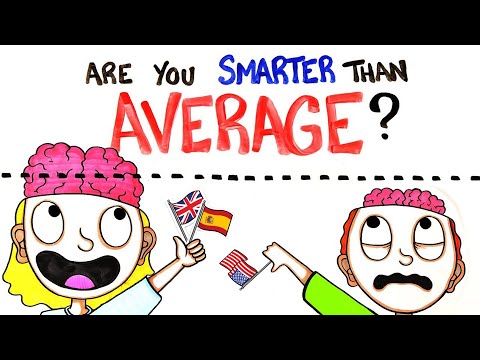
VoiceTube posted on 2024/09/06Ever wondered what being bilingual does to your brain? This video dives into the amazing cognitive benefits of speaking more than one language, even touching on dementia prevention! You'll pick up some fantastic advanced vocabulary related to neuroscience and language learning, making it a super engaging watch.
Learn this video on the APP!
The VoiceTube App has more in-depth practice for videos!