synaptic
US /sɪ'næptɪk/
・UK /sɪ'næptɪk/
C2
adj.AdjectiveConcerning or involving synapses
Studies praise the synaptic benefits of exercise to stimulate the brain
Video subtitles
How Optical Illusions Work
- If we look, for example, at a child's rate of synaptic formation over the first 11 months and the following years, we can see that the speed at which each new connection for vision and hearing is created peaks at around 3 to 4 months of age.
If we look, for example, at a child's rate of synaptic formation over the first 11 months and the following years, we can see that the speed at which each new connection for vision and hearing is created peaks at around 3 to 4 months of age.
- If we look, for example, at a child's rate of synaptic formation over the first 11 months and the following years, we can see that the speed at which each new connection for vision and hearing is created peaks at around three to four months of age.
If we look, for example, at a child's rate of synaptic formation over the first 11 months and the following years, we can see that the speed at which each new connection for vision and hearing is created peaks at around three to four months of age.
Neuroplasticity Explained: How to Rewire Your Brain for Mental Strength

- And this process is called synaptic plasticity.
And this process is called synaptic plasticity.
- and this process is called synaptic plasticity.
and this process is called synaptic plasticity.
精神科医だけど「メンタルヘルス」について質問ある? | Tech Support | WIRED Japan

- You're increasing synaptic connections.
You're increasing synaptic connections.
- You're increasing synaptic connections.
You're increasing synaptic connections.
What ketamine is doing to Elon Musk’s brain

- Glutamate is a biochemical used in your brain to pass signals from one neuron to another through the synaptic cleft.
Glutamate is a biochemical used in your brain to pass signals from one neuron to another through the synaptic cleft.
- Glutamate is a biochemical used in your brain to pass signals from one neuron to another through the synaptic cleft.
Glutamate is a biochemical used in your brain to pass signals from one neuron to another through the synaptic cleft.
This magnet can invert your brain, and it’s saving lives
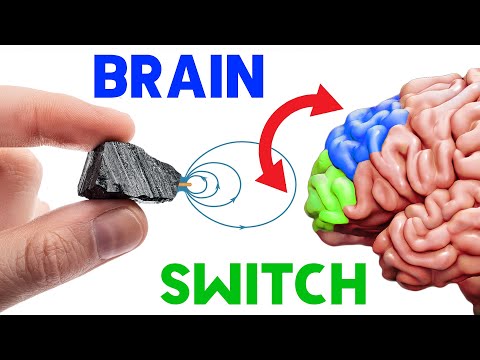
- and pulses in order to activate and increase synaptic currents within this brain region.
and pulses in order to activate and increase synaptic currents within this brain region.
- The magnet is then targeted to a region like, for example, the left dorsolateral prefrontal cortex and pulses in order to activate and increase synaptic currents within this brain region.
The magnet is then targeted to a region like, for example, the left dorsolateral prefrontal cortex and pulses in order to activate and increase synaptic currents within this brain region.
長久下來,你的身體會不由自主的恐慌... - Dr. Joe Dispenza 喬.迪斯本札博士(中英字幕)

- And so we have to unlearn before we relearn, we have to break the habit of the old self before we reinvent the new self, we have to prune synaptic connections and sprout new connections.
And so we have to unlearn before we relearn, we have to break the habit of the old self before we reinvent the new self, we have to prune synaptic connections and sprout new connections.
- We have to prune synaptic connections and sprout new connections.
We have to prune synaptic connections and sprout new connections.
How Train Your Brain To Think in English| Improve Your English Speaking |English Speaking Practice

- However, it's fundamentally a process of neural adaptation, of cultivating new synaptic connections.
However, it's fundamentally a process of neural adaptation, of cultivating new synaptic connections.
- However, it's fundamentally a process of neural adaptation, of cultivating new synaptic connections.
However, it's fundamentally a process of neural adaptation, of cultivating new synaptic connections.
Matthieu Ricard - The habits of Happiness

- the movements of fingers in the brain change a lot, increasing reinforcement of the synaptic
the movements of fingers in the brain change a lot, increasing reinforcement of the synaptic
- Some area that controls the movements of fingers in the brain changes a lot, increases and reinforcements of the synaptic connections.
Some area that controls the movements of fingers in the brain changes a lot, increases and reinforcements of the synaptic connections.
The Teenage Brain Explained

- You actually start losing connections that you don't use enough in a process called synaptic pruning, which has led to a theory that this is kind of a use-it-or-lose-it phase.
You actually start losing connections that you don't use enough in a process called synaptic pruning, which has led to a theory that this is kind of a use-it-or-lose-it phase.
- You actually start losing connections that you don't use enough, in a process called synaptic pruning -
You actually start losing connections that you don't use enough, in a process called synaptic pruning -
Peripheral Nervous System: Crash Course A&P #12

- When that action potential races down the length of its axon to the terminal, the message hits the synapse that then flings it over that synaptic gap to another neuron that's in your spinal cord.
When that action potential races down the length of its axon to the terminal, the message hits the synapse that then flings it over that synaptic gap to another neuron that's in your spinal cord.
- The electrical ones send an electrical impulse, while the chemical ones the ones I'm talking about right now first convert that signal from electrical to chemical by activating neurotransmitters to bridge the synaptic gap, before the receiving neuron converts that chemical signal back into an electrical one.
The electrical ones send an electrical impulse, while the chemical ones the ones I'm talking about right now first convert that signal from electrical to chemical by activating neurotransmitters to bridge the synaptic gap, before the receiving neuron converts that chemical signal back into an electrical one.