carbs
US /kɑːb/
・UK /kɑːb/
B2
n. (c./u.)Noun (Countable/Uncountable)Informal for carbohydrate; Dietary carbohydrates
Studies have indicated a low-carb diet can pose heart and kidney risks.
Video subtitles
How I Tricked My Brain Into Stopping Cravings

- If you guessed cooking more of my meals, or intermittent fasting, or cutting carbs, or adding exercise, or any specific diet, then it's none of those.
If you guessed cooking more of my meals, or intermittent fasting, or cutting carbs, or adding exercise, or any specific diet, then it's none of those.
- or intermittent fasting, or cutting carbs,
or intermittent fasting, or cutting carbs,
5 Foods That Naturally Decrease Cortisol, the Stress Hormone
- they found that people on a traditional american diet of high fat, sugar and carbs had much higher cortisol levels than people who are eating more fruits, vegetables, whole grains and polyunsaturated fats.
they found that people on a traditional american diet of high fat, sugar and carbs had much higher cortisol levels than people who are eating more fruits, vegetables, whole grains and polyunsaturated fats.
- carbs had much higher cortisol levels than people who were eating more fruits, vegetables, whole grains, and
carbs had much higher cortisol levels than people who were eating more fruits, vegetables, whole grains, and
One Pot Chilli | Jamie Oliver & The Lean Machines
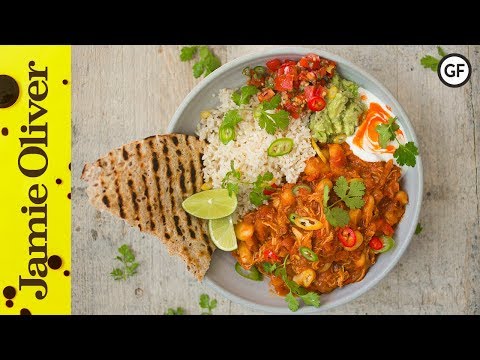
- We kinda live high fat, high protein. Keep our carbs to vegetable sauces a lot of the time and then just re-feed
We kinda live high fat, high protein. Keep our carbs to vegetable sauces a lot of the time and then just re-feed
- We kinda live high fat, high protein. Keep our carbs to vegetable sauces a lot of the time and then just re-feed
We kinda live high fat, high protein. Keep our carbs to vegetable sauces a lot of the time and then just re-feed
What If You Stopped Eating?
- or professional athletes who use all of their carbs for an extended period of time, like marathon runners, will be in this state as well.
or professional athletes who use all of their carbs for an extended period of time, like marathon runners, will be in this state as well.
- who use all their carbs for an extended period of time - like marathon runners - will be
who use all their carbs for an extended period of time - like marathon runners - will be
How can you spot a TikTok wellness scam? - What in the World podcast, BBC World Service
- So it's kind of easy to say like, oh drink more water or eat a more balanced meal, but a lot of people have kind of tried this before or are already doing it in their life, so it doesn't kind of seem like something you can really easily latch on to. Whereas when you say cut out all carbs, that's like a new thing that you can bring into your life that feels like you're really changing something. So trends tend to be something that's new, kind of strange sounding, and something that you can easily latch on to that people think may improve their life. Now we should point out that in terms of the wellness industry, not everything is a scam. As you said up top, it's a massive industry and there are indeed products that are backed by scientific evidence. My question for you is this though, where is the line? When does it become problematic? It's really tough to draw that line sometimes because you've got most of the trends that I see tend to be kind of in this middle area where they don't work, but they don't cost you money, so it's not really an issue if people want to try them. It may lead to something, it may make you happier in some way, but it kind of is this middle ground where, oh it is a lie, but at least there's no direct harm being caused. And then you have the next step, which is selling a product that may not have any harms, costs a lot of money, but also doesn't work. So that's actually ripping people off. Then you've got the next step where someone tries a wellness trend or believes in these products so much that they don't then seek mainstream medical care. That's really problematic because it delays treatment, it can delay prevention, which is really the most important point in medical care, and it can cause people to have a bit of distrust in mainstream medicine and think that this maybe natural solution that an influence is selling is better than a pharmaceutical or doctor recommended treatment. And then there's the last step where influencers recommend products or regimes that are actively harmful. So this is when they recommend disordered eating habits or a product that has a high concentration of some chemical or some, I don't know, byproducts that can actually cause harm. Now I think it's easy for people to watch this and say, oh how could people fall for these scams? But the fact is there are a lot of vulnerable people. Perhaps they have consulted a doctor, they haven't found a solution, and they sincerely want that solution. Do you think that plays in to this becoming so popular, this trend taking off? It's so easy to be swept up when you're seeing video after video after video from these beautiful influencers who've changed their lives and look at that and be like, wow, I want to feel like, I want my gut to be healthy, I want my hormones to be balanced. These terms are meaningless and gut health, for example, is so complex. An influencer on TikTok is not going to know how to solve it. We talked about aspiration, we talked about people seeking a solution. Are there any other reasons that these online trends go viral, that they're so effective for the influencer in promoting themselves? I think one thing that these viral trends tend to do really well for influencers is to be a successful influencer, you need to have a story, you need to have a character arc. These wellness trends are a really easy way to create a character arc for yourself. You could say, come with me on my journey to heal my cortisol levels. It's one of those things where, okay, well now I'm going to tune in and see if this influencer does heal their cortisol. Even if they're doing completely separate things. One trend that people may have seen is cortisol face, which is when there's just like a bit of fat in your face.
So it's kind of easy to say like, oh drink more water or eat a more balanced meal, but a lot of people have kind of tried this before or are already doing it in their life, so it doesn't kind of seem like something you can really easily latch on to. Whereas when you say cut out all carbs, that's like a new thing that you can bring into your life that feels like you're really changing something. So trends tend to be something that's new, kind of strange sounding, and something that you can easily latch on to that people think may improve their life. Now we should point out that in terms of the wellness industry, not everything is a scam. As you said up top, it's a massive industry and there are indeed products that are backed by scientific evidence. My question for you is this though, where is the line? When does it become problematic? It's really tough to draw that line sometimes because you've got most of the trends that I see tend to be kind of in this middle area where they don't work, but they don't cost you money, so it's not really an issue if people want to try them. It may lead to something, it may make you happier in some way, but it kind of is this middle ground where, oh it is a lie, but at least there's no direct harm being caused. And then you have the next step, which is selling a product that may not have any harms, costs a lot of money, but also doesn't work. So that's actually ripping people off. Then you've got the next step where someone tries a wellness trend or believes in these products so much that they don't then seek mainstream medical care. That's really problematic because it delays treatment, it can delay prevention, which is really the most important point in medical care, and it can cause people to have a bit of distrust in mainstream medicine and think that this maybe natural solution that an influence is selling is better than a pharmaceutical or doctor recommended treatment. And then there's the last step where influencers recommend products or regimes that are actively harmful. So this is when they recommend disordered eating habits or a product that has a high concentration of some chemical or some, I don't know, byproducts that can actually cause harm. Now I think it's easy for people to watch this and say, oh how could people fall for these scams? But the fact is there are a lot of vulnerable people. Perhaps they have consulted a doctor, they haven't found a solution, and they sincerely want that solution. Do you think that plays in to this becoming so popular, this trend taking off? It's so easy to be swept up when you're seeing video after video after video from these beautiful influencers who've changed their lives and look at that and be like, wow, I want to feel like, I want my gut to be healthy, I want my hormones to be balanced. These terms are meaningless and gut health, for example, is so complex. An influencer on TikTok is not going to know how to solve it. We talked about aspiration, we talked about people seeking a solution. Are there any other reasons that these online trends go viral, that they're so effective for the influencer in promoting themselves? I think one thing that these viral trends tend to do really well for influencers is to be a successful influencer, you need to have a story, you need to have a character arc. These wellness trends are a really easy way to create a character arc for yourself. You could say, come with me on my journey to heal my cortisol levels. It's one of those things where, okay, well now I'm going to tune in and see if this influencer does heal their cortisol. Even if they're doing completely separate things. One trend that people may have seen is cortisol face, which is when there's just like a bit of fat in your face.
- Former model Cat Torres turned wellness influencer and self-help guru. Through her platforms, she promised love, money, and the self-esteem that you always dreamed of. Her audience consisted of mainly women keen on achieving all these goals, but last year she was sentenced to eight years in prison in Brazil for subjecting a woman to human trafficking and slave labor, and more than 20 women reported being scammed or exploited by her. Thank you, Maria Clara. So that leads us to a big question. How do you spot online wellness scams? So there's a few things that I like to look for. So the first is, are they giving you a problem that you don't actually have? I think the cortisol vase is such a good example of that. This is not a real issue. Is it something that you've never thought of before? The next is, is their solution too simple? Is it just cutting out carbs? Is it just taking a gut health drink? Is it just taking a couple vitamins? If so, why?
Former model Cat Torres turned wellness influencer and self-help guru. Through her platforms, she promised love, money, and the self-esteem that you always dreamed of. Her audience consisted of mainly women keen on achieving all these goals, but last year she was sentenced to eight years in prison in Brazil for subjecting a woman to human trafficking and slave labor, and more than 20 women reported being scammed or exploited by her. Thank you, Maria Clara. So that leads us to a big question. How do you spot online wellness scams? So there's a few things that I like to look for. So the first is, are they giving you a problem that you don't actually have? I think the cortisol vase is such a good example of that. This is not a real issue. Is it something that you've never thought of before? The next is, is their solution too simple? Is it just cutting out carbs? Is it just taking a gut health drink? Is it just taking a couple vitamins? If so, why?
When he's way fitter than you ??? Elena Gabrielle

- He orders poached chicken and poached broccoli, and I'm trying to eat all of the carbs.
He orders poached chicken and poached broccoli, and I'm trying to eat all of the carbs.
- He's like, you know, like when I started training, I like stopped eating carbs and you need carbs for brain development, but look at my muscles!
He's like, you know, like when I started training, I like stopped eating carbs and you need carbs for brain development, but look at my muscles!
Everything NBA Hall of Famer Chris Bosh Eats in a Day | Food Diaries: Bite Size | Harper’s BAZAAR

- If you're not feeling the carbs with the white rice, mix it with a little bit of quinoa.
If you're not feeling the carbs with the white rice, mix it with a little bit of quinoa.
- If you're not filling the carbs with the white rice, mix it with a little bit of quinoa.
If you're not filling the carbs with the white rice, mix it with a little bit of quinoa.
Improve Your English Vocabulary: 5 terms for a healthy life
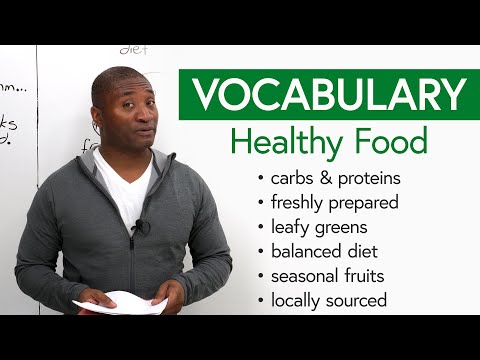
- commonly called in North America "carbs". You will not see many people
commonly called in North America "carbs". You will not see many people
- talk about the "carbohydrates" in these foods; they talk about "carbs". That is
talk about the "carbohydrates" in these foods; they talk about "carbs". That is
What Happens When You Quit Salt?
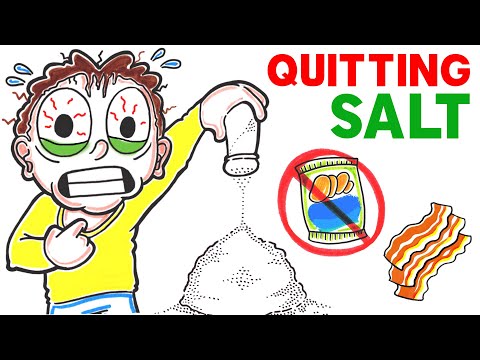
- While many people do eat too much salt, if you're a healthy person eating mainly whole foods or low carbs, which hold onto water for your body, or doing a lot of exercise, it's important to maintain or ingest salt into your system.
While many people do eat too much salt, if you're a healthy person eating mainly whole foods or low carbs, which hold onto water for your body, or doing a lot of exercise, it's important to maintain or ingest salt into your system.
- While many people do eat too much salt, if you're a healthy person eating mainly whole foods or low carbs, which hold onto water for your body, or doing a lot of exercise, it's important to maintain or ingest salt into your system.
While many people do eat too much salt, if you're a healthy person eating mainly whole foods or low carbs, which hold onto water for your body, or doing a lot of exercise, it's important to maintain or ingest salt into your system.
7 Signs You're Eating Too Much Sugar
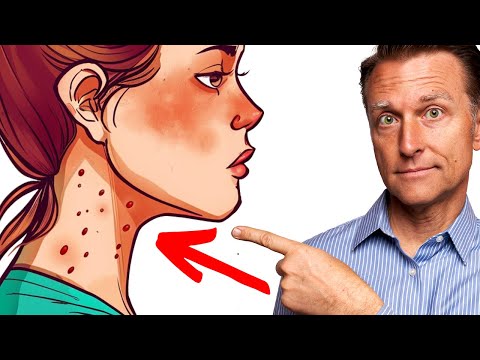
- I think most people know the classic signs of eating too much sugar, which is fatigue, brain fog, belly fat, cravings for carbs, cavities.
I think most people know the classic signs of eating too much sugar, which is fatigue, brain fog, belly fat, cravings for carbs, cavities.
- I think most people know the classic signs of eating too much sugar, which is fatigue, brain fog, belly fat, cravings for carbs, cavities.
I think most people know the classic signs of eating too much sugar, which is fatigue, brain fog, belly fat, cravings for carbs, cavities.