
ability
US /əˈbɪlɪti/
UK /ə'bɪlətɪ/
- Noun (Countable/Uncountable)
- The power, resources or skill to do something
- A particular skill or talent.
A2TOEICMoreanxiety
US /æŋˈzaɪɪti/
UK /æŋ'zaɪətɪ/
- Uncountable Noun
- A feeling of worry, nervousness, or unease about something that might happen, especially when the outcome is uncertain.
B1Moreas long as
US /æz lɔŋ æz/
UK /æz lɔŋ æz/
- Conjunction
- For the period that; provided that.
- For the length of time that
- Preposition
- On the condition that; providing that.
- Having the same length as.
A1Moreboost
US /bust/
UK /bu:st/
- Transitive Verb
- To increase something; to make something better
- To push someone or something up from beneath them
- Noun (Countable/Uncountable)
- An increase in something
B1TOEICMorebrisk
US /brɪsk/
UK /brɪsk/
- Adjective
- Cold or cool in a pleasant way
- Quick, active or decisive in manner
- Verb (Transitive/Intransitive)
- To make or become active, lively, or energetic.
B2Morecancer
US /ˈkænsɚ/
UK /'kænsə(r)/
- Noun
- Any growth caused by abnormal cell division
B1Morecolon
US /ˈkolən/
UK /'kəʊlən/
- Noun
- Lower part of intestine turning food into waste
- Symbol: used in writing e.g. before lists
B2Morecontribute
US /kənˈtrɪbjut/
UK /kən'trɪbju:t/
- Verb (Transitive/Intransitive)
- To be a factor in causing something to happen
- To donate, give (money) or help to something
A2Moredisease
US /dɪˈziz/
UK /dɪˈzi:z/
- Noun (Countable/Uncountable)
- Illness that affects a person, animal, or plant
- A disorder of structure or function in a plant, especially one caused by a pathogen.
- Transitive Verb
- To affect with disease; to corrupt or sicken.
A2TOEICMoredownward
US /ˈdaʊnwərd/
UK /ˈdaʊnwəd/
- Adjective
- Moving from a higher to a lower condition/place
B1TOEICMoreedge in
US /ɛdʒ ɪn/
UK /edʒ ɪn/
- other
- To insert oneself into a group or conversation gradually.
B2Moreelevate
US /ˈɛləˌvet/
UK /ˈelɪveɪt/
- Transitive Verb
- To make something higher
- To raise something in status, importance, feeling
B2Moreesteem
US /ɪˈstim/
UK /ɪˈsti:m/
- Uncountable Noun
- Feeling of respect or admiration regarding someone
- Transitive Verb
- To regard with great respect or admiration
B2TOEICMoreestimate
US /ˈɛstəˌmet/
UK /'estɪmət/
- Noun (Countable/Uncountable)
- Guess or calculation of cost, size or value
- A judgment or opinion.
- Transitive Verb
- To guess or calculate the cost, size or value of
- To form an approximate idea or judgment of.
A2TOEICMoreflexibility
US
UK
- Uncountable Noun
- The quality of being able to be bent or stretched
B1TOEICMoreflexible
US /ˈflɛksəbəl/
UK /ˈfleksəbl/
- Adjective
- Bending easily
- Able to adjust to new events, requirements easily
B1TOEICMoreflush
US /flʌʃ/
UK /flʌʃ/
- Noun
- Feeling that comes suddenly
- Verb (Transitive/Intransitive)
- To redden in the face due to emotion
B1Moreflush out
US /flʌʃ aʊt/
UK /flʌʃ aut/
- Phrasal Verb
- To force someone or something out of a hiding place.
- To cleanse or purify something by flushing it with liquid.
for example
US
UK
- Phrase
- As an illustration or instance.
for instance
US /fɔr ˈɪnstəns/
UK /fɔ: ˈinstəns/
- Adverb
- As an example.
- Phrase
- As an example.
- As an illustration or case in point
B1Moregrab
US /ɡræb/
UK /ɡræb/
- Transitive Verb
- To take and hold something quickly
A2Morehip
US /hɪp/
UK /hɪp/
- Noun
- The upper part of Leg
- Adjective
- Being stylish and popular
B1Morein fact
US /ɪn fækt/
UK /in fækt/
- Adverb
- Used to emphasize the truth of a statement, especially one that contrasts with or contradicts something else.
- Used to introduce a more detailed or surprising piece of information.
- Phrase
- Used to emphasize the truth of a statement, especially one that is surprising or contrary to what might be expected.
C1Moreinflammation
US /ˌɪnfləˈmeʃən/
UK /ˌɪnfləˈmeɪʃn/
- Noun (Countable/Uncountable)
- Painful swelling in the body due to illness
- A condition in which a part of the body becomes reddened, swollen, hot, and often painful, especially as a reaction to injury or infection.
B2Moreinstance
US /ˈɪnstəns/
UK /'ɪnstəns/
- Noun (Countable/Uncountable)
- An example of something; case
- An occurrence of something.
- Transitive Verb
- To give as an example of something else
A2TOEICMoreinterfere
US /ˌɪntɚˈfɪr/
UK /ˌɪntə'fɪə(r)/
- Intransitive Verb
- To get involved in something not your business
- Transitive Verb
- To prevent a process or activity from continuing or being carried out properly.
B1TOEICMoremat
US /mæt/
UK /mæt/
- Noun (Countable/Uncountable)
- Piece of material used to cover, protect the floor
- Piece of material put on table, etc. to protect it
B1Moremeditate
US /ˈmɛdɪˌtet/
UK /ˈmedɪteɪt/
- Intransitive Verb
- To think deeply and quietly to calm your spirit
- To think deeply or focus one's mind for a period of time.
B2Moremeditation
US /ˌmɛdɪˈteʃən/
UK /ˌmedɪ'teɪʃn/
- Noun (Countable/Uncountable)
- Act of deep and quiet thinking
- The practice of focusing one's mind for a period of time.
B2Moremeditative
US /ˈmɛdɪˌtetɪv/
UK /ˈmedɪtətɪv/
- Adjective
- Thinking in a quiet reflective manner
B2Moremoderate
US /ˈmɑdərɪt/
UK /ˈmɒdərət/
- Verb (Transitive/Intransitive)
- To host a meeting or panel discussion
- To make something less violent, severe, or strong
- Adjective
- Being average in quantity or size
B1Morenasty
US /ˈnæsti/
UK /'nɑ:stɪ/
- Adjective
- Very bad, unpleasant, or offensive
- Unkind; unpleasant.
A2Moreof itself
US /ʌv ɪtˈself/
UK /əv ɪtˈself/
- other
- Happening automatically without external cause or help.
B1Moreover time
US /ˈovɚ taɪm/
UK /ˈəuvə taim/
- Phrase
- Gradually; as time passes.
- During a long period.
- Adverb
- Gradually; as time passes.
B1Moreoverdrive
US /ˈoʊvərdraɪv/
UK /ˈəʊvədraɪv/
- Noun
- Extra gear on a vehicle that allows more power
C1Moreoverly
US /ˈoʊvərli/
UK /ˈəʊvəli/
- Adverb
- To a degree exceeding normal or proper limits
B2Moreoxytocin
US /ˌɒksɪ'toʊsɪn/
UK /ˌɒksɪ'təʊsɪn/
- Uncountable Noun
- Hormone secreted by the posterior pituitary gland (trade name Pitocin); stimulates contractions of the uterus and ejection of milk
B2Moreplenty
US /ˈplɛnti/
UK /'plentɪ/
- Pronoun
- When there is not too little of something; a lot
- Uncountable Noun
- A large or sufficient amount or quantity; abundance.
- A lot of something
A2Morepose
US /poʊz/
UK /pəʊz/
- Verb (Transitive/Intransitive)
- To be or exist as (a problem, threat etc.)
- To suggest an idea, question or solution
- Noun
- False behavior to gain respect or liking
B1TOEICMorepractice
US /ˈpræktɪs/
UK /'præktɪs/
- Noun
- The office and place for legal or medical work
- Doing something many times to become better at it
- Verb (Transitive/Intransitive)
- To work as a doctor or lawyer
- To live according to the teachings of a religion
A2TOEICMorereactive
US /riˈæktɪv/
UK /riˈæktɪv/
- Adjective
- Easily reacting to; responsive
B1Morerecommend
US /ˌrɛkəˈmɛnd/
UK /ˌrekə'mend/
- Transitive Verb
- To advise or suggest that someone do something
- To endorse or support something publicly.
A2TOEICMoresignificantly
US /sɪɡˈnɪfəkəntlɪ/
UK /sɪgˈnɪfɪkəntli/
- Adverb
- In a way that is important or noticeable
- In a way that is meaningful
A2Morestraight
US /stret/
UK /streɪt/
- Adjective
- Not having curves, bends, or angles
- Not gay; heterosexual
- Adverb
- in a line; immediately; honestly and directly
- In a straight line; directly.
A2TOEICMorestrain
US /stren/
UK /streɪn/
- Transitive Verb
- To remove the water from (food) using a colander
- To injure a muscle, leg etc. by using it too much
- Noun (Countable/Uncountable)
- Injury to a muscle, leg etc. through overuse
- Type or variation of a disease or bacillus
B2Morestress
US / strɛs/
UK /stres/
- Transitive Verb
- To emphasize one or more parts of a word, sentence
- To put pressure on something or someone
- Noun (Countable/Uncountable)
- Emphasis on part of a word or sentence
- Pressure on something or someone
A2TOEICMorestretch
US /strɛtʃ/
UK /stretʃ/
- Verb (Transitive/Intransitive)
- To make your arm, leg muscles long to ease them
- To make something bigger by pulling on it
- Noun
- Making arm, leg muscles longer to ease them
- A consecutive row of things
A2TOEICMorestretch out
US /strɛtʃ aʊt/
UK /stretʃ aut/
- Phrasal Verb
- To extend your body, especially by lying down and reaching with your arms and legs.
- To extend over a large area.
B2Moresuffer
US / ˈsʌfɚ/
UK /'sʌfə(r)/
- Verb (Transitive/Intransitive)
- To experience pain, illness, or injury
- To allow or permit something, especially something unpleasant.
A2Moresuffer from
US /ˈsʌfɚ frʌm/
UK /ˈsʌfə frɔm/
- Intransitive Verb
- To experience pain or distress; to be badly affected by.
A1Moretake back
US /tek bæk/
UK /teik bæk/
- Phrasal Verb
- To say you no longer agree with an opinion you had
- To return something you bought to the store
- Transitive Verb
- To retract or withdraw a statement or claim.
- To regain possession of something.
A1Morethanks to
US /θæŋks tu/
UK /θæŋks tu:/
- Preposition
- Because of; as a result of.
A1Moretradition
US /trəˈdɪʃən/
UK /trəˈdɪʃn/
- Noun (Countable/Uncountable)
- An event, custom or way common to a people or race
- Way of thinking or behaving used for a long time
B1TOEICMoretriangle
US /ˈtraɪˌæŋɡəl/
UK /ˈtraɪæŋgl/
- Noun
- Three people connected with each in a relationship
- A three-sided piece of metal used in orchestras
B1TOEICMoreyank
US /jæŋk/
UK /jæŋk/
- Transitive Verb
- To pull or tug on something
C1Moreyoga
US /ˈjoʊgə/
UK /ˈjəʊgə/
- Noun (Countable/Uncountable)
- Exercise system to gain suppleness and tranquility
B2More
Vocabulary
- flush out: To force someone or something out of a hiding place.
- take back: To say you no longer agree with an opinion you had
- for instance: As an example.
- suffer from: To experience pain or distress; to be badly affected by.
- stretch out: To extend your body, especially by lying down and reaching with your arms and legs.
- for example: As an illustration or instance.
- thanks to: Because of; as a result of.
- over time: Gradually; as time passes.
- of itself: Happening automatically without external cause or help.
- in fact: Used to emphasize the truth of a statement, especially one that contrasts with or contradicts something else.
- edge in: To insert oneself into a group or conversation gradually.
- as long as: For the period that; provided that.
- anxiety: A feeling of worry, nervousness, or unease about something that might happen, especially when the outcome is uncertain.
- meditation: Act of deep and quiet thinking
- nasty: Very bad, unpleasant, or offensive
- grab: To take and hold something quickly
- recommend: To advise or suggest that someone do something
- stretch: To make your arm, leg muscles long to ease them
- evidence: Factual proof that helps to establish the truth
- boost: To increase something; to make something better
- esteem: Feeling of respect or admiration regarding someone
- practice: The office and place for legal or medical work
- straight: Not having curves, bends, or angles
- improve: To make, or become, something better
- instance: An example of something; case
- plenty: When there is not too little of something; a lot
- interfere: To get involved in something not your business
- meditate: To think deeply and quietly to calm your spirit
- strain: To remove the water from (food) using a colander
- disease: Illness that affects a person, animal, or plant
- amount: Quantity of something
- contribute: To be a factor in causing something to happen
- stress: To emphasize one or more parts of a word, sentence
- significantly: In a way that is important or noticeable
- ability: The power, resources or skill to do something
- inflammation: Painful swelling in the body due to illness
- cardiovascular: Concerning the heart and vessels of the body
- estimate: Guess or calculation of cost, size or value
- suffer: To experience pain, illness, or injury
- moderate: To host a meeting or panel discussion
- brain: To strike someone forcefully on the head
- nervous: Concerning the system of nerves in the body
- drop: Distance between a higher and a lower level
- flexible: Bending easily
- fair: Neither very good nor very bad; average
- mood: Emotion or a state of mind; how you feel
- mindfulness: Paying attention to your responsibilities
- oxytocin: Hormone secreted by the posterior pituitary gland (trade name Pitocin); stimulates contractions of the uterus and ejection of milk
- flush: Feeling that comes suddenly
- pain: Strong feeling of hurt or discomfort
- fact: Something that is known or proved to be true
- system: Set of organized, planned ideas that work together
- support: To give assistance or advice to someone
- hip: The upper part of Leg
- overly: To a degree exceeding normal or proper limits
- point: An item to be discussed
- pose: To be or exist as (a problem, threat etc.)
- flexibility: The quality of being able to be bent or stretched
- tradition: An event, custom or way common to a people or race
- colon: Lower part of intestine turning food into waste
- downward: Moving from a higher to a lower condition/place
- elevate: To make something higher
- cancer: Any growth caused by abnormal cell division
- overdrive: Extra gear on a vehicle that allows more power
- mat: Piece of material used to cover, protect the floor
- brisk: Cold or cool in a pleasant way
- yank: To pull or tug on something
- triangle: Three people connected with each in a relationship
- reactive: Easily reacting to; responsive
- yoga: Exercise system to gain suppleness and tranquility
- meditative: Thinking in a quiet reflective manner
Get the full experience in the app
Learn anywhere with detailed sentence and usage analysis
01:03
She took a brave step forward, leaving behind her comfort zone to chase her dreams.
Vocabulary
- brave
adj. Having courage
- comfort zone
phr. A familiar situation where one feels safe
Explanation
a brave step is a noun phrase, where brave is an adjective modifying the noun step, meaning "a courageous step".
forward is an adverb modifying step, meaning "ahead".
The whole phrase serves as the object, answering the "what" of took (verb) — she took a brave step forward.
Get the full experience in the app
Look up words anytime with pronunciation, part of speech, and usage
brave
US/brev/
UK/breɪv/
adj.Brave
v.t.To bravely face
A2 Elementary
Get the full experience in the app
Practice speaking anytime and get instant pronunciation feedback
Try this speaking exercise.
Try practicing with this sentence.
80
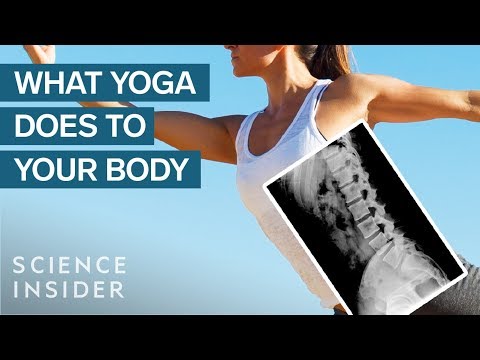
What Happens To Your Brain And Body When You Do Yoga Regularly
0
jasmine posted on 2019/04/24Ever wonder what's *really* happening in your body and brain when you hit the yoga mat? This video dives deep into the science behind yoga's amazing benefits, from reducing back pain to boosting your mood, and even busts a common myth! You'll pick up some fantastic advanced vocabulary and learn practical ways to improve your well-being.
Learn this video on the APP!
The VoiceTube App has more in-depth practice for videos!