
all along
US /ɔl əˈlɔŋ/
UK /ɔ:l əˈlɔŋ/
- Adverb
- From the beginning; all the time.
- Phrase
- In a line parallel to something long.
A2Moreallow me
US
UK
- Phrase
- A polite way of offering to do something for someone.
- A formal way to ask for permission or to introduce oneself.
applause
US /əˈplɔz/
UK /ə'plɔ:z/
- Noun (Countable/Uncountable)
- The sound made by clapping a performance or speech
B1Moreas long as
US /æz lɔŋ æz/
UK /æz lɔŋ æz/
- Conjunction
- For the period that; provided that.
- For the length of time that
- Preposition
- On the condition that; providing that.
- Having the same length as.
A1Moreat risk
US
UK
- Phrase
- In danger; likely to be harmed
at the same time
US
UK
- Phrase
- Simultaneously; at the identical moment.
- Nevertheless; however; used to introduce a contrasting or qualifying statement.
A1Moreaudience
US /ˈɔdiəns/
UK /ˈɔ:diəns/
- Noun (Countable/Uncountable)
- Group of people attending a play, movie etc.
A2TOEICMoreaware
US /əˈwɛr/
UK /əˈwɛə/
- Adjective
- Knowing or feeling that something exists
A2TOEICMoreback up
US /bæk ʌp/
UK /bæk ʌp/
- Phrasal Verb
- To save a copy of your computer data
- To confirm the truth of what someone says
A1Morebeep
US /bip/
UK /bi:p/
- Noun
- Short high sound such as that made by a car horn
- Intransitive Verb
- To make a sharp high sound like that of a car horn
C1Moreblindfold
US /ˈblaɪndˌfold/
UK /'blaɪndfəʊld/
- Transitive Verb
- To tie a cloth over your eyes so you can't see
- To prevent someone from seeing or understanding something clearly.
- Countable Noun
- A cloth tied over your eyes so you can't see
C1Morebottle out
US /ˈbɑtl aʊt/
UK /ˈbɒtl aʊt/
- other
- To decide not to do something because of fear or lack of confidence.
B2Moreclap
US /klæp/
UK /klæp/
- Verb (Transitive/Intransitive)
- To make loud sounds by striking the hands together
- Noun
- A loud sound made by striking your hands together
B1Morecome back
US /kʌm bæk/
UK /kʌm bæk/
- Phrasal Verb
- To reply to someone, often forcefully
- To be remembered
A1Morecome up
US /kʌm ʌp/
UK /kʌm ʌp/
- Phrasal Verb
- To come closer to someone; approach
- (Of sun) to rise into the sky in the morning
A1Morecome up with
US /kʌm ʌp wɪð/
UK /kʌm ʌp wið/
- Phrasal Verb
- To think of an idea or solution; produce
A1Moreconnection
US /kəˈnɛkʃən/
UK /kəˈnekʃn/
- Noun (Countable/Uncountable)
- Something that joins things together; being joined
- Person you know who can help you in some way
A2Moredeception
US /dɪˈsɛpʃən/
UK /dɪ'sepʃn/
- Uncountable Noun
- Use of trickery to make someone believe an untruth
- The quality of being deceptive; misleading.
B1Moredemonstration
US /ˌdɛmənˈstreʃən/
UK /ˌdemənˈstreɪʃn/
- Noun
- Open showing of emotion
- Public gathering showing disagreement or support
B1TOEICMoredrift
US /drɪft/
UK /drɪft/
- Intransitive Verb
- (Of sand, etc.) to be blown into heaps by the wind
- (Of boats) to move without purpose on water
B1Moreexamine
US /ɪɡˈzæmɪn/
UK /ɪgˈzæmɪn/
- Transitive Verb
- (Medical) to test to find out what is wrong
- To test your knowledge or ability
A2Moreexperiment
US /ɪkˈspɛrəmənt/
UK /ɪk'sperɪmənt/
- Noun (Countable/Uncountable)
- Test performed to assess new ideas or theories
- A course of action tentatively adopted without being sure of the eventual outcome.
- Verb (Transitive/Intransitive)
- To create and perform tests to research something
- To try something new that you haven't tried before
A2TOEICMoreextra
US /'ekstrə/
UK /'ekstrə/
- Adjective
- More than necessary; additional
- Of especially good quality or grade.
- Noun (Countable/Uncountable)
- Items more than you need; additional items
- Person who has a small part in a movie
A2Moreface down
US /fes daʊn/
UK /feis daun/
- Verb (Transitive/Intransitive)
- To confront or deal with someone or something in a brave or determined way.
- Phrasal Verb
- To confront and defeat someone in a contest or confrontation.
A1Morefigure out
US /ˈfɪɡjɚ aʊt/
UK /ˈfiɡə aut/
- Phrasal Verb
- To understand the behavior of someone
- To think through logically to find a solution
- Verb (Transitive/Intransitive)
- To understand or find an answer to something.
- To find a solution to a problem or understand something.
A1Morefilm
US /fɪlm/
UK /fɪlm/
- Noun (Countable/Uncountable)
- Thin layer that covers something
- Movie
- Transitive Verb
- To record moving action with a camera
A2Morefirmly
US /ˈfə:mlɪ/
UK /ˈfɜ:mli/
- Adverb
- In a hard, steady, unchanging way
B1Morefloat
US /floʊt/
UK /fləʊt/
- Verb (Transitive/Intransitive)
- To sell the shares of a company publicly
- To move slowly and easily through air
- Noun (Countable/Uncountable)
- Object designed to stay on the surface of water
- Decorated truck used in a festival
B1Morefor instance
US /fɔr ˈɪnstəns/
UK /fɔ: ˈinstəns/
- Adverb
- As an example.
- Phrase
- As an example.
- As an illustration or case in point
B1Moreforehead
US /ˈfɔ:rhed/
UK /ˈfɔ:hed/
- Noun
- Area of the face above the eyes
B1Morefrom side to side
US /frəm saɪd tu saɪd/
UK /frəm saɪd tə saɪd/
- other
- Moving left and right repeatedly.
A2Moregesture
US /ˈdʒɛstʃɚ/
UK /'dʒestʃə(r)/
- Noun (Countable/Uncountable)
- Bodily movement expressing a particular meaning
- Something you do to express gratitude, regret etc.
- Intransitive Verb
- To move your body to convey a message e.g. wave
A2Morego ahead
US /ɡo əˈhɛd/
UK /ɡəu əˈhed/
- Phrasal Verb
- To start an activity; start doing, working etc.
- To give permission to do something
- Intransitive Verb
- To start or proceed with something
- To proceed despite potential obstacles or doubts.
A1Morego on
US /ɡo ɑn/
UK /ɡəu ɔn/
- Phrasal Verb
- To continue doing something
- To happen (usually negative)
- Interjection
- Used to encourage someone
A1Moregot the idea
US
UK
- Intransitive Verb
- Understood something.
A1Morehalfway through
US
UK
- Adverb
- At or in the middle of a period of time or an activity.
- Phrase
- Having completed approximately half of something.
A2Morehand up
US
UK
- Phrasal Verb
- To raise one's hand in order to get attention, especially in a classroom.
hear things
US /hɪr θɪŋz/
UK /hɪə θɪŋz/
- other
- To imagine hearing sounds or voices that are not real.
B1Morehold onto
US /hold ˈɑnˌtu/
UK /həuld ˈɔntu/
- Phrasal Verb
- To grasp or grip something tightly.
- To keep or retain possession of something.
A1Morehop up
US /hɑp ʌp/
UK /hɔp ʌp/
- Phrasal Verb
- To jump or climb onto something.
- To get into a vehicle quickly.
A2Morein with
US /ɪn wɪð/
UK /in wið/
- Phrase
- Fashionable or popular at the moment.
- Having influence or favor with someone.
- Phrasal Verb
- To introduce or bring something new into a system or organization.
A1Moreinstead of
US /ɪnˈstɛd ʌv/
UK /inˈsted ɔv/
- Preposition
- When one thing is replaced by another
- Adverb
- As a substitute or alternative.
A1Morejoin in
US /dʒɔɪn ɪn/
UK /dʒɔin in/
- Phrasal Verb
A1Morekb
US
UK
- Noun (Countable/Uncountable)
- Kilobyte; unit of information equal to 1024 bits
B2Morelook at
US /lʊk æt/
UK /luk æt/
- Phrasal Verb
- To use your eyes to focus on something
- To focus your eyes on something carefully
A1Morelook away
US /lʊk əˈwe/
UK /luk əˈwei/
- Phrasal Verb
- To turn your eyes in a different direction, especially because you are embarrassed, frightened, or upset.
A2Morelook back
US /lʊk bæk/
UK /luk bæk/
- Phrasal Verb
- To think about past events
A1Moremanipulate
US /məˈnɪpjəˌlet/
UK /mə'nɪpjʊleɪt/
- Transitive Verb
- To try to control others to gain an advantage
- To handle or work in a skillful manner
B1Moremix up
US /mɪks ʌp/
UK /miks ʌp/
- Phrasal Verb
- To put various things together so they become one
- To cause things to become confused
- Verb (Transitive/Intransitive)
- To confuse (two or more things or people).
- To stir or agitate something.
A1Morenegative
US /ˈnɛɡətɪv/
UK /'neɡətɪv/
- Noun
- The opposite to a positive electrical charge
- In grammar, containing words such as 'no' or 'not'
- Adjective
- Being harmful, unwanted or unhelpful
- In mathematics, being less than zero
A2Morenext to
US /nɛkst tu/
UK /nekst tu:/
- Preposition
- Being located along side another
- In comparison with
- Adverb
- Almost; nearly
A1Moreoff the mark
US
UK
- Adjective
- Inaccurate; not correct.
- Irrelevant; not pertinent to the subject.
A2Moreon the ground
US
UK
- Phrase
- Located on the surface of the earth.
- Present and available in a particular place, especially to deal with a situation.
out of it
US /aʊt ʌv ɪt/
UK /aut ɔv it/
- Adjective
- Unconscious or not completely alert; dazed or confused.
- Not able to think clearly or react quickly; not with it.
A1Morepressure
US /ˈprɛʃɚ/
UK /'preʃə(r)/
- Noun (Countable/Uncountable)
- Anxiety caused by difficult problems
- Force, weight when pressing against a thing
- Transitive Verb
- To apply force to something
- To persuade or force someone to do something
A2TOEICMoreput out
US /pʊt aʊt/
UK /put aut/
- Phrasal Verb
- To publish, e.g. a book
- To cause someone to be troubled or inconvenienced
A1Morerace course
US
UK
- Noun
- A track or ground where races are held, especially for horses.
- The route followed by competitors in a race.
A1Morerelationship
US /rɪˈleʃənˌʃɪp/
UK /rɪˈleɪʃnʃɪp/
- Noun (Countable/Uncountable)
- Connection between two or more people or things
- Way people interact or live with each other
A2TOEICMorerelease
US /rɪ'li:s/
UK /rɪ'li:s/
- Transitive Verb
- To free someone from a responsibility or burden
- To allow a film, music etc. to be sold/distributed
- Noun
- Act of freeing someone from a duty or burden
- Introduction of a new product, film, book, etc.
A2TOEICMoresame time
US
UK
- Phrase
- Occurring simultaneously or at the same point in time.
- At the identical time as before; recurring at a fixed hour.
- Noun
- An equal duration or period.
A1Moresee through
US /si θru/
UK /si: θru:/
- Phrasal Verb
- To realize the truth about
- To continue doing something until it is finished, especially something difficult or unpleasant.
A1Moresensation
US /sɛnˈseʃən/
UK /sen'seɪʃn/
- Noun
- (Person) attracting the interest of many people
- Mental feeling caused by a previous experience
B1Moresink
US /sɪŋk/
UK /sɪŋk/
- Transitive Verb
- To push something down into the ground
- To dig (a well)
- Countable Noun
- Large bowl in a kitchen or washroom for washing
A2TOEICMoresolid
US /ˈsɑlɪd/
UK /'sɒlɪd/
- Adjective
- Being able to be trusted; reliable
- Substance that is hard or of fixed shape
- Noun
- Something firm or hard; not gas or liquid
A2Morespike
US /spaɪk/
UK /spaɪk/
- Noun
- The top point in a graph
- Long, thin metal rod that ends in a point
- Intransitive Verb
- To go up to a point on a graph
B2Morestand over
US /stænd ˈovɚ/
UK /stænd ˈəuvə/
- Phrasal Verb
- To watch or supervise others closely, like a boss
A1Morestick
US /stɪk/
UK /stɪk/
- Verb (Transitive/Intransitive)
- To push a sharp or pointed object into something
- To join together using glue or paste
- Countable Noun
- Long thin piece of wood from a tree
A2Moreswap
US /swɑp/
UK /swɒp/
- Transitive Verb
- To exchange goods without spending money; trade
- Noun
- A trade or exchange of goods without using money
B2TOEICMoreswap over
US /swɑp ˈoʊvɚ/
UK /swɒp ˈəuvə/
- other
- To exchange places or positions with someone else.
B2Moretabletop
US /ˈtebəlˌtɑp/
UK /ˈteɪbltɒp/
- Noun
- Top horizontal work surface of a table
C2Moretake off
US /tek ɔf/
UK /teik ɔf/
- Phrasal Verb
- To remove, e.g. your clothes
- To make arrangements to be absent from work
- Verb (Transitive/Intransitive)
- To remove (an item of clothing).
- To depart; to leave.
A1Morethink about
US /θɪŋk əˈbaʊt/
UK /θiŋk əˈbaut/
- Phrasal Verb
- To consider something carefully.
- To remember or call to mind.
A1Morethink of
US /θɪŋk ʌv/
UK /θiŋk ɔv/
- Phrasal Verb
- To look on as (being something specific); consider
- To consider or remember something.
- Verb (Transitive/Intransitive)
- To imagine or call something to mind
A1Morethumb
US /θʌm/
UK /θʌm/
- Intransitive Verb
- To use your thumb to request a ride in a car
- Countable Noun
- Part of a glove that goes over the thumb
- The short, thick finger on the side of your hand
B1Moretouch on
US
UK
- Phrasal Verb
- To briefly discuss
A1Moretv show
US /ˈtiˈvi ʃo/
UK /ˈti:ˈvi: ʃəu/
- Noun
- A television program.
uphill
US /ˈʌpˌhɪl/
UK /ˌʌpˈhɪl/
- Adjective
- From lower ground to higher ground
C2Morevictim
US /ˈvɪktɪm/
UK /ˈvɪktɪm/
- Noun
- Person/thing affected by an unpleasant event
- Person feeling helpless in times of bad luck
B1TOEICMorewalk around
US
UK
- Phrasal Verb
- To stroll or wander in a leisurely way.
- To move about in order to inspect something.
A2Moreweird
US /wɪrd/
UK /wɪəd/
- Adjective
- Odd or unusual; surprising; strange
- Eerily strange or disturbing.
B1More
Vocabulary
- see through: To realize the truth about
- look at: To use your eyes to focus on something
- think of: To look on as (being something specific); consider
- go ahead: To start an activity; start doing, working etc.
- come up: To come closer to someone; approach
- mix up: To put various things together so they become one
- put out: To publish, e.g. a book
- hand up: To raise one's hand in order to get attention, especially in a classroom.
- think about: To consider something carefully.
- come up with: To think of an idea or solution; produce
- as long as: For the period that; provided that.
- in with: Fashionable or popular at the moment.
- join in
- allow me: A polite way of offering to do something for someone.
- face down: To confront or deal with someone or something in a brave or determined way.
- at the same time: Simultaneously; at the identical moment.
- same time: Occurring simultaneously or at the same point in time.
- hear things: To imagine hearing sounds or voices that are not real.
- figure out: To understand the behavior of someone
- tv show: A television program.
- go on: To continue doing something
- take off: To remove, e.g. your clothes
- race course: A track or ground where races are held, especially for horses.
- halfway through: At or in the middle of a period of time or an activity.
- off the mark: Inaccurate; not correct.
- for instance: As an example.
- swap over: To exchange places or positions with someone else.
- stand over: To watch or supervise others closely, like a boss
- touch on: To briefly discuss
- walk around: To stroll or wander in a leisurely way.
- back up: To save a copy of your computer data
- got the idea: Understood something.
- on the ground: Located on the surface of the earth.
- bottle out: To decide not to do something because of fear or lack of confidence.
- next to: Being located along side another
- hold onto: To grasp or grip something tightly.
- from side to side: Moving left and right repeatedly.
- instead of: When one thing is replaced by another
- hop up: To jump or climb onto something.
- come back: To reply to someone, often forcefully
- out of it: Unconscious or not completely alert; dazed or confused.
- look away: To turn your eyes in a different direction, especially because you are embarrassed, frightened, or upset.
- look back: To think about past events
- at risk: In danger; likely to be harmed
- all along: From the beginning; all the time.
- weird: Odd or unusual; surprising; strange
- stick: To push a sharp or pointed object into something
- figure: To appear in a game, play or event
- applause: The sound made by clapping a performance or speech
- realize: To become aware of or understand mentally
- negative: The opposite to a positive electrical charge
- sensation: (Person) attracting the interest of many people
- experiment: Test performed to assess new ideas or theories
- aware: Knowing or feeling that something exists
- sense: Certain mental feeling or emotion
- audience: Group of people attending a play, movie etc.
- manipulate: To try to control others to gain an advantage
- relationship: Connection between two or more people or things
- solid: Being able to be trusted; reliable
- imagine: To think creatively about; form mental picture of
- pressure: Anxiety caused by difficult problems
- victim: Person/thing affected by an unpleasant event
- bit: Device put in a horse's mouth to control it
- state: Region within a country, with its own government
- brain: To strike someone forcefully on the head
- spike: The top point in a graph
- decision: Choice made after thinking; final judgment
- release: To free someone from a responsibility or burden
- drop: Distance between a higher and a lower level
- extra: More than necessary; additional
- thumb: To use your thumb to request a ride in a car
- swap: To exchange goods without spending money; trade
- gesture: Bodily movement expressing a particular meaning
- sink: To push something down into the ground
- film: Thin layer that covers something
- examine: (Medical) to test to find out what is wrong
- deception: Use of trickery to make someone believe an untruth
- connection: Something that joins things together; being joined
- break: To create a new record e.g. running the 100m dash
- drift: (Of sand, etc.) to be blown into heaps by the wind
- firmly: In a hard, steady, unchanging way
- mind: To be bothered or upset by something
- demonstration: Open showing of emotion
- moment: Very short or brief period of time
- leave: To go away from; depart
- point: An item to be discussed
- stand: To be a candidate in an election
- float: To sell the shares of a company publicly
- forehead: Area of the face above the eyes
- uphill: From lower ground to higher ground
- blindfold: To tie a cloth over your eyes so you can't see
- clap: To make loud sounds by striking the hands together
- beep: Short high sound such as that made by a car horn
- tabletop: Top horizontal work surface of a table
- kb: Kilobyte; unit of information equal to 1024 bits
Get the full experience in the app
Learn anywhere with detailed sentence and usage analysis
01:03
She took a brave step forward, leaving behind her comfort zone to chase her dreams.
Vocabulary
- brave
adj. Having courage
- comfort zone
phr. A familiar situation where one feels safe
Explanation
a brave step is a noun phrase, where brave is an adjective modifying the noun step, meaning "a courageous step".
forward is an adverb modifying step, meaning "ahead".
The whole phrase serves as the object, answering the "what" of took (verb) — she took a brave step forward.
Get the full experience in the app
Look up words anytime with pronunciation, part of speech, and usage
brave
US/brev/
UK/breɪv/
adj.Brave
v.t.To bravely face
A2 Elementary
Get the full experience in the app
Practice speaking anytime and get instant pronunciation feedback
Try this speaking exercise.
Try practicing with this sentence.
80
0
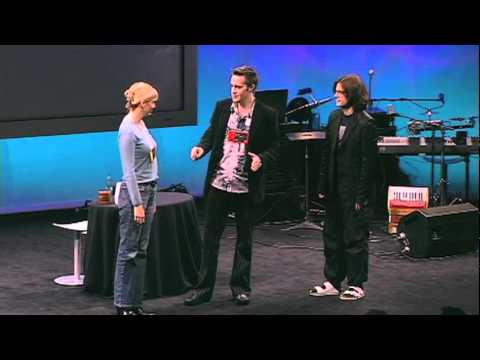
Ivan posted on 2013/10/02Ever wondered how mentalists do their thing? This video dives into the amazing world of mind reading and stage magic with Keith Barry, showing you how it's done! You'll pick up some cool advanced vocabulary and see how simple sentences can be used in exciting dialogues.
Learn this video on the APP!
The VoiceTube App has more in-depth practice for videos!