
amino
US /ə'miːnəʊ/
UK /ə'miːnəʊ/
- Noun
- Of some substances that form proteins
C2Moreanatomy
US /əˈnætəmi/
UK /əˈnætəmi/
- Uncountable Noun
- Scientific study of the structure of (human) body
B2Moreancestor
US /ˈænˌsɛstɚ/
UK /'ænsestə(r)/
- Noun
- A person from your family that lived in the past
B1Morearise
US /əˈraɪz/
UK /əˈraɪz/
- Intransitive Verb
- To stand up
- To result or happen due to a particular event
A2Morearticulation
US /ɑrˌtɪkjəˈleʃən/
UK /ɑ:ˌtɪkjʊ'leɪʃn/
- Noun
- Shaping the sounds of speech to communicate
B2Moreas well as
US /æz wɛl æz/
UK /æz wel æz/
- Adverb
- Also; in addition to
- Preposition
- In addition to; and also.
A1Moreas with
US /æz wɪð/
UK /æz wið/
- Preposition
- In the same way that something happens or is true of something else.
A1Morebiological
US /ˌbaɪəˈlɑdʒɪkəl/
UK /ˌbaɪəˈlɒdʒɪkl/
- Adjective
- Being related to life and living things
- A substance, such as a detergent, that contains enzymes.
B1Morecellular
US /ˈsɛljəlɚ/
UK /'seljələ(r)/
- Adjective
- Concerning a cell of a living thing
- (Of radio signals) functioning without wires
B2Morecheck out
US /tʃɛk aʊt/
UK /tʃek aut/
- Phrase
- Phrasal Verb
- To find out information about something
- To take books out of a library
A1Morechemical
US /ˈkɛmɪkəl/
UK /ˈkemɪkl/
- Noun (Countable/Uncountable)
- Basic substance produced by mixing elements
- The branch of science concerned with the substances of which matter is composed, the investigation of their properties and reactions, and the use of such reactions to form new substances.
- Adjective
- Made of various elements
A2Morecommon ancestor
US
UK
- Noun
- An ancestor that two or more species have in common and from which they both evolved.
B1Morecomplicate
US /ˈkɑ:mplɪkeɪt/
UK /ˈkɒmplɪkeɪt/
- Transitive Verb
- To make more difficult to do, understand or use
B1Morecooperate
US /koˈɑpəˌret/
UK /kəʊ'ɒpəreɪt/
- Verb (Transitive/Intransitive)
- To work together with, to assist someone
B1Morediagnosis
US /ˌdaɪəgˈnoʊsɪs/
UK /ˌdaɪəgˈnəʊsɪs/
- Noun (plural)
- Judgments by a doctor about a person's illness
- Noun
- The identification of a disease or condition.
B1Moredisease
US /dɪˈziz/
UK /dɪˈzi:z/
- Noun (Countable/Uncountable)
- Illness that affects a person, animal, or plant
- A disorder of structure or function in a plant, especially one caused by a pathogen.
- Transitive Verb
- To affect with disease; to corrupt or sicken.
A2TOEICMoredraw upon
US /drɔ əˈpɑn/
UK /drɔ: əˈpɔn/
- Phrasal Verb
- To use something that you have gradually gained or saved
B1Moreentire
US /ɛnˈtaɪr/
UK /ɪn'taɪə(r)/
- Adjective
- Complete or full; with no part left out; whole
- Undivided; not shared or distributed.
A2TOEICMorefall under
US
UK
- Phrasal Verb
- To be included in or classified as part of a specific category or jurisdiction.
A1Morefeel like
US
UK
- Intransitive Verb
- To have a desire or inclination for something.
- To have a particular quality or sensation; resemble.
A1Morefor example
US
UK
- Phrase
- As an illustration or instance.
from scratch
US /frʌm skrætʃ/
UK /frɔm skrætʃ/
- Phrase
- From the very beginning; from nothing.
- From the very beginning; using new materials rather than something that already exists.
A1Morefunction
US /ˈfʌŋkʃən/
UK /'fʌŋkʃn/
- Noun
- Social event, or party such as a wedding
- Mathematical operation used in calculations
- Intransitive Verb
- To serve a certain purpose or role
- To be operating, working or achieving its purpose
A2TOEICMorefungus
US /ˈfʌŋɡəs/
UK /ˈfʌŋgəs/
- Noun (Countable/Uncountable)
- Plant, e.g. mushroom/mold, growing in damp places
B2Moregenetic
US /dʒəˈnɛtɪk/
UK /dʒəˈnetɪk/
- Adjective
- Of, relating to, or controlled by genes
- Relating to genes or heredity.
B1Moregenetically
US /dʒə'netɪklɪ/
UK /dʒə'netɪklɪ/
- Adverb
- Caused or controlled, or by genes
- By means of genes or genetic engineering.
B1Morehuge
US /hjudʒ/
UK /hju:dʒ/
- Adjective
- Very very large
A2Moreimmune
US /ɪˈmjoon/
UK /ɪˈmju:n/
- Adjective
- Having a special protection from, e.g. the law
- Protected against a particular disease or condition because of antibodies or vaccination.
B1Moreinflammation
US /ˌɪnfləˈmeʃən/
UK /ˌɪnfləˈmeɪʃn/
- Noun (Countable/Uncountable)
- Painful swelling in the body due to illness
- A condition in which a part of the body becomes reddened, swollen, hot, and often painful, especially as a reaction to injury or infection.
B2Moreinteract
US /ˌɪntɚˈækt/
UK /ˌɪntər'ækt/
- Intransitive Verb
- To talk or do things with each other
A2Moreinteract with
US /ˌɪntɚˈækt wɪð/
UK /ˌɪntərˈækt wið/
- Phrase
- Verb (Transitive/Intransitive)
- To engage in communication or action involving mutual or reciprocal influence.
- To use a computer interface to achieve a specific goal.
A2Moreinterpret
US /ɪnˈtɚprɪt/
UK /ɪn'tɜ:prɪt/
- Verb (Transitive/Intransitive)
- To express so that others understand it
- To translate what is said into another language
A2TOEICMoreinvestigate
US /ɪnˈvɛstɪˌɡet/
UK /ɪn'vestɪɡeɪt/
- Verb (Transitive/Intransitive)
- To try to find out facts; to carry out research
A2Morelifespan
US /ˈlaɪfspæn/
UK /ˈlaɪfspæn/
- Noun
- Length of time something is expected to last
B2Morelive on
US /lɪv ɒn/
UK /lɪv ɒn/
- Phrasal Verb
- To continue to exist or be remembered.
- To eat a particular type of food as the main thing.
B2Morelook at
US /lʊk æt/
UK /luk æt/
- Phrasal Verb
- To use your eyes to focus on something
- To focus your eyes on something carefully
A1Morelook back
US /lʊk bæk/
UK /luk bæk/
- Phrasal Verb
- To think about past events
A1Moremake up
US /mek ʌp/
UK /meik ʌp/
- Phrasal Verb
- To invent or create a story
- To add up to
- Verb (Transitive/Intransitive)
- To invent a story, excuse, etc.
- To compensate for something lost, missed, or deficient.
A1Moremicroscopic
US /ˌmaɪkrəˈskɑ:pɪk/
UK /ˌmaɪkrəˈskɒpɪk/
- Adjective
- Too small to be seen with the eyes
- Relating to or involving the use of a microscope.
B1Moremitigate
US /ˈmɪtˌɪɡet/
UK /'mɪtɪɡeɪt/
- Transitive Verb
- To make less severe or serious
B2TOEICMoremultitude
US /ˈmʌltɪˌtud, -ˌtjud/
UK /ˈmʌltɪtju:d/
- Noun (Countable/Uncountable)
- Large number of people or things; crowd
B2TOEICMoreoff balance
US /ɔf ˈbæləns/
UK /ɔf ˈbæləns/
- Adjective
- In a state of being unsteady or unstable; lacking equilibrium.
- In a state of being disturbed or unsettled; lacking composure or emotional stability.
B2Moreon earth
US /ɑn ɚθ/
UK /ɔn ə:θ/
- Phrase
- Used to emphasize a question expressing surprise or anger.
- Used to emphasize that something is not possible or will not happen.
A1Moreoptical
US /ˈɑptɪkəl/
UK /ˈɒptɪkl/
- Adjective
- Concerning vision or helping people see
B1Moreorganism
US /ˈɔrɡəˌnɪzəm/
UK /'ɔ:ɡənɪzəm/
- Noun
- Living thing, often one that is small
- System with many parts that function as a whole
B2Moreout there
US /aʊt ðɛr/
UK /aut ðɛə/
- Adverb
- In or to a place that is far away
- Existing in the universe
- Adjective
- Unconventional; strange; avant-garde
- Existing or available.
A1Moreoutbreak
US /ˈaʊtˌbrek/
UK /ˈaʊtbreɪk/
- Noun (Countable/Uncountable)
- Sudden occurrence of illness, discontent etc.
- A sudden occurrence of something unwelcome, such as war or disease.
B2Morepathology
US /pæˈθɑlədʒi/
UK /pə'θɒlədʒɪ/
- Uncountable Noun
- Study of diseases and their effect on the body
C1Morepharmaceutical
US /ˌfɑ:rməˈsu:tɪkl/
UK /ˌfɑ:məˈsu:tɪkl/
- Adjective
- Concerning the science of drugs and medicines
B2Morepharmacy
US /ˈfɑ:rməsi/
UK /ˈfɑ:məsi/
- Countable Noun
- Shop where medicines are prepared and sold
B1Morephysiology
US /ˌfɪziˈɑ:lədʒi/
UK /ˌfɪziˈɒlədʒi/
- Uncountable Noun
- Ways in which the parts of a living thing operate
B2Morepopulation
US /ˌpɑpjəˈleʃən/
UK /ˌpɒpjuˈleɪʃn/
- Noun (Countable/Uncountable)
- Number of people who live in a country, area etc.
- A group of individuals of one species living in a particular area.
A2TOEICMoreprobe
US /prob/
UK /prəʊb/
- Transitive Verb
- To carefully examine an issue by asking questions
- To examine the inside of something using a tool
- Noun (Countable/Uncountable)
- A thorough or deep examination of a problem
- Device used to send information from outer space
B1Moreput together
US /pʊt təˈɡɛðɚ/
UK /put təˈɡeðə/
- Phrasal Verb
- To build or assemble something small, e.g. a toy
- To organize or arrange something.
A1Morequantum
US /ˈkwɑ:ntəm/
UK /ˈkwɒntəm/
- Noun (Countable/Uncountable)
- The smallest unit or amount of energy
B2Morerelate
US /rɪˈlet/
UK /rɪ'leɪt/
- Transitive Verb
- To demonstrate a logical relationship between
- To understand or sympathize with, e.g. a problem
A2TOEICMoreresearch
US /rɪˈsɚtʃ, ˈriˌsɚtʃ/
UK /rɪ'sɜ:tʃ/
- Verb (Transitive/Intransitive)
- To study in order to discover new ideas and facts
- To study the market relating to marketing products and services.
- Noun (Countable/Uncountable)
- Study done to discover new ideas and facts
- A particular area or topic of study.
A2TOEICMorescience
US /ˈsaɪəns/
UK /'saɪəns/
- Uncountable Noun
- Study of the physical world, based on facts
A2TOEICMorestructure
US /ˈstrʌk.tʃɚ/
UK /ˈstrʌk.tʃə/
- Noun (Countable/Uncountable)
- The way in which the parts of a system or object are arranged or organized, or a system arranged in this way
- A building or other man-made object.
- Transitive Verb
- To plan, organize, or arrange the parts of something
A2TOEICMoresubscribe
US /səbˈskraɪb/
UK /səb'skraɪb/
- Verb (Transitive/Intransitive)
- To regularly pay to receive a service
B1TOEICMoreswoop
US /swup/
UK /swu:p/
- Intransitive Verb
- To sweep through the air; to dive suddenly
B2Moretackle
US /ˈtækəl/
UK /'tækl/
- Transitive Verb
- To start working on a difficult problem
- To grab and throw a person to the ground
- Noun (Countable/Uncountable)
- Equipment used in fishing
- Arrangement of ropes and wheels used for lifting
B1TOEICMoretarget
US /ˈtɑrɡɪt/
UK /'tɑ:ɡɪt/
- Noun (Countable/Uncountable)
- A goal or amount you are trying to achieve
- Group you are trying to sell to or influence
- Transitive Verb
- To try to influence; direct a message toward
- (Army) to aim an attack at something
A2TOEICMoretransmit
US /trænsˈmɪt, trænz-/
UK /trænsˈmɪt/
- Transitive Verb
- To broadcast by using signals to a radio/TV
- To broadcast by using signals to a radio/TV
B1Moreuniverse
US /ˈjunəˌvɚs/
UK /ˈju:nɪvɜ:s/
- Noun (Countable/Uncountable)
- All of space that contains planets and stars
- Things surrounding a person, affecting their life
B2Moreused to
US /juzd tu/
UK /ˈju:st tə/
- Adjective
- Did regularly before, but don't do now
- Auxiliary Verb
- Have done before, but do not do now
A1Morework on
US /wɚk ɑn/
UK /wə:k ɔn/
- Phrasal Verb
- To devote effort to improve or develop something
- To try to persuade or influence someone.
A1Morework out
US /wɚk aʊt/
UK /wə:k aut/
- Phrasal Verb
- To find a way to do something, by thinking
A1Morework together
US /wɚk təˈɡɛðɚ/
UK /wə:k təˈɡeðə/
- Verb (Transitive/Intransitive)
- To collaborate or cooperate with others to achieve a common goal.
A1More
Vocabulary
- interact with
- used to: Did regularly before, but don't do now
- as well as: Also; in addition to
- work out
- for example: As an illustration or instance.
- look at: To use your eyes to focus on something
- on earth: Used to emphasize a question expressing surprise or anger.
- check out
- work on: To devote effort to improve or develop something
- make up: To invent or create a story
- work together: To collaborate or cooperate with others to achieve a common goal.
- from scratch: From the very beginning; from nothing.
- draw upon: To use something that you have gradually gained or saved
- as with: In the same way that something happens or is true of something else.
- common ancestor: An ancestor that two or more species have in common and from which they both evolved.
- live on: To continue to exist or be remembered.
- fall under: To be included in or classified as part of a specific category or jurisdiction.
- off balance: In a state of being unsteady or unstable; lacking equilibrium.
- out there: In or to a place that is far away
- look back: To think about past events
- feel like: To have a desire or inclination for something.
- put together: To build or assemble something small, e.g. a toy
- subscribe: To regularly pay to receive a service
- entire: Complete or full; with no part left out; whole
- immune: Having a special protection from, e.g. the law
- tackle: To start working on a difficult problem
- structure: The way in which the parts of a system or object are arranged or organized, or a system arranged in this way
- develop: To explain something in steps and in detail
- interact: To talk or do things with each other
- disease: Illness that affects a person, animal, or plant
- interpret: To express so that others understand it
- amount: Quantity of something
- environment: Natural world in which plants and animals live
- inflammation: Painful swelling in the body due to illness
- research: To study in order to discover new ideas and facts
- function: Social event, or party such as a wedding
- universe: All of space that contains planets and stars
- genetic: Of, relating to, or controlled by genes
- brain: To strike someone forcefully on the head
- ancestor: A person from your family that lived in the past
- population: Number of people who live in a country, area etc.
- huge: Very very large
- create: To make, cause, or bring into existence
- subject: The person, thing, or idea that is being discussed, described, or studied.
- outbreak: Sudden occurrence of illness, discontent etc.
- relate: To demonstrate a logical relationship between
- anatomy: Scientific study of the structure of (human) body
- investigate: To try to find out facts; to carry out research
- target: A goal or amount you are trying to achieve
- lifespan: Length of time something is expected to last
- organism: Living thing, often one that is small
- mitigate: To make less severe or serious
- complicate: To make more difficult to do, understand or use
- chemical: Basic substance produced by mixing elements
- biological: Being related to life and living things
- science: Study of the physical world, based on facts
- genetically: Caused or controlled, or by genes
- single: One run in cricket or a hit baseball
- arise: To stand up
- diagnosis: Judgments by a doctor about a person's illness
- fungus: Plant, e.g. mushroom/mold, growing in damp places
- system: Set of organized, planned ideas that work together
- information: Collection of facts and details about something
- articulation: Shaping the sounds of speech to communicate
- probe: To carefully examine an issue by asking questions
- microscopic: Too small to be seen with the eyes
- basic: At the most important or easiest (beginner) level
- quantum: The smallest unit or amount of energy
- optical: Concerning vision or helping people see
- transmit: To broadcast by using signals to a radio/TV
- pharmacy: Shop where medicines are prepared and sold
- neuroscience: Scientific study of the nervous system
- cellular: Concerning a cell of a living thing
- pharmaceutical: Concerning the science of drugs and medicines
- include: To make someone, something part of a group
- make: To arrange or prepare something e.g. dinner
- multitude: Large number of people or things; crowd
- wide: Having a great distance from one side to the other
- cooperate: To work together with, to assist someone
- physiology: Ways in which the parts of a living thing operate
- swoop: To sweep through the air; to dive suddenly
- life: All the living things e.g. animals, plants, humans
- amino: Of some substances that form proteins
- pathology: Study of diseases and their effect on the body
Get the full experience in the app
Learn anywhere with detailed sentence and usage analysis
01:03
She took a brave step forward, leaving behind her comfort zone to chase her dreams.
Vocabulary
- brave
adj. Having courage
- comfort zone
phr. A familiar situation where one feels safe
Explanation
a brave step is a noun phrase, where brave is an adjective modifying the noun step, meaning "a courageous step".
forward is an adverb modifying step, meaning "ahead".
The whole phrase serves as the object, answering the "what" of took (verb) — she took a brave step forward.
Get the full experience in the app
Look up words anytime with pronunciation, part of speech, and usage
brave
US/brev/
UK/breɪv/
adj.Brave
v.t.To bravely face
A2 Elementary
Get the full experience in the app
Practice speaking anytime and get instant pronunciation feedback
Try this speaking exercise.
Try practicing with this sentence.
80
0
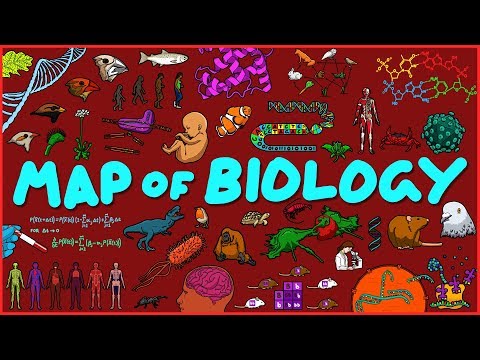
陳裕隆 posted on 2018/07/22Ever wondered how life's building blocks fit together? Dive into the "Map of Biology" to explore everything from cells to genetics, picking up tons of advanced vocabulary along the way! This video is packed with fascinating insights and complex sentence structures, making it a fantastic way to boost your scientific English.
Learn this video on the APP!
The VoiceTube App has more in-depth practice for videos!