physiology
US /ˌfɪziˈɑ:lədʒi/
・UK /ˌfɪziˈɒlədʒi/
B2
n. (u.)Uncountable NounWays in which the parts of a living thing operate
In her human physiology class she learned about how the different parts of a person's body work
Video subtitles
Why your voice is like a fingerprint

- The men have a more rapid change in the physiology of their voice box.
The men have a more rapid change in the physiology of their voice box.
- The men have a more rapid change in the physiology of their voice box.
The men have a more rapid change in the physiology of their voice box.
United States vs Canada | Medical School & Becoming a Doctor

- In the first two years, or preclinical or pre-clerkship years, you'll learn the foundational sciences of medicine like anatomy, physiology, and
In the first two years, or preclinical or pre-clerkship years, you'll learn the foundational sciences of medicine like anatomy, physiology, and
- In the first two years, or preclinical or pre-clerkship years, you'll learn the foundational sciences of medicine like anatomy, physiology, and
In the first two years, or preclinical or pre-clerkship years, you'll learn the foundational sciences of medicine like anatomy, physiology, and
3 doctors explain how to reframe your trauma, anxiety, and internal dialogue
- So when you stop the DJ and then change the dialogue to one that is nurturing, supportive of yourself, your physiology changes, and
So when you stop the DJ and then change the dialogue to one that is nurturing, supportive of yourself, your physiology changes, and
- So when you stop the DJ and then change the dialogue to one that is nurturing, supportive of yourself, your physiology changes, and then the manner in which you react or interact with other people becomes completely different.
So when you stop the DJ and then change the dialogue to one that is nurturing, supportive of yourself, your physiology changes, and then the manner in which you react or interact with other people becomes completely different.
科學驗證的 4個方法 ► 這樣做能提高自控力!暢銷書《自控力》作者 - Dr. Kelly McGonigal 凱莉.麥高尼格(中英字幕)

- And so these are two of the things you can do that actually train the physiology of your willpower.
And so these are two of the things you can do that actually train the physiology of your willpower.
- And so these are two of the things you can do that actually train the physiology of your willpower.
And so these are two of the things you can do that actually train the physiology of your willpower.
Why Do We Get Bored?
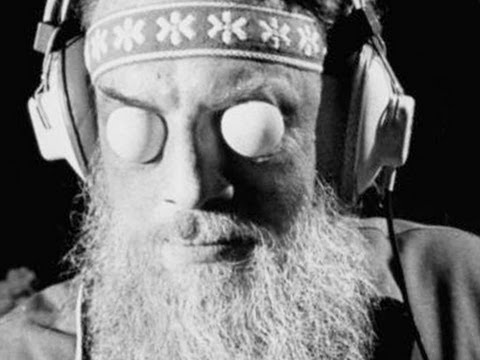
- But when it comes to feeling boredom frequently, the culprit may be one's own physiology.
But when it comes to feeling boredom frequently, the culprit may be one's own physiology.
- the culprit may be one's own physiology.
the culprit may be one's own physiology.
Why Does My Brain Sleep?
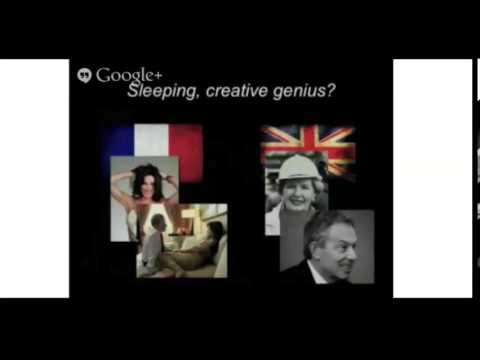
- In other words, what is it about the sleep that they're getting, the physiology of their sleep that seems to be promoting the restoration of memory?
In other words, what is it about the sleep that they're getting, the physiology of their sleep that seems to be promoting the restoration of memory?
- In other words, what is it about the sleep that they're getting, the physiology of their sleep that seems to be promoting the restoration of memory?
In other words, what is it about the sleep that they're getting, the physiology of their sleep that seems to be promoting the restoration of memory?
The science behind the 10-minute brain reset walk | Wendy Suzuki
- What you do with your body affects your brain, and what you think with your brain also has an effect on the physiology of your body.
What you do with your body affects your brain, and what you think with your brain also has an effect on the physiology of your body.
- and what you think with your brain also has an effect on the physiology of your body.
and what you think with your brain also has an effect on the physiology of your body.
How to Feel Energized & Sleep Better With One Morning Activity | Dr. Andrew Huberman
- This is grounded in the core of our physiology.
This is grounded in the core of our physiology.
- This is grounded in the core of our physiology.
This is grounded in the core of our physiology.
The SIMPLE Way To Make Your Body KILL BELLY FAT! | Dr Jason Fung

- One of the things people talked about was, you know, it's going to make you eat more later. It's going to make you more hungry. Your basal metabolic rate is going to go down. This was one of the big myths of intermittent fasting. That's going to cause the so-called starvation mode, right? And this is the idea that your basal metabolic rate will fall so low that when you do start to eat, you're going to gain weight again. So I said, well, let's think about this. You can do a study where you take somebody, say you for example, and you could fast them for four days and measure how many calories they're burning, their basal metabolic rate, on day zero before the fast and measure them four days into the fast and see how many calories you're burning. So on day zero, they say you're burning say 2,000 calories a day. On day four of zero food, you don't eat any food for four days. They measure how much calories you're burning. Your body is burning 2,200 calories. Your basal metabolic rate didn't go down. It went up. Your body is activating itself during fasting, which is fascinating because if you're trying to lose weight, dropping that basal metabolic rate is death. Like if you drop that metabolic rate, it's so hard to lose weight. That's what the calorie restricted diets did. That's what the low fat diets did, the eating all the time did. But when you actually fast, your metabolic rate went up. And we see this in study after study. And the reason is actually basic physiology. It's actually medical physiology like first year medical school stuff. When you don't eat, what happens in your body from a hormone standpoint is that your insulin is going to fall. You're going to allow your body to start using the calories that are in the body. At the same time, other hormones go up.
One of the things people talked about was, you know, it's going to make you eat more later. It's going to make you more hungry. Your basal metabolic rate is going to go down. This was one of the big myths of intermittent fasting. That's going to cause the so-called starvation mode, right? And this is the idea that your basal metabolic rate will fall so low that when you do start to eat, you're going to gain weight again. So I said, well, let's think about this. You can do a study where you take somebody, say you for example, and you could fast them for four days and measure how many calories they're burning, their basal metabolic rate, on day zero before the fast and measure them four days into the fast and see how many calories you're burning. So on day zero, they say you're burning say 2,000 calories a day. On day four of zero food, you don't eat any food for four days. They measure how much calories you're burning. Your body is burning 2,200 calories. Your basal metabolic rate didn't go down. It went up. Your body is activating itself during fasting, which is fascinating because if you're trying to lose weight, dropping that basal metabolic rate is death. Like if you drop that metabolic rate, it's so hard to lose weight. That's what the calorie restricted diets did. That's what the low fat diets did, the eating all the time did. But when you actually fast, your metabolic rate went up. And we see this in study after study. And the reason is actually basic physiology. It's actually medical physiology like first year medical school stuff. When you don't eat, what happens in your body from a hormone standpoint is that your insulin is going to fall. You're going to allow your body to start using the calories that are in the body. At the same time, other hormones go up.
- And the reason is actually basic physiology.
And the reason is actually basic physiology.
How to optimize your sleep habits for longevity
- And when you do Fortunately, there's an entire branch of medicine dedicated to sleep physiology there are actual physicians who specialize in this and We're certainly not afraid to use them when it's necessary There's also a field of behavioral therapy called cognitive behavioral therapy for insomnia That is an entire discipline that is dedicated towards the cognitive tools that you can use during periods of insomnia, so You know, we always get patients in our practice Who just have what can only be described as the most abjectly horrible sleep and I Just of all the problems we face This is the one that I tend to be most optimistic about our ability to help in a relatively short period of time And we have a whole AMA dedicated to sleep along with multiple Matt Walker episodes So I don't think we needed to get into insane detail because we will link it in the show notes But you mentioned a few of the behavioral tools.
And when you do Fortunately, there's an entire branch of medicine dedicated to sleep physiology there are actual physicians who specialize in this and We're certainly not afraid to use them when it's necessary There's also a field of behavioral therapy called cognitive behavioral therapy for insomnia That is an entire discipline that is dedicated towards the cognitive tools that you can use during periods of insomnia, so You know, we always get patients in our practice Who just have what can only be described as the most abjectly horrible sleep and I Just of all the problems we face This is the one that I tend to be most optimistic about our ability to help in a relatively short period of time And we have a whole AMA dedicated to sleep along with multiple Matt Walker episodes So I don't think we needed to get into insane detail because we will link it in the show notes But you mentioned a few of the behavioral tools.
- And when you do, fortunately, there's an entire branch of medicine dedicated to sleep physiology.
And when you do, fortunately, there's an entire branch of medicine dedicated to sleep physiology.