pharmaceutical
US /ˌfɑ:rməˈsu:tɪkl/
・UK /ˌfɑ:məˈsu:tɪkl/
B2
adj.AdjectiveConcerning the science of drugs and medicines
The librarian made a bold career move and began working for a pharmaceutical company
Video subtitles
Bereavement: How to Transform Grief & Depression Through Spiritual Healing
- and I would never suggest, with any pharmaceutical, that you just go throw it in the wastebasket.
and I would never suggest, with any pharmaceutical, that you just go throw it in the wastebasket.
- So if anybody is feeling with this conversation that is articulated not just by me but by others as well and do feel that they would like to move away from, uh, pharmaceutical treatment of their depression, obviously, you should only do this, uh, under the supervision of a doctor who tells you how best to do that.
So if anybody is feeling with this conversation that is articulated not just by me but by others as well and do feel that they would like to move away from, uh, pharmaceutical treatment of their depression, obviously, you should only do this, uh, under the supervision of a doctor who tells you how best to do that.
Democratic Presidential Debate - June 26 (Full) | NBC News

- We see that because consumer prices are being raised by pharmaceutical companies that often have monopolistic holds on drugs.
We see that because consumer prices are being raised by pharmaceutical companies that often have monopolistic holds on drugs.
- We see that because consumer prices are being raised by pharmaceutical companies that often have monopolistic holds on drugs.
We see that because consumer prices are being raised by pharmaceutical companies that often have monopolistic holds on drugs.
Bill Gates meets Aamir Khan

- which purchases medicines from all these various big companies, pharmaceutical companies.
which purchases medicines from all these various big companies, pharmaceutical companies.
How can you spot a TikTok wellness scam? - What in the World podcast, BBC World Service
- It's a dramatization of a wellness influencer who lied about having terminal brain cancer and she claimed that she had cured herself through alternative therapies. That got us thinking about the wellness industry. So on this episode we're gonna peer behind the curtain to find out what it's all about. Are terms like self-care and wellness just sexier ways of saying health? And are people using those terms to sell us things that we don't really need? We're gonna find out. Plus we're gonna tell you how you can identify online wellness scams. I'm William Lee Adams and this is What in the World from the BBC World Service. I'm in the studio with Jackie Wakefield. She's a reporter with our global disinformation unit. Jackie hi. Hey. So before we dive into online wellness scams, and there are a lot of them, I'm hoping we can look at the big picture. How big is the global wellness industry? So the global wellness industry is massive. It's bigger than the pharmaceutical industry. It's worth 6.3 trillion dollars worldwide and it's growing year-on-year with more and more people jumping on the trend trying to cash in. So I can picture what the profile of a fitness influencer might look like. Abs for days, spandex, exercise routines. But what does the profile of a wellness influencer look like? It's really tough because I think this changes year-on-year depending on the trends. But I think typically the profile is normally women, normally younger, normally looking quite thin, fit, have some form of aspirational life that followers might want to copy or get part of that magic that they seem to have.
It's a dramatization of a wellness influencer who lied about having terminal brain cancer and she claimed that she had cured herself through alternative therapies. That got us thinking about the wellness industry. So on this episode we're gonna peer behind the curtain to find out what it's all about. Are terms like self-care and wellness just sexier ways of saying health? And are people using those terms to sell us things that we don't really need? We're gonna find out. Plus we're gonna tell you how you can identify online wellness scams. I'm William Lee Adams and this is What in the World from the BBC World Service. I'm in the studio with Jackie Wakefield. She's a reporter with our global disinformation unit. Jackie hi. Hey. So before we dive into online wellness scams, and there are a lot of them, I'm hoping we can look at the big picture. How big is the global wellness industry? So the global wellness industry is massive. It's bigger than the pharmaceutical industry. It's worth 6.3 trillion dollars worldwide and it's growing year-on-year with more and more people jumping on the trend trying to cash in. So I can picture what the profile of a fitness influencer might look like. Abs for days, spandex, exercise routines. But what does the profile of a wellness influencer look like? It's really tough because I think this changes year-on-year depending on the trends. But I think typically the profile is normally women, normally younger, normally looking quite thin, fit, have some form of aspirational life that followers might want to copy or get part of that magic that they seem to have.
- So it's kind of easy to say like, oh drink more water or eat a more balanced meal, but a lot of people have kind of tried this before or are already doing it in their life, so it doesn't kind of seem like something you can really easily latch on to. Whereas when you say cut out all carbs, that's like a new thing that you can bring into your life that feels like you're really changing something. So trends tend to be something that's new, kind of strange sounding, and something that you can easily latch on to that people think may improve their life. Now we should point out that in terms of the wellness industry, not everything is a scam. As you said up top, it's a massive industry and there are indeed products that are backed by scientific evidence. My question for you is this though, where is the line? When does it become problematic? It's really tough to draw that line sometimes because you've got most of the trends that I see tend to be kind of in this middle area where they don't work, but they don't cost you money, so it's not really an issue if people want to try them. It may lead to something, it may make you happier in some way, but it kind of is this middle ground where, oh it is a lie, but at least there's no direct harm being caused. And then you have the next step, which is selling a product that may not have any harms, costs a lot of money, but also doesn't work. So that's actually ripping people off. Then you've got the next step where someone tries a wellness trend or believes in these products so much that they don't then seek mainstream medical care. That's really problematic because it delays treatment, it can delay prevention, which is really the most important point in medical care, and it can cause people to have a bit of distrust in mainstream medicine and think that this maybe natural solution that an influence is selling is better than a pharmaceutical or doctor recommended treatment. And then there's the last step where influencers recommend products or regimes that are actively harmful. So this is when they recommend disordered eating habits or a product that has a high concentration of some chemical or some, I don't know, byproducts that can actually cause harm. Now I think it's easy for people to watch this and say, oh how could people fall for these scams? But the fact is there are a lot of vulnerable people. Perhaps they have consulted a doctor, they haven't found a solution, and they sincerely want that solution. Do you think that plays in to this becoming so popular, this trend taking off? It's so easy to be swept up when you're seeing video after video after video from these beautiful influencers who've changed their lives and look at that and be like, wow, I want to feel like, I want my gut to be healthy, I want my hormones to be balanced. These terms are meaningless and gut health, for example, is so complex. An influencer on TikTok is not going to know how to solve it. We talked about aspiration, we talked about people seeking a solution. Are there any other reasons that these online trends go viral, that they're so effective for the influencer in promoting themselves? I think one thing that these viral trends tend to do really well for influencers is to be a successful influencer, you need to have a story, you need to have a character arc. These wellness trends are a really easy way to create a character arc for yourself. You could say, come with me on my journey to heal my cortisol levels. It's one of those things where, okay, well now I'm going to tune in and see if this influencer does heal their cortisol. Even if they're doing completely separate things. One trend that people may have seen is cortisol face, which is when there's just like a bit of fat in your face.
So it's kind of easy to say like, oh drink more water or eat a more balanced meal, but a lot of people have kind of tried this before or are already doing it in their life, so it doesn't kind of seem like something you can really easily latch on to. Whereas when you say cut out all carbs, that's like a new thing that you can bring into your life that feels like you're really changing something. So trends tend to be something that's new, kind of strange sounding, and something that you can easily latch on to that people think may improve their life. Now we should point out that in terms of the wellness industry, not everything is a scam. As you said up top, it's a massive industry and there are indeed products that are backed by scientific evidence. My question for you is this though, where is the line? When does it become problematic? It's really tough to draw that line sometimes because you've got most of the trends that I see tend to be kind of in this middle area where they don't work, but they don't cost you money, so it's not really an issue if people want to try them. It may lead to something, it may make you happier in some way, but it kind of is this middle ground where, oh it is a lie, but at least there's no direct harm being caused. And then you have the next step, which is selling a product that may not have any harms, costs a lot of money, but also doesn't work. So that's actually ripping people off. Then you've got the next step where someone tries a wellness trend or believes in these products so much that they don't then seek mainstream medical care. That's really problematic because it delays treatment, it can delay prevention, which is really the most important point in medical care, and it can cause people to have a bit of distrust in mainstream medicine and think that this maybe natural solution that an influence is selling is better than a pharmaceutical or doctor recommended treatment. And then there's the last step where influencers recommend products or regimes that are actively harmful. So this is when they recommend disordered eating habits or a product that has a high concentration of some chemical or some, I don't know, byproducts that can actually cause harm. Now I think it's easy for people to watch this and say, oh how could people fall for these scams? But the fact is there are a lot of vulnerable people. Perhaps they have consulted a doctor, they haven't found a solution, and they sincerely want that solution. Do you think that plays in to this becoming so popular, this trend taking off? It's so easy to be swept up when you're seeing video after video after video from these beautiful influencers who've changed their lives and look at that and be like, wow, I want to feel like, I want my gut to be healthy, I want my hormones to be balanced. These terms are meaningless and gut health, for example, is so complex. An influencer on TikTok is not going to know how to solve it. We talked about aspiration, we talked about people seeking a solution. Are there any other reasons that these online trends go viral, that they're so effective for the influencer in promoting themselves? I think one thing that these viral trends tend to do really well for influencers is to be a successful influencer, you need to have a story, you need to have a character arc. These wellness trends are a really easy way to create a character arc for yourself. You could say, come with me on my journey to heal my cortisol levels. It's one of those things where, okay, well now I'm going to tune in and see if this influencer does heal their cortisol. Even if they're doing completely separate things. One trend that people may have seen is cortisol face, which is when there's just like a bit of fat in your face.
The laboratory accident that saved 500 million lives | Derek Thompson
- There was push funding, so direct subsidies for pharmaceutical companies, but there was also what's called pull funding.
There was push funding, so direct subsidies for pharmaceutical companies, but there was also what's called pull funding.
- There was push funding, so direct subsidies for pharmaceutical companies, but there was also what's called pull funding.
There was push funding, so direct subsidies for pharmaceutical companies, but there was also what's called pull funding.
Potential breakthrough: New treatment for Alzheimer's

- so far we've just heard from the manufacturers, the pharmaceutical companies themselves, but
so far we've just heard from the manufacturers, the pharmaceutical companies themselves, but
- and so far we've just heard from the manufacturers, the pharmaceutical companies themselves, but
and so far we've just heard from the manufacturers, the pharmaceutical companies themselves, but
Boy with rare condition amazes doctors after world-first gene therapy | BBC News

- Unusually, there's no pharmaceutical company involved.
Unusually, there's no pharmaceutical company involved.
- Unusually, there's no pharmaceutical company involved.
Unusually, there's no pharmaceutical company involved.
Can We Trust The DSM-5?
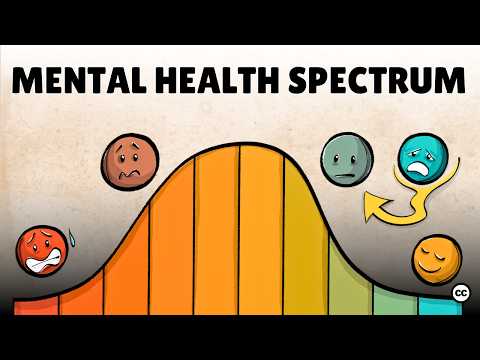
- A widely cited paper revealed that 69% of the doctors overseeing the DSM-5 had ties to pharmaceutical companies.
A widely cited paper revealed that 69% of the doctors overseeing the DSM-5 had ties to pharmaceutical companies.
- A widely cited paper revealed that 69% of the doctors overseeing the DSM-5 had ties to pharmaceutical companies.
A widely cited paper revealed that 69% of the doctors overseeing the DSM-5 had ties to pharmaceutical companies.
EU-China Summit: What's in it for both sides? | DW News
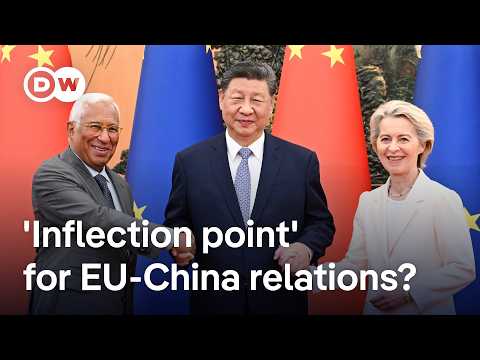
- This is especially true for the automotive and pharmaceutical industries, two important sectors for the European economy. Chinese companies are no longer allowed to participate in large tenders for medical supplies, and EU firms face similar restrictions in China.
This is especially true for the automotive and pharmaceutical industries, two important sectors for the European economy. Chinese companies are no longer allowed to participate in large tenders for medical supplies, and EU firms face similar restrictions in China.
- This is especially true for the automotive and pharmaceutical industries, two important sectors for the European economy.
This is especially true for the automotive and pharmaceutical industries, two important sectors for the European economy.
10 Scariest Moments in Recent World History
- And now we are seeing how consumer and pharmaceutical products will take a while to make a comeback in the U.S.
And now we are seeing how consumer and pharmaceutical products will take a while to make a comeback in the U.S.
- And now we are seeing how consumer and pharmaceutical products will take a while to make a comeback in the U.S.
And now we are seeing how consumer and pharmaceutical products will take a while to make a comeback in the U.S.