
acquire
US /əˈkwaɪr/
UK /ə'kwaɪə(r)/
- Transitive Verb
- To get or earn something by thinking or working
- To develop or learn a skill, habit, or quality.
A2TOEICMoreaffect
US /əˈfɛkt/
UK /ə'fekt/
- Transitive Verb
- To cause a change in something else
- To pretend to have or feel (something).
- Noun
- (Psychology) Emotion or feeling.
A2TOEICMoreappeal
US /əˈpil/
UK /ə'pi:l/
- Uncountable Noun
- Ability to attract interest, attention, or desire
- Verb (Transitive/Intransitive)
- To attract interest, attention, or desire
- To request a judge or others to change a decision
A2TOEICMorearbitrary
US /ˈɑrbɪˌtrɛri/
UK /ˈɑ:bitrəri/
- Adjective
- (Of decisions) unsupported; without any evidence
- Based on random choice or personal whim, rather than any reason or system.
B1TOEICMoreartery
US /ˈɑrtəri/
UK /ˈɑ:təri/
- Noun (Countable/Uncountable)
- Tubes that carry blood from the heart to the body
- Important road, rail or water way
B2Moreat home
US /æt hom/
UK /æt həum/
- Phrase
- In one's own residence or country.
- Adjective
- Feeling comfortable and relaxed.
attract
US /əˈtrækt/
UK /ə'trækt/
- Transitive Verb
- To make something move closer using magnetic force
- To make someone notice and become interested in
A2TOEICMorebeneficial
US /ˌbɛnəˈfɪʃəl/
UK /ˌbenɪˈfɪʃl/
- Adjective
- Giving an advantage, having a helpful effect
- Promoting or contributing to physical or mental well-being.
B1TOEICMorecereal
US /ˈsɪriəl/
UK /'sɪərɪəl/
- Noun (Countable/Uncountable)
- Breakfast food eaten with milk
- Grain that can be eaten
B1Morecholesterol
US /kəˈlestərɔ:l/
UK /kəˈlestərɒl/
- Uncountable Noun
- Substance in the body that may cause heart disease
- Noun
- A test to measure the amount of cholesterol in your blood.
B2Morecome along
US /kʌm əˈlɔŋ/
UK /kʌm əˈlɔŋ/
- Phrasal Verb
- To go with someone who takes the lead
- To make progress toward a goal
A1Moreconcern
US /kənˈsɚn/
UK /kənˈsɜ:n/
- Verb (Transitive/Intransitive)
- To be about a particular topic
- To have a direct impact on someone
- Noun (Countable/Uncountable)
- Company, firm or business
- Feeling of worry or anxiety
A2TOEICMorecoronary
US /ˈkɒrən(ə)ri/
UK /'kɒrənrɪ/
- Adjective
- Concerning the heart
B2Moredeal to
US /dil tə/
UK /di:l tə/
- other
- To give or inflict something, often harm or punishment.
C1Moredemonstrate
US /ˈdɛmənˌstret/
UK /'demənstreɪt/
- Verb (Transitive/Intransitive)
- To display a feeling or ability openly
- To protest about something often as a group
A2TOEICMoredevelopment
US /dɪˈvɛləpmənt/
UK /dɪ'veləpmənt/
- Noun (Countable/Uncountable)
- Act or process of growing bigger or more advanced
- A new event related to a previous event
A2TOEICMorediagnose
US /ˌdaɪəgˈnoʊs/
UK /ˈdaɪəgnəʊz/
- Transitive Verb
- To determine the cause of an illness or problem
B1Morediet
US /ˈdaɪɪt/
UK /'daɪət/
- Intransitive Verb
- To eat special or less food, as to lose weight
- Noun (Countable/Uncountable)
- Plan of eating to reduce weight or improve health
- The usual food and drink consumed by an organism (person or animal)
A2TOEICMorediminish
US /dɪˈmɪnɪʃ/
UK /dɪˈmɪnɪʃ/
- Verb (Transitive/Intransitive)
- To make something smaller or less important
- To imply someone's reputation is less good
B1Moredisease
US /dɪˈziz/
UK /dɪˈzi:z/
- Noun (Countable/Uncountable)
- Illness that affects a person, animal, or plant
- A disorder of structure or function in a plant, especially one caused by a pathogen.
- Transitive Verb
- To affect with disease; to corrupt or sicken.
A2TOEICMoredue to
US /du tu/
UK /dju: tu:/
- Preposition
- Because of; owing to
- Adjective
- Attributable to; caused by.
A1Moreestablish
US /ɪˈstæblɪʃ/
UK /ɪˈstæblɪʃ/
- Transitive Verb
- To set or create something to last for a long time
- To use facts, evidence to show truth or clarity
A2TOEICMoreexcept for
US /ɪkˈsɛpt fɔr/
UK /ikˈsept fɔ:/
- Preposition
- Not including; excluding.
exercise
US /ˈɛksɚˌsaɪz/
UK /'eksəsaɪz/
- Verb (Transitive/Intransitive)
- To work out to become stronger and healthier
- To retain your ability or practice your skills
- Noun (Countable/Uncountable)
- Physical activity to increase health and strength
- Set of questions in a text book
A2Morefeel like
US
UK
- Intransitive Verb
- To have a desire or inclination for something.
- To have a particular quality or sensation; resemble.
A1Morefever
US /ˈfivɚ/
UK /'fi:və(r)/
- Noun (Countable/Uncountable)
- A high body temperature, indicating illness
- State of excited emotion or activity
- Transitive Verb
- To cause to have a fever.
B1Morefound out
US
UK
- Phrasal Verb
- To learn or discover something, often after some effort.
- To become known; be revealed.
B2Morefret
US /frɛt/
UK /fret/
- Intransitive Verb
- To worry about something in a nervous way
B2TOEICMorego on
US /ɡo ɑn/
UK /ɡəu ɔn/
- Phrasal Verb
- To continue doing something
- To happen (usually negative)
- Interjection
- Used to encourage someone
A1Moregradually
US /ˈɡrædʒʊəlɪ/
UK /ˈgrædʒuəli/
- Adverb
- Occurring in a slow manner over a period of time
- Little by little; in a slow and progressive manner.
B1TOEICMorehave to
US /hæv tu/
UK /ˈhæv tə/
- Auxiliary Verb
- Must do
A1Moreimplement
US /ˈɪmpləmənt/
UK /ˈɪmplɪment/
- Transitive Verb
- To start to do something you plan to do
- Noun (Countable/Uncountable)
- A tool
B1TOEICMorein other words
US
UK
- Phrase
- Stating something in a different way, often to make it clearer or more understandable.
in practice
US /ɪn ˈpræktɪs/
UK /in ˈpræktis/
- Phrase
- In reality or actual use; as opposed to in theory.
A1Morein the world
US /ɪn ði wɜrld/
UK /in ðə wɜː(r)ld/
- Phrase
- Used to emphasize a question expressing surprise, confusion, or disbelief.
- Used to indicate the extent or degree of something, often in a superlative sense.
A1Moreindividual
US /ˌɪndəˈvɪdʒuəl/
UK /ˌɪndɪˈvɪdʒuəl/
- Countable Noun
- Single person, looked at separately from others
- A single thing or item, especially when part of a set or group.
- Adjective
- Made for use by one single person
- Having a distinct manner different from others
A2Moreintake
US /ˈɪnˌtek/
UK /ˈɪnteɪk/
- Noun (Countable/Uncountable)
- Amount of something that a person's body consumes
- Act of consuming something
B1Morekeep away from
US /kip əˈwe frʌm/
UK /ki:p əˈwei frɔm/
- Phrasal Verb
- To avoid someone or something; to maintain a distance.
A2Moreknow about
US /noʊ əˈbaʊt/
UK /nəʊ əˈbaut/
- Phrasal Verb
- To have information or understanding of a subject or situation.
lawn
US /lɔn/
UK /lɔ:n/
- Noun (Countable/Uncountable)
- Fine cotton cloth, either plain or printed
- Ground on which grass grows, as in a garden
B1Moremow
US /maʊ/
UK /məʊ/
- Transitive Verb
- To cut grass with a blade or mower
B2Morenap
US /næp/
UK /næp/
- Intransitive Verb
- To sleep or rest for a short time during the day
- Noun (Countable/Uncountable)
- Brief period of sleep or rest during the day
B2Morenutrition
US /nuˈtrɪʃən, nju-/
UK /njuˈtrɪʃn/
- Uncountable Noun
- Scientific study of the effects of foods on health
- Food and other things you eat or drink
B1Moreof age
US /əv eɪdʒ/
UK /əv eɪdʒ/
- other
- Having reached the legal age of adulthood.
A2Moreof course
US /ʌv kɔː(r)s/
UK /ɔv kɔː(r)s/
- Adverb
- Sure ; Certainly
- Phrase
- For sure; certainly
A2Moreopen-heart surgery
US
UK
- Noun
- Surgery performed on the opened heart, usually involving a heart-lung bypass machine.
B2Moreper cent
US /pɚ sɛnt/
UK /pə: sent/
- Adverb
- Out of every 100; a proportion multiplied by 100
- Noun
- A fraction expressed as a proportion of 100
practice
US /ˈpræktɪs/
UK /'præktɪs/
- Noun
- The office and place for legal or medical work
- Doing something many times to become better at it
- Verb (Transitive/Intransitive)
- To work as a doctor or lawyer
- To live according to the teachings of a religion
A2TOEICMorepreserve
US /prɪˈzɜ:rv/
UK /prɪˈzɜ:v/
- Transitive Verb
- To cook food so it can be kept for long periods
- To protect something from harm, loss or damage
- Noun (Countable/Uncountable)
- Sweet fruit spread; jam
- Protected area of land with plants and animals
B1TOEICMoreprune
US /prun/
UK /pru:n/
- Countable Noun
- A dried plum
- Transitive Verb
- To cut off branches of trees to aid better growth
B2TOEICMorequit
US /kwɪt/
UK /kwɪt/
- Verb (Transitive/Intransitive)
- To leave a job
- To leave a place
- Intransitive Verb
- To leave a school etc. without finishing
B1Morereduce
US /rɪˈdus, -ˈdjus/
UK /rɪ'dju:s/
- Verb (Transitive/Intransitive)
- To try to decrease, e.g. your weight if overweight
- To boil a liquid until it has decreased in amount
A2TOEICMoresaturate
US /ˈsætʃəˌret/
UK /ˈsætʃəreɪt/
- Transitive Verb
- To cause a liquid to not be able to absorb more
- To try to fill up e.g. a market
B2Moresensitive
US /ˈsɛnsɪtɪv/
UK /'sensətɪv/
- Adjective
- Taking offense easily; easily upset or hurt
- (Private information) needing careful treatment
A2TOEICMorespecialty
US /ˈspɛʃəlti/
UK /ˈspeʃəlti/
- Noun
- Skill or a dish that a person, business is good at
- The specific area of your field
- Adjective
- Having a particular role or function
B1TOEICMoresurgeon
US /ˈsɜrdʒən/
UK /'sɜ:dʒən/
- Countable Noun
- A doctor who performs surgery
B2Moresurgery
US /ˈsɚdʒəri/
UK /'sɜ:dʒərɪ/
- Noun (Countable/Uncountable)
- Medical operation involving cutting into body
- A doctor's office; health clinic
B1Moretalking about
US
UK
- Phrasal Verb
- To discuss a particular topic.
- To be constantly mentioning or bringing up a subject.
A1Morevegan
US /ˈviɡən, ˈvɛdʒən/
UK /ˈvi:gən/
- Noun
- Vegetarian who eats no animal or dairy products
C1Morevegetarian
US /ˌvɛdʒɪˈtɛriən/
UK /ˌvedʒə'teərɪən/
- Adjective
- Being made from vegetables and not having any meat
- Noun (Countable/Uncountable)
- Person who does not eat meat from animals or fish
B2TOEICMoreway to go
US /we tu ɡo/
UK /wei tu: ɡəu/
- Interjection
- An expression of encouragement or approval.
- An expression of sarcasm after someone has made a mistake.
A1More
Vocabulary
- of course: Sure ; Certainly
- open-heart surgery: Surgery performed on the opened heart, usually involving a heart-lung bypass machine.
- have to: Must do
- due to: Because of; owing to
- of age: Having reached the legal age of adulthood.
- come along: To go with someone who takes the lead
- feel like: To have a desire or inclination for something.
- at home: In one's own residence or country.
- found out: To learn or discover something, often after some effort.
- way to go: An expression of encouragement or approval.
- in practice: In reality or actual use; as opposed to in theory.
- keep away from: To avoid someone or something; to maintain a distance.
- except for: Not including; excluding.
- deal to: To give or inflict something, often harm or punishment.
- know about: To have information or understanding of a subject or situation.
- in other words: Stating something in a different way, often to make it clearer or more understandable.
- talking about: To discuss a particular topic.
- per cent: Out of every 100; a proportion multiplied by 100
- in the world: Used to emphasize a question expressing surprise, confusion, or disbelief.
- go on: To continue doing something
- individual: Single person, looked at separately from others
- demonstrate: To display a feeling or ability openly
- practice: The office and place for legal or medical work
- arbitrary: (Of decisions) unsupported; without any evidence
- acquire: To get or earn something by thinking or working
- develop: To explain something in steps and in detail
- cholesterol: Substance in the body that may cause heart disease
- disease: Illness that affects a person, animal, or plant
- amount: Quantity of something
- implement: To start to do something you plan to do
- establish: To set or create something to last for a long time
- affect: To cause a change in something else
- concern: To be about a particular topic
- exercise: To work out to become stronger and healthier
- sensitive: Taking offense easily; easily upset or hurt
- gradually: Occurring in a slow manner over a period of time
- appeal: Ability to attract interest, attention, or desire
- preserve: To cook food so it can be kept for long periods
- diminish: To make something smaller or less important
- form: Sports team or person's current winning record
- due: When something is required or expected
- surgery: Medical operation involving cutting into body
- intake: Amount of something that a person's body consumes
- nutrition: Scientific study of the effects of foods on health
- diet: To eat special or less food, as to lose weight
- reduce: To try to decrease, e.g. your weight if overweight
- development: Act or process of growing bigger or more advanced
- diagnose: To determine the cause of an illness or problem
- cereal: Breakfast food eaten with milk
- vegan: Vegetarian who eats no animal or dairy products
- beneficial: Giving an advantage, having a helpful effect
- attract: To make something move closer using magnetic force
- artery: Tubes that carry blood from the heart to the body
- fever: A high body temperature, indicating illness
- lot: What happens to a person in life from chance; fate
- specialty: Skill or a dish that a person, business is good at
- lawn: Fine cotton cloth, either plain or printed
- surgeon: A doctor who performs surgery
- person: Man, woman or child
- question: To ask for or try to get information
- quit: To leave a job
- change: To exchange one set of clothes for another
- fret: To worry about something in a nervous way
- nap: To sleep or rest for a short time during the day
- vegetarian: Being made from vegetables and not having any meat
- healthy: In good condition physically, or financially; well
- esophagus: The passage between the pharynx and the stomach
- life: All the living things e.g. animals, plants, humans
- country: An area of land that is controlled by a government
- saturate: To cause a liquid to not be able to absorb more
- heart: A feeling of care for others; compassion
- coronary: Concerning the heart
- prune: A dried plum
- age: To keep food, wine for a long time to improve it
- people: Persons sharing culture, country, background, etc.
- mow: To cut grass with a blade or mower
Get the full experience in the app
Learn anywhere with detailed sentence and usage analysis
01:03
She took a brave step forward, leaving behind her comfort zone to chase her dreams.
Vocabulary
- brave
adj. Having courage
- comfort zone
phr. A familiar situation where one feels safe
Explanation
a brave step is a noun phrase, where brave is an adjective modifying the noun step, meaning "a courageous step".
forward is an adverb modifying step, meaning "ahead".
The whole phrase serves as the object, answering the "what" of took (verb) — she took a brave step forward.
Get the full experience in the app
Look up words anytime with pronunciation, part of speech, and usage
brave
US/brev/
UK/breɪv/
adj.Brave
v.t.To bravely face
A2 Elementary
Get the full experience in the app
Practice speaking anytime and get instant pronunciation feedback
Try this speaking exercise.
Try practicing with this sentence.
80
0
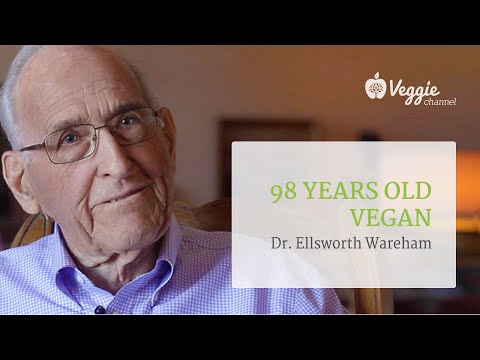
羊奶 posted on 2018/04/03Ever wondered about the secrets to a long and healthy life? Check out this inspiring interview with Dr. Ellsworth Wareham, a 98-year-old cardiothoracic surgeon who swears by a low-fat vegan diet! You'll pick up practical nutrition tips and advanced vocabulary related to heart health and longevity.
Learn this video on the APP!
The VoiceTube App has more in-depth practice for videos!