prune
US /prun/
・UK /pru:n/
B2TOEIC
n. (c.)Countable NounA dried plum
Put a prune in water to soften it
v.t.Transitive VerbTo cut off branches of trees to aid better growth
I will prune the dead limbs off this tree
Video subtitles
HOUSEPLANT CARE TIPS FOR BEGINNERS » + printable guide

- They like it when the water is at room temperature So we all know that house plants need soil and good light and some water in order to thrive But one thing that can commonly be missed is the fertilizer which is the plant's food and every plant is different But in the spring and summer usually they need to be fed every two to four weeks I usually do it every two weeks, but in the winter it's in its rest period So usually they don't need any feeding at all during that time I just use this universal liquid variety that works on all of our house plants Some plants work well in the Sun some work well in the shade But regardless all of them need some source of natural light now in the darker winter months You might need to move your plants towards a light source But generally speaking plants don't like to be moved they get accustomed to the environment that they're in so move your plants if you have to But otherwise just let them be The Other consideration with plants is the temperature you want to make sure you keep it within a range that it's comfortable at keep in mind That plants in front of windows see pretty varying temperatures depending on the weather outside As well as plants that are by air conditioning units or radiators now if you find this all really Overwhelming to keep track of we actually created a free PDF for you that might help out a little bit in addition to some tips There's a page that you can use to Document the needs of each of your plants that you can then later refer to in case you've forgotten And there's also a plant watering tracker so to get your PDF check out the link in the description box below Insects and bugs love dead and decaying foliage So be sure to remove any rotting or dying leaves that are just sitting on top of the soil and whenever I see leaves that Are visibly about to die I just prune the plant by cutting these off so they don't steal essential nutrients from the leaves that are continuing to thrive While you're watering your plants just take a quick second to inspect the leaves to see if there's any signs of any insects or bugs And if there are you want to deal with these right away?
They like it when the water is at room temperature So we all know that house plants need soil and good light and some water in order to thrive But one thing that can commonly be missed is the fertilizer which is the plant's food and every plant is different But in the spring and summer usually they need to be fed every two to four weeks I usually do it every two weeks, but in the winter it's in its rest period So usually they don't need any feeding at all during that time I just use this universal liquid variety that works on all of our house plants Some plants work well in the Sun some work well in the shade But regardless all of them need some source of natural light now in the darker winter months You might need to move your plants towards a light source But generally speaking plants don't like to be moved they get accustomed to the environment that they're in so move your plants if you have to But otherwise just let them be The Other consideration with plants is the temperature you want to make sure you keep it within a range that it's comfortable at keep in mind That plants in front of windows see pretty varying temperatures depending on the weather outside As well as plants that are by air conditioning units or radiators now if you find this all really Overwhelming to keep track of we actually created a free PDF for you that might help out a little bit in addition to some tips There's a page that you can use to Document the needs of each of your plants that you can then later refer to in case you've forgotten And there's also a plant watering tracker so to get your PDF check out the link in the description box below Insects and bugs love dead and decaying foliage So be sure to remove any rotting or dying leaves that are just sitting on top of the soil and whenever I see leaves that Are visibly about to die I just prune the plant by cutting these off so they don't steal essential nutrients from the leaves that are continuing to thrive While you're watering your plants just take a quick second to inspect the leaves to see if there's any signs of any insects or bugs And if there are you want to deal with these right away?
- And whenever I see leaves that are visibly about to die, I just prune the plant by cutting these off so they don't steal essential nutrients from the leaves that are continuing to thrive.
And whenever I see leaves that are visibly about to die, I just prune the plant by cutting these off so they don't steal essential nutrients from the leaves that are continuing to thrive.
為什麼3歲前的陪伴,會影響孩子的一生? ► 聽聽精神分析師怎麼說 - Erica Komisar 艾瑞卡・柯米薩(中英字幕)

- Now adolescence comes, nine to twenty-five, and now you have to prune back the garden.
Now adolescence comes, nine to twenty-five, and now you have to prune back the garden.
- Because if you don't prune back the cells you don't need, it's as damaging to the brain as if you didn't grow them to begin with.
Because if you don't prune back the cells you don't need, it's as damaging to the brain as if you didn't grow them to begin with.
柳丁擱來亂 - 點心大進擊(Snack Attack)[中文字幕Chinese(CC)]
![柳丁擱來亂 - 點心大進擊(Snack Attack)[中文字幕Chinese(CC)]](https://img.youtube.com/vi/WFvmgh8Mofk/hqdefault.jpg)
- Prune juice.
Prune juice.
- But sadly, no one ever picks me, Prune Juice.
But sadly, no one ever picks me, Prune Juice.
How Your Memory Works

- In certain stages of sleep, we trim and prune connections between cells and erase unneeded memory circuits.
In certain stages of sleep, we trim and prune connections between cells and erase unneeded memory circuits.
- In certain stages of sleep, we trim and prune connections between cells and erase unneeded memory circuits.
In certain stages of sleep, we trim and prune connections between cells and erase unneeded memory circuits.
Marcus Aurelius - How to Build Self-Discipline

- and they nurture the positive thoughts and prune away the negative ones through awareness and proactive action.
and they nurture the positive thoughts and prune away the negative ones through awareness and proactive action.
- They pay attention to everything that grows inside of it, and they nurture the positive thoughts and prune away the negative ones through awareness and proactive action.
They pay attention to everything that grows inside of it, and they nurture the positive thoughts and prune away the negative ones through awareness and proactive action.
Houseplant Trends 2021: Most Tempermental: The Polka Dot Plant (Hypoestes Phyllostachya) Care + Tips

- The first is either prune back this legginess or you could use this stem to propagate a whole new plant and that's what I'm going to do right now.
The first is either prune back this legginess or you could use this stem to propagate a whole new plant and that's what I'm going to do right now.
- So if you do get some legginess of course you can go ahead and prune and discard that portion or you can use it to propagate and get another plant.
So if you do get some legginess of course you can go ahead and prune and discard that portion or you can use it to propagate and get another plant.
Annoying Orange Roasts Everybody for 10 Minutes Straight!

- Don't mind him, he's a prude prune.
Don't mind him, he's a prude prune.
- Right, prune-goon?
Right, prune-goon?
How Do I Prune Raspberries?

- And today, we're going to talk about pruning raspberries. Now, the proper time to prune
And today, we're going to talk about pruning raspberries. Now, the proper time to prune
- Now, the proper time to prune raspberries is really any time after they go dormant, so this can happen any time from November right through March.
Now, the proper time to prune raspberries is really any time after they go dormant, so this can happen any time from November right through March.
Gardens Through History | Episode 3: Eltham Palace Gardens

- So the other technique to use is to prune out the stem.
So the other technique to use is to prune out the stem.
- If you prune these correctly in February, March,
If you prune these correctly in February, March,
Pruning Apple Trees
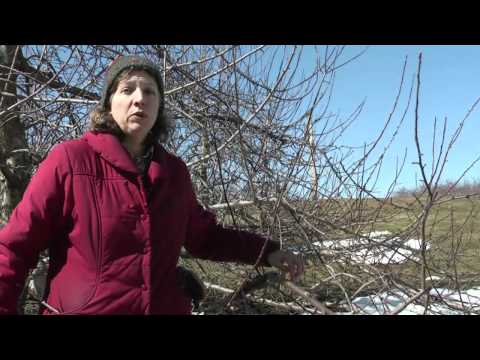
- You want to prune your fruit trees between January and before growth starts in spring,
You want to prune your fruit trees between January and before growth starts in spring,
- want to prune your fruit trees between January and before growth starts in spring. We're
want to prune your fruit trees between January and before growth starts in spring. We're