
account for
US /əˈkaʊnt fɔr/
UK /əˈkaunt fɔ:/
- Phrasal Verb
- To explain the cause or reason for something
- To form a particular amount or part of something.
- Verb (Transitive/Intransitive)
- To supply a reason or explanation for something.
- To form a particular amount or proportion of something.
A1Moreafter all
US /ˈæftɚ ɔl/
UK /ˈɑ:ftə ɔ:l/
- Adverb
- In spite of what was expected; used to introduce a statement that supports a previous statement or explains why it was made
- Considering everything; used to indicate that something is happening or is true despite some difficulty or obstacle
- Phrase
- Despite what was expected or thought; in spite of everything.
- Taking everything into consideration; considering that.
B1Morealong with
US /əˈlɔŋ wɪð/
UK /əˈlɔŋ wið/
- Preposition
- In addition to; together with.
- Adverb
- In company or together with someone or something.
- Including; in addition to.
A2Moreanswer to
US
UK
- Phrasal Verb
- To be responsible to someone and have to explain your actions to them.
- To correspond to or match a description or requirement.
A1Moreapplause
US /əˈplɔz/
UK /ə'plɔ:z/
- Noun (Countable/Uncountable)
- The sound made by clapping a performance or speech
B1Moreas long as
US /æz lɔŋ æz/
UK /æz lɔŋ æz/
- Conjunction
- For the period that; provided that.
- For the length of time that
- Preposition
- On the condition that; providing that.
- Having the same length as.
A1Moreat least
US /æt list/
UK /æt li:st/
- Adverb
- As a minimum
- Not less than
- Phrase
- No less than; at the minimum
- Used to indicate that something is positive in a bad situation.
C2Moreat the same time
US
UK
- Phrase
- Simultaneously; at the identical moment.
- Nevertheless; however; used to introduce a contrasting or qualifying statement.
A1Morebiological
US /ˌbaɪəˈlɑdʒɪkəl/
UK /ˌbaɪəˈlɒdʒɪkl/
- Adjective
- Being related to life and living things
- A substance, such as a detergent, that contains enzymes.
B1Morecall on
US /kɔl ɑn/
UK /kɔ:l ɔn/
- Phrasal Verb
- To order or ask someone to do a specific activity
- To visit someone
A1Morecohesion
US /koˈhiʒən/
UK /kəʊˈhi:ʒn/
- Uncountable Noun
- State of being logical and well-organized
B1Morecome back
US /kʌm bæk/
UK /kʌm bæk/
- Phrasal Verb
- To reply to someone, often forcefully
- To be remembered
A1Moreconstantly
US /ˈkɑnstəntlɪ/
UK /ˈkɒnstəntli/
- Adverb
- Frequently, or without pause
- In a way that is unchanging or faithful
B1Morecontact
US /ˈkɑnˌtækt/
UK /'kɒntækt/
- Adjective
- Touching or feeling something
- Noun (Countable/Uncountable)
- Touching or feeling something
- Object that allows electricity to run through it
A2Moredatum
US /ˈdetəm, ˈdætəm, ˈdɑtəm/
UK /ˈdeɪtəm/
- Noun
- Item of factual information
B1Moredementia
US /dɪˈmɛnʃə/
UK /dɪˈmenʃə/
- Uncountable Noun
- Illness characterized by loss of memory
B2Morediet
US /ˈdaɪɪt/
UK /'daɪət/
- Intransitive Verb
- To eat special or less food, as to lose weight
- Noun (Countable/Uncountable)
- Plan of eating to reduce weight or improve health
- The usual food and drink consumed by an organism (person or animal)
A2TOEICMoredisease
US /dɪˈziz/
UK /dɪˈzi:z/
- Noun (Countable/Uncountable)
- Illness that affects a person, animal, or plant
- A disorder of structure or function in a plant, especially one caused by a pathogen.
- Transitive Verb
- To affect with disease; to corrupt or sicken.
A2TOEICMoredistribute
US /dɪˈstrɪbjut/
UK /dɪˈstrɪbju:t/
- Transitive Verb
- To hand out or give to people
- To send products to stores to sell
A2Moredropping by
US
UK
- Phrasal Verb
- To visit someone or some place for a short time
A1Moreengage
US /ɪn'gedʒ/
UK /ɪn'ɡeɪdʒ/
- Transitive Verb
- To start to fight with an enemy
- To hire someone for a task or job
A2TOEICMoreexercise
US /ˈɛksɚˌsaɪz/
UK /'eksəsaɪz/
- Verb (Transitive/Intransitive)
- To work out to become stronger and healthier
- To retain your ability or practice your skills
- Noun (Countable/Uncountable)
- Physical activity to increase health and strength
- Set of questions in a text book
A2Moreface to face
US /fes tu fes/
UK /feis tu: feis/
- Adverb
- (Meeting) while looking at someone
A1Moreflu
US /flu/
UK /flu:/
- Noun (Countable/Uncountable)
- Illness causing headache, fever etc.
- A specific instance or bout of influenza.
B2Morefor example
US
UK
- Phrase
- As an illustration or instance.
have to
US /hæv tu/
UK /ˈhæv tə/
- Auxiliary Verb
- Must do
A1Morehypertension
US /ˌhaɪpərˈtenʃn/
UK /ˌhaɪpəˈtenʃn/
- Uncountable Noun
- Condition marked by abnormally high blood pressure
B2Morein a series
US
UK
- Phrase
- Arranged or happening one after another.
- Occurring sequentially or in a specific order.
B1Morein person
US /ɪn ˈpɜːrsn/
UK /in ˈpɜːsn/
- Adverb
- Physically present; not by proxy or remotely.
- Face-to-face; not through electronic communication.
A1Morein summary
US /ɪn ˈsʌməri/
UK /in ˈsʌməri/
- Phrase
- Briefly stating or reviewing main points.
B2Morein the world
US /ɪn ði wɜrld/
UK /in ðə wɜː(r)ld/
- Phrase
- Used to emphasize a question expressing surprise, confusion, disbelief
- Used to indicate the extent or degree of something, often in a superlative sense
A1Moreinteract
US /ˌɪntɚˈækt/
UK /ˌɪntər'ækt/
- Intransitive Verb
- To talk or do things with each other
A2Moreinteract with
US /ˌɪntɚˈækt wɪð/
UK /ˌɪntərˈækt wið/
- Phrase
- Verb (Transitive/Intransitive)
- To engage in communication or action involving mutual or reciprocal influence.
- To use a computer interface to achieve a specific goal.
A2Moreinteraction
US /ˌɪntɚˈækʃən/
UK /ˌɪntər'ækʃn/
- Noun (Countable/Uncountable)
- Process of people or things affecting each other
- The activity of talking to other people, working together etc
A2Moreintersect
US /ˌɪntɚˈsɛkt/
UK /ˌɪntə'sekt/
- Verb (Transitive/Intransitive)
- To divide something by crossing it
B2Morelean
US /lin/
UK /li:n/
- Verb (Transitive/Intransitive)
- To balance against or on something for support
- To have a tendency to do something; favor
- Adjective
- Having a low fat content
- Efficient; well-designed with no waste
A2Morelean on
US /lin ɑn/
UK /li:n ɔn/
- Phrasal Verb
- To depend on someone for support or help.
- To put pressure on someone, often through intimidation.
left standing
US
UK
- Adjective
- Remaining erect or in existence after others have fallen or been removed.
- Unresolved or not dealt with.
A2Morelifestyle
US /ˈlaɪfˌstaɪl/
UK /ˈlaɪfstaɪl/
- Noun
- The type of life that you have; the way you live
B1TOEICMorelongevity
US /lɑnˈdʒɛvɪti, lɔn-/
UK /lɒn'dʒevətɪ/
- Uncountable Noun
- Amount of time someone or something lives or lasts
B2Morelook at
US /lʊk æt/
UK /luk æt/
- Phrasal Verb
- To use your eyes to focus on something
- To focus your eyes on something carefully
A1Moremagic number
US
UK
- Noun
- A constant numerical value that has a special meaning in a program.
- The number of wins needed by a team to clinch a playoff spot or championship, taking into account the losses of other teams.
moderate
US /ˈmɑdərɪt/
UK /ˈmɒdərət/
- Verb (Transitive/Intransitive)
- To host a meeting or panel discussion
- To make something less violent, severe, or strong
- Adjective
- Being average in quantity or size
B1Moreonline
US /ˌɑ:nˈlaɪn/
UK /ˌɒnˈlaɪn/
- Adjective
- Connected to the internet
- Adverb
- Via the internet.
B1Moreoutgoing
US /ˈaʊtgoʊɪŋ/
UK /ˈaʊtgəʊɪŋ/
- Adjective
- Leaving a place or a position
B2Morepopulation
US /ˌpɑpjəˈleʃən/
UK /ˌpɒpjuˈleɪʃn/
- Noun (Countable/Uncountable)
- Number of people who live in a country, area etc.
- A group of individuals of one species living in a particular area.
A2TOEICMorepositive
US /ˈpɑzɪtɪv/
UK /ˈpɒzətɪv/
- Adjective
- Showing agreement or support for something
- Being sure about something; knowing the truth
- Noun
- A photograph in which light areas are light and dark areas are dark
A2Morepositive outlook
US
UK
- Noun
- A tendency to expect good things to happen; optimism.
- A forecast or expectation of favorable future developments.
predictor
US /prɪˈdɪktər/
UK /prɪˈdɪktə(r)/
- Noun
- Thing showing likelihood of something happening
- A thing that foretells future events or conditions.
B1Moreprimate
US /ˈpraɪmɪt, -ˌmet/
UK /'praɪmeɪt/
- Countable Noun
- One of species containing humans and monkeys
- A chief bishop or archbishop.
B2Morequit
US /kwɪt/
UK /kwɪt/
- Verb (Transitive/Intransitive)
- To leave a job
- To leave a place
- Intransitive Verb
- To leave a school etc. without finishing
B1Moreregularly
US /ˈregjələrli/
UK /ˈregjələli/
- Adverb
- At the usual time each day, week, or month
- In a normal or customary way.
B1TOEICMoreresearch
US /rɪˈsɚtʃ, ˈriˌsɚtʃ/
UK /rɪ'sɜ:tʃ/
- Verb (Transitive/Intransitive)
- To study in order to discover new ideas and facts
- To study the market relating to marketing products and services.
- Noun (Countable/Uncountable)
- Study done to discover new ideas and facts
- A particular area or topic of study.
A2TOEICMorerevolution
US /ˌrɛvəˈluʃən/
UK /ˌrevə'lu:ʃn/
- Noun
- When a group overthrows an existing government
- Sudden or significant change in something
B1Moresame time
US
UK
- Phrase
- Occurring simultaneously or at the same point in time.
- At the identical time as before; recurring at a fixed hour.
- Noun
- An equal duration or period.
A1Morescience
US /ˈsaɪəns/
UK /'saɪəns/
- Uncountable Noun
- Study of the physical world, based on facts
A2TOEICMoresit with
US /sit wɪð/
UK /sit wið/
- Phrasal Verb
- To stay with someone and provide support or comfort.
- To take time to consider or accept something.
A1Moresix times
US
UK
- Adverb
- Multiplied by six; a factor of six.
- On six occasions; six instances.
solitary
US /ˈsɑlɪˌtɛri/
UK /'sɒlətrɪ/
- Adjective
- Done alone; spending a lot of time alone
- Noun
- A punishment to keep a person alone in a cell
- A person who chooses to live alone
B2Morespend more time
US
UK
- Phrase
- To dedicate a greater amount of time to a particular activity or person.
A1Morestatic
US /ˈstætɪk/
UK /ˈstætɪk/
- Adjective
- Concerning electricity that collects on a surface
- Being unchangeable or unmovable
- Uncountable Noun
- Unwanted noise that disturbs a radio or TV signal
B2Morestress
US / strɛs/
UK /stres/
- Transitive Verb
- To emphasize one or more parts of a word, sentence
- To put pressure on something or someone
- Noun (Countable/Uncountable)
- Emphasis on part of a word or sentence
- Pressure on something or someone
A2TOEICMorestroke
US /strok/
UK /strəʊk/
- Noun (Countable/Uncountable)
- When blood cannot get to brain, causing damage
- Mark made by a pen, pencil or brush
- Transitive Verb
- To rub your hand in a caring way on something
B1Moresuch as
US /sʌtʃ æz/
UK /sʌtʃ æz/
- Preposition
- For example; like
A1Moresurge
US /sɜ:rdʒ/
UK /sɜ:dʒ/
- Noun (Countable/Uncountable)
- Sudden movement in one direction by many
- Sudden or unexpected increase in amount
- Intransitive Verb
- To move unexpectedly and quickly in one direction
- To rise to an unexpected height
B2Moresuspicious
US /səˈspɪʃəs/
UK /səˈspɪʃəs/
- Adjective
- Doubtful about someone's honesty
- Feeling that something is wrong; causing suspicion
B1Moretechnology
US /tɛkˈnɑlədʒi/
UK /tek'nɒlədʒɪ/
- Uncountable Noun
- Use or knowledge of science in industry etc.
- Machinery and equipment developed from scientific knowledge.
A2TOEICMorethink about
US /θɪŋk əˈbaʊt/
UK /θiŋk əˈbaut/
- Phrasal Verb
- To consider something carefully.
- To remember or call to mind.
A1Morevaccine
US /vækˈsin,ˈvækˌsin/
UK /'væksi:n/
- Noun (Countable/Uncountable)
- Shot using weak disease cells to stop same disease
- A preparation of weakened or killed microorganisms, or of antigenic proteins derived from them, used to induce protective immunity in animals.
B2Morezone
US /zoʊn/
UK /zəʊn/
- Noun
- Area of space designated for a particular use
- Transitive Verb
- To divide an area for a particular reason
B1Morezone in
US
UK
- Phrasal Verb
- To focus attention or effort completely on something.
B1More
Vocabulary
- in person: Physically present; not by proxy or remotely.
- face to face: (Meeting) while looking at someone
- for example: As an illustration or instance.
- as long as: For the period that; provided that.
- such as: For example; like
- along with: In addition to; together with.
- look at: To use your eyes to focus on something
- in the world: Used to emphasize a question expressing surprise, confusion, disbelief
- zone in: To focus attention or effort completely on something.
- six times: Multiplied by six; a factor of six.
- account for: To explain the cause or reason for something
- lean on: To depend on someone for support or help.
- positive outlook: A tendency to expect good things to happen; optimism.
- have to: Must do
- dropping by: To visit someone or some place for a short time
- in a series: Arranged or happening one after another.
- left standing: Remaining erect or in existence after others have fallen or been removed.
- in summary: Briefly stating or reviewing main points.
- sit with: To stay with someone and provide support or comfort.
- call on: To order or ask someone to do a specific activity
- interact with
- spend more time: To dedicate a greater amount of time to a particular activity or person.
- answer to: To be responsible to someone and have to explain your actions to them.
- at the same time: Simultaneously; at the identical moment.
- same time: Occurring simultaneously or at the same point in time.
- at least: As a minimum
- magic number: A constant numerical value that has a special meaning in a program.
- think about: To consider something carefully.
- after all: In spite of what was expected; used to introduce a statement that supports a previous statement or explains why it was made
- come back: To reply to someone, often forcefully
- constantly: Frequently, or without pause
- engage: To start to fight with an enemy
- evidence: Factual proof that helps to establish the truth
- positive: Showing agreement or support for something
- applause: The sound made by clapping a performance or speech
- surge: Sudden movement in one direction by many
- develop: To explain something in steps and in detail
- interact: To talk or do things with each other
- disease: Illness that affects a person, animal, or plant
- stress: To emphasize one or more parts of a word, sentence
- solitary: Done alone; spending a lot of time alone
- suspicious: Doubtful about someone's honesty
- research: To study in order to discover new ideas and facts
- stroke: When blood cannot get to brain, causing damage
- dementia: Illness characterized by loss of memory
- lean: To balance against or on something for support
- exercise: To work out to become stronger and healthier
- interaction: Process of people or things affecting each other
- moderate: To host a meeting or panel discussion
- brain: To strike someone forcefully on the head
- vaccine: Shot using weak disease cells to stop same disease
- contact: Touching or feeling something
- population: Number of people who live in a country, area etc.
- compare: To consider how similar and different things are
- cortisol: Adrenal-cortex hormone (trade names Hydrocortone or Cortef) that is active in carbohydrate and protein metabolism
- risk: To do something potentially dangerous or foolish
- diet: To eat special or less food, as to lose weight
- revolution: When a group overthrows an existing government
- social: Involving activity with people, e.g. in free time
- digital: Using electronic signals or computers
- text: To send a message by phone or other device
- activity: An action or task, e.g. sports, washing clothes
- regularly: At the usual time each day, week, or month
- biological: Being related to life and living things
- neuroscientist: Neurobiologist who specializes in the study of the brain
- distribute: To hand out or give to people
- technology: Use or knowledge of science in industry etc.
- science: Study of the physical world, based on facts
- place: To put someone in a particular type of situation
- static: Concerning electricity that collects on a surface
- zone: Area of space designated for a particular use
- simple: Not hard to understand or do; not complex
- build: Your physical shape; physique
- longevity: Amount of time someone or something lives or lasts
- primate: One of species containing humans and monkeys
- person: Man, woman or child
- quit: To leave a job
- predictor: Thing showing likelihood of something happening
- intersect: To divide something by crossing it
- outgoing: Leaving a place or a position
- flu: Illness causing headache, fever etc.
- datum: Item of factual information
- hypertension: Condition marked by abnormally high blood pressure
- cohesion: State of being logical and well-organized
- lifestyle: The type of life that you have; the way you live
- online: Connected to the internet
Get the full experience in the app
Learn anywhere with detailed sentence and usage analysis
01:03
She took a brave step forward, leaving behind her comfort zone to chase her dreams.
Vocabulary
- brave
adj. Having courage
- comfort zone
phr. A familiar situation where one feels safe
Explanation
a brave step is a noun phrase, where brave is an adjective modifying the noun step, meaning "a courageous step".
forward is an adverb modifying step, meaning "ahead".
The whole phrase serves as the object, answering the "what" of took (verb) — she took a brave step forward.
Get the full experience in the app
Look up words anytime with pronunciation, part of speech, and usage
brave
US/brev/
UK/breɪv/
adj.Brave
v.t.To bravely face
A2 Elementary
Get the full experience in the app
Practice speaking anytime and get instant pronunciation feedback
Try this speaking exercise.
Try practicing with this sentence.
80
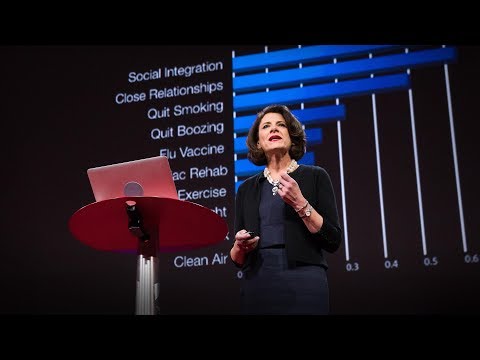
【TED】Susan Pinker: The secret to living longer may be your social life (The secret to living longer may be your social life | Susan Pinker)
0
squallriver史嗑爾 posted on 2017/12/29Ever wonder what the secret to a long, happy life is? This fascinating TED Talk dives into research, exploring how strong social connections and in-person contact can actually boost your longevity! You'll pick up advanced vocabulary related to health and social science while getting a glimpse into unique cultures.
Learn this video on the APP!
The VoiceTube App has more in-depth practice for videos!