
as soon as
US /æz sun æz/
UK /æz su:n æz/
- Phrase
- In a short time after (something happens)
- Without any delay; immediately
- Conjunction
- At the moment that, or immediately after.
A1Moreauxiliary
US /ɔɡˈzɪljəri, -ˈzɪləri/
UK /ɔ:gˈzɪliəri/
- Adjective
- Helping or supporting a function or group
- Noun
- Group of workers who provide help and assistance
B2TOEICMorebang
US /bæŋ/
UK /bæŋ/
- Transitive Verb
- To strike something loudly or forcefully
- Noun
- Sudden loud noise, as when a bomb explodes
- A loud noise
A2Morebase
US /bes/
UK /beɪs/
- Noun (Countable/Uncountable)
- Place military personnel live, train, and operate
- Bottom part of an object that touches a surface
- Transitive Verb
- To use as the starting point or origin for
- To have as the main location for (company, etc.)
A2TOEICMorebased on
US
UK
- Phrasal Verb
- To use something as the foundation or starting point for something else.
- Preposition
- Using something as the main idea or foundation.
- Relying on something as evidence or justification.
A1Morebasically
US /ˈbesɪkəli,-kli/
UK /ˈbeɪsɪkli/
- Adverb
- Used before you explain something simply, clearly
- In essence; when you consider the most important aspects of something.
A2Moreblow up
US /blo ʌp/
UK /bləu ʌp/
- Phrasal Verb
- To suddenly become angry
- To put air in something, e.g. a tire or balloon
- Verb (Transitive/Intransitive)
- To explode; to be destroyed by an explosion.
A2Moreboom
US /bum/
UK /bu:m/
- Noun (Countable/Uncountable)
- Very fast increase in growth or popularity
- A very loud and deep sound
- Intransitive Verb
- To experience a rapid increase in growth
- To make a very loud and deep sound
B1Morebuild a bridge
US
UK
- Phrase
- To construct a bridge, typically for transportation or connection.
- Idiom
- To establish a connection or improve relations between people or groups.
A2Moreby definition
US /baɪ ˌdɛfəˈnɪʃən/
UK /bai ˌdefiˈniʃən/
- Phrase
- Inherently; as an essential quality or characteristic.
B2Morecheck out
US /tʃɛk aʊt/
UK /tʃek aut/
- Phrase
- Phrasal Verb
- To find out information about something
- To take books out of a library
A1Morecome after
US /kʌm ˈæftɚ/
UK /kʌm ˈɑ:ftə/
- Phrasal Verb
- To follow someone in order to threaten them
A1Morecome up with
US /kʌm ʌp wɪð/
UK /kʌm ʌp wið/
- Phrasal Verb
- To think of an idea or solution; produce
A1Morecomplete picture
US
UK
- Noun
- A thorough and comprehensive understanding of a situation or event.
definition
US /ˌdɛfəˈnɪʃən/
UK /ˌdefɪˈnɪʃn/
- Noun (Countable/Uncountable)
- Explanation of word's meaning, as in dictionaries
- The sharpness of an image on a screen
A2TOEICMoredirection
US /dɪˈrɛkʃən, daɪ-/
UK /də'rekʃn/
- Noun (Countable/Uncountable)
- When someone tells people what to do
- Describes the way you are going, e.g. North
A2TOEICMoredisprove
US /dɪsˈpruv/
UK /ˌdɪsˈpru:v/
- Transitive Verb
- To show something is not true
C1Moredot
US /dɑt/
UK /dɒt/
- Transitive Verb
- To place small amounts/things in various places
- To mark something by placing a small, round spot
- Noun
- Small round mark
B1TOEICMoreexpand
US /ɪkˈspænd/
UK /ɪk'spænd/
- Verb (Transitive/Intransitive)
- To make something larger in size, number, amount
A2TOEICMorefor instance
US /fɔr ˈɪnstəns/
UK /fɔ: ˈinstəns/
- Adverb
- As an example.
- Phrase
- As an example.
- As an illustration or case in point
B1Moreformula
US /ˈfɔrmjələ/
UK /'fɔ:mjələ/
- Noun (Countable/Uncountable)
- A mathematical or scientific rule
- Plan, rule or method for doing or making something
A2TOEICMorefrequency
US /ˈfrikwənsi/
UK /'fri:kwənsɪ/
- Uncountable Noun
- Number of repetitions of (radio or sound) wave
- How often something happens
B1TOEICMoreget the picture
US
UK
- Verb (Transitive/Intransitive)
- To understand a situation or idea.
A1Moregimmick
US /ˈɡɪmɪk/
UK /ˈgɪmɪk/
- Countable Noun
- Trick or device used to attract or draw attention
C1Morego ahead
US /ɡo əˈhɛd/
UK /ɡəu əˈhed/
- Phrasal Verb
- To start an activity; start doing, working etc.
- To give permission to do something
- Intransitive Verb
- To start or proceed with something
- To proceed despite potential obstacles or doubts.
A1Moregot to
US /ɡɑt tu/
UK /gɔt tu:/
- Verb (Transitive/Intransitive)
- To arrive at some place
- To have the opportunity or permission to do something
- Phrasal Verb
- To appeal to the emotions of; move
- To finally begin to start something after a delay
A1Moregrammar
US /ˈɡræmɚ/
UK /ˈgræmə(r)/
- Uncountable Noun
- Book describing the syntactic rules of a language
- Rules explaining how words are used in a language
B1Morehabit
US /ˈhæbɪt/
UK /'hæbɪt/
- Noun
- Loose clothing like a cloak, worn by monks, nuns
- Usual way of behaving; something often repeated
A2TOEICMorehave to
US /hæv tu/
UK /ˈhæv tə/
- Auxiliary Verb
- Must do
A1Morein fact
US /ɪn fækt/
UK /in fækt/
- Adverb
- Used to emphasize the truth of a statement, especially one that contrasts with or contradicts something else.
- Used to introduce a more detailed or surprising piece of information.
- Phrase
- Used to emphasize the truth of a statement, especially one that is surprising or contrary to what might be expected.
C1Morein order to
US /ɪn ˈɔrdɚ tu/
UK /in ˈɔ:də tu:/
- Preposition
- For the purpose of; with the aim of.
- Phrase
- In a specific sequence or arrangement.
- With the aim of; for the purpose of.
C1Morein the future
US /ɪn ði ˈfjutʃɚ/
UK /in ðə ˈfju:tʃə/
- Phrase
- At a later time; in times to come.
A1Morein the past
US
UK
- Phrase
- During a former period of time; previously.
A1Moreinstance
US /ˈɪnstəns/
UK /'ɪnstəns/
- Noun (Countable/Uncountable)
- An example of something; case
- An occurrence of something.
- Transitive Verb
- To give as an example of something else
A2TOEICMoreinstead of
US /ɪnˈstɛd ʌv/
UK /inˈsted ɔv/
- Preposition
- When one thing is replaced by another
- Adverb
- As a substitute or alternative.
A1Morelead to
US /lid tu/
UK /li:d tu:/
- Phrasal Verb
- To result in some action
- Verb (Transitive/Intransitive)
- To have something as a consequence or result.
A1Morelook at
US /lʊk æt/
UK /luk æt/
- Phrasal Verb
- To use your eyes to focus on something
- To focus your eyes on something carefully
A1Moreminister
US /ˈmɪnɪstɚ/
UK /'mɪnɪstə(r)/
- Noun
- An official who heads a government department
- Person who performs Christian services
A2Moremove it up
US
UK
- Phrasal Verb
- To advance or accelerate the timing of something.
- To promote or elevate someone to a higher rank or position.
A1Moremove over
US /muv ˈovɚ/
UK /mu:v ˈəuvə/
- Phrasal Verb
- To make room for someone or something by shifting position.
- To change one's job or position within an organization.
permanent
US /ˈpɚmənənt/
UK /'pɜ:mənənt/
- Adjective
- Lasting forever; not temporary or changing
- Intended to last or remain for an unlimited period
- Noun
- A person who is a permanent employee.
- A chemical treatment to create lasting curls or waves in the hair.
B1TOEICMoreprime
US /praɪm/
UK /praɪm/
- Transitive Verb
- To get a person ready for; prepare someone
- To coat with paint to prepare it for the main coat
- Adjective
- Concerning the highest in quality or value
- Concerning the highest level of achievement
A2TOEICMoreprocess
US /ˈprɑsˌɛs, ˈproˌsɛs/
UK /prə'ses/
- Transitive Verb
- To organize and use data in a computer
- To deal with official forms in the way required
- Noun (Countable/Uncountable)
- Dealing with official forms in the way required
- Set of changes that occur slowly and naturally
A2TOEICMoreprogressive
US /prəˈɡrɛsɪv/
UK /prəˈgresɪv/
- Adjective
- Believing in modern ideas about social change
- Increasing in extent or severity; occurring in gradual stages.
- Noun (Countable/Uncountable)
- People believing in bringing about social change
- A person advocating or implementing social reform or new, liberal ideas.
A2Morerepetition
US /ˌrɛpɪˈtɪʃən/
UK /ˌrepəˈtɪʃn/
- Noun (Countable/Uncountable)
- When something occurs again
- Saying something again
A2TOEICMorescarf
US /skɑ:rf/
UK /skɑ:f/
- Transitive Verb
- To eat or drink something quickly
- Countable Noun
- Long piece of cloth worn around the neck
B1Moresimple present
US
UK
- Noun
- A verb tense used to describe habits, unchanging situations, general truths, and fixed arrangements.
A1Moresingular
US /ˈsɪŋɡjəlɚ/
UK /ˈsɪŋgjələ(r)/
- Noun
- Form of a word referring to only one person/thing
- Adjective
- Seeming odd or unusual
- One of
B2Morestart off
US /stɑrt ɔf/
UK /stɑ:t ɔf/
- Phrasal Verb
- To begin or commence something.
- To begin a journey.
B2Morestructure
US /ˈstrʌk.tʃɚ/
UK /ˈstrʌk.tʃə/
- Noun (Countable/Uncountable)
- The way in which the parts of a system or object are arranged or organized, or a system arranged in this way
- A building or other man-made object.
- Transitive Verb
- To plan, organize, or arrange the parts of something
A2TOEICMoretrigger
US /ˈtrɪɡɚ/
UK /'trɪɡə(r)/
- Noun
- Lever on a gun that you pull to fire
- Device that starts a process
- Transitive Verb
- To start a process off e.g. a memory
- To cause something to begin or happen.
B1Moretrigger word
US
UK
- Noun
- A word or phrase that automatically sets off a memory, physical reaction, or change in behavior.
- A specific word or phrase that activates a device or software, especially in voice recognition systems.
C1Moreused to
US /juzd tu/
UK /ˈju:st tə/
- Adjective
- Did regularly before, but don't do now
- Auxiliary Verb
- Have done before, but do not do now
A1Morewanna
US /ˈwɑnə/
UK /'wɒnə/
- Verb (Transitive/Intransitive)
- Shortened form of 'want to'. Used only in speaking
B2Morewashroom
US /ˈwɑʃˌrum, -ˌrʊm, ˈwɔʃ-/
UK /ˈwɒʃru:m/
- Noun
- Lavatory (e.g. a lavatory in a public place)
C2Morewatch out
US /wɑtʃ aʊt/
UK /wɔtʃ aut/
- Phrasal Verb
- To be careful; to be alert to danger
A1Morework on
US /wɚk ɑn/
UK /wə:k ɔn/
- Phrasal Verb
- To devote effort to improve or develop something
- To try to persuade or influence someone.
A1Morewrite out
US /raɪt aʊt/
UK /rait aut/
- Phrasal Verb
- To write something in full instead of using abbreviations or symbols.
- To copy something by writing it.
A1More
Vocabulary
- simple present: A verb tense used to describe habits, unchanging situations, general truths, and fixed arrangements.
- trigger word: A word or phrase that automatically sets off a memory, physical reaction, or change in behavior.
- look at: To use your eyes to focus on something
- have to: Must do
- check out
- in the past: During a former period of time; previously.
- instead of: When one thing is replaced by another
- in fact: Used to emphasize the truth of a statement, especially one that contrasts with or contradicts something else.
- for instance: As an example.
- start off: To begin or commence something.
- based on: To use something as the foundation or starting point for something else.
- got to: To arrive at some place
- in the future: At a later time; in times to come.
- move over: To make room for someone or something by shifting position.
- get the picture: To understand a situation or idea.
- work on: To devote effort to improve or develop something
- used to: Did regularly before, but don't do now
- in order to: For the purpose of; with the aim of.
- build a bridge: To construct a bridge, typically for transportation or connection.
- come up with: To think of an idea or solution; produce
- as soon as: In a short time after (something happens)
- come after: To follow someone in order to threaten them
- complete picture: A thorough and comprehensive understanding of a situation or event.
- watch out: To be careful; to be alert to danger
- go ahead: To start an activity; start doing, working etc.
- by definition: Inherently; as an essential quality or characteristic.
- blow up: To suddenly become angry
- move it up: To advance or accelerate the timing of something.
- lead to: To result in some action
- write out: To write something in full instead of using abbreviations or symbols.
- process: To organize and use data in a computer
- present: Being in attendance; being there; having turned up
- trigger: Lever on a gun that you pull to fire
- basically: Used before you explain something simply, clearly
- repetition: When something occurs again
- structure: The way in which the parts of a system or object are arranged or organized, or a system arranged in this way
- permanent: Lasting forever; not temporary or changing
- effective: Working efficiently to produce a desired result
- instance: An example of something; case
- sentence: (Of a judge) to decide the punishment of
- definition: Explanation of word's meaning, as in dictionaries
- imagine: To think creatively about; form mental picture of
- prime: To get a person ready for; prepare someone
- bit: Device put in a horse's mouth to control it
- draw: To attract attention to someone or something
- grammar: Book describing the syntactic rules of a language
- direction: When someone tells people what to do
- formula: A mathematical or scientific rule
- board: Surface for posting or showing information
- expand: To make something larger in size, number, amount
- explain: To make clear or easy to understand by describing
- form: Sports team or person's current winning record
- subject: The person, thing, or idea that is being discussed, described, or studied.
- complete: To finish or reach the end of doing something
- progressive: Believing in modern ideas about social change
- suggest: To mention something that could be done; propose
- mind: To be bothered or upset by something
- frequency: Number of repetitions of (radio or sound) wave
- singular: Form of a word referring to only one person/thing
- wanna: Shortened form of 'want to'. Used only in speaking
- habit: Loose clothing like a cloak, worn by monks, nuns
- notice: To become aware by sight, touch, or hearing
- scarf: To eat or drink something quickly
- fact: Something that is known or proved to be true
- minister: An official who heads a government department
- boom: Very fast increase in growth or popularity
- bang: To strike something loudly or forcefully
- base: Place military personnel live, train, and operate
- auxiliary: Helping or supporting a function or group
- dot: To place small amounts/things in various places
- gimmick: Trick or device used to attract or draw attention
- disprove: To show something is not true
- washroom: Lavatory (e.g. a lavatory in a public place)
Get the full experience in the app
Learn anywhere with detailed sentence and usage analysis
01:03
She took a brave step forward, leaving behind her comfort zone to chase her dreams.
Vocabulary
- brave
adj. Having courage
- comfort zone
phr. A familiar situation where one feels safe
Explanation
a brave step is a noun phrase, where brave is an adjective modifying the noun step, meaning "a courageous step".
forward is an adverb modifying step, meaning "ahead".
The whole phrase serves as the object, answering the "what" of took (verb) — she took a brave step forward.
Get the full experience in the app
Look up words anytime with pronunciation, part of speech, and usage
brave
US/brev/
UK/breɪv/
adj.Brave
v.t.To bravely face
A2 Elementary
Get the full experience in the app
Practice speaking anytime and get instant pronunciation feedback
Try this speaking exercise.
Try practicing with this sentence.
80
English Grammar - How to learn tenses - ALL tenses!!
0
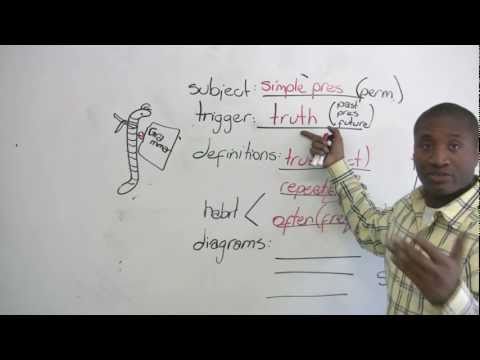
jwlee posted on 2017/06/11Struggling with English tenses? This video breaks down the simple present tense with a super helpful 'teaching formula' and 'trigger words' to make it stick! You'll master the grammar structure and build simple sentences like a pro, perfect for ESL students.
Learn this video on the APP!
The VoiceTube App has more in-depth practice for videos!