
add on
US /æd ɑn/
UK /æd ɔn/
- Phrasal Verb
- To attach or include something extra.
- Countable Noun
- A feature that can be added to a computer program or website.
A1Moreaquatic
US /əˈkwætɪk/
UK /əˈkwætɪk/
- Adjective
- Living or growing near or in water
B2Morearound the world
US /əˈraʊnd ði wɜrld/
UK /əˈraund ðə wɜː(r)ld/
- Phrase
- In or to many countries.
- In various places throughout the world.
A2Moreat a minimum
US
UK
- Phrase
- At the very least; the lowest possible number or amount.
- As a basic requirement; the minimum standard or qualification.
B1Moreat large
US /æt lɑrdʒ/
UK /æt lɑ:dʒ/
- Adjective
- (of a person or animal, especially one that is dangerous) not captured; free.
A2Moreat least
US /æt list/
UK /æt li:st/
- Adverb
- As a minimum
- Not less than
- Phrase
- No less than; at the minimum
- Used to indicate that something is positive in a bad situation.
C2Moreat no time
US
UK
- Phrase
- Never; not at any time.
A1Moreat once
US /æt wʌns/
UK /æt wʌns/
- Adverb
- Immediately; without delay
- At the same time; simultaneously
A2Moreat the moment
US
UK
- Adverb
- At this time; now
A1Moreaudience
US /ˈɔdiəns/
UK /ˈɔ:diəns/
- Noun (Countable/Uncountable)
- Group of people attending a play, movie etc.
A2TOEICMorebacterial
US /bæk'tɪərɪrl/
UK /bæk'tɪərɪəl/
- Adjective
- Concerning or caused by bacteria
B2Morebased on
US
UK
- Phrasal Verb
- To use something as the foundation or starting point for something else.
- Preposition
- Using something as the main idea or foundation.
- Relying on something as evidence or justification.
A1Morebe with
US /bi wɪð/
UK /bi: wið/
- Phrasal Verb
- To accompany someone; to be in someone's presence.
- To support someone's opinion or cause.
A1Morebird flu
US /bɚd flu/
UK /bə:d flu:/
- Noun
- A highly contagious viral disease affecting birds, which can sometimes spread to humans.
B1Morebring in
US /brɪŋ ɪn/
UK /briŋ in/
- Phrasal Verb
- To earn a certain amount of money or profits
- To add person into existing group, e.g. phone call
A1Morecare of
US /kɛr ʌv/
UK /kɛə ɔv/
- Preposition
- Used in an address to indicate the person who will receive the mail for someone else.
A2Morecertify
US /ˈsɜ:rtɪfaɪ/
UK /ˈsɜ:tɪfaɪ/
- Transitive Verb
- To approve someone as authorized, valid
- To confirm the truth or reality of something
B2Morechance of survival
US
UK
- Phrase
- The possibility of remaining alive, especially during a dangerous event.
A1Morecome up to
US
UK
- Phrasal Verb
- To meet expectations
A1Morecommercial
US /kəˈmɚʃəl/
UK /kəˈmə:ʃəl/
- Noun
- Radio or television advertisement
- Adjective
- A notice, picture, or film telling people about a product, job, or service.
- Designed for or primarily concerned with financial success.
B1Morecommunity
US /kəˈmjunɪti/
UK /kə'mju:nətɪ/
- Noun (Countable/Uncountable)
- Group of people who share a common idea or area
- A feeling of fellowship with others, as a result of sharing common attitudes, interests, and goals.
- Adjective
- Relating to or shared by the people in a particular area.
- Shared or participated in by all members of a group
A2Morecompound
US /kɑmˈpaUnd/
UK /'kɒmpaʊnd/
- Noun (Countable/Uncountable)
- Series of buildings that are walled or fenced off
- Chemical made up of several others
- Transitive Verb
- To pay interest on a loan including the interest
- To make something from various parts or components
B1Morecouncil
US /ˈkaʊnsəl/
UK /'kaʊnsl/
- Noun (Countable/Uncountable)
- Group chosen to make decisions about something
- A body of people elected or appointed to manage the affairs of a city, county, or other administrative district.
- Transitive Verb
- To advise or recommend.
A2Morecover up
US /ˈkʌvɚ ʌp/
UK /ˈkʌvə ʌp/
- Phrasal Verb
- To hide something bad; conceal
- To put on warmer clothes; to protect oneself from the cold.
A1Moredetermine
US /dɪˈtɚmɪn/
UK /dɪ'tɜ:mɪn/
- Transitive Verb
- To control exactly how something will be or act
- To establish the facts about; discover
A2TOEICMorediagnostic
US /ˌdaɪəɡˈnɑstɪk/
UK /ˌdaɪəgˈnɒstɪk/
- Adjective
- Concerning finding out the cause of a problem
B1Moredomestic
US /dəˈmɛstɪk/
UK /dəˈmestɪk/
- Noun
- Someone paid to help with housework in your house
- Adjective
- British informal fight between husband and wife
- Concerning your own home or house
A2TOEICMoredramatically
US /drəˈmætɪkl:ɪ/
UK /drə'mætɪklɪ/
- Adverb
- In a sudden or extreme manner
- In a theatrical or exaggerated manner.
B1Moredrug
US /drʌɡ/
UK /drʌɡ/
- Noun (Countable/Uncountable)
- Illegal substance taken for effect on the mind
- Chemical used as a medicine
- Transitive Verb
- To give drugs to someone to make them sleep
A2Moreduration
US /duˈreɪʃn/
UK /djuˈreɪʃn/
- Uncountable Noun
- Length of time that something lasts
B1TOEICMoreepidemic
US /ˌɛpɪˈdɛmɪk/
UK /ˌepɪ'demɪk/
- Adjective
- Disease that spreads quickly affecting many
- Noun (Countable/Uncountable)
- Something that spreads suddenly and widely
B2Moreevidence of
US
UK
- Phrase
- Facts, objects, or signs that make you believe that something is true.
- Something that shows that something else exists or is true.
A1Morefamily members
US
UK
- Noun (plural)
- People related by blood, marriage, or adoption.
A1Morefederal
US /ˈfɛdərəl, ˈfɛdrəl/
UK /'fedərəl/
- Adjective
- Consisting of several united states
- Relating to a system of government in which power is divided between a central authority and constituent political units.
- Proper Noun
- The central banking system of the United States.
B1Morefigure out
US /ˈfɪɡjɚ aʊt/
UK /ˈfiɡə aut/
- Phrasal Verb
- To understand the behavior of someone
- To think through logically to find a solution
- Verb (Transitive/Intransitive)
- To understand or find an answer to something.
- To find a solution to a problem or understand something.
A1Moreflu
US /flu/
UK /flu:/
- Noun (Countable/Uncountable)
- Illness causing headache, fever etc.
- A specific instance or bout of influenza.
B2Morefor example
US
UK
- Phrase
- As an illustration or instance.
for someone
US /fɚ ˈsʌmwʌn/
UK /fə ˈsʌmwʌn/
- other
- On behalf of or intended for a particular person.
A1Morefor sure
US /fɔr ʃʊr/
UK /fɔ: ʃuə/
- Adverb
- Definitely; certainly; without a doubt.
- Used to emphasize a statement.
- Interjection
- An expression of strong agreement or affirmation.
A2Morego out
US /ɡo aʊt/
UK /ɡəu aut/
- Phrase
- To leave a building (e.g. a house)
- Phrasal Verb
- (Of a fire) to burn out; be extinguished
- Go out of fashion to stop being fashionable
A1Moregoing on
US /ˈɡoɪŋ ɑn/
UK /ˈgəʊɪŋ ɔn/
- Phrasal Verb
- To continue doing something
- To happen (usually negative)
A1Morehave to
US /hæv tu/
UK /ˈhæv tə/
- Auxiliary Verb
- Must do
A1Morehousehold
US /ˈhaʊsˌhold/
UK /'haʊshəʊld/
- Adjective
- Being in everyday use; common
- Relating to a house or home.
- Noun (Countable/Uncountable)
- Concerning a home
- Family or other group living together in a house
B1Moreimmune
US /ɪˈmjoon/
UK /ɪˈmju:n/
- Adjective
- Having a special protection from, e.g. the law
- Protected against a particular disease or condition because of antibodies or vaccination.
B1Morein charge
US /ɪn tʃɑrdʒ/
UK /in tʃɑ:dʒ/
- Adverb
- To be responsible for
A1Morein circulation
US /ɪn ˌsɚkjəˈleʃən/
UK /in ˌsə:kjuˈleiʃən/
- Adjective
- Available and being used by the public.
- Being passed from person to person.
A1Morein fact
US /ɪn fækt/
UK /in fækt/
- Adverb
- Used to emphasize the truth of a statement, especially one that contrasts with or contradicts something else.
- Used to introduce a more detailed or surprising piece of information.
- Phrase
- Used to emphasize the truth of a statement, especially one that is surprising or contrary to what might be expected.
C1Morein hand
US /ɪn hænd/
UK /in hænd/
- Phrase
- In one's possession or control.
in order to
US /ɪn ˈɔrdɚ tu/
UK /in ˈɔ:də tu:/
- Preposition
- For the purpose of; with the aim of.
- Phrase
- In a specific sequence or arrangement.
- With the aim of; for the purpose of.
C1Morein person
US /ɪn ˈpɜːrsn/
UK /in ˈpɜːsn/
- Adverb
- Physically present; not by proxy or remotely.
- Face-to-face; not through electronic communication.
A1Morein places
US
UK
- Phrase
- In some locations but not others
A1Morein school
US /ɪn skul/
UK /ɪn sku:l/
- other
- Attending an educational institution.
A1Morein terms of
US
UK
- Phrase
- With regard to; concerning a particular aspect.
A1Morein the absence of
US /ɪn ði ˈæbsəns əv/
UK /ɪn ði ˈæbsəns əv/
- other
- When someone or something is not present or available.
B1Morein the midst of
US
UK
- Phrase
- Surrounded by; in the middle of.
- During; while something is happening.
A1Morein the neighborhood of
US /ɪn ðə ˈneɪbɚˌhʊd ʌv/
UK /in ðə ˈneibəhʊd ɔv/
- other
- Approximately or about a certain amount or distance.
B2Morein the world
US /ɪn ði wɜrld/
UK /in ðə wɜː(r)ld/
- Phrase
- Used to emphasize a question expressing surprise, confusion, disbelief
- Used to indicate the extent or degree of something, often in a superlative sense
A1Morein trouble
US /ɪn ˈtrʌbəl/
UK /in ˈtrʌbl/
- Adjective
- Experiencing difficulties, problems, or legal issues.
- other
- In serious trouble or difficulty.
A1Moreinstitute
US / ˈɪnstɪˌtut, -ˌtjut/
UK /'ɪnstɪtju:t/
- Noun (Countable/Uncountable)
- Organization studying science, engineering etc.
- A short intensive course of instruction, often focusing on a specific topic.
- Transitive Verb
- To start or commence doing, e.g. a business plan
- To establish or start (a system, rule, or course of action).
A2TOEICMoreknow about
US /noʊ əˈbaʊt/
UK /nəʊ əˈbaut/
- Phrasal Verb
- To have information or understanding of a subject or situation.
lethal
US /ˈliθəl/
UK /'li:θl/
- Adjective
- Causing or able to cause death
B2Morelook at
US /lʊk æt/
UK /luk æt/
- Phrasal Verb
- To use your eyes to focus on something
- To focus your eyes on something carefully
A1Moremass
US /mæs/
UK /mæs/
- Noun (Countable/Uncountable)
- Religious ceremony in some Christian churches
- Large amount or number of something
- Transitive Verb
- To gather people or things into a large group
B1Moremayor
US /ˈmeɪər/
UK /meə(r)/
- Noun
- Head of a town or city government
B1TOEICMoremutate
US /ˈmjutet,mjuˈtet/
UK /mju:'teɪt/
- Intransitive Verb
- To develop into another thing; change
B2Morenumber of people
US /ˈnʌmbɚ ʌv ˈpipəl/
UK /ˈnʌmbə ɔv ˈpi:pl/
- Phrase
- The total count of individuals within a group or gathering.
- A statistical figure representing the population size or a subset thereof.
A1Moreoccur
US /əˈkɚ/
UK /əˈkɜ:(r)/
- Intransitive Verb
- To come to pass or to happen
- To be found to exist; to be present.
A2TOEICMoreof age
US /əv eɪdʒ/
UK /əv eɪdʒ/
- other
- Having reached the legal age of adulthood.
A2Moreof course
US /ʌv kɔː(r)s/
UK /ɔv kɔː(r)s/
- Adverb
- Sure ; Certainly
- Phrase
- For sure; certainly
A2Moreon the other side of
US /ɑn ði ˈʌðɚ ˈsaɪd ʌv/
UK /ɒn ði ˈʌðə ˈsaɪd ɒv/
- Preposition
- Located across something from a given point.
A2Moreone round
US
UK
- Noun
- A single period of fighting in a boxing match.
- A single serving of drinks for a group of people.
A1Moreout of date
US /aʊt ʌv det/
UK /aut ɔv deit/
- Adjective
- Expired; too old to be used
- Not fashionable; old fashioned
C2Moreoutbreak
US /ˈaʊtˌbrek/
UK /ˈaʊtbreɪk/
- Noun (Countable/Uncountable)
- Sudden occurrence of illness, discontent etc.
- A sudden occurrence of something unwelcome, such as war or disease.
B2Moreoutside of
US /aʊtˈsaɪd ʌv/
UK /ˌautˈsaid ɔv/
- Preposition
- Located or situated beyond the boundaries or confines of something.
- Beyond the scope, range, or limits of something.
A1Moreover time
US /ˈovɚ taɪm/
UK /ˈəuvə taim/
- Phrase
- Gradually; as time passes.
- During a long period.
- Adverb
- Gradually; as time passes.
B1Morepandemic
US /pænˈdɛmɪk/
UK /pæn'demɪk/
- Adjective
- (of a disease) existing in almost all of an area or in almost all of a group of people, animals, or plants
- Noun
- a pandemic disease
C2Moreplague
US /pleɡ/
UK /pleɪɡ/
- Transitive Verb
- To cause to have continual problems with something
- Noun (Countable/Uncountable)
- (Deadly) disease passing rapidly between people
- An unusually large number of insects or animals infesting a place and causing damage.
B1Morepneumonia
US /nu:ˈmoʊniə/
UK /nju:ˈməʊniə/
- Uncountable Noun
- Serious illness affecting the lungs and breathing
B2Morepoverty
US /ˈpɑvəti/
UK /ˈpɔvəti/
- Uncountable Noun
- State of being poor
- Lack of something necessary
B1Morepretend
US /prɪˈtɛnd/
UK /prɪ'tend/
- Verb (Transitive/Intransitive)
- To act as if something is true when it is not
- Adjective
- Not real; imaginary.
A2TOEICMorequarantine
US /ˈkwɔrənˌtin, ˈkwɑr-/
UK /'kwɒrənti:n/
- Transitive Verb
- To isolate ill people to prevent disease spreading
- Noun (Countable/Uncountable)
- The place to isolate sick plants, animals
C1Morerapid
US /ˈræpɪd/
UK /ˈræpɪd/
- Adjective
- Moving or happening very quickly
- Noun
- Rough and fast-moving part of a river
B1Moreresponsibility
US /rɪˌspɑnsəˈbɪlɪti/
UK /rɪˌspɒnsə'bɪlətɪ/
- Noun (Countable/Uncountable)
- Job, task or thing you are expected to look after
- A thing to be done because it is morally correct
A2Moreresult
US /rɪˈzʌlt/
UK /rɪ'zʌlt/
- Noun
- Something produced through tests or experiments
- Final score of a competition, election or game
- Intransitive Verb
- To be the outcome of other causes and effects
- To happen or exist as a consequence of something.
A2Moreshut down
US /ʃʌt daʊn/
UK /ʃʌt daun/
- Phrasal Verb
- To close an operating system, e.g. on a computer
- To stop a factory/machine from operating
- Transitive Verb
- To deactivate a nuclear reactor.
- To turn off a computer or other electronic device.
A2Morespread
US /sprɛd/
UK /spred/
- Noun (Countable/Uncountable)
- A big meal, often laid out as a buffet
- The distance between two things
- Verb (Transitive/Intransitive)
- To place over a large area; to cover a large area
- (Of ideas, gossip) to pass to and affect others
A2TOEICMorestockpile
US /ˈstɑ:kpaɪl/
UK /ˈstɒkpaɪl/
- Noun (Countable/Uncountable)
- Large supply of something kept for future use
- Transitive Verb
- To keep a large supply of something for future use
C1Morethe bottom line
US /ði ˈbɑtəm laɪn/
UK /ðə ˈbɔtəm lain/
- Noun
- The most important thing; the essential point.
- The net income or profit of a company.
A2Morethink of
US /θɪŋk ʌv/
UK /θiŋk ɔv/
- Phrasal Verb
- To look on as (being something specific); consider
- To consider or remember something.
- Verb (Transitive/Intransitive)
- To imagine or call something to mind
A1Morethreat
US /θrɛt/
UK /θret/
- Noun
- Warning of probable trouble
- A warning that you may be harmed
A2TOEICMoretoll
US /tol/
UK /təʊl/
- Noun (Countable/Uncountable)
- Sound that a big bell makes, when it is rung
- Number of people hurt or killed in a disaster
- Intransitive Verb
- (Bell) to ring in a slow, loud and repeated way
B2TOEICMoretransmission
US /trænsˈmɪʃən, trænz-/
UK /trænsˈmɪʃn/
- Noun
- Part of car including gears affecting speed of car
- Electronic signal sent by radio waves; broadcast
B1Morevaccine
US /vækˈsin,ˈvækˌsin/
UK /'væksi:n/
- Noun (Countable/Uncountable)
- Shot using weak disease cells to stop same disease
- A preparation of weakened or killed microorganisms, or of antigenic proteins derived from them, used to induce protective immunity in animals.
B2Morevirus
US /ˈvaɪrəs/
UK /'vaɪrəs/
- Noun
- File secretly put on computers to cause harm
- Living organism that causes disease or sickness
B1Morewild
US /waɪld/
UK /waɪld/
- Adverb
- In a manner which lacks control
- Adjective
- Living in nature; not tame
- (Of land) not developed by people
A2Morewith it
US /wɪð ɪt/
UK /wið it/
- Adjective
- Intelligent, alert, and up-to-date.
- Understanding and knowledgeable about current trends or information.
A1Moreworth
US /wɚθ/
UK /wɜ:θ/
- Noun (Countable/Uncountable)
- the financial, practical or moral value of somebody/something
- having a particular value, especially in money
- Adjective
- Having a specified value.
A2More
Vocabulary
- around the world: In or to many countries.
- look at: To use your eyes to focus on something
- of course: Sure ; Certainly
- in the world: Used to emphasize a question expressing surprise, confusion, disbelief
- in fact: Used to emphasize the truth of a statement, especially one that contrasts with or contradicts something else.
- in charge: To be responsible for
- the bottom line: The most important thing; the essential point.
- care of: Used in an address to indicate the person who will receive the mail for someone else.
- evidence of: Facts, objects, or signs that make you believe that something is true.
- bring in: To earn a certain amount of money or profits
- in hand: In one's possession or control.
- at once: Immediately; without delay
- at the moment: At this time; now
- bird flu: A highly contagious viral disease affecting birds, which can sometimes spread to humans.
- know about: To have information or understanding of a subject or situation.
- in circulation: Available and being used by the public.
- with it: Intelligent, alert, and up-to-date.
- cover up: To hide something bad; conceal
- at no time: Never; not at any time.
- shut down: To close an operating system, e.g. on a computer
- for example: As an illustration or instance.
- over time: Gradually; as time passes.
- number of people: The total count of individuals within a group or gathering.
- of age: Having reached the legal age of adulthood.
- at least: As a minimum
- at large: (of a person or animal, especially one that is dangerous) not captured; free.
- add on: To attach or include something extra.
- be with: To accompany someone; to be in someone's presence.
- in order to: For the purpose of; with the aim of.
- in school: Attending an educational institution.
- figure out: To understand the behavior of someone
- outside of: Located or situated beyond the boundaries or confines of something.
- in the midst of: Surrounded by; in the middle of.
- in person: Physically present; not by proxy or remotely.
- out of date: Expired; too old to be used
- in the absence of: When someone or something is not present or available.
- based on: To use something as the foundation or starting point for something else.
- in places: In some locations but not others
- in the neighborhood of: Approximately or about a certain amount or distance.
- think of: To look on as (being something specific); consider
- come up to: To meet expectations
- go out: To leave a building (e.g. a house)
- at a minimum: At the very least; the lowest possible number or amount.
- in trouble: Experiencing difficulties, problems, or legal issues.
- family members: People related by blood, marriage, or adoption.
- for someone: On behalf of or intended for a particular person.
- in terms of
- on the other side of: Located across something from a given point.
- one round: A single period of fighting in a boxing match.
- for sure: Definitely; certainly; without a doubt.
- chance of survival: The possibility of remaining alive, especially during a dangerous event.
- going on: To continue doing something
- have to: Must do
- immune: Having a special protection from, e.g. the law
- pretend: To act as if something is true when it is not
- epidemic: Disease that spreads quickly affecting many
- evidence: Factual proof that helps to establish the truth
- determine: To control exactly how something will be or act
- audience: Group of people attending a play, movie etc.
- community: Group of people who share a common idea or area
- poverty: State of being poor
- compound: Series of buildings that are walled or fenced off
- pandemic: (of a disease) existing in almost all of an area or in almost all of a group of people, animals, or plants
- develop: To explain something in steps and in detail
- spread: A big meal, often laid out as a buffet
- commercial: Radio or television advertisement
- lethal: Causing or able to cause death
- plague: To cause to have continual problems with something
- quarantine: To isolate ill people to prevent disease spreading
- vaccine: Shot using weak disease cells to stop same disease
- domestic: Someone paid to help with housework in your house
- state: Region within a country, with its own government
- dramatically: In a sudden or extreme manner
- toll: Sound that a big bell makes, when it is rung
- occur: To come to pass or to happen
- worth: the financial, practical or moral value of somebody/something
- pneumonia: Serious illness affecting the lungs and breathing
- result: Something produced through tests or experiments
- form: Sports team or person's current winning record
- threat: Warning of probable trouble
- outbreak: Sudden occurrence of illness, discontent etc.
- institute: Organization studying science, engineering etc.
- responsibility: Job, task or thing you are expected to look after
- mass: Religious ceremony in some Christian churches
- federal: Consisting of several united states
- rate: To assess something or consider its qualities
- belief: Being sure that something exists or is true
- household: Being in everyday use; common
- economy: Using money, resources in a careful, effective way
- company: Good feeling from being with someone else
- wild: In a manner which lacks control
- british: Concerning the culture and people of British
- system: Set of organized, planned ideas that work together
- duration: Length of time that something lasts
- event: Any social gathering; occasion; planned activity
- public: Owned by the government
- rapid: Moving or happening very quickly
- drug: Illegal substance taken for effect on the mind
- kind: In a caring and helpful manner
- virus: File secretly put on computers to cause harm
- council: Group chosen to make decisions about something
- person: Man, woman or child
- government: Group of people and system that rule a nation
- stockpile: Large supply of something kept for future use
- transmission: Part of car including gears affecting speed of car
- mutate: To develop into another thing; change
- aquatic: Living or growing near or in water
- mayor: Head of a town or city government
- diagnostic: Concerning finding out the cause of a problem
- flu: Illness causing headache, fever etc.
- bacterial: Concerning or caused by bacteria
- certify: To approve someone as authorized, valid
Get the full experience in the app
Learn anywhere with detailed sentence and usage analysis
01:03
She took a brave step forward, leaving behind her comfort zone to chase her dreams.
Vocabulary
- brave
adj. Having courage
- comfort zone
phr. A familiar situation where one feels safe
Explanation
a brave step is a noun phrase, where brave is an adjective modifying the noun step, meaning "a courageous step".
forward is an adverb modifying step, meaning "ahead".
The whole phrase serves as the object, answering the "what" of took (verb) — she took a brave step forward.
Get the full experience in the app
Look up words anytime with pronunciation, part of speech, and usage
brave
US/brev/
UK/breɪv/
adj.Brave
v.t.To bravely face
A2 Elementary
Get the full experience in the app
Practice speaking anytime and get instant pronunciation feedback
Try this speaking exercise.
Try practicing with this sentence.
80
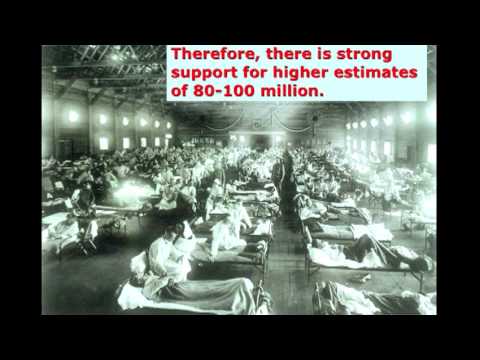
【TED】Laurie Garrett: What can we learn from the 1918 flu?
0
kaikaiwen86 posted on 2017/05/11Ever wondered how prepared we are for the next big pandemic? This fascinating TED talk dives deep into the lessons from the 1918 flu, equipping you with advanced vocabulary on topics like H5N1 and vaccine limitations. It's a crucial watch for understanding public health policy and boosting your knowledge!
Learn this video on the APP!
The VoiceTube App has more in-depth practice for videos!