mutate
US /ˈmjutet,mjuˈtet/
・UK /mju:'teɪt/
B2
v.i.Intransitive VerbTo develop into another thing; change
In the movie, the people mutate from humans into snakes
Video subtitles
A New Way to Understand Cancer

- Some mutate in a way that makes them weaker, others' mutations don't change anything, while a few become fitter and better at survival.
Some mutate in a way that makes them weaker, others' mutations don't change anything, while a few become fitter and better at survival.
- Some mutate in a way that makes them weaker, others mutations don't change anything, while a few become fitter and better at survival.
Some mutate in a way that makes them weaker, others mutations don't change anything, while a few become fitter and better at survival.
The Most Dangerous Weapon Is Not Nuclear
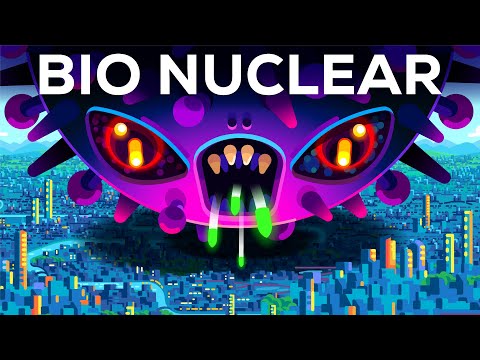
- They combine and mutate different viruses to understand which mutations make them more likely to spread between humans or make them deadlier than their original forms.
They combine and mutate different viruses to understand which mutations make them more likely to spread between humans or make them deadlier than their original forms.
- They combine and mutate different viruses to understand which mutations make them more likely to spread between humans or make them deadlier than their original forms.
They combine and mutate different viruses to understand which mutations make them more likely to spread between humans or make them deadlier than their original forms.
遺伝子の研究者だけど質問ある? | Tech Support | WIRED Japan
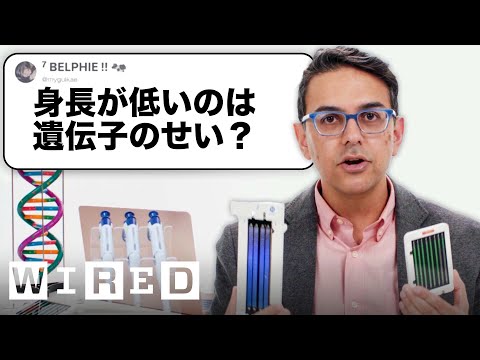
- At Mother Nature God asks, but why do genes mutate at all?
At Mother Nature God asks, but why do genes mutate at all?
- @mothernatureGod asks, "But why do genes mutate at all?" Genes can recombine in ways that introduce genetic diversity.
@mothernatureGod asks, "But why do genes mutate at all?" Genes can recombine in ways that introduce genetic diversity.
The Best iPhone & iPad Games of 2012

- Spread the disease successfully, but don't mutate its symptoms before a cure is found; same result.
Spread the disease successfully, but don't mutate its symptoms before a cure is found; same result.
- Spread the disease successfully but don't mutate its symptoms before a cure
Spread the disease successfully but don't mutate its symptoms before a cure
Everything you need to know about BIRD FLU

- and while levels did taper off, the virus continued to mutate and travel throughout bird communities, both wild and domestic.
and while levels did taper off, the virus continued to mutate and travel throughout bird communities, both wild and domestic.
- And while levels did taper off, the virus continued to mutate and travel throughout bird communities, both wild and domestic.
And while levels did taper off, the virus continued to mutate and travel throughout bird communities, both wild and domestic.
Dr William Li on Cancer Prevention with Anti Angiogenesis Resveratrol
- Cancer cells mutate,
Cancer cells mutate,
- Cancer cells mutate
Cancer cells mutate
Influenza: Get the (Antigenic) Drift
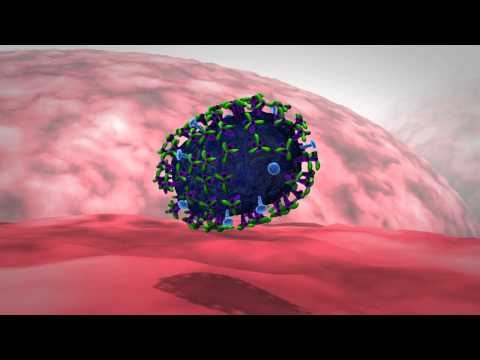
- When the influenza viruses replicate, they can mutate slightly.
When the influenza viruses replicate, they can mutate slightly.
- When the influenza viruses replicate, they can mutate slightly.
When the influenza viruses replicate, they can mutate slightly.
Why Do We Have Sex?

- When binary species like humans mate, they each release genetic material that can allow the building blocks of genes, chromosomes, to combine and mutate beneficially.
When binary species like humans mate, they each release genetic material that can allow the building blocks of genes, chromosomes, to combine and mutate beneficially.
- Both asexual and sexual organisms mutate, but asexual organism mutations have to be so good that they overcome the wider population size, fitness, and mutation rate.
Both asexual and sexual organisms mutate, but asexual organism mutations have to be so good that they overcome the wider population size, fitness, and mutation rate.
The Immune System
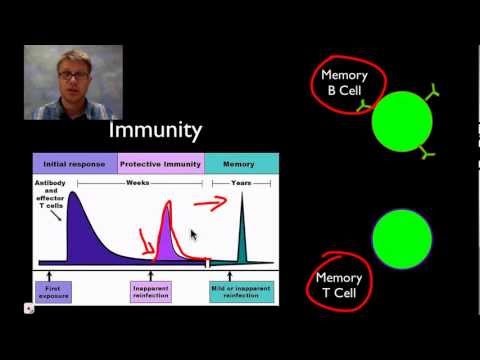
- But they also can mutate. And if they mutate they change the shape of the antigen. And
But they also can mutate. And if they mutate they change the shape of the antigen. And
- But they also can mutate.
But they also can mutate.
Where In The World Do People Live The Longest?

- Over time those cells mutate, because telomeres.
Over time those cells mutate, because telomeres.
- Over time, those cells mutate because telomeres.
Over time, those cells mutate because telomeres.