
accumulate
US /əˈkjumjəˌlet/
UK /əˈkju:mjəleɪt/
- Verb (Transitive/Intransitive)
- To gather or acquire so that you have more of it
C2Moreattach
US /əˈtætʃ/
UK /ə'tætʃ/
- Verb (Transitive/Intransitive)
- To be associated or connected with
A2TOEICMoreblock
US /blɑk/
UK /blɒk/
- Noun (Countable/Uncountable)
- Solid piece of material used for building
- A piece of wood, chocolate etc.
- Transitive Verb
- To stop from going forward or making progress
- To obstruct or prevent the movement or passage of.
A2Morebody
US /ˈbɑdi/
UK /ˈbɒdi/
- Noun
- The physical structure of a person or animal.
- Noun (Countable/Uncountable)
- The main or central part of something.
- The weight and texture of a drink (like wine or coffee) in the mouth.
A2Morebond
US /bɑnd/
UK /bɒnd/
- Noun (Countable/Uncountable)
- Rope, chain or other thing used to tie someone up
- Closeness that is shared between people or groups
- Verb (Transitive/Intransitive)
- To develop a close relationship with
- To become joined or connected, e.g. using glue
A2TOEICMorecirculate
US /ˈsɚkjəˌlet/
UK /'sɜ:kjəleɪt/
- Intransitive Verb
- To go round continuously
- To move from one person to another, as at a party
- Verb (Transitive/Intransitive)
- To move around or through something, or to cause something to move around or through.
B1Morecorrect
US /kəˈrɛkt/
UK /kə'rekt/
- Adjective
- Being suitable and appropriate for an occasion
- True or accurate
- Transitive Verb
- To fix a problem
- To write marks on a piece of work to show mistakes
A2Moredrift
US /drɪft/
UK /drɪft/
- Intransitive Verb
- (Of sand, etc.) to be blown into heaps by the wind
- (Of boats) to move without purpose on water
B1Moreencode
US /ɛnˈkod/
UK /ɪn'kəʊd/
- Transitive Verb
- To change a message or information into code
B2Moreflu
US /flu/
UK /flu:/
- Noun (Countable/Uncountable)
- Illness causing headache, fever etc.
- A specific instance or bout of influenza.
B2Morefor example
US
UK
- Phrase
- As an illustration or instance.
hospitalized
US
UK
- Verb (Transitive/Intransitive)
- To be put in hospital because you are sick
A2Moreimmune
US /ɪˈmjoon/
UK /ɪˈmju:n/
- Adjective
- Having a special protection from, e.g. the law
- Protected against a particular disease or condition because of antibodies or vaccination.
B1Moreimmunity
US /ɪˈmjunɪti/
UK /ɪˈmju:nəti/
- Uncountable Noun
- State of not being able to catch a disease
B1Moreineffective
US /ˌɪnɪˈfɛktɪv/
UK /ˌɪnɪˈfektɪv/
- Adjective
- Not producing the right result; not working well
- Not capable of achieving a desired result; incompetent.
B1Moreinfecting
US
UK
- Verb (Transitive/Intransitive)
- To introduce a computer virus to
- To give a disease, bacteria or virus to
B1Moreinfection
US /ɪnˈfɛkʃən/
UK /ɪnˈfekʃn/
- Noun
- (Computers) Having a computer virus
- Making or becoming sick with a bacteria/virus
A2Moreinfluenza
US /ˌɪnflʊ'enzə/
UK /ˌɪnfluˈenzə/
- Noun
- Full name for the 'flu'
B2Moreinteract
US /ˌɪntɚˈækt/
UK /ˌɪntər'ækt/
- Intransitive Verb
- To talk or do things with each other
A2Moreinteract with
US /ˌɪntɚˈækt wɪð/
UK /ˌɪntərˈækt wið/
- Phrase
- Verb (Transitive/Intransitive)
- To engage in communication or action involving mutual or reciprocal influence.
- To use a computer interface to achieve a specific goal.
A2Morematch
US /mætʃ/
UK /mætʃ/
- Verb (Transitive/Intransitive)
- To equal or be as good as something else
- To work well or look good with something else
- Noun
- Something that is equal to or the same as another
- Small stick you strike to light a fire candle etc.
A2TOEICMoremutate
US /ˈmjutet,mjuˈtet/
UK /mju:'teɪt/
- Intransitive Verb
- To develop into another thing; change
B2Moreoutside of
US /aʊtˈsaɪd ʌv/
UK /ˌautˈsaid ɔv/
- Preposition
- Located or situated beyond the boundaries or confines of something.
- Beyond the scope, range, or limits of something.
A1Moreover time
US /ˈovɚ taɪm/
UK /ˈəuvə taim/
- Phrase
- Gradually; as time passes.
- During a long period.
- Adverb
- Gradually; as time passes.
B1Morepopulation
US /ˌpɑpjəˈleʃən/
UK /ˌpɒpjuˈleɪʃn/
- Noun (Countable/Uncountable)
- Number of people who live in a country, area etc.
- A group of individuals of one species living in a particular area.
A2TOEICMorepredict
US /prɪˈdɪkt/
UK /prɪ'dɪkt/
- Transitive Verb
- To guess or estimate what will or might happen
A2TOEICMoreprotein
US /ˈprəʊˌtiːn/
UK /ˈprəʊti:n/
- Noun (Countable/Uncountable)
- Group of molecules made from amino acids
B1Morerecognize
US /ˈrek.əɡ.naɪz/
UK /ˈrek.əɡ.naɪz/
- Transitive Verb
- To accept the truth or reality of something
- To consider something as important or special
A2TOEICMorerecommend
US /ˌrɛkəˈmɛnd/
UK /ˌrekə'mend/
- Transitive Verb
- To advise or suggest that someone do something
- To endorse or support something publicly.
A2TOEICMoreremarkable
US /rɪˈmɑrkəbəl/
UK /rɪˈmɑ:kəbl/
- Adjective
- Interesting and unexpected, worthy of notice
- Worthy of attention; striking.
A2TOEICMoreresponse
US /rɪˈspɑns/
UK /riˈspɔns/
- Noun
- Something said/written as an answer to something
- Reaction to something that has occurred
A2TOEICMoreslightly
US /ˈslaɪtli/
UK /ˈslaɪtli/
- Adverb
- Only a little
B1Morespread
US /sprɛd/
UK /spred/
- Noun (Countable/Uncountable)
- A big meal, often laid out as a buffet
- The distance between two things
- Verb (Transitive/Intransitive)
- To place over a large area; to cover a large area
- (Of ideas, gossip) to pass to and affect others
A2TOEICMorestable
US /ˈstebəl/
UK /'steɪbl/
- Adjective
- In a position where something does not fall over
- Having a chemical state that is not easily changed
- Countable Noun
- Group of racing horses that belong to one owner
A2TOEICMoretarget
US /ˈtɑrɡɪt/
UK /'tɑ:ɡɪt/
- Noun (Countable/Uncountable)
- A goal or amount you are trying to achieve
- Group you are trying to sell to or influence
- Transitive Verb
- To try to influence; direct a message toward
- (Army) to aim an attack at something
A2TOEICMorevaccination
US /ˌvæksəˈneʃən/
UK /ˌvæksɪ'neɪʃn/
- Noun (Countable/Uncountable)
- Type of injection to prevent getting a disease
B2TOEICMorevaccine
US /vækˈsin,ˈvækˌsin/
UK /'væksi:n/
- Noun (Countable/Uncountable)
- Shot using weak disease cells to stop same disease
- A preparation of weakened or killed microorganisms, or of antigenic proteins derived from them, used to induce protective immunity in animals.
B2Morevirus
US /ˈvaɪrəs/
UK /'vaɪrəs/
- Noun
- File secretly put on computers to cause harm
- Living organism that causes disease or sickness
B1More
Vocabulary
- for example: As an illustration or instance.
- interact with
- outside of: Located or situated beyond the boundaries or confines of something.
- over time: Gradually; as time passes.
- person: Man, woman or child
- year: Unit of time equal to 12 months or 365 or 366 days
- people: Persons sharing culture, country, background, etc.
- stop: To block or close something
- show: To be easily seen or displayed
- change: To exchange one set of clothes for another
- die: Cube with dots numbering 1-6 on it used in games
- choose: To select; decide between several possibilities
- need: To be unable to manage without something; require
- long: Person's name
- body: The physical structure of a person or animal.
- job: Something that must be done
- small: Little in size; not big
- time: Speed at which music is played; tempo
- match: To equal or be as good as something else
- call: A order or request for action
- enter: To start a career or an education
- correct: Being suitable and appropriate for an occasion
- health: (Person, company) being in a good condition; well
- form: Sports team or person's current winning record
- heart: A feeling of care for others; compassion
- flu: Illness causing headache, fever etc.
- virus: File secretly put on computers to cause harm
- influenza: Full name for the 'flu'
- ineffective: Not producing the right result; not working well
- season: One of Spring, Summer, Autumn (Fall) and Winter
- population: Number of people who live in a country, area etc.
- protect: To defend someone or something from harm or danger
- natural: Being as one would expect; being usual or normal
- recognize: To accept the truth or reality of something
- block: Solid piece of material used for building
- attach: To be associated or connected with
- wonder: Surprise caused by experiencing something amazing
- predict: To guess or estimate what will or might happen
- create: To make, cause, or bring into existence
- recommend: To advise or suggest that someone do something
- infection: (Computers) Having a computer virus
- target: A goal or amount you are trying to achieve
- bond: Rope, chain or other thing used to tie someone up
- spread: A big meal, often laid out as a buffet
- interact: To talk or do things with each other
- remarkable: Interesting and unexpected, worthy of notice
- effective: Working efficiently to produce a desired result
- response: Something said/written as an answer to something
- slightly: Only a little
- protein: Group of molecules made from amino acids
- infecting: To introduce a computer virus to
- accumulate: To gather or acquire so that you have more of it
- stable: In a position where something does not fall over
- vaccine: Shot using weak disease cells to stop same disease
- immunity: State of not being able to catch a disease
- vaccination: Type of injection to prevent getting a disease
- drift: (Of sand, etc.) to be blown into heaps by the wind
- vaccinate: To protect someone from a disease with a medicine
- immune: Having a special protection from, e.g. the law
- circulate: To go round continuously
- mutate: To develop into another thing; change
- hospitalized: To be put in hospital because you are sick
- encode: To change a message or information into code
- replicate: To make one or more exact copies of itself
Get the full experience in the app
Learn anywhere with detailed sentence and usage analysis
01:03
She took a brave step forward, leaving behind her comfort zone to chase her dreams.
Vocabulary
- brave
adj. Having courage
- comfort zone
phr. A familiar situation where one feels safe
Explanation
a brave step is a noun phrase, where brave is an adjective modifying the noun step, meaning "a courageous step".
forward is an adverb modifying step, meaning "ahead".
The whole phrase serves as the object, answering the "what" of took (verb) — she took a brave step forward.
Get the full experience in the app
Look up words anytime with pronunciation, part of speech, and usage
brave
US/brev/
UK/breɪv/
adj.Brave
v.t.To bravely face
A2 Elementary
Get the full experience in the app
Practice speaking anytime and get instant pronunciation feedback
Try this speaking exercise.
Try practicing with this sentence.
80
Influenza: Get the (Antigenic) Drift
0
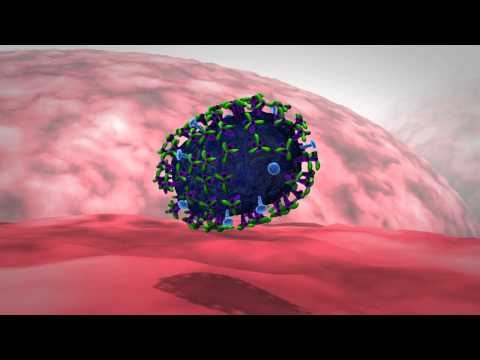
Ming-Yuan Peng posted on 2013/05/09Ever wondered why flu vaccines change every year? This video dives into the fascinating science behind 'antigenic drift' and how influenza viruses, like Influenza A, constantly mutate. You'll pick up advanced vocabulary related to virology and immunology while learning about seasonal flu and vaccine effectiveness!
Learn this video on the APP!
The VoiceTube App has more in-depth practice for videos!