
a bit longer
US
UK
- Phrase
- For a slightly longer period of time.
- Slightly more extended in length.
A1Moreadrenaline
US /əˈdrɛnəlɪn/
UK /ə'drenəlɪn/
- Noun (Countable/Uncountable)
- Chemical in the body that responds to stress, fear
- The intense excitement and energy felt when in a dangerous or exciting situation.
C1Moreas long as
US /æz lɔŋ æz/
UK /æz lɔŋ æz/
- Conjunction
- For the period that; provided that.
- For the length of time that
- Preposition
- On the condition that; providing that.
- Having the same length as.
A1Moreat home
US /æt hom/
UK /æt həum/
- Phrase
- In one's own residence or country.
- Adjective
- Feeling comfortable and relaxed.
audience
US /ˈɔdiəns/
UK /ˈɔ:diəns/
- Noun (Countable/Uncountable)
- Group of people attending a play, movie etc.
A2TOEICMorebreath
US /brɛθ/
UK /breθ/
- Uncountable Noun
- Air you take in and out of your body
- The smell of someone's breath.
A2Morebreathe
US /brið/
UK /bri:ð/
- Verb (Transitive/Intransitive)
- To move air into and out of your lungs
- To say something very softly
A2Morebreathe out
US /brið aʊt/
UK /bri:ð aut/
- Phrasal Verb
- To exhale air from the lungs.
A1Moreby accident
US /baɪ ˈæksɪdənt/
UK /bai ˈæksidənt/
- Phrase
- Without intending to; unintentionally.
by mistake
US /baɪ mɪˈstek/
UK /bai misˈteik/
- Phrase
- Accidentally; unintentionally.
A2Morecalm
US /kɑm/
UK /kɑ:m/
- Adjective
- Without wind or storm; quiet; peaceful
- Relaxed and not worried or angry
- Verb (Transitive/Intransitive)
- To make or become relaxed and not worried or angry
A2Morechemistry
US /ˈkɛmɪstri/
UK /'kemɪstrɪ/
- Uncountable Noun
- The study of the structure of substances
B1Morecoach
US /kotʃ/
UK /kəʊtʃ/
- Countable Noun
- Large, comfortable bus
- Person who teaches others how to do (sport, job)
- Transitive Verb
- To teach others how to do something (e.g. sport)
A2Moreconfidence
US /ˈkɑnfɪdəns/
UK /'kɒnfɪdəns/
- Uncountable Noun
- Feeling that you can do well at something
- Feeling you can trust someone
A2Moreconfident
US /ˈkɑnfɪdənt/
UK /ˈkɒnfɪdənt/
- Adjective
- Feeling that you can do well at something
- Having a strong belief in the truth or certainty of something.
- Noun
- A person who is self-assured and believes in their abilities.
A2Moredread
US /drɛd/
UK /dred/
- Verb (Transitive/Intransitive)
- To await with great fear
B2Morefeel like
US
UK
- Intransitive Verb
- To have a desire or inclination for something.
- To have a particular quality or sensation; resemble.
A1Morefor the rest
US /fɔr ði rɛst/
UK /fɔ: ðə rest/
- Phrase
- Concerning the remaining people or things.
- During the remaining part of a period of time.
A1Moreformation
US /fɔ:rˈmeɪʃn/
UK /fɔ:ˈmeɪʃn/
- Noun
- Process of creating; making a particular shape
B1Moregesture
US /ˈdʒɛstʃɚ/
UK /'dʒestʃə(r)/
- Noun (Countable/Uncountable)
- Bodily movement expressing a particular meaning
- Something you do to express gratitude, regret etc.
- Intransitive Verb
- To move your body to convey a message e.g. wave
A2Morego after
US /ɡo ˈæftɚ/
UK /ɡəu ˈɑ:ftə/
- Phrasal Verb
- To chase or pursue something
A1Morego back to
US /ɡo bæk tu/
UK /ɡəu bæk tu:/
- Phrasal Verb
- To return to a starting point
A1Morego on
US /ɡo ɑn/
UK /ɡəu ɔn/
- Phrasal Verb
- To continue doing something
- To happen (usually negative)
- Interjection
- Used to encourage someone
A1Morego out
US /ɡo aʊt/
UK /ɡəu aut/
- Phrase
- To leave a building (e.g. a house)
- Phrasal Verb
- (Of a fire) to burn out; be extinguished
- Go out of fashion to stop being fashionable
A1Morego together
US
UK
- Phrasal Verb
- To match well; to be harmonious or aesthetically pleasing.
- To date; to be in a romantic relationship.
A1Moregot to
US /ɡɑt tu/
UK /gɔt tu:/
- Verb (Transitive/Intransitive)
- To arrive at some place
- To have the opportunity or permission to do something
- Phrasal Verb
- To appeal to the emotions of; move
- To finally begin to start something after a delay
A1Moregym
US /dʒɪm/
UK /dʒɪm/
- Noun (Countable/Uncountable)
- Physical education taught as a class in school
- Building used for physical activities or sports
C2Morehappen by
US /ˈhæpən baɪ/
UK /ˈhæpən baɪ/
- other
- To visit a place casually or unexpectedly.
B2Morehave to
US /hæv tu/
UK /ˈhæv tə/
- Auxiliary Verb
- Must do
A1Morehorrible
US /ˈhɔrəbəl, ˈhɑr-/
UK /ˈhɒrəbl/
- Adjective
- Very bad; causing annoyance, distaste or fear
A2TOEICMorein particular
US /ɪn pɚˈtɪkjəlɚ/
UK /in pəˈtikjulə/
- Phrase
- Specifically; especially.
- Detailed or precise.
A1Morein the spotlight
US
UK
- Phrase
- Receiving a lot of public attention; at the center of attention.
- Subject to intense public scrutiny or examination.
A1Morein the way
US /ɪn ði we/
UK /in ðə wei/
- Phrase
- Obstructing someone or something; hindering progress.
- Stored or placed so as to be available or ready when needed.
A1Moreinterview
US /ˈɪntɚˌvju/
UK /'ɪntəvju:/
- Transitive Verb
- To formally ask questions about a given topic
- Noun
- Meeting to ask questions to get information
A2TOEICMoreintrovert
US /'ɪntrəvɜ:rt/
UK /'ɪntrəvɜ:t/
- Noun (Countable/Uncountable)
- Person who does not like social contact
- Intransitive Verb
- To turn inward for energy and rejuvenation.
C1TOEICMorejust kind of
US
UK
- Phrase
- Used to express a feeling or state in a vague or hesitant way.
- Used to indicate something is approximately or generally similar to something else.
A2Morekinda
US /'kaɪndə/
UK /'kaɪndə/
- Noun
- Short way of saying 'kind of'
- Adverb
- Somewhat; to some extent; rather.
- Sort of; in a way.
B2Morelook at
US /lʊk æt/
UK /luk æt/
- Phrasal Verb
- To use your eyes to focus on something
- To focus your eyes on something carefully
A1Morenaughty
US /ˈnɔti/
UK /'nɔ:tɪ/
- Adjective
- Behaving badly, e.g. so as to annoy adults
B1Morenext to
US /nɛkst tu/
UK /nekst tu:/
- Preposition
- Being located along side another
- In comparison with
- Adverb
- Almost; nearly
A1Moreon air
US /ɑn er/
UK /ɔn eə(r)/
- Adverb
- Being broadcast on radio or television.
- Adjective
- Available or accessible to the public.
A2Moreon camera
US /ɑn ˈkæmərə/
UK /ɔn ˈkæmərə/
- Adverb
- While being filmed or recorded.
- Adjective
- Having qualities that make one appear good or effective when filmed.
A1Moreon the phone
US
UK
- Phrase
- Talking on the telephone.
- Adjective
- Using a phone, especially a mobile phone.
A1Moreon the telephone
US /ɑn ðə ˈtɛləˌfoʊn/
UK /ɒn ðə ˈtɛlɪfəʊn/
- other
- Engaged in a phone call.
A2Moreout there
US /aʊt ðɛr/
UK /aut ðɛə/
- Adverb
- In or to a place that is far away
- Existing in the universe
- Adjective
- Unconventional; strange; avant-garde
- Existing or available.
A1Morepodcast
US /'pɑ:dkæst/
UK /'pɒdkɑ:st/
- Noun (Countable/Uncountable)
- A digital recording (e.g. radio show) for download
A2Morepositive
US /ˈpɑzɪtɪv/
UK /ˈpɒzətɪv/
- Adjective
- Showing agreement or support for something
- Being sure about something; knowing the truth
- Noun
- A photograph in which light areas are light and dark areas are dark
A2Morepractise
US /ˈpræktɪs/
UK /ˈpræktɪs/
- Verb (Transitive/Intransitive)
- To work as a doctor or lawyer
- To do something many times to improve a skill
A2Morerather than
US
UK
- Adverb
- More exactly; more correctly
- Preferably; instead
- Preposition
- Instead of
A1Moreset out
US /sɛt aʊt/
UK /set aut/
- Phrasal Verb
- To arrange something in an orderly fashion
- To give in detail in writing
A1Moresix times
US
UK
- Adverb
- Multiplied by six; a factor of six.
- On six occasions; six instances.
smell
US /smɛl/
UK /smel/
- Intransitive Verb
- To have a particular odor
- Transitive Verb
- To sense that something is not right
- To notice a particular odor
A2Morespeak to
US /spik tu/
UK /spi:k tu:/
- Verb (Transitive/Intransitive)
- To address or communicate with someone.
- To indicate or suggest something; to be relevant to.
A1Morespotlight
US /ˈspɑ:tlaɪt/
UK /ˈspɒtlaɪt/
- Noun
- Lamp that produces a strong beam of light
- Transitive Verb
- To highlight or put attention on something
C1Moretalking about
US
UK
- Phrasal Verb
- To discuss a particular topic.
- To be constantly mentioning or bringing up a subject.
A1Morethink about
US /θɪŋk əˈbaʊt/
UK /θiŋk əˈbaut/
- Phrasal Verb
- To consider something carefully.
- To remember or call to mind.
A1Morethink of
US /θɪŋk ʌv/
UK /θiŋk ɔv/
- Phrasal Verb
- To look on as (being something specific); consider
- To consider or remember something.
- Verb (Transitive/Intransitive)
- To imagine or call something to mind
A1Morethird one
US
UK
- Pronoun
- The item that is in the third position in a sequence.
- Noun
- The third option or choice from a set of possibilities.
A1Moretip
US /tɪp/
UK /tɪp/
- Transitive Verb
- To pour or move something from a place, container
- To give extra money for good service
- Noun
- End point of e.g. a pencil or finger
- Extra money given for good service
A2Moretwinkle
US /ˈtwɪŋkəl/
UK /ˈtwɪŋkl/
- Intransitive Verb
- To shine with a flickering gleam of light
B2Moreused to
US /juzd tu/
UK /ˈju:st tə/
- Adjective
- Did regularly before, but don't do now
- Auxiliary Verb
- Have done before, but do not do now
A1Morewait for
US /wet fɔr/
UK /weit fɔ:/
- Phrasal Verb
- To wait until someone comes, or something happens
A1Morewalk out on
US
UK
- Phrasal Verb
- To abandon or desert someone, especially someone who depends on you.
A1Morewalk through
US /wɔk θru/
UK /wɔ:k θru:/
- Phrasal Verb
- To show someone carefully how to do something
A1Morewall in
US /wɔl ɪn/
UK /wɔ:l ɪn/
- other
- To surround something tightly with walls or barriers.
C1Morework in
US /wɚk ɪn/
UK /wə:k in/
- Phrasal Verb
- To make an opening for something in your schedule
- To fit person/thing into a schedule or sequence
A1Morework out
US /wɚk aʊt/
UK /wə:k aut/
- Phrasal Verb
- To find a way to do something, by thinking
A1Moreyoga
US /ˈjoʊgə/
UK /ˈjəʊgə/
- Noun (Countable/Uncountable)
- Exercise system to gain suppleness and tranquility
B2More
Vocabulary
- have to: Must do
- on the telephone: Engaged in a phone call.
- think about: To consider something carefully.
- on the phone: Talking on the telephone.
- got to: To arrive at some place
- think of: To look on as (being something specific); consider
- look at: To use your eyes to focus on something
- in the spotlight: Receiving a lot of public attention; at the center of attention.
- work in: To make an opening for something in your schedule
- used to: Did regularly before, but don't do now
- feel like: To have a desire or inclination for something.
- as long as: For the period that; provided that.
- go back to: To return to a starting point
- go after: To chase or pursue something
- wall in: To surround something tightly with walls or barriers.
- for the rest: Concerning the remaining people or things.
- by mistake: Accidentally; unintentionally.
- happen by: To visit a place casually or unexpectedly.
- by accident: Without intending to; unintentionally.
- next to: Being located along side another
- in the way: Obstructing someone or something; hindering progress.
- third one: The item that is in the third position in a sequence.
- walk through: To show someone carefully how to do something
- a bit longer: For a slightly longer period of time.
- on camera: While being filmed or recorded.
- go out: To leave a building (e.g. a house)
- go on: To continue doing something
- out there: In or to a place that is far away
- six times: Multiplied by six; a factor of six.
- walk out on: To abandon or desert someone, especially someone who depends on you.
- speak to: To address or communicate with someone.
- wait for: To wait until someone comes, or something happens
- breathe out: To exhale air from the lungs.
- just kind of: Used to express a feeling or state in a vague or hesitant way.
- on air: Being broadcast on radio or television.
- set out: To arrange something in an orderly fashion
- go together: To match well; to be harmonious or aesthetically pleasing.
- at home: In one's own residence or country.
- rather than: More exactly; more correctly
- work out
- in particular: Specifically; especially.
- talking about: To discuss a particular topic.
- introvert: Person who does not like social contact
- positive: Showing agreement or support for something
- adrenaline: Chemical in the body that responds to stress, fear
- dread: To await with great fear
- audience: Group of people attending a play, movie etc.
- confidence: Feeling that you can do well at something
- confident: Feeling that you can do well at something
- imagine: To think creatively about; form mental picture of
- kinda: Short way of saying 'kind of'
- tip: To pour or move something from a place, container
- calm: Without wind or storm; quiet; peaceful
- brain: To strike someone forcefully on the head
- bit: Device put in a horse's mouth to control it
- horrible: Very bad; causing annoyance, distaste or fear
- nervous: Concerning the system of nerves in the body
- gesture: Bodily movement expressing a particular meaning
- stage: To organize an event to gain public interest
- podcast: A digital recording (e.g. radio show) for download
- interview: To formally ask questions about a given topic
- secret: Kept hidden from others; Known only to a few people
- important: Having power or authority
- language: Words or signs used to communicate messages
- formation: Process of creating; making a particular shape
- public: Owned by the government
- breath: Air you take in and out of your body
- question: To ask for or try to get information
- kind: In a caring and helpful manner
- learn: To get knowledge or skills by study or experience
- person: Man, woman or child
- breathe: To move air into and out of your lungs
- chemistry: The study of the structure of substances
- naughty: Behaving badly, e.g. so as to annoy adults
- stand: To be a candidate in an election
- find: To become aware of something that is happening
- coach: Large, comfortable bus
- gym: Physical education taught as a class in school
- practise: To work as a doctor or lawyer
- spotlight: Lamp that produces a strong beam of light
- smell: To have a particular odor
- yoga: Exercise system to gain suppleness and tranquility
- twinkle: To shine with a flickering gleam of light
Get the full experience in the app
Learn anywhere with detailed sentence and usage analysis
01:03
She took a brave step forward, leaving behind her comfort zone to chase her dreams.
Vocabulary
- brave
adj. Having courage
- comfort zone
phr. A familiar situation where one feels safe
Explanation
a brave step is a noun phrase, where brave is an adjective modifying the noun step, meaning "a courageous step".
forward is an adverb modifying step, meaning "ahead".
The whole phrase serves as the object, answering the "what" of took (verb) — she took a brave step forward.
Get the full experience in the app
Look up words anytime with pronunciation, part of speech, and usage
brave
US/brev/
UK/breɪv/
adj.Brave
v.t.To bravely face
A2 Elementary
Get the full experience in the app
Practice speaking anytime and get instant pronunciation feedback
Try this speaking exercise.
Try practicing with this sentence.
80
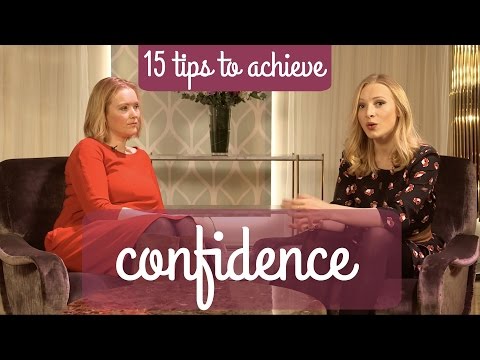
15 Secrets to Confidence in Any Situation with Voice Coach Caroline Goyder #BeBoldForChange
0
Bert Lin posted on 2017/03/16Ever feel nervous before a big presentation or an important interview? Voice coach Caroline Goyder shares 15 secrets to boost your confidence in any situation, from workplace challenges to dating! You'll pick up practical tips and advanced vocabulary to help you speak with a calm, assured voice.
Learn this video on the APP!
The VoiceTube App has more in-depth practice for videos!