
acetic
US /ə'si:tɪk/
UK /ə'si:tɪk/
- Adjective
- Concerning or containing acetic acid
C2Moreacid
US /ˈæsɪd/
UK /ˈæsɪd/
- Noun (Countable/Uncountable)
- Sour substance that reacts with metals e.g. lemon
A2Moreammonia
US /əˈmonjə/
UK /ə'məʊnɪə/
- Uncountable Noun
- Colorless liquid or gas used in cleaning products
B2Moreas a result of
US
UK
- Phrase
- Because of something; owing to.
A1Moreas opposed to
US
UK
- Preposition
- In contrast to; rather than.
- Instead of; in place of.
A1Moreas well as
US /æz wɛl æz/
UK /æz wel æz/
- Adverb
- Also; in addition to
- Preposition
- In addition to; and also.
A1Morebacteria
US /bækˈtɪriə/
UK /bæk'tɪərɪə/
- Noun (plural)
- The very small creatures that can cause disease
B2Morebacterium
US /bækˈtɪriəm/
UK /bæk'tɪərɪəm/
- Countable Noun
- The very small creatures that can cause disease
B2Moreban
US /bæn/
UK /bæn/
- Transitive Verb
- To make something illegal or not allowed
- To prohibit someone from participating in a particular online community or game.
- Noun (Countable/Uncountable)
- Official action preventing something happening
- A prohibition from participating in a particular online community or game.
B1Morebladder
US /ˈblædɚ/
UK /ˈblædə(r)/
- Noun
- Soft bag which holds liquid or air
- Part of the body that holds urine
B1Morebrine
US /braɪn/
UK /braɪn/
- Uncountable Noun
- Water that contains a lot of salt, e.g. sea water
C1Morebury
US /ˈbɛri/
UK /'berɪ/
- Transitive Verb
- To put something into the ground and cover it
B1Morecheese
US /tʃiz/
UK /tʃi:z/
- Noun (Countable/Uncountable)
- Yellowish solid food made from aged milk
- Intransitive Verb
- To smile broadly for a photograph
A2Morechewy
US /ˈtʃui/
UK /ˈtʃu:i/
- Adjective
- (Of food) needing a lot of chewing; tough
B1Moreclay
US /kle/
UK /kleɪ/
- Uncountable Noun
- Heavy sticky earth used to make pottery
- Proper Noun
- Person's name
B1Moreclot
US /klɑ:t/
UK /klɒt/
- Noun (Countable/Uncountable)
- Mass of blood, etc. that has dried up/become thick
- Intransitive Verb
- To make a liquid such as blood turn thick or solid
B2TOEICMorecritic
US /ˈkrɪtɪk/
UK /'krɪtɪk/
- Noun (Countable/Uncountable)
- Person who judges (e.g. art) and gives opinions
- A person who tends to find fault or express adverse criticism.
A2Morecure
US /kjʊr/
UK /kjʊə(r)/
- Noun
- Something that solves a problem or makes it better
- Medical treatment making a sick person healthy
- Transitive Verb
- To fix or improve a problem
- To make someone healthy or make a disease go away
B1Moredetect
US /dɪˈtɛkt/
UK /dɪˈtekt/
- Transitive Verb
- To discover or identify the presence of something
A2TOEICMoredig
US /dɪɡ/
UK /dɪg/
- Verb (Transitive/Intransitive)
- To move material to create a hole
- To search or investigate thoroughly.
A2Moredish
US /dɪʃ/
UK /dɪʃ/
- Countable Noun
- Shallow container that you cook or serve food in
- Food that has been prepared in a certain way
A2Moredistinct
US /dɪˈstɪŋkt/
UK /dɪˈstɪŋkt/
- Adjective
- Clearly different in nature from something else
- Clearly noticeable; easily perceived.
A2Moredue to
US /du tu/
UK /dju: tu:/
- Preposition
- Because of; owing to
- Adjective
- Attributable to; caused by.
A1Moreegg
US /ɛɡ/
UK /eg/
- Noun (Countable/Uncountable)
- Hard-shelled thing from which a young bird is born
A2Moreferment
US / fɚˈmɛnt/
UK /'fɜ:ment/
- Intransitive Verb
- To go through a chemical change to make alcohol
B2TOEICMorefood critic
US
UK
- Noun
- A person who professionally evaluates and critiques food and restaurants.
A1Moregeneration
US /ˌdʒɛnəˈreʃən/
UK /ˌdʒenəˈreɪʃn/
- Noun (Countable/Uncountable)
- Act or process of producing or causing something
- People born and living at about the same time
A2TOEICMoregoat
US /goʊt/
UK /gəʊt/
- Countable Noun
- Small animal with beard and horns
B2Moregrease
US /ɡris/
UK /gri:s/
- Uncountable Noun
- Liquid or melted fat from animals used for cooking
- Thick gel used to lubricate a machine
- Transitive Verb
- To use grease to lubricate a machine
B2Morehard to swallow
US /hɑrd tə ˈswɑloʊ/
UK /hɑ:d tə ˈswɒləu/
- other
- Difficult to accept or believe as true.
B2Morehealth benefits
US
UK
- Noun (plural)
- Advantages provided by an employer or insurance plan related to healthcare, such as medical, dental, and vision coverage.
- Positive effects on one's physical or mental condition resulting from certain activities or lifestyle choices.
horse
US /hɔ:rs/
UK /hɔ:s/
- Noun (Countable/Uncountable)
- Large animal with 4 legs used for riding
- Stand or frame used to support something
- Intransitive Verb
- To fool around stupidly
A2Morehung
US /hʌŋ/
UK /hʌŋ/
- Transitive Verb
- To attach a picture, photograph etc. onto a wall
- To kill by putting rope around neck and dropping
- Intransitive Verb
- To float, move softly, or remain in the air
- To remain undecided, unsolved or unclear
A2Morein the world
US /ɪn ði wɜrld/
UK /in ðə wɜː(r)ld/
- Phrase
- Used to emphasize a question expressing surprise, confusion, disbelief
- Used to indicate the extent or degree of something, often in a superlative sense
A1Morelick
US /lɪk/
UK /lɪk/
- Transitive Verb
- To pass the tongue along something, e.g. ice cream
- To defeat (someone) easily.
- Intransitive Verb
- (of flames) to flicker over or around (something).
B1Morelikelihood
US /ˈlaɪkliˌhʊd/
UK /ˈlaɪklihʊd/
- Uncountable Noun
- Chance that something might happen
B1TOEICMoremade with
US
UK
- Phrase
- Containing a particular ingredient or material.
- Created or produced using a specific tool, method, or process.
- Phrasal Verb
- To offer or provide something, often quickly or unexpectedly.
A1Moremeat
US /mit/
UK /mi:t/
- Uncountable Noun
- Flesh of a dead animal that you eat
- Noun
- Something that is important or significant
A2Moremixture
US /ˈmɪkstʃɚ/
UK /ˈmɪkstʃə(r)/
- Noun (Countable/Uncountable)
- Something made by combining two or more things
B1Moremushy
US /ˈmʌʃi, ˈmʊʃi/
UK /'mʌʃɪ/
- Adjective
- Excessively or insincerely emotional
- Soft and pulpy; lacking firmness.
- Uncountable Noun
- A soft, pulpy mass, especially of food.
B2Moremyth
US /mɪθ/
UK /mɪθ/
- Noun (Countable/Uncountable)
- Popular belief that is false, unsupported by fact
- Famous story dealing with origins of a culture
B1Morenative
US /ˈnetɪv/
UK /ˈneɪtɪv/
- Noun (Countable/Uncountable)
- Someone from or born in a specific country
- Original inhabitant, e.g. before others
- Adjective
- Caused by natural ability; innate
A2Moreodor
US /'oʊdə/
UK /'əʊdə/
- Noun
- A certain smell, often strong or distinct
- A distinctive smell, especially an unpleasant one.
- Noun (Countable/Uncountable)
- A certain smell, often strong or distinct
B1TOEICMorepartially
US /ˈpɑ:rʃəli/
UK /ˈpɑ:ʃəli/
- Adverb
- In part; in some degree; not wholly
B1Morepoisonous
US /ˈpɔɪzənəs/
UK /ˈpɔɪzənəs/
- Adjective
- Harmful; unfriendly; unpleasant
- Causing sickness or death when eaten or drunk
A2Morepreserve
US /prɪˈzɜ:rv/
UK /prɪˈzɜ:v/
- Transitive Verb
- To cook food so it can be kept for long periods
- To protect something from harm, loss or damage
- Noun (Countable/Uncountable)
- Sweet fruit spread; jam
- Protected area of land with plants and animals
B1TOEICMorepungent
US /ˈpʌndʒənt/
UK /ˈpʌndʒənt/
- Adjective
- Being very strong in smell or taste
C1Morerather than
US
UK
- Adverb
- More exactly; more correctly
- Preferably; instead
- Preposition
- Instead of
A1Morerotten
US /ˈrɑtn/
UK /'rɒtn/
- Adjective
- Gone bad; broken into pieces through dying
B2TOEICMorerugby
US /ˈrʌɡbi/
UK /ˈrʌgbi/
- Noun
- Game played by two teams with an oval ball
B2Moreseal
US /sil/
UK /si:l/
- Transitive Verb
- To close tightly to protect it from leaking
- To close an envelop or package
- Noun
- Large fish-eating animal that lives on sea or land
- Official mark made in hot wax to close a document
B1Moresewing
US /ˈsoʊɪŋ/
UK /ˈsəʊɪŋ/
- Verb (Transitive/Intransitive)
- To make something using a needle and thread
B1Moreshark
US /ʃɑ:rk/
UK /ʃɑ:k/
- Noun
- Person who lends money at unfair rates of interest
- Large and dangerous fish with sharp teeth
B2Moreskate
US /sket/
UK /skeɪt/
- Noun
- Flat sea fish
- Boot with a metal blade attached to the bottom
- Intransitive Verb
- To slide on ice wearing boots with a metal blade
- To slide on a surface, e.g. ice
B2Moreskin
US /skɪn/
UK /skɪn/
- Transitive Verb
- To defeat someone easily and completely
- To hurt yourself, accidentally cutting yourself
- Noun
- Outer covering of an animal used for leather; hide
- Outer covering of a fruit or vegetable
A2Moreslippery
US /ˈslɪpəri/
UK /ˈslɪpəri/
- Adjective
- Difficult to hold or stand as it's smooth/wet/icy
- Hard to pin down; avoiding telling facts; evasive
B1Moresmell
US /smɛl/
UK /smel/
- Intransitive Verb
- To have a particular odor
- Transitive Verb
- To sense that something is not right
- To notice a particular odor
A2Moresmelly
US /ˈsmɛli/
UK /ˈsmeli/
- Adjective
- Having an unpleasant odor or smell
A2Moresoak
US /sok/
UK /səʊk/
- Transitive Verb
- To make something completely wet
- To place something in liquid for a period of time
- Noun
- Placement in liquid for a period of time
B1Moresoap
US /sop/
UK /səʊp/
- Noun (Countable/Uncountable)
- Hard cream-like substance used to wash something
- A TV serial
- Transitive Verb
- To put soap on something so it can be cleaned
A2Morestinking
US /ˈstɪŋkɪŋ/
UK /ˈstɪŋkɪŋ/
- Adjective
- (Of a coward, criminal etc.) morally very bad
- Intransitive Verb
- To smell terrible
B2Morestuffing
US /ˈstʌfɪŋ/
UK /ˈstʌfɪŋ/
- Transitive Verb
- To push material inside something, with force
- Uncountable Noun
- Mixture of seasonings put in a roast chicken
B2Moreswallow
US /ˈswɑː.loʊ/
UK /'swɒləʊ/
- Transitive Verb
- To believe (something that is not true)
- To make food go from your mouth to your stomach
- Countable Noun
- Small northern bird with downward-pointing wings
A2Moretofu
US /'toʊfu:/
UK /'təʊfu:/
- Uncountable Noun
- Compressed bean curd used in cooking
C1Moretop it off
US
UK
- Phrasal Verb
- To complete something in a particularly good or impressive way.
A2Moretraditionally
US /trə'dɪʃənəlɪ/
UK /trə'dɪʃənəlɪ/
- Adverb
- Something done in a customary, traditional manner
B2Moreuric acid
US
UK
- Uncountable Noun
- A crystalline acid that is the final product of purine metabolism and is found in blood and urine.
B2Moreused to
US /juzd tu/
UK /ˈju:st tə/
- Adjective
- Did regularly before, but don't do now
- Auxiliary Verb
- Have done before, but do not do now
A1Morevomit
US /ˈvɑ:mɪt/
UK /ˈvɒmɪt/
- Noun (Countable/Uncountable)
- Food coming back up from stomach, due to illness
- Verb (Transitive/Intransitive)
- To bring (blood, etc.) up and out of mouth
B2Morewrap
US /ræp/
UK /ræp/
- Countable Noun
- Piece of clothing worn loosely on the shoulders
- Thin bread filled with food and rolled
- Transitive Verb
- To be or move around something
- To cover something with paper or a cloth e.g. gift
B1More
Vocabulary
- uric acid: A crystalline acid that is the final product of purine metabolism and is found in blood and urine.
- due to: Because of; owing to
- as a result of: Because of something; owing to.
- health benefits: Advantages provided by an employer or insurance plan related to healthcare, such as medical, dental, and vision coverage.
- top it off: To complete something in a particularly good or impressive way.
- hard to swallow: Difficult to accept or believe as true.
- rather than: More exactly; more correctly
- made with: Containing a particular ingredient or material.
- used to: Did regularly before, but don't do now
- in the world: Used to emphasize a question expressing surprise, confusion, disbelief
- as well as: Also; in addition to
- as opposed to: In contrast to; rather than.
- food critic: A person who professionally evaluates and critiques food and restaurants.
- fish: Animal that swims and lives in water
- eat: To put food in your mouth
- egg: Hard-shelled thing from which a young bird is born
- cheese: Yellowish solid food made from aged milk
- meat: Flesh of a dead animal that you eat
- give: Degree of flexibility in something, a material
- food: What people and animals eat to live
- open: To make accessible or able to be used, e.g. road
- horse: Large animal with 4 legs used for riding
- grey: Color between black and white (also spelled gray)
- rice: Person's name
- dish: Shallow container that you cook or serve food in
- skate: Flat sea fish
- dry: (Of humor) clever, but not obvious; ironic
- rugby: Game played by two teams with an oval ball
- air: Mixture of gases around the earth that we breathe
- strong: (Of tea or beer) dark or thick
- soap: Hard cream-like substance used to wash something
- smell: To have a particular odor
- skin: To defeat someone easily and completely
- generation: Act or process of producing or causing something
- due: When something is required or expected
- bury: To put something into the ground and cover it
- sewing: To make something using a needle and thread
- chewy: (Of food) needing a lot of chewing; tough
- dig: To move material to create a hole
- smelly: Having an unpleasant odor or smell
- shark: Person who lends money at unfair rates of interest
- goat: Small animal with beard and horns
- aged: To keep food, wine for a long time to improve it
- partially: In part; in some degree; not wholly
- wrap: Piece of clothing worn loosely on the shoulders
- hung: To attach a picture, photograph etc. onto a wall
- acid: Sour substance that reacts with metals e.g. lemon
- soak: To make something completely wet
- lick: To pass the tongue along something, e.g. ice cream
- critic: Person who judges (e.g. art) and gives opinions
- clay: Heavy sticky earth used to make pottery
- seal: To close tightly to protect it from leaking
- poisonous: Harmful; unfriendly; unpleasant
- cure: Something that solves a problem or makes it better
- preserve: To cook food so it can be kept for long periods
- ban: To make something illegal or not allowed
- myth: Popular belief that is false, unsupported by fact
- swallow: To believe (something that is not true)
- traditionally: Something done in a customary, traditional manner
- mixture: Something made by combining two or more things
- native: Someone from or born in a specific country
- bacterium: The very small creatures that can cause disease
- slippery: Difficult to hold or stand as it's smooth/wet/icy
- detect: To discover or identify the presence of something
- distinct: Clearly different in nature from something else
- bacteria: The very small creatures that can cause disease
- odor: A certain smell, often strong or distinct
- vomit: Food coming back up from stomach, due to illness
- likelihood: Chance that something might happen
- ferment: To go through a chemical change to make alcohol
- ammonia: Colorless liquid or gas used in cleaning products
- brine: Water that contains a lot of salt, e.g. sea water
- pungent: Being very strong in smell or taste
- tofu: Compressed bean curd used in cooking
- rotten: Gone bad; broken into pieces through dying
- acetic: Concerning or containing acetic acid
- mushy: Excessively or insincerely emotional
- stinking: (Of a coward, criminal etc.) morally very bad
- stuffing: To push material inside something, with force
- clot: Mass of blood, etc. that has dried up/become thick
- grease: Liquid or melted fat from animals used for cooking
- baltic: A branch of the Indo-European family of languages related to the Slavonic languages; Baltic languages have preserved many archaic features that are believed to have existed in Proto-Indo European
- bladder: Soft bag which holds liquid or air
Get the full experience in the app
Learn anywhere with detailed sentence and usage analysis
01:03
She took a brave step forward, leaving behind her comfort zone to chase her dreams.
Vocabulary
- brave
adj. Having courage
- comfort zone
phr. A familiar situation where one feels safe
Explanation
a brave step is a noun phrase, where brave is an adjective modifying the noun step, meaning "a courageous step".
forward is an adverb modifying step, meaning "ahead".
The whole phrase serves as the object, answering the "what" of took (verb) — she took a brave step forward.
Get the full experience in the app
Look up words anytime with pronunciation, part of speech, and usage
brave
US/brev/
UK/breɪv/
adj.Brave
v.t.To bravely face
A2 Elementary
Get the full experience in the app
Practice speaking anytime and get instant pronunciation feedback
Try this speaking exercise.
Try practicing with this sentence.
80
0
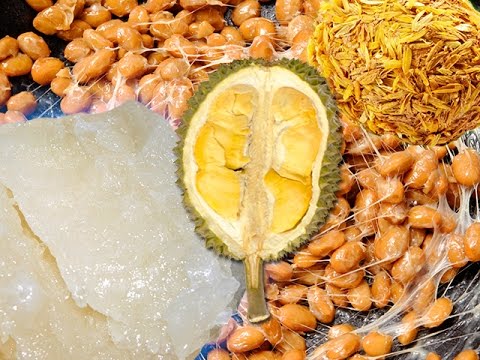
SylviaQQ posted on 2015/09/06Ever wondered what century eggs, natto, or durian actually smell like? This video dives into some of the world's smelliest foods, from fermented fish to pungent cheeses, and you'll pick up some fascinating vocabulary to describe intense odors along the way!
Learn this video on the APP!
The VoiceTube App has more in-depth practice for videos!