
accurate
US /ˈækjərɪt/
UK /ˈækjərət/
- Adjective
- With no mistake or error; Correct
A2Moreall the rage
US
UK
- Phrase
- Being the current popular thing
B1Moreanswer to
US
UK
- Phrasal Verb
- To be responsible to someone and have to explain your actions to them.
- To correspond to or match a description or requirement.
A1Moreapproach
US /əˈprəʊtʃ/
UK /ə'prəʊtʃ/
- Verb (Transitive/Intransitive)
- To get close to reaching something or somewhere
- To request someone to do something specific
- Noun (Countable/Uncountable)
- Means of reaching a place, often a road or path
- Request of someone with a specific goal in mind
A2TOEICMoreas one
US
UK
- Adverb
- Acting or moving together at the same time.
- In complete agreement or unity.
- Phrase
- With a single voice or opinion; unanimously.
- In perfect harmony or unison.
A1Moreas opposed to
US
UK
- Preposition
- In contrast to; rather than.
- Instead of; in place of.
A1Moreat a time
US /æt e taɪm/
UK /æt ə taim/
- Phrase
- Separately; one by one
- Simultaneously; together
A1Moreat heart
US /æt hɑrt/
UK /æt hɑ:t/
- Phrase
- In one's real or essential nature; fundamentally.
A1Moreat home
US /æt hom/
UK /æt həum/
- Phrase
- In one's own residence or country.
- Adjective
- Feeling comfortable and relaxed.
at scale
US
UK
- Phrase
- In large quantities; with significant reach or impact.
- Widely; extensively; with broad application.
A1Moreat the same time
US
UK
- Phrase
- Simultaneously; at the identical moment.
- Nevertheless; however; used to introduce a contrasting or qualifying statement.
A1Moreaudience
US /ˈɔdiəns/
UK /ˈɔ:diəns/
- Noun (Countable/Uncountable)
- Group of people attending a play, movie etc.
A2TOEICMorebased on
US
UK
- Phrasal Verb
- To use something as the foundation or starting point for something else.
- Preposition
- Using something as the main idea or foundation.
- Relying on something as evidence or justification.
A1Morebest known
US
UK
- Adjective
- Most widely or popularly recognized, famous, or familiar.
A1Morebias
US /ˈbaɪəs/
UK /'baɪəs/
- Noun (Countable/Uncountable)
- Preference to believe things even if incorrect
- A systematic error in a statistical result
- Transitive Verb
- To unfairly favor one view over another
- To cause someone to have prejudice
B1TOEICMorebreak down
US /brek daʊn/
UK /breik daun/
- Phrasal Verb
- To forcibly break, destroy or make collapse
- (Machine) to stop working or become weaker
A1Morecare of
US /kɛr ʌv/
UK /kɛə ɔv/
- Preposition
- Used in an address to indicate the person who will receive the mail for someone else.
A2Morecheck out
US /tʃɛk aʊt/
UK /tʃek aut/
- Phrase
- Phrasal Verb
- To find out information about something
- To take books out of a library
A1Morechronic
US /ˈkrɑnɪk/
UK /'krɒnɪk/
- Adjective
- Always or often doing something, e.g. lying
- (Of disease) over a long time; serious
B1Morecome back
US /kʌm bæk/
UK /kʌm bæk/
- Phrasal Verb
- To reply to someone, often forcefully
- To be remembered
A1Morecome from
US /kʌm frʌm/
UK /kʌm frɔm/
- Phrasal Verb
- To have as your native country or city
A1Morecoming into play
US
UK
- Intransitive Verb
- To become a factor; to have an effect or become relevant.
A1Morecontent
US /ˈkɑnˌtɛnt/
UK /'kɒntent/
- Adjective
- Being happy or satisfied
- In a state of peaceful happiness.
- Noun (Countable/Uncountable)
- Information in something, e.g. book or computer
- The subject matter of a book, speech, etc.
A2Moredeal with
US /dil wɪð/
UK /di:l wið/
- Verb (Transitive/Intransitive)
- To buy or sell goods or services.
- Phrasal Verb
- To take action to solve a problem or manage a situation.
- To be about; concern.
A1Moredevice
US /dɪˈvaɪs/
UK /dɪˈvaɪs/
- Noun (Countable/Uncountable)
- Object, machine, or equipment for a specific use
- Method of doing something; a way
A2TOEICMoredisease
US /dɪˈziz/
UK /dɪˈzi:z/
- Noun (Countable/Uncountable)
- Illness that affects a person, animal, or plant
- A disorder of structure or function in a plant, especially one caused by a pathogen.
- Transitive Verb
- To affect with disease; to corrupt or sicken.
A2TOEICMoredisinformation
US /ˌdɪsˌɪnfərˈmeɪʃn/
UK /ˌdɪsˌɪnfəˈmeɪʃn/
- Uncountable Noun
- Information intended to confuse others
B1Moredisparity
US /dɪˈspærɪti/
UK /dɪˈspærəti/
- Noun (Countable/Uncountable)
- Unfair difference between things; inequality
- Inconsistency; incongruity.
B2Moreequation
US /ɪˈkweʒən, -ʃən/
UK /ɪˈkweɪʒn/
- Noun (Countable/Uncountable)
- Mathematical statement showing things to be equal
- Complex set of different facts, ideas or issues
B1Moreequitable
US /ˈɛkwɪtəbəl/
UK /ˈekwɪtəbl/
- Adjective
- Fair for all people involved
B2Moreessentially
US /ɪˈsenʃəli/
UK /ɪˈsenʃəli/
- Adverb
- Basically; (said when stating the basic facts)
- Used to emphasize the basic truth or fact of a situation.
A2Moreexperience in
US
UK
- Phrase
- Knowledge or skill gained from doing something for a period of time.
- Exposure to or involvement in a particular activity or situation.
B1Morefamily members
US
UK
- Noun (plural)
- People related by blood, marriage, or adoption.
A1Morefigure out
US /ˈfɪɡjɚ aʊt/
UK /ˈfiɡə aut/
- Phrasal Verb
- To understand the behavior of someone
- To think through logically to find a solution
- Verb (Transitive/Intransitive)
- To understand or find an answer to something.
- To find a solution to a problem or understand something.
A1Morefilter out
US /ˈfɪltɚ aʊt/
UK /ˈfiltə aut/
- Phrasal Verb
- To remove or separate something unwanted from a liquid or gas using a filter; to remove or ignore something unwanted from a group or collection.
- To ignore or block something from your awareness.
C2Morefinish up
US
UK
- Phrasal Verb
- To complete or bring something to an end.
flaw in
US
UK
- Noun
- A defect or imperfection in something.
- A weakness or error in an argument or reasoning.
follow along
US /ˈfɑlo əˈlɔŋ/
UK /ˈfɔləu əˈlɔŋ/
- Phrasal Verb
- To agree to do or act the same as others
A1Morefor example
US
UK
- Phrase
- As an illustration or instance.
for myself
US /fɚ maɪˈsɛlf/
UK /fə maɪˈself/
- other
- Done for one's own benefit or use.
A1Morefound out
US
UK
- Phrasal Verb
- To learn or discover something, often after some effort.
- To become known; be revealed.
B2Morego ahead
US /ɡo əˈhɛd/
UK /ɡəu əˈhed/
- Phrasal Verb
- To start an activity; start doing, working etc.
- To give permission to do something
- Intransitive Verb
- To start or proceed with something
- To proceed despite potential obstacles or doubts.
A1Morego back to
US /ɡo bæk tu/
UK /ɡəu bæk tu:/
- Phrasal Verb
- To return to a starting point
A1Moregoes to show
US
UK
- Phrase
- To demonstrate or prove something.
A1Moregoing on
US /ˈɡoɪŋ ɑn/
UK /ˈgəʊɪŋ ɔn/
- Phrasal Verb
- To continue doing something
- To happen (usually negative)
A1Moregrandma
US /ˈɡrændˌmɑ,/
UK /ˈgrænmɑ:/
- Noun
- Mother of your father or mother
B2Morehalfway through
US
UK
- Adverb
- At or in the middle of a period of time or an activity.
- Phrase
- Having completed approximately half of something.
A2Morehang on
US /hæŋ ɑn/
UK /hæŋ ɔn/
- Phrasal Verb
- To wait for the person you phoned to answer
- To persevere or persist, especially in a difficult situation.
A2Morehang out
US /hæŋ aʊt/
UK /hæŋ aut/
- Phrasal Verb
- To spend time with your friends
- To spend times with friends or relax doing nothing
A2Morehave to
US /hæv tu/
UK /ˈhæv tə/
- Auxiliary Verb
- Must do
A1Morehealthcare
US /'helθker/
UK /'helθkeə/
- Uncountable Noun
- Nursing care to prevent illness or recover from it
B1Morehold onto
US /hold ˈɑnˌtu/
UK /həuld ˈɔntu/
- Phrasal Verb
- To grasp or grip something tightly.
- To keep or retain possession of something.
A1Moreimpact
US /ˈɪmˌpækt/
UK /'ɪmpækt/
- Noun
- A striking effect or result to hit with force
- Act or force of one thing hitting something else
- Verb (Transitive/Intransitive)
- To hit or strike someone or something with force
- To have a strong effect on someone or something.
A2TOEICMorein addition to
US /ɪn əˈdɪʃən tu/
UK /in əˈdiʃən tu:/
- Preposition
- Besides; as well as
- Phrase
- Besides; as well as.
- Furthermore; moreover.
B1Morein evidence
US
UK
- Phrase
- Easily seen; apparent or obvious.
- Presented or available as proof in a legal case.
A1Morein order to
US /ɪn ˈɔrdɚ tu/
UK /in ˈɔ:də tu:/
- Preposition
- For the purpose of; with the aim of.
- Phrase
- In a specific sequence or arrangement.
- With the aim of; for the purpose of.
C1Morein particular
US /ɪn pɚˈtɪkjəlɚ/
UK /in pəˈtikjulə/
- Phrase
- Specifically; especially.
- Detailed or precise.
A1Morein person
US /ɪn ˈpɜːrsn/
UK /in ˈpɜːsn/
- Adverb
- Physically present; not by proxy or remotely.
- Face-to-face; not through electronic communication.
A1Morein public
US /ɪn ˈpʌblɪk/
UK /in ˈpʌblik/
- Phrase
- In a place where anyone can see or hear you.
- Adjective
- Relating to the government or the people as a whole.
B1Morein terms of
US
UK
- Phrase
- With regard to; concerning a particular aspect.
A1Morein the first place
US
UK
- Phrase
- To begin with; as the first point or consideration.
- From the beginning; initially.
A1Morein the future
US /ɪn ði ˈfjutʃɚ/
UK /in ðə ˈfju:tʃə/
- Phrase
- At a later time; in times to come.
A1Morein the way
US /ɪn ði we/
UK /in ðə wei/
- Phrase
- Obstructing someone or something; hindering progress.
- Stored or placed so as to be available or ready when needed.
A1Morein the works
US
UK
- Adjective
- Being planned or prepared; in progress.
- Phrase
- Under development or being actively planned.
A1Moreincredible
US /ɪnˈkrɛdəbəl/
UK /ɪnˈkredəbl/
- Adjective
- Very good; amazing
- Really good; amazing; great
A2TOEICMoreinstead of
US /ɪnˈstɛd ʌv/
UK /inˈsted ɔv/
- Preposition
- When one thing is replaced by another
- Adverb
- As a substitute or alternative.
A1Morekidney
US /ˈkɪdni/
UK /'kɪdnɪ/
- Noun (Countable/Uncountable)
- Body organ that cleans blood, producing urine
- An animal kidney used as food.
- Adjective
- Relating to the kidneys.
- Having the shape of a kidney; bean-shaped.
B2Morelead to
US /lid tu/
UK /li:d tu:/
- Phrasal Verb
- To result in some action
- Verb (Transitive/Intransitive)
- To have something as a consequence or result.
A1Moreleft out
US
UK
- Phrasal Verb
- To forget; omit
- To exclude someone or something; to not include.
A1Morelook at
US /lʊk æt/
UK /luk æt/
- Phrasal Verb
- To use your eyes to focus on something
- To focus your eyes on something carefully
A1Morelook up to
US /lʊk ʌp tu/
UK /luk ʌp tu:/
- Phrasal Verb
- To respect or admire someone
A1Moremedical
US /ˈmɛdɪkəl/
UK /ˈmedɪkl/
- Adjective
- Of or relating to physical health or medicine
- Noun
- A health check or test
A2Moremention
US /ˈmɛnʃən/
UK /'menʃn/
- Transitive Verb
- To refer to or talk or write about something
- Uncountable Noun
- Act of referring to or talking about something
- A formal acknowledgement of something
A2TOEICMoremisinformation
US /ˌmɪsɪnfə'meɪʃn/
UK /ˌmɪsɪnfə'meɪʃn/
- Uncountable Noun
- Information that is incorrect
B1Moremove back
US /muv bæk/
UK /mu:v bæk/
- Phrasal Verb
- To retreat or withdraw from a position.
- To reposition or shift something to a previous location.
A2Moremove into
US /muv ˈɪntu/
UK /mu:v ˈɪntuː/
- Phrasal Verb
- To start living in a new house or building
- To start being involved in a new area of business or activity.
of course
US /ʌv kɔː(r)s/
UK /ɔv kɔː(r)s/
- Adverb
- Sure ; Certainly
- Phrase
- For sure; certainly
A2Moreon the ground
US
UK
- Phrase
- Located on the surface of the earth.
- Present and available in a particular place, especially to deal with a situation.
on to
US /ɑn tu/
UK /ɔn tu:/
- Preposition
- Toward something; forward
- Aware of someone's activities.
- Adjective
- Aware of someone's deception or illegal activities.
A1Moreonline
US /ˌɑ:nˈlaɪn/
UK /ˌɒnˈlaɪn/
- Adjective
- Connected to the internet
- Adverb
- Via the internet.
B1Moreout there
US /aʊt ðɛr/
UK /aut ðɛə/
- Adverb
- In or to a place that is far away
- Existing in the universe
- Adjective
- Unconventional; strange; avant-garde
- Existing or available.
A1Moreoutside of
US /aʊtˈsaɪd ʌv/
UK /ˌautˈsaid ɔv/
- Preposition
- Located or situated beyond the boundaries or confines of something.
- Beyond the scope, range, or limits of something.
A1Moreoxygen
US /ˈɑksɪdʒən/
UK /'ɒksɪdʒən/
- Uncountable Noun
- A gas in the air that we need to breathe
- Oxygen administered as a medical treatment.
B1Morepandemic
US /pænˈdɛmɪk/
UK /pæn'demɪk/
- Adjective
- (of a disease) existing in almost all of an area or in almost all of a group of people, animals, or plants
- Noun
- a pandemic disease
C2Morepodcast
US /'pɑ:dkæst/
UK /'pɒdkɑ:st/
- Noun (Countable/Uncountable)
- A digital recording (e.g. radio show) for download
A2Morepulse
US /pʌls/
UK /pʌls/
- Noun (Countable/Uncountable)
- Regular beating of a heart
- A single vibration or short burst of sound, light, electricity, or other energy.
- Verb (Transitive/Intransitive)
- To beat in a rhythm
- To emit or produce in pulses.
B1Moreput out
US /pʊt aʊt/
UK /put aut/
- Phrasal Verb
- To publish, e.g. a book
- To cause someone to be troubled or inconvenienced
A1Morerace
US /res/
UK /reɪs/
- Noun (Countable/Uncountable)
- Speed contest between people, animals or vehicles
- People who share physical features or culture
- Intransitive Verb
- To take part in a running or swimming competition
- To move or go at a very fast pace
A2Moreracial
US /ˈreʃəl/
UK /ˈreɪʃl/
- Adjective
- Of or relating to race
B2Morereach
US /ritʃ/
UK /ri:tʃ/
- Verb (Transitive/Intransitive)
- To come to or arrive at a goal or destination
- To be long enough to get to a certain place
- Uncountable Noun
- Power or control someone has over something
A2TOEICMoreresearch
US /rɪˈsɚtʃ, ˈriˌsɚtʃ/
UK /rɪ'sɜ:tʃ/
- Verb (Transitive/Intransitive)
- To study in order to discover new ideas and facts
- To study the market relating to marketing products and services.
- Noun (Countable/Uncountable)
- Study done to discover new ideas and facts
- A particular area or topic of study.
A2TOEICMoreroot out
US /rut aʊt/
UK /ru:t aut/
- Phrasal Verb
- To find and get rid of something completely, especially something unpleasant or unwanted.
B2Moresame time
US
UK
- Phrase
- Occurring simultaneously or at the same point in time.
- At the identical time as before; recurring at a fixed hour.
- Noun
- An equal duration or period.
A1Moreset out
US /sɛt aʊt/
UK /set aut/
- Phrasal Verb
- To arrange something in an orderly fashion
- To give in detail in writing
A1Moreshow in
US /ʃo ɪn/
UK /ʃəu ɪn/
- other
- To lead someone into a room or building.
A2Moreshy away from
US
UK
- Phrasal Verb
- To avoid something because of nervousness or a lack of confidence.
A2Moreshying away
US
UK
- Phrasal Verb
- To avoid something because of nervousness or a lack of confidence.
A2Moresit around
US /sit əˈraʊnd/
UK /sit əˈraund/
- Phrasal Verb
- To spend time idly; to do nothing in particular.
A1Moretake off
US /tek ɔf/
UK /teik ɔf/
- Phrasal Verb
- To remove, e.g. your clothes
- To make arrangements to be absent from work
- Verb (Transitive/Intransitive)
- To remove (an item of clothing).
- To depart; to leave.
A1Moretake on
US /tek ɑn/
UK /teik ɔn/
- Phrasal Verb
- To acquire a new characteristic
- To accept a new responsibility, role
A1Moretalking about
US
UK
- Phrasal Verb
- To discuss a particular topic.
- To be constantly mentioning or bringing up a subject.
A1Morethink about
US /θɪŋk əˈbaʊt/
UK /θiŋk əˈbaut/
- Phrasal Verb
- To consider something carefully.
- To remember or call to mind.
A1Morethink of
US /θɪŋk ʌv/
UK /θiŋk ɔv/
- Phrasal Verb
- To look on as (being something specific); consider
- To consider or remember something.
- Verb (Transitive/Intransitive)
- To imagine or call something to mind
A1Moreto date
US /tu det/
UK /tu: deit/
- Phrase
- Up to the present time; until now.
- Verb (Transitive/Intransitive)
- To go out on romantic dates with someone.
C2Moretransplant
US /trænsˈplænt/
UK /trænsˈplɑ:nt/
- Noun
- A medical operation to replace organs of the body
- Transitive Verb
- To replace organ in the body by an operation
B2Moretv show
US /ˈtiˈvi ʃo/
UK /ˈti:ˈvi: ʃəu/
- Noun
- A television program.
wake up
US /wek ʌp/
UK /weik ʌp/
- Phrasal Verb
- To stop sleeping
- To become fully aware and alert to a situation.
A1Morework on
US /wɚk ɑn/
UK /wə:k ɔn/
- Phrasal Verb
- To devote effort to improve or develop something
- To try to persuade or influence someone.
A1Morewrap up
US /ræp ʌp/
UK /ræp ʌp/
- Phrasal Verb
- To complete something, such as a film or project
- To finish; bring something to a conclusion
- Transitive Verb
- To enclose (something) in paper or soft material.
B1More
Vocabulary
- in the first place: To begin with; as the first point or consideration.
- have to: Must do
- go back to: To return to a starting point
- talking about: To discuss a particular topic.
- out there: In or to a place that is far away
- look at: To use your eyes to focus on something
- in the future: At a later time; in times to come.
- in terms of
- filter out: To remove or separate something unwanted from a liquid or gas using a filter; to remove or ignore something unwanted from a group or collection.
- halfway through: At or in the middle of a period of time or an activity.
- answer to: To be responsible to someone and have to explain your actions to them.
- come back: To reply to someone, often forcefully
- for example: As an illustration or instance.
- show in: To lead someone into a room or building.
- for myself: Done for one's own benefit or use.
- follow along: To agree to do or act the same as others
- check out
- best known: Most widely or popularly recognized, famous, or familiar.
- as one: Acting or moving together at the same time.
- work on: To devote effort to improve or develop something
- at scale: In large quantities; with significant reach or impact.
- go ahead: To start an activity; start doing, working etc.
- family members: People related by blood, marriage, or adoption.
- care of: Used in an address to indicate the person who will receive the mail for someone else.
- found out: To learn or discover something, often after some effort.
- deal with
- look up to: To respect or admire someone
- experience in: Knowledge or skill gained from doing something for a period of time.
- in public: In a place where anyone can see or hear you.
- hang out: To spend time with your friends
- in the way: Obstructing someone or something; hindering progress.
- think of: To look on as (being something specific); consider
- in the works: Being planned or prepared; in progress.
- in addition to: Besides; as well as
- finish up: To complete or bring something to an end.
- think about: To consider something carefully.
- outside of: Located or situated beyond the boundaries or confines of something.
- tv show: A television program.
- in person: Physically present; not by proxy or remotely.
- sit around: To spend time idly; to do nothing in particular.
- take off: To remove, e.g. your clothes
- at home: In one's own residence or country.
- lead to: To result in some action
- break down: To forcibly break, destroy or make collapse
- flaw in: A defect or imperfection in something.
- set out: To arrange something in an orderly fashion
- wake up: To stop sleeping
- root out: To find and get rid of something completely, especially something unpleasant or unwanted.
- left out: To forget; omit
- all the rage: Being the current popular thing
- to date: Up to the present time; until now.
- goes to show: To demonstrate or prove something.
- move into: To start living in a new house or building
- hold onto: To grasp or grip something tightly.
- move back: To retreat or withdraw from a position.
- shy away from: To avoid something because of nervousness or a lack of confidence.
- shying away: To avoid something because of nervousness or a lack of confidence.
- of course: Sure ; Certainly
- put out: To publish, e.g. a book
- at the same time: Simultaneously; at the identical moment.
- same time: Occurring simultaneously or at the same point in time.
- in order to: For the purpose of; with the aim of.
- based on: To use something as the foundation or starting point for something else.
- instead of: When one thing is replaced by another
- on the ground: Located on the surface of the earth.
- as opposed to: In contrast to; rather than.
- in particular: Specifically; especially.
- in evidence: Easily seen; apparent or obvious.
- at heart: In one's real or essential nature; fundamentally.
- take on: To acquire a new characteristic
- figure out: To understand the behavior of someone
- coming into play: To become a factor; to have an effect or become relevant.
- come from: To have as your native country or city
- hang on: To wait for the person you phoned to answer
- on to: Toward something; forward
- wrap up: To complete something, such as a film or project
- going on: To continue doing something
- at a time: Separately; one by one
- chronic: Always or often doing something, e.g. lying
- essentially: Basically; (said when stating the basic facts)
- approach: To get close to reaching something or somewhere
- incredible: Very good; amazing
- content: Being happy or satisfied
- pandemic: (of a disease) existing in almost all of an area or in almost all of a group of people, animals, or plants
- realize: To become aware of or understand mentally
- impact: A striking effect or result to hit with force
- experience: Thing a person has done or that happened to them
- accurate: With no mistake or error; Correct
- audience: Group of people attending a play, movie etc.
- bias: Preference to believe things even if incorrect
- disease: Illness that affects a person, animal, or plant
- research: To study in order to discover new ideas and facts
- exist: To be present, alive or real
- field: Area of study, such as physics or biology
- mean: Average of a set of numbers
- mention: To refer to or talk or write about something
- reach: To come to or arrive at a goal or destination
- series: Set of stories or articles on a particular subject
- create: To make, cause, or bring into existence
- reason: To think and make conclusions in a logical manner
- kidney: Body organ that cleans blood, producing urine
- device: Object, machine, or equipment for a specific use
- oxygen: A gas in the air that we need to breathe
- equation: Mathematical statement showing things to be equal
- race: Speed contest between people, animals or vehicles
- social: Involving activity with people, e.g. in free time
- lot: What happens to a person in life from chance; fate
- place: To put someone in a particular type of situation
- kind: In a caring and helpful manner
- system: Set of organized, planned ideas that work together
- build: Your physical shape; physique
- information: Collection of facts and details about something
- disparity: Unfair difference between things; inequality
- podcast: A digital recording (e.g. radio show) for download
- medical: Of or relating to physical health or medicine
- pulse: Regular beating of a heart
- racial: Of or relating to race
- misinformation: Information that is incorrect
- healthcare: Nursing care to prevent illness or recover from it
- transplant: A medical operation to replace organs of the body
- equitable: Fair for all people involved
- online: Connected to the internet
- disinformation: Information intended to confuse others
- grandma: Mother of your father or mother
Get the full experience in the app
Learn anywhere with detailed sentence and usage analysis
01:03
She took a brave step forward, leaving behind her comfort zone to chase her dreams.
Vocabulary
- brave
adj. Having courage
- comfort zone
phr. A familiar situation where one feels safe
Explanation
a brave step is a noun phrase, where brave is an adjective modifying the noun step, meaning "a courageous step".
forward is an adverb modifying step, meaning "ahead".
The whole phrase serves as the object, answering the "what" of took (verb) — she took a brave step forward.
Get the full experience in the app
Look up words anytime with pronunciation, part of speech, and usage
brave
US/brev/
UK/breɪv/
adj.Brave
v.t.To bravely face
A2 Elementary
Get the full experience in the app
Practice speaking anytime and get instant pronunciation feedback
Try this speaking exercise.
Try practicing with this sentence.
80
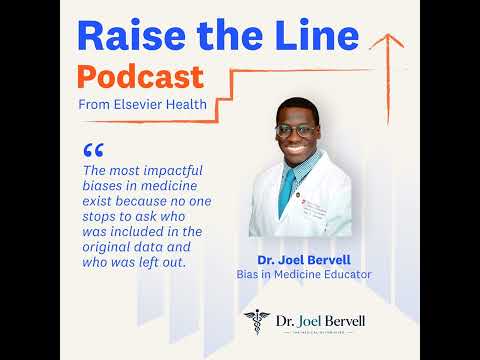
Who Was Medicine Designed For?: Dr. Joel Bervell, Internal Medicine Resident and “The Medical Myt...
0
林宜悉 posted on 2026/09/20Ever wondered how bias in medicine impacts patient care? Dr. Joel Bervell, the popular "medical mythbuster," shares his personal journey into medicine, sparked by a family experience, and discusses how storytelling can fight health misinformation. You'll get insights into rebuilding trust in healthcare and pick up valuable phrases for discussing health equity.
Learn this video on the APP!
The VoiceTube App has more in-depth practice for videos!