
accordion
US /əˈkɔ:rdiən/
UK /əˈkɔ:diən/
- Noun
- Musical instrument you squeeze with your hands
- Adjective
- Having folds or pleats resembling those of an accordion.
C1Moreat once
US /æt wʌns/
UK /æt wʌns/
- Adverb
- Immediately; without delay
- At the same time; simultaneously
A2Morebenchmark
US /ˈbentʃmɑ:rk/
UK /ˈbentʃmɑ:k/
- Noun
- Standard by which other similar things are judged
B2TOEICMorechest
US /tʃɛst/
UK /tʃest/
- Noun (Countable/Uncountable)
- Strong, lidded container for storing things
- Front of the body between neck and stomach
A2Morecuff
US /kʌf/
UK /kʌf/
- Noun
- Fold or band at the end of a sleeve
B2Moredrill
US /drɪl/
UK /drɪl/
- Noun (Countable/Uncountable)
- A machine that makes holes with a metal bit
- Exercise done to learn military skills
- Transitive Verb
- To make a deep hole to find oil, gas etc.
- To put a hole in something by using a boring tool
B1TOEICMoreexact
US /ɪɡˈzækt/
UK /ɪɡ'zækt/
- Adjective
- Completely correct; accurate; specific
- Transitive Verb
- To get something, sometimes using force
A2TOEICMoreexercise
US /ˈɛksɚˌsaɪz/
UK /'eksəsaɪz/
- Verb (Transitive/Intransitive)
- To work out to become stronger and healthier
- To retain your ability or practice your skills
- Noun (Countable/Uncountable)
- Physical activity to increase health and strength
- Set of questions in a text book
A2Morefactor
US /ˈfæktɚ/
UK /'fæktə(r)/
- Noun
- Something that influences a result
- Transitive Verb
- To consider or include in an estimate or judgment
- To find the two numbers a number can be divided by
A2TOEICMorefake
US /fek/
UK /feɪk/
- Adjective
- Not real; made to look like something real
- Countable Noun
- A copy of something made to trick people
B1Morefeel like
US
UK
- Intransitive Verb
- To have a desire or inclination for something.
- To have a particular quality or sensation; resemble.
A1Morefoam
US /foʊm/
UK /fəʊm/
- Noun (Countable/Uncountable)
- Mix of a liquid and air to form a mass of bubbles
- A lightweight material made of a mass of small bubbles, used for insulation or padding.
- Verb (Transitive/Intransitive)
- To mix air and liquid to form a mass of bubbles
- To show anger or excitement in an uncontrolled way.
B1Morefor long
US
UK
- Phrase
- For a considerable period of time.
- For a significant duration in the future.
A1Moreframe
US /frem/
UK /freɪm/
- Transitive Verb
- To make a person that is not guilty appear guilty
- To put say or write something in a careful way
- Noun (Countable/Uncountable)
- Structure that holds a picture or photo
- A person's body shape determined by their skeleton
A2TOEICMoregive out
US /ɡɪv aʊt/
UK /ɡiv aut/
- Phrasal Verb
- To be used up; have nothing left; fail
- To publicly state something
A1Morego back to
US /ɡo bæk tu/
UK /ɡəu bæk tu:/
- Phrasal Verb
- To return to a starting point
A1Morego bananas
US /ɡo bəˈnænəz/
UK /ɡəu bəˈnɑ:nəs/
- Intransitive Verb
- To become very excited or angry; to behave in a wild and uncontrolled way.
- To stop working correctly; to malfunction.
A1Morego on
US /ɡo ɑn/
UK /ɡəu ɔn/
- Phrasal Verb
- To continue doing something
- To happen (usually negative)
- Interjection
- Used to encourage someone
A1Moregravity
US /ˈɡrævɪti/
UK /ˈgrævəti/
- Uncountable Noun
- (Of a situation) extreme seriousness
- Force making things fall towards the ground
B1TOEICMoregrip
US /ɡrɪp/
UK /ɡrɪp/
- Verb (Transitive/Intransitive)
- To hold someone's interest
- To hold something in your hand very firmly
- Noun (Countable/Uncountable)
- Strong understanding of an idea
- Control over something or someone
A2Morehang
US /hæŋ/
UK /hæŋ/
- Transitive Verb
- To attach a picture, photograph etc. onto a wall
- To kill by putting a rope around neck and dropping
- Intransitive Verb
- To float, move softly, or remain in the air
- To remain undecided, unsolved or unclear
A2Morehip
US /hɪp/
UK /hɪp/
- Noun
- The upper part of Leg
- Adjective
- Being stylish and popular
B1Morelancet
US /ˈlænsɪt/
UK /ˈlɑ:nsɪt/
- Noun
- Surgical knife used e.g. for small incisions
C2TOEICMorelift
US /lɪft/
UK /lɪft/
- Noun
- Picking someone up in a car and taking to a place
- Machine carrying people up or down to other floors
- Transitive Verb
- To stop or cancel something, such as a rule
- To move something to higher position
A2Moremobility
US /moˈbɪliti/
UK /məʊˈbɪləti/
- Uncountable Noun
- Ability to move
- The ability to move between different levels of society or employment.
C1Moremortality
US /mɔrˈtælɪti/
UK /mɔ:ˈtæləti/
- Uncountable Noun
- Quality or state of being capable of dying
- The state of being subject to death; the proportion of deaths to population.
B2Morenarrow
US /ˈnæro/
UK /'nærəʊ/
- Adjective
- Not wide; short from one side to the other
- Limited; not broad in scope
- Intransitive Verb
- To become thinner or less wide
A2TOEICMoreoff the ground
US /ɔf ði ɡraʊnd/
UK /ɔf ðə ɡraund/
- Phrase
- Having started or begun to operate or succeed.
- Airborne; having left the ground.
A1Moreout of practice
US /aʊt ʌv ˈpræktɪs/
UK /aut ɔv ˈpræktis/
- Adjective
- Having declined in skill or ability due to lack of recent practice.
A1Moreoverhead
US /ˌoʊvərˈhed/
UK /ˌəʊvəˈhed/
- Adjective
- Located above your head or in the sky
- Uncountable Noun
- Regular and necessary cost, such as rent and heat
B1TOEICMorepassive
US /ˈpæsɪv/
UK /ˈpæsɪv/
- Adjective
- Allowing things to happen with quiet acceptance
- With sentence's subject being what verb acts on
- Noun
- A person who is passive; one who does not actively participate or resist.
B1Morephysician
US /fɪˈzɪʃən/
UK /fɪˈzɪʃn/
- Countable Noun
- A medical doctor
B2Morepipe in
US /paɪp ɪn/
UK /paɪp in/
- other
- To suddenly interrupt or add to a conversation.
B2Moreplayground
US /ˈpleˌɡraʊnd/
UK /ˈpleɪgraʊnd/
- Noun (Countable/Uncountable)
- Outdoor area for children to play in
B2Morepop off
US
UK
- Phrasal Verb
- To leave a place, usually for a short time.
- To die (informal).
A2Morepredict
US /prɪˈdɪkt/
UK /prɪ'dɪkt/
- Transitive Verb
- To guess or estimate what will or might happen
A2TOEICMorepressure
US /ˈprɛʃɚ/
UK /'preʃə(r)/
- Noun (Countable/Uncountable)
- Anxiety caused by difficult problems
- Force, weight when pressing against a thing
- Transitive Verb
- To apply force to something
- To persuade or force someone to do something
A2TOEICMoreprotocol
US /ˈprotəˌkɔl, -ˌkol, -ˌkɑl/
UK /'prəʊtəkɒl/
- Noun
- Written agreement between countries
- Set of rules computers use to exchange data
B1TOEICMorequit
US /kwɪt/
UK /kwɪt/
- Verb (Transitive/Intransitive)
- To leave a job
- To leave a place
- Intransitive Verb
- To leave a school etc. without finishing
B1Moreregularly
US /ˈregjələrli/
UK /ˈregjələli/
- Adverb
- At the usual time each day, week, or month
- In a normal or customary way.
B1TOEICMorerotate
US /ˈroʊteɪt/
UK /rəʊˈteɪt/
- Verb (Transitive/Intransitive)
- To regularly change people who perform a role
- To regularly change the crops that grow in a field
B2Morerubber
US /ˈrʌbɚ/
UK /'rʌbə(r)/
- Uncountable Noun
- Material used to make tires, etc.
B1TOEICMorerun on
US /rʌn ɑn/
UK /rʌn ɔn/
- Phrasal Verb
- To continue longer than expected, e.g. a meeting
- To talk without stopping, often on the same topic
- Intransitive Verb
- To continue without a break or clear separation, especially in writing.
A1Morescapula
US
UK
- Noun
- Shoulder blade
C2Moreskip
US /skɪp/
UK /skɪp/
- Countable Noun
- Very large waste disposal bin
- Intransitive Verb
- To move forward by taking fast steps and jumps
- To move rapidly, from one topic to another
B2Moreslip
US /slɪp/
UK /slɪp/
- Noun (Countable/Uncountable)
- Act of beginning to fall from losing balance
- A field position in cricket
- Verb (Transitive/Intransitive)
- To begin to fall as a result of losing balance
- To escape or become free from something
B1TOEICMorespinal
US /ˈspaɪnəl/
UK /ˈspaɪnl/
- Adjective
- Concerning the spine or nerves in your back
B1Morespine
US /spaɪn/
UK /spaɪn/
- Noun (Countable/Uncountable)
- Line of bones that runs down your back
- The place the pages of a book are attached
C1Moresqueeze
US /skwiz/
UK /skwi:z/
- Noun (Countable/Uncountable)
- Amount of liquid from firmly pressing e.g. orange
- Act of putting pressure on, as to get liquid out
- Transitive Verb
- To force or threaten someone to give you something
- To strongly compress something to get liquid out
C1Morestep off
US /stɛp ɔf/
UK /step ɔf/
- Phrasal Verb
- To leave or move away from a place or situation, often used as a command.
- To begin a journey or race.
A2Morestraight
US /stret/
UK /streɪt/
- Adjective
- Not having curves, bends, or angles
- Not gay; heterosexual
- Adverb
- in a line; immediately; honestly and directly
- In a straight line; directly.
A2TOEICMorestrength
US /strɛŋkθ, strɛŋθ, strɛnθ/
UK /streŋθ/
- Noun (Countable/Uncountable)
- Condition of being strong
- The quality or state of being physically strong.
A2TOEICMorestress
US / strɛs/
UK /stres/
- Transitive Verb
- To emphasize one or more parts of a word, sentence
- To put pressure on something or someone
- Noun (Countable/Uncountable)
- Emphasis on part of a word or sentence
- Pressure on something or someone
A2TOEICMoresurgeon
US /ˈsɜrdʒən/
UK /'sɜ:dʒən/
- Countable Noun
- A doctor who performs surgery
B2Moresurgery
US /ˈsɚdʒəri/
UK /'sɜ:dʒərɪ/
- Noun (Countable/Uncountable)
- Medical operation involving cutting into body
- A doctor's office; health clinic
B1Moresystemic
US /sɪˈstɛmɪk/
UK /sɪ'stemɪk/
- Adjective
- Affecting the entire body, system
- Relating to or affecting the entire body or a system.
B2Moreup against
US /ʌp əˈɡenst/
UK /ʌp əˈɡenst/
- Phrase
- Facing or contending with something difficult or challenging.
- In close proximity or contact with something.
upper body
US
UK
- Noun
- The part of the body above the waist, including the chest, back, shoulders, and arms.
A1Moreupright
US /ˈʌpˌraɪt/
UK /ˈʌpraɪt/
- Adjective
- Having good moral standards; of good character
- Positioned to be straight up; vertical
- Adverb
- Straight up; not leaning or falling over
B1Morevariation
US /ˌvɛriˈeʃən, ˈvær-/
UK /ˌveəriˈeɪʃn/
- Noun (Countable/Uncountable)
- Something almost the same as another but different
- Music played with a different tune from another
A2TOEICMorewith it
US /wɪð ɪt/
UK /wið it/
- Adjective
- Intelligent, alert, and up-to-date.
- Understanding and knowledgeable about current trends or information.
A1More
Vocabulary
- feel like: To have a desire or inclination for something.
- at once: Immediately; without delay
- give out: To be used up; have nothing left; fail
- pipe in: To suddenly interrupt or add to a conversation.
- go on: To continue doing something
- pop off: To leave a place, usually for a short time.
- out of practice: Having declined in skill or ability due to lack of recent practice.
- upper body: The part of the body above the waist, including the chest, back, shoulders, and arms.
- up against: Facing or contending with something difficult or challenging.
- off the ground: Having started or begun to operate or succeed.
- with it: Intelligent, alert, and up-to-date.
- step off: To leave or move away from a place or situation, often used as a command.
- go back to: To return to a starting point
- run on: To continue longer than expected, e.g. a meeting
- go bananas: To become very excited or angry; to behave in a wild and uncontrolled way.
- for long: For a considerable period of time.
- straight: Not having curves, bends, or angles
- exact: Completely correct; accurate; specific
- strength: Condition of being strong
- squeeze: Amount of liquid from firmly pressing e.g. orange
- mortality: Quality or state of being capable of dying
- stress: To emphasize one or more parts of a word, sentence
- slip: Act of beginning to fall from losing balance
- pressure: Anxiety caused by difficult problems
- exercise: To work out to become stronger and healthier
- gravity: (Of a situation) extreme seriousness
- passive: Allowing things to happen with quiet acceptance
- predict: To guess or estimate what will or might happen
- frame: To make a person that is not guilty appear guilty
- drill: A machine that makes holes with a metal bit
- grip: To hold someone's interest
- factor: Something that influences a result
- lift: Picking someone up in a car and taking to a place
- reason: To think and make conclusions in a logical manner
- surgery: Medical operation involving cutting into body
- chest: Strong, lidded container for storing things
- foam: Mix of a liquid and air to form a mass of bubbles
- variation: Something almost the same as another but different
- hang: To attach a picture, photograph etc. onto a wall
- spine: Line of bones that runs down your back
- narrow: Not wide; short from one side to the other
- regularly: At the usual time each day, week, or month
- fake: Not real; made to look like something real
- build: Your physical shape; physique
- hip: The upper part of Leg
- active: Moving around a lot or doing many things
- upright: Having good moral standards; of good character
- rubber: Material used to make tires, etc.
- protocol: Written agreement between countries
- surgeon: A doctor who performs surgery
- physician: A medical doctor
- pull: Act of breathing in smoke, as from a pipe
- quit: To leave a job
- set: Prepared for something; ready
- space: Empty area kept for a specific reason, like a car
- bore: To accept (responsibilities or duties)
- start: First time or place that a thing exists; beginning
- hold: To agree to keep something for someone
- mobility: Ability to move
- overhead: Located above your head or in the sky
- train: Line of people, animals moving the same direction
- benchmark: Standard by which other similar things are judged
- feel: To be aware of or experience an emotion, sensation
- quiet: Hidden, or done in a private way
- spinal: Concerning the spine or nerves in your back
- rotate: To regularly change people who perform a role
- skip: Very large waste disposal bin
- live: To be alive
- touch: To affect feelings, especially by causing sympathy
- dead: Not alive
- playground: Outdoor area for children to play in
- cuff: Fold or band at the end of a sleeve
- systemic: Affecting the entire body, system
- accordion: Musical instrument you squeeze with your hands
- lancet: Surgical knife used e.g. for small incisions
- scapula: Shoulder blade
Get the full experience in the app
Learn anywhere with detailed sentence and usage analysis
01:03
She took a brave step forward, leaving behind her comfort zone to chase her dreams.
Vocabulary
- brave
adj. Having courage
- comfort zone
phr. A familiar situation where one feels safe
Explanation
a brave step is a noun phrase, where brave is an adjective modifying the noun step, meaning "a courageous step".
forward is an adverb modifying step, meaning "ahead".
The whole phrase serves as the object, answering the "what" of took (verb) — she took a brave step forward.
Get the full experience in the app
Look up words anytime with pronunciation, part of speech, and usage
brave
US/brev/
UK/breɪv/
adj.Brave
v.t.To bravely face
A2 Elementary
Get the full experience in the app
Practice speaking anytime and get instant pronunciation feedback
Try this speaking exercise.
Try practicing with this sentence.
80
0
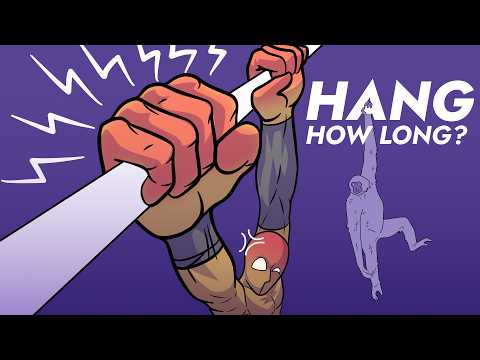
ThePeggywu posted on 2026/07/25Think that boring dead hang is just a waste of time? Think again! This video reveals how this simple exercise can dramatically improve your grip strength, shoulder health, and even spinal decompression, with surprising links to longevity. You'll learn why this 'quiet' exercise is actually fixing fundamental issues that other workouts miss!
Learn this video on the APP!
The VoiceTube App has more in-depth practice for videos!