
ailment
US /ˈelmənt/
UK /ˈeɪlmənt/
- Noun (Countable/Uncountable)
- An illness, especially a minor one
B2Moreallergy
US /ˈælərdʒi/
UK /ˈælədʒi/
- Noun
- Sensitivity to foods, etc. causing a bad reaction
B2Morearound the world
US /əˈraʊnd ði wɜrld/
UK /əˈraund ðə wɜː(r)ld/
- Phrase
- In or to many countries.
- In various places throughout the world.
A2Moreas well as
US /æz wɛl æz/
UK /æz wel æz/
- Adverb
- Also; in addition to
- Preposition
- In addition to; and also.
A1Moreat least
US /æt list/
UK /æt li:st/
- Adverb
- As a minimum
- Not less than
- Phrase
- No less than; at the minimum
- Used to indicate that something is positive in a bad situation.
C2Moreaware
US /əˈwɛr/
UK /əˈwɛə/
- Adjective
- Knowing or feeling that something exists
A2TOEICMorebackyard
US /ˌbækˈjɑ:rd/
UK /ˌbækˈjɑ:d/
- Adjective
- Made in an amateurish or non-professional way
- Local; in one's immediate vicinity.
- Noun
- Yard or garden behind a house
- An area close to one's home or area of expertise.
C2Morebite
US /baɪt/
UK /baɪt/
- Noun (Countable/Uncountable)
- Amount of food taken into your mouth at one time
- Wound left from being bitten
- Intransitive Verb
- (E.g. of fish) to take bait and be caught
A2Morebizarre
US /bɪˈzɑr/
UK /bɪˈzɑ:(r)/
- Adjective
- Odd or strange
B2Morebuffet
US /bəˈfe, bu-/
UK /'bʊfeɪ/
- Noun
- Meal where eaters select from many various dishes
- Transitive Verb
- To apply repeated blows to something e.g. by wind
B2Morecarbohydrate
US /ˌkɑrboˈhaɪˌdret/
UK /ˌkɑ:bəʊˈhaɪdreɪt/
- Noun (Countable/Uncountable)
- Substance providing energy in foods (rice, bread)
- Any of a large group of organic compounds occurring in foods and living tissues and including sugars, starch, and cellulose. They contain hydrogen and oxygen in the same ratio as water (2:1) and typically can be broken down to release energy in the animal
B2Moreconcern
US /kənˈsɚn/
UK /kənˈsɜ:n/
- Verb (Transitive/Intransitive)
- To be about a particular topic
- To have a direct impact on someone
- Noun (Countable/Uncountable)
- Company, firm or business
- Feeling of worry or anxiety
A2TOEICMoreconsistently
US /kənˈsɪstəntlɪ/
UK /kən'sɪstəntlɪ/
- Adverb
- In a manner that is the same almost every time
- In every case or on every occasion; invariably
B1Morecorrect
US /kəˈrɛkt/
UK /kə'rekt/
- Adjective
- Being suitable and appropriate for an occasion
- True or accurate
- Transitive Verb
- To fix a problem
- To write marks on a piece of work to show mistakes
A2Morecrush
US /krʌʃ/
UK /krʌʃ/
- Noun
- Strong attraction to someone
- Transitive Verb
- To break something into small pieces by pressing
- To defeat someone or something (in a game)
B1TOEICMoredairy
US /ˈderi/
UK /ˈdeəri/
- Adjective
- Concerning or made from milk
- Noun (Countable/Uncountable)
- Building for storing milk or making cheese/butter
B2Moredeter
US /dɪˈtə:/
UK /dɪˈtɜ:(r)/
- Transitive Verb
- To stop people doing a thing; stop from happening
B2TOEICMorediet
US /ˈdaɪɪt/
UK /'daɪət/
- Intransitive Verb
- To eat special or less food, as to lose weight
- Noun (Countable/Uncountable)
- Plan of eating to reduce weight or improve health
- The usual food and drink consumed by an organism (person or animal)
A2TOEICMoredisease
US /dɪˈziz/
UK /dɪˈzi:z/
- Noun (Countable/Uncountable)
- Illness that affects a person, animal, or plant
- A disorder of structure or function in a plant, especially one caused by a pathogen.
- Transitive Verb
- To affect with disease; to corrupt or sicken.
A2TOEICMoredominion
US /dəˈmɪnjən/
UK /də'mɪnɪən/
- Uncountable Noun
- Control over a place (or a person); sovereignty
B2Moreexpertise
US /ˌekspɜːrˈtiːz/
UK /ˌekspɜ:ˈti:z/
- Uncountable Noun
- The special knowledge that an expert has
- Expert skill or knowledge in a particular field.
B1TOEICMoreexpose
US /ɪkˈspoʊz/
UK /ɪk'spəʊz/
- Transitive Verb
- To make visible, without covering or protection
- To allow light through a cameras lens onto film
A2TOEICMoreexposure
US /ɪkˈspoʒɚ/
UK /ɪk'spəʊʒə(r)/
- Noun
- Allowing light through a cameras lens onto film
- Being talked about in the media
A2TOEICMorefeed on
US /fid ɑn/
UK /fi:d ɔn/
- Phrasal Verb
- To eat a particular food.
- To increase or become stronger because of something.
A1Moregenetic
US /dʒəˈnɛtɪk/
UK /dʒəˈnetɪk/
- Adjective
- Of, relating to, or controlled by genes
- Relating to genes or heredity.
B1Moreharm
US /hɑrm/
UK /hɑ:m/
- Transitive Verb
- To damage, injure, or hurt someone or something
- Noun
- Damage or injury
A2Moreimpact
US /ˈɪmˌpækt/
UK /'ɪmpækt/
- Noun
- A striking effect or result to hit with force
- Act or force of one thing hitting something else
- Verb (Transitive/Intransitive)
- To hit or strike someone or something with force
- To have a strong effect on someone or something.
A2TOEICMorein areas
US
UK
- Phrase
- Located or occurring within specific regions or locations.
- Relating to specific fields, subjects, or disciplines.
A1Morein full force
US /ɪn fʊl fɔrs/
UK /in ful fɔ:s/
- Phrase
- With maximum power or intensity.
- With all members present or active.
in particular
US /ɪn pɚˈtɪkjəlɚ/
UK /in pəˈtikjulə/
- Phrase
- Specifically; especially.
- Detailed or precise.
A1Moreindicator
US /ˈɪndɪˌketɚ/
UK /ˈɪndɪkeɪtə(r)/
- Noun
- An instrument that shows temperature, speed etc.
- A thing that indicates the state or level of something.
A2Moreinstead of
US /ɪnˈstɛd ʌv/
UK /inˈsted ɔv/
- Preposition
- When one thing is replaced by another
- Adverb
- As a substitute or alternative.
A1Moreirritated
US
UK
- Transitive Verb
- To disturb, anger, or upset someone
- To make part of the body feel soreness and pain
- Adjective
- Annoyed, angered or upset
B1TOEICMorejam
US /dʒæm/
UK /dʒæm/
- Transitive Verb
- To block a signal (e.g. radio waves)
- To push into a tight space until it can't move
- Verb (Transitive/Intransitive)
- To pack together so things cannot move freely
A2Morejelly
US /ˈdʒɛli/
UK /ˈdʒeli/
- Uncountable Noun
- Semisolid food substance, eaten as dessert
- Adjective
- Being soft and without form
B2Morejournalism
US /ˈdʒɜ:rnəlɪzəm/
UK /ˈdʒɜ:nəlɪzəm/
- Uncountable Noun
- Profession of writing or reporting news
B2Morelifelong
US /ˈlaɪflɔ:ŋ/
UK /ˈlaɪflɒŋ/
- Adjective
- Continuing through life; lasting a long time
- Uncountable Noun
- The process of continuing to learn throughout one's life.
B2Morelone
US /lon/
UK /ləʊn/
- Adjective
- Being alone or the only one; single
B2Moremenace
US /ˈmɛnɪs/
UK /'menəs/
- Noun
- Something that threatens or is dangerous
- Transitive Verb
- To threaten or alarm someone
B2Morenail
US /nel/
UK /neɪl/
- Countable Noun
- Pointed piece of metal used to join pieces of wood
- Hard part at the end of your finger
- Transitive Verb
- To attach things together with metal nails
- To catch someone doing an illegal activity
B1Morenortheast
US /nɔrθˈist, nɔrˈist/
UK /'nɔ:θ'i:st/
- Noun
- Location in the northeastern part of an area
C2Moreof old
US /ʌv oʊld/
UK /əv əuld/
- other
- From a long time ago; in the past.
B2Moreout there
US /aʊt ðɛr/
UK /aut ðɛə/
- Adverb
- In or to a place that is far away
- Existing in the universe
- Adjective
- Unconventional; strange; avant-garde
- Existing or available.
A1Morepanic
US /ˈpænɪk/
UK /'pænɪk/
- Uncountable Noun
- Overwhelming feeling of fear and anxiety
- Intransitive Verb
- To feel sudden anxiety and fear and cannot think
B1Morepetroleum
US /pəˈtroliəm/
UK /pə'trəʊlɪəm/
- Uncountable Noun
- Oil found in the ground used to make fuel
B2Morepolish
US /ˈpɑlɪʃ/
UK /'pɒlɪʃ/
- Uncountable Noun
- Act of making something clean and shiny
- A cream used to make shoes etc. shiny
- Transitive Verb
- To make something smooth and shiny by rubbing it
- To make something smooth and shiny by rubbing it
B1Moreprotein
US /ˈprəʊˌtiːn/
UK /ˈprəʊti:n/
- Noun (Countable/Uncountable)
- Group of molecules made from amino acids
B1Morerecognition
US /ˌrɛkəɡˈnɪʃən/
UK /ˌrekəgˈnɪʃn/
- Uncountable Noun
- Accepting that something is true or that it exists
- Considering something as important or special
B1TOEICMorerecommendation
US /ˌrɛkəmɛnˈdeʃən/
UK /ˌrekəmenˈdeɪʃn/
- Noun (Countable/Uncountable)
- Act of suggesting something as a good choice
- Support or endorsement.
A2TOEICMoresaliva
US /səˈlaɪvə/
UK /səˈlaɪvə/
- Uncountable Noun
- Liquid produced by glands in the mouth
B2Morespread
US /sprɛd/
UK /spred/
- Noun (Countable/Uncountable)
- A big meal, often laid out as a buffet
- The distance between two things
- Verb (Transitive/Intransitive)
- To place over a large area; to cover a large area
- (Of ideas, gossip) to pass to and affect others
A2TOEICMorestraight
US /stret/
UK /streɪt/
- Adjective
- Not having curves, bends, or angles
- Not gay; heterosexual
- Adverb
- in a line; immediately; honestly and directly
- In a straight line; directly.
A2TOEICMoresuck
US /sʌk/
UK /sʌk/
- Intransitive Verb
- To be very bad, undesirable or unpleasant
- Transitive Verb
- To pull or remove something with great power
- To attract someone; make someone interested
B1Moresummertime
US /ˈsʌmɚˌtaɪm/
UK /ˈsʌmətaɪm/
- Noun
- Warmest season of the year
C2Moresyndrome
US /ˈsɪnˌdrom/
UK /'sɪndrəʊm/
- Noun
- A group of signs and symptoms of a disease
B1Moretalking about
US
UK
- Phrasal Verb
- To discuss a particular topic.
- To be constantly mentioning or bringing up a subject.
A1Moretick
US /tɪk/
UK /tɪk/
- Intransitive Verb
- To function properly or normally
- (Clock) to make light regular timed noise
- Countable Noun
- Small blood-sucking insect that lives on the skin
- Written mark to show something is correct or done
B1Moretransmit
US /trænsˈmɪt, trænz-/
UK /trænsˈmɪt/
- Transitive Verb
- To broadcast by using signals to a radio/TV
- To broadcast by using signals to a radio/TV
B1Moretrigger
US /ˈtrɪɡɚ/
UK /'trɪɡə(r)/
- Noun
- Lever on a gun that you pull to fire
- Device that starts a process
- Transitive Verb
- To start a process off e.g. a memory
- To cause something to begin or happen.
B1Moreturn to
US /tɚn tu/
UK /tə:n tu:/
- Phrasal Verb
- To go to someone for help, advice, or information.
- To start doing or using something, often something bad or undesirable.
A1More
Vocabulary
- out there: In or to a place that is far away
- talking about: To discuss a particular topic.
- as well as: Also; in addition to
- in full force: With maximum power or intensity.
- turn to: To go to someone for help, advice, or information.
- instead of: When one thing is replaced by another
- feed on: To eat a particular food.
- in particular: Specifically; especially.
- around the world: In or to many countries.
- in areas: Located or occurring within specific regions or locations.
- at least: As a minimum
- of old: From a long time ago; in the past.
- trigger: Lever on a gun that you pull to fire
- panic: Overwhelming feeling of fear and anxiety
- straight: Not having curves, bends, or angles
- impact: A striking effect or result to hit with force
- aware: Knowing or feeling that something exists
- bizarre: Odd or strange
- exposure: Allowing light through a cameras lens onto film
- disease: Illness that affects a person, animal, or plant
- spread: A big meal, often laid out as a buffet
- crush: Strong attraction to someone
- consistently: In a manner that is the same almost every time
- protein: Group of molecules made from amino acids
- suck: To be very bad, undesirable or unpleasant
- concern: To be about a particular topic
- syndrome: A group of signs and symptoms of a disease
- genetic: Of, relating to, or controlled by genes
- recognition: Accepting that something is true or that it exists
- expertise: The special knowledge that an expert has
- saliva: Liquid produced by glands in the mouth
- dairy: Concerning or made from milk
- diet: To eat special or less food, as to lose weight
- deter: To stop people doing a thing; stop from happening
- correct: Being suitable and appropriate for an occasion
- expose: To make visible, without covering or protection
- carbohydrate: Substance providing energy in foods (rice, bread)
- haven: Place where people can feel safe and happy
- allergy: Sensitivity to foods, etc. causing a bad reaction
- irritated: To disturb, anger, or upset someone
- tick: To function properly or normally
- harm: To damage, injure, or hurt someone or something
- polish: Act of making something clean and shiny
- recommendation: Act of suggesting something as a good choice
- support: To give assistance or advice to someone
- indicator: An instrument that shows temperature, speed etc.
- transmit: To broadcast by using signals to a radio/TV
- nail: Pointed piece of metal used to join pieces of wood
- great: Very good; better than before
- pull: Act of breathing in smoke, as from a pipe
- find: To become aware of something that is happening
- jam: To block a signal (e.g. radio waves)
- bite: Amount of food taken into your mouth at one time
- ailment: An illness, especially a minor one
- pardon: To forgive for some error or fault; let off
- petroleum: Oil found in the ground used to make fuel
- burn: To destroy with fire
- world: All the humans, events, activities on the earth
- check: Paper showing how much you owe at a restaurant
- season: One of Spring, Summer, Autumn (Fall) and Winter
- university: High-level educational institution; college
- human: A person; a man, woman or child
- country: An area of land that is controlled by a government
- forest: Large area with many trees
- lifelong: Continuing through life; lasting a long time
- stay: To keep trying without giving up
- menace: Something that threatens or is dangerous
- backyard: Made in an amateurish or non-professional way
- journalism: Profession of writing or reporting news
- jelly: Semisolid food substance, eaten as dessert
- dominion: Control over a place (or a person); sovereignty
- buffet: Meal where eaters select from many various dishes
- lone: Being alone or the only one; single
- northeast: Location in the northeastern part of an area
- summertime: Warmest season of the year
Get the full experience in the app
Learn anywhere with detailed sentence and usage analysis
01:03
She took a brave step forward, leaving behind her comfort zone to chase her dreams.
Vocabulary
- brave
adj. Having courage
- comfort zone
phr. A familiar situation where one feels safe
Explanation
a brave step is a noun phrase, where brave is an adjective modifying the noun step, meaning "a courageous step".
forward is an adverb modifying step, meaning "ahead".
The whole phrase serves as the object, answering the "what" of took (verb) — she took a brave step forward.
Get the full experience in the app
Look up words anytime with pronunciation, part of speech, and usage
brave
US/brev/
UK/breɪv/
adj.Brave
v.t.To bravely face
A2 Elementary
Get the full experience in the app
Practice speaking anytime and get instant pronunciation feedback
Try this speaking exercise.
Try practicing with this sentence.
80
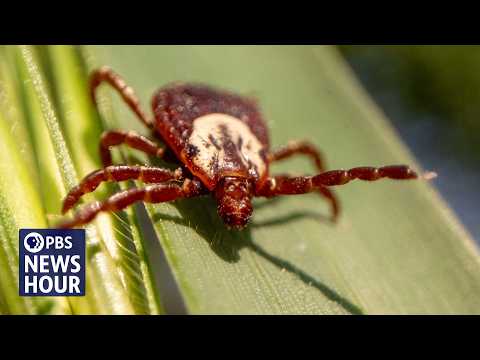
What to know as ticks spread to new regions and bring new threats
0
林宜悉 posted on 2026/07/07Ticks are spreading to new areas and bringing new health threats, like Alpha-Gal syndrome, which can cause a dangerous allergy to red meat and dairy! You'll hear from an expert about why tick season is so intense this year and learn practical tips for checking yourself and safely removing ticks. This is a fantastic chance to pick up useful vocabulary for discussing health concerns and preventative measures.
Learn this video on the APP!
The VoiceTube App has more in-depth practice for videos!