
accent
US /ˈækˌsɛnt/
UK /'æksent/
- Transitive Verb
- To give emphasis to (a point you are making)
- Noun
- Feature of a design, e.g. a stripe on a shirt
- Correct spoken emphasis on a part of a word
A2Moreadapt
US /əˈdæpt/
UK /ə'dæpt/
- Transitive Verb
- To change something for a different function
- To change something to fit or suit a new purpose
- Intransitive Verb
- To change your behaviour so that it is easier to live in a new place or situation
B1TOEICMorealternative
US /ɔlˈtɚnətɪv, æl-/
UK /ɔ:lˈtɜ:nətɪv/
- Countable Noun
- Something different you can choose
- Adjective
- A different choice
A2TOEICMoreanalysis
US /əˈnælɪsɪs/
UK /əˈnæləsɪs/
- Uncountable Noun
- Careful study to better understand something
B1TOEICMoreassociation
US /əˌsoʊʃi'eɪʃn/
UK /əˌsəʊʃɪ'eɪʃn/
- Noun
- Organization of people with the same interest
B1TOEICMoreat least
US /æt list/
UK /æt li:st/
- Adverb
- As a minimum
- Not less than
- Phrase
- No less than; at the minimum
- Used to indicate that something is positive in a bad situation.
C2Moreathletic
US /æθˈlɛtɪk/
UK /æθˈletɪk/
- Adjective
- Fit and strong; physically capable
B1Morebc
US
UK
- Abbreviation
- Before Christ; used after dates/years
C1Morebear
US /bɛr/
UK /bɛː/
- Transitive Verb
- To accept (responsibilities or duties)
- To give birth to a child; to produce fruit
- Countable Noun
- Large brown animal with fur that lives in forests
- Someone who expects stock market to fall
A2Morebehemoth
US
UK
- Noun
- Something that is abnormally large and powerful
C1Morebiblical
US
UK
- Adjective
- Concerning the bible
- Very great and impressive
B2Morecall for
US /kɔl fɔr/
UK /kɔ:l fɔ:/
- Phrasal Verb
- To demand, need or require (an action or thing)
- To come to someone's house to take them somewhere
A1Morecarry away
US /ˈkæri əˈwe/
UK /ˈkæri əˈwei/
- Phrasal Verb
- To move or get greatly excited by something
- To walk away with something (often in your hand)
A1Morecorrect
US /kəˈrɛkt/
UK /kə'rekt/
- Adjective
- Being suitable and appropriate for an occasion
- True or accurate
- Transitive Verb
- To fix a problem
- To write marks on a piece of work to show mistakes
A2Morediameter
US /daɪˈæmɪtɚ/
UK /daɪˈæmɪtə(r)/
- Noun
- Distance across the center of an object
B1Moredinosaur
US /ˈdaɪnəˌsɔr/
UK /'daɪnəsɔ:(r)/
- Noun
- Reptile that lived millions of years ago
- A person who is outdated or resistant to change.
B2Moredub
US /dʌb/
UK /dʌb/
- Transitive Verb
- To add a new soundtrack to an audio recording
- To give (a person or place) a name or nickname
B2Moreeventually
US /ɪˈvɛntʃuəli/
UK /ɪˈventʃuəli/
- Adverb
- After a long time; after many attempts; in the end
- At some later time; in the future
A2Moreexistence
US /ɪɡˈzɪstəns/
UK /ɪɡ'zɪstəns/
- Uncountable Noun
- State of being present, alive or real
- A way of living; the manner in which someone lives.
A2TOEICMoreexplanation
US /ˌɛkspləˈneʃən/
UK /ˌekspləˈneɪʃn/
- Noun (Countable/Uncountable)
- Details or reasons given to make something clear
- A reason or justification given for an action or event.
A2TOEICMorefade
US /fed/
UK /feɪd/
- Intransitive Verb
- To cause to lose brightness of color
- To lose strength or freshness
A2TOEICMorefor the sake of
US /fɔr ði sek ʌv/
UK /fɔ: ðə seik ɔv/
- Phrase
- For the purpose of; in the interest of.
A1Moregallop
US /ˈɡæləp/
UK /ˈgæləp/
- Intransitive Verb
- To cause a horse or another animal to run fast
B2Moreheadline
US /ˈhedlaɪn/
UK /ˈhedlaɪn/
- Intransitive Verb
- To be the main performer at a show
- Noun
- Title summarizing a news story
B2Morehebrew
US /ˈhibru/
UK /ˈhi:bru:/
- Noun
- Ancient Semitic language now spoken in Israel
C2Morehold on
US /hold ɑn/
UK /həuld ɔn/
- Phrasal Verb
- To wait for someone (e.g. on a phone call)
- To wait for a short time.
A1Morehoop
US /hup/
UK /hu:p/
- Noun
- Round or circular shape or object
B2Morehorseback
US /ˈhɔrsˌbæk/
UK /ˈhɔ:sbæk/
- Noun
- On horseback riding on the back of a horse
C2Morehorseman
US /ˈhɔ:rsmən/
UK /ˈhɔ:smən/
- Countable Noun
- Person skilled in riding horses
C2Moreinflection
US /ɪnˈflɛkʃən/
UK /ɪnˈflekʃn/
- Noun
- Change in a person's voice when talking
- Change in ending depending on use in a sentence
C1Moreinterrupt
US /ˌɪntəˈrʌpt/
UK /ˌɪntə'rʌpt/
- Verb (Transitive/Intransitive)
- To stop something from happening for a while
- To stop someone from speaking by saying or doing something.
- Noun
- A signal that stops a computer from working on one thing and starts it working on something else.
B1TOEICMoreinvolve
US /ɪnˈvɑlv/
UK /ɪn'vɒlv/
- Transitive Verb
- To have or be included as a part of something
- To cause (a person or group) to take part in an event or activity.
A2TOEICMoreknow about
US /noʊ əˈbaʊt/
UK /nəʊ əˈbaut/
- Phrasal Verb
- To have information or understanding of a subject or situation.
lance
US /læns/
UK /lɑ:ns/
- Countable Noun
- Weapon like a spear carried by knights in jousts
- Transitive Verb
- To cut open a wound/boil to release the pus
B2Morelaugh with
US
UK
- Intransitive Verb
- To share a feeling of amusement with someone
league
US /liɡ/
UK /li:ɡ/
- Noun
- Group of people, countries with a common goal
- Association of sports teams that organizes matches
- Intransitive Verb
- To form a league; to unite for a common purpose.
A2TOEICMoremainstream
US /ˈmenˌstrim/
UK /ˈmeɪnstri:m/
- Noun
- Prevailing current of thought
- Adjective
- considered normal, and having or using ideas, beliefs, etc. that are accepted by most people
- Considered normal because it reflects what is done or accepted by most people
C2Moremedieval
US /ˌmidiˈivəl/
UK /ˌmediˈi:vl/
- Adjective
- Old or out of date and not of much use
- Relating to the Middle Ages (approximately 5th to 15th century).
B1Moremoth
US /mɔθ, mɑθ/
UK /mɒθ/
- Noun
- Insect with large wings that flies around at night
- A moth is a small, winged insect that is similar to a butterfly. Moths are often attracted to light and can damage clothes and other fabrics.
B2Moremount
US /maʊnt/
UK /maʊnt/
- Transitive Verb
- To attach something to something else
- To set a picture, jewel etc. in
- Noun
- An attachment used to keep something in place
- Horse that someone is riding
B2Moremutate
US /ˈmjutet,mjuˈtet/
UK /mju:'teɪt/
- Intransitive Verb
- To develop into another thing; change
B2Morename for
US
UK
- Phrasal Verb
- To give someone or something a particular name, often in honor of someone else.
A1Moreniche
US /ni:ʃ/
UK /nɪtʃ/
- Noun
- Small part of a market representing an opportunity
- Area with all specific plant/animal needs to live
- Intransitive Verb
- To specialize in a particular market segment or area.
B2Moreoccasionally
US /əˈkeɪʒən(ə)li/
UK /əˈkeɪʒnəli/
- Adverb
- Not very often; sometimes; seldom
- Happening or appearing irregularly.
A2Moreof course
US /ʌv kɔː(r)s/
UK /ɔv kɔː(r)s/
- Adverb
- Sure ; Certainly
- Phrase
- For sure; certainly
A2Moreon foot
US /ɑn fʊt/
UK /ɔn fut/
- Phrase
A1Moreon horseback
US /ɑn ˈhɔrˌsbæk/
UK /ɒn ˈhɔ:sbæk/
- other
- Riding a horse or sitting astride a horse.
B1Morepierce
US /pɪrs/
UK /pɪəs/
- Proper Noun
- Person's name
- Transitive Verb
- To force a way into
- To make a hole with something sharp
B2Morepolo
US /ˈpolo/
UK /'pəʊləʊ/
- Noun
- Game in which horseback riders try to score goals
B2Morepremier
US /prɪˈmɪr,-ˈmjɪr,ˈprimɪr/
UK /'premɪə(r)/
- Adjective
- Being the most influential, important, or best
- Noun
- Prime minister of a country
- The chief administrative official in some governments.
B1Morepronunciation
US /prəˌnʌnsiˈeʃən/
UK /prəˌnʌnsiˈeɪʃn/
- Noun (Countable/Uncountable)
- How a word is said; how a word sounds
- The manner in which someone utters a word.
B1Morerather than
US
UK
- Adverb
- More exactly; more correctly
- Preferably; instead
- Preposition
- Instead of
A1Morerefer
US /rɪˈfɚ/
UK /rɪ'fɜ:(r)/
- Verb (Transitive/Intransitive)
- To talk about or write about something
- To give information about something
A2TOEICMoreriff
US /rɪf/
UK /rɪf/
- Noun
- Short series of repeated notes in music
- Verb (Transitive/Intransitive)
- To play a riff or series of riffs.
- To improvise or elaborate on a theme or idea.
C1Morerugby
US /ˈrʌɡbi/
UK /ˈrʌgbi/
- Noun
- Game played by two teams with an oval ball
B2Moresake
US /sek/
UK /seɪk/
- Uncountable Noun
- Japanese rice wine
- Noun
- Interest or benefit of someone or something
A2Moresensitive
US /ˈsɛnsɪtɪv/
UK /'sensətɪv/
- Adjective
- Taking offense easily; easily upset or hurt
- (Private information) needing careful treatment
A2TOEICMoreslang
US /slæŋ/
UK /slæŋ/
- Uncountable Noun
- Words or phrases used in a very informal way
B1Moresubscribe
US /səbˈskraɪb/
UK /səb'skraɪb/
- Verb (Transitive/Intransitive)
- To regularly pay to receive a service
B1TOEICMoresuck
US /sʌk/
UK /sʌk/
- Intransitive Verb
- To be very bad, undesirable or unpleasant
- Transitive Verb
- To pull or remove something with great power
- To attract someone; make someone interested
B1Moresword
US /sɔrd/
UK /sɔ:d/
- Countable Noun
- A long metal weapon with a sharp point and edge
B1Moretab
US /tæb/
UK /tæb/
- Transitive Verb
- To press the tab key on a keyboard
- Noun
- Formatting space in a word processing document
- Keyboard key to format space in a document
C2Moretent
US /tɛnt/
UK /tent/
- Countable Noun
- Portable cloth shelter used outdoors for camping
- Intransitive Verb
- To live by camping outdoors in a cloth structure
B1Moretestament
US /ˈtɛstəmənt/
UK /ˈtestəmənt/
- Noun
- Evidence or proof (usually of something good)
- A person's will, especially regarding the disposal of their property.
B1Moreuniversal
US /ˌjunəˈvɚsəl/
UK /ˌju:nɪˈvɜ:sl/
- Adjective
- Existing in all places at all times for all people
- Done or experienced by everyone
- Noun (Countable/Uncountable)
- Things which apply equally to everyone
- A general term, idea, or concept applicable to many particular things.
A2More
Vocabulary
- on foot
- know about: To have information or understanding of a subject or situation.
- of course: Sure ; Certainly
- on horseback: Riding a horse or sitting astride a horse.
- hold on: To wait for someone (e.g. on a phone call)
- rather than: More exactly; more correctly
- at least: As a minimum
- carry away: To move or get greatly excited by something
- name for: To give someone or something a particular name, often in honor of someone else.
- call for: To demand, need or require (an action or thing)
- for the sake of: For the purpose of; in the interest of.
- laugh with: To share a feeling of amusement with someone
- subscribe: To regularly pay to receive a service
- eventually: After a long time; after many attempts; in the end
- pronunciation: How a word is said; how a word sounds
- accent: To give emphasis to (a point you are making)
- alternative: Something different you can choose
- slang: Words or phrases used in a very informal way
- existence: State of being present, alive or real
- suck: To be very bad, undesirable or unpleasant
- sensitive: Taking offense easily; easily upset or hurt
- occasionally: Not very often; sometimes; seldom
- similar: Nearly the same; alike
- sake: Japanese rice wine
- association: Organization of people with the same interest
- adapt: To change something for a different function
- refer: To talk about or write about something
- involve: To have or be included as a part of something
- medieval: Old or out of date and not of much use
- interrupt: To stop something from happening for a while
- fade: To cause to lose brightness of color
- universal: Existing in all places at all times for all people
- ground: To break (coffee, etc.) into tiny bits with machine
- correct: Being suitable and appropriate for an occasion
- bear: To accept (responsibilities or duties)
- league: Group of people, countries with a common goal
- niche: Small part of a market representing an opportunity
- explanation: Details or reasons given to make something clear
- analysis: Careful study to better understand something
- century: Period of 100 years
- mainstream: Prevailing current of thought
- premier: Being the most influential, important, or best
- piece: A counter in a board game
- athletic: Fit and strong; physically capable
- find: To become aware of something that is happening
- sword: A long metal weapon with a sharp point and edge
- laugh: To make a happy sound when something is funny
- mount: To attach something to something else
- world: All the humans, events, activities on the earth
- dub: To add a new soundtrack to an audio recording
- diameter: Distance across the center of an object
- real: Actually existing or happening, not imagined
- think: To have an idea about something without certainty
- testament: Evidence or proof (usually of something good)
- biblical: Concerning the bible
- tent: Portable cloth shelter used outdoors for camping
- headline: To be the main performer at a show
- mutate: To develop into another thing; change
- people: Persons sharing culture, country, background, etc.
- dinosaur: Reptile that lived millions of years ago
- rugby: Game played by two teams with an oval ball
- ball: Large dance where people dress formally
- pierce: Person's name
- call: A order or request for action
- ring: A roped area in which people fight or box
- foot: Base of something such as a mountain or vase
- tab: To press the tab key on a keyboard
- gallop: To cause a horse or another animal to run fast
- soccer: Sport where players try to kick a ball into a net
- hoop: Round or circular shape or object
- moth: Insect with large wings that flies around at night
- inflection: Change in a person's voice when talking
- behemoth: Something that is abnormally large and powerful
- hebrew: Ancient Semitic language now spoken in Israel
- riff: Short series of repeated notes in music
- polo: Game in which horseback riders try to score goals
- horseback: On horseback riding on the back of a horse
- lance: Weapon like a spear carried by knights in jousts
- bc: Before Christ; used after dates/years
- horseman: Person skilled in riding horses
Get the full experience in the app
Learn anywhere with detailed sentence and usage analysis
01:03
She took a brave step forward, leaving behind her comfort zone to chase her dreams.
Vocabulary
- brave
adj. Having courage
- comfort zone
phr. A familiar situation where one feels safe
Explanation
a brave step is a noun phrase, where brave is an adjective modifying the noun step, meaning "a courageous step".
forward is an adverb modifying step, meaning "ahead".
The whole phrase serves as the object, answering the "what" of took (verb) — she took a brave step forward.
Get the full experience in the app
Look up words anytime with pronunciation, part of speech, and usage
brave
US/brev/
UK/breɪv/
adj.Brave
v.t.To bravely face
A2 Elementary
Get the full experience in the app
Practice speaking anytime and get instant pronunciation feedback
Try this speaking exercise.
Try practicing with this sentence.
80
0
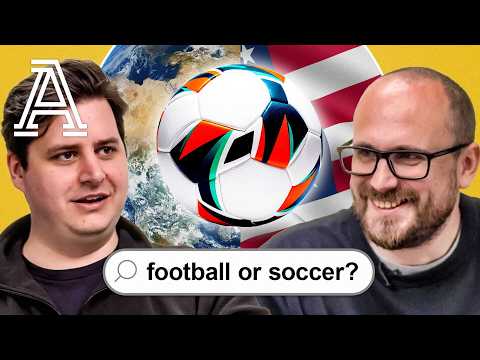
Susan posted on 2026/07/07Ever wondered why some people say 'soccer' and others say 'football'? This fun video dives into the fascinating history and linguistic twists behind these terms, exploring how different cultures landed on their unique names for the sport. You'll even pick up some cool vocabulary about language evolution and etymology along the way!
Learn this video on the APP!
The VoiceTube App has more in-depth practice for videos!