
actual
US /ˈæktʃuəl/
UK /ˈæktʃuəl/
- Adjective
- Real or existing in fact, not imagined; real
- Current; existing at the present time.
A2TOEICMoreaggression
US /əˈɡrɛʃən/
UK /əˈgreʃn/
- Uncountable Noun
- Use of energy and determination to achieve a goal
- Hostile or violent behavior or attitudes toward another; readiness to attack or confront.
B1Moreany sort of
US
UK
- Determiner
- Any kind of; any type of
- Phrase
- Somewhat; to some extent
A2Moreapologetic
US /əˌpɑləˈdʒɛtɪk/
UK /əˌpɒləˈdʒetɪk/
- Adjective
- Showing or saying that you are sorry
C2Moreat the same time
US
UK
- Phrase
- Simultaneously; at the identical moment.
- Nevertheless; however; used to introduce a contrasting or qualifying statement.
A1Morecheat
US /tʃit/
UK /tʃi:t/
- Verb (Transitive/Intransitive)
- To be unfaithful to (your wife, boyfriend etc.)
- To escape death or harm, through luck or skill
- Noun (Countable/Uncountable)
- One who is unfaithful to their wife, partner etc.
- One who lies or breaks rules to get what they want
B1Morecommunicate
US /kəˈmjunɪˌket/
UK /kə'mju:nɪkeɪt/
- Verb (Transitive/Intransitive)
- To give and exchange information
- To convey or make known (information, feelings, etc.)
A2Moreconfrontational
US /ˌkɑ:nfrənˈteɪʃnl/
UK /ˌkɒnfrʌnˈteɪʃnl/
- Adjective
- Causing arguments/anger, e.g. by speaking directly
B1Morecorrect
US /kəˈrɛkt/
UK /kə'rekt/
- Adjective
- Being suitable and appropriate for an occasion
- True or accurate
- Transitive Verb
- To fix a problem
- To write marks on a piece of work to show mistakes
A2Morecrack
US /kræk/
UK /kræk/
- Noun (Countable/Uncountable)
- Attempt to achieve a goal or objective
- Unexpected and hard hit to the body
- Verb (Transitive/Intransitive)
- To attempt to achieve a goal or objective
- To hit someone or something hard and unexpectedly
B1Morecushion
US /ˈkʊʃən/
UK /'kʊʃn/
- Noun (Countable/Uncountable)
- Soft object to make a seat more comfortable
- Something to protect something from being hit
- Transitive Verb
- To protect by softening the impact of something
B1Moredecode
US /ˌdi:ˈkoʊd/
UK /ˌdi:ˈkəʊd/
- Transitive Verb
- To translate from code into the plain text
B2Moredefinition
US /ˌdɛfəˈnɪʃən/
UK /ˌdefɪˈnɪʃn/
- Noun (Countable/Uncountable)
- Explanation of word's meaning, as in dictionaries
- The sharpness of an image on a screen
A2TOEICMoredeliberate
US /dɪˈlɪbərɪt/
UK /dɪ'lɪbərət/
- Adjective
- Carefully thought out in advance
- Done purposely
- Verb (Transitive/Intransitive)
- To consider a problem or decision carefully
B2Moredemonstrate
US /ˈdɛmənˌstret/
UK /'demənstreɪt/
- Verb (Transitive/Intransitive)
- To display a feeling or ability openly
- To protest about something often as a group
A2TOEICMoredisagree
US /ˌdɪsəˈɡri/
UK /ˌdɪsə'ɡri:/
- Intransitive Verb
- To have a different opinion; to fail to agree
B2TOEICMoredisagree with
US /ˌdɪsəˈɡri wɪð/
UK /ˌdisəˈɡri: wið/
- Phrasal Verb
- To have a different opinion from someone else.
- Intransitive Verb
- To cause someone to feel ill or uncomfortable.
A1Moredisagreement
US /ˌdɪsəˈɡrimənt/
UK /ˌdɪsəˈgri:mənt/
- Uncountable Noun
- Act or state of not agreeing
B2Moredivorce
US /dɪˈvɔrs, -ˈvors/
UK /dɪ'vɔ:s/
- Noun (Countable/Uncountable)
- Legal breakup of a marriage
- Transitive Verb
- To legally end a marriage to (someone)
A2Moredramatically
US /drəˈmætɪkl:ɪ/
UK /drə'mætɪklɪ/
- Adverb
- In a sudden or extreme manner
- In a theatrical or exaggerated manner.
B1Moreempathy
US /ˈɛmpəθi/
UK /ˈempəθi/
- Uncountable Noun
- Understanding how other people feel/suffer
- The ability to understand and share the feelings of another, especially when those feelings are negative or painful
B2TOEICMoreetiquette
US /ˈɛtɪˌkɛt, -kɪt/
UK /ˈetɪket/
- Uncountable Noun
- Rules regarding manners or good behavior
B2Moreexcuse
US /ɪkˈskjuz/
UK /ɪk'skju:s/
- Transitive Verb
- To allow someone not to do (jury service, etc.)
- To explain acting in a bad or impolite manner
- Noun
- Note explaining why someone cannot do or attend
- Reason why you did or didn't do something
A2Morefeel for
US /fil fɔr/
UK /fi:l fɔ:/
- Phrasal Verb
- To have sympathy for someone; to empathize with someone's situation.
- To try to find something by touching it.
A1Morefor example
US
UK
- Phrase
- As an illustration or instance.
frequently
US /ˈfrikwəntlɪ/
UK /ˈfri:kwəntli/
- Adverb
- Often; regularly
- Repeatedly or many times.
A2TOEICMoregenuinely
US /ˈdʒɛnjʊɪnlɪ/
UK /'dʒenjʊɪnlɪ/
- Adverb
- In a real, actual, not false or artificial way
- In a sincere and honest way.
A2Moregesture
US /ˈdʒɛstʃɚ/
UK /'dʒestʃə(r)/
- Noun (Countable/Uncountable)
- Bodily movement expressing a particular meaning
- Something you do to express gratitude, regret etc.
- Intransitive Verb
- To move your body to convey a message e.g. wave
A2Moreget out of
US /ɡɛt aʊt ʌv/
UK /ɡet aut ɔv/
- Phrasal Verb
- To leave or escape responsibilities, troubles
- To leave a small, enclosed vehicle
A1Moreget past
US /ɡɛt pæst/
UK /ɡet pɑːst/
- Phrasal Verb
- To overcome an obstacle or difficulty.
- To move beyond someone or something that is blocking your way.
A1Moreget through
US /ɡɛt θru/
UK /ɡet θru:/
- Phrasal Verb
- To arrive at the end of or finish something
- To succeed in contacting someone by phone
A1Morehave to
US /hæv tu/
UK /ˈhæv tə/
- Auxiliary Verb
- Must do
A1Morehonestly
US /ˈɑnɪstli/
UK /ˈɒnɪstli/
- Adverb
- With truth or sincerity; I'm being honest with you
- Genuinely; in a sincere manner.
A2Morein a hurry
US /ɪn e ˈhɚri/
UK /in ə ˈhʌri/
- Phrase
- Acting or moving with great haste; rushed.
in different ways
US
UK
- Phrase
- Using various methods or approaches; with variety.
- In varying manners or styles; not uniformly.
A1Morein terms of
US
UK
- Phrase
- With regard to; concerning a particular aspect.
A1Morein the first place
US
UK
- Phrase
- To begin with; as the first point or consideration.
- From the beginning; initially.
A1Moreindirect
US /ˌɪndɪˈrɛkt, -daɪ-/
UK /ˌɪndəˈrekt/
- Adjective
- Being not directly connected to or caused by
- Having a path that is not straight or direct
B1Moreinstead of
US /ɪnˈstɛd ʌv/
UK /inˈsted ɔv/
- Preposition
- When one thing is replaced by another
- Adverb
- As a substitute or alternative.
A1Moreintonation
US /ˌɪntəˈneʃən,-to-/
UK /ˌɪntəˈneɪʃn/
- Uncountable Noun
- Rises and falls in pitch of speech
B2Morelook at
US /lʊk æt/
UK /luk æt/
- Phrasal Verb
- To use your eyes to focus on something
- To focus your eyes on something carefully
A1Moremumble
US /ˈmʌmbəl/
UK /ˈmʌmbl/
- Noun (Countable/Uncountable)
- Speech that is not clear enough or loud enough
- Intransitive Verb
- To speak without being clear or loud enough
B1Morenine times out of ten
US /ˈnaɪn taɪmz aʊt ʌv tɛn/
UK /ˈnain taɪmz aʊt əv ten/
- other
- Very often; in most cases; usually.
B1Moreon the surface
US /ɑn ði ˈsɚfəs/
UK /ɔn ðə ˈsə:fis/
- Phrase
- Appearing to be true or real until examined more closely.
- Located on the outer part or uppermost layer of something.
B2Moreovertake
US /ˌovɚˈtek/
UK /ˌəʊvə'teɪk/
- Transitive Verb
- To pass and go in front of another car
- To become better or faster than another person at
B1Morepassive
US /ˈpæsɪv/
UK /ˈpæsɪv/
- Adjective
- Allowing things to happen with quiet acceptance
- With sentence's subject being what verb acts on
- Noun
- A person who is passive; one who does not actively participate or resist.
B1Morepavement
US /ˈpevmənt/
UK /ˈpeɪvmənt/
- Noun
- Surface next to a road for people to walk on
B1Morepolite
US /pəˈlaɪt/
UK /pəˈlaɪt/
- Adjective
- Showing good manners or respect for other people
A2TOEICMorepretend
US /prɪˈtɛnd/
UK /prɪ'tend/
- Verb (Transitive/Intransitive)
- To act as if something is true when it is not
- Adjective
- Not real; imaginary.
A2TOEICMorepush back
US /pʊʃ bæk/
UK /puʃ bæk/
- Phrasal Verb
- To force someone to withdraw or retreat
- Verb (Transitive/Intransitive)
- To resist or oppose something.
- To move something to a later time or date; to postpone.
A1Morerising tone
US
UK
- Noun
- A tone that rises in pitch, often used in questions or to express surprise.
- A musical tone that increases in pitch.
rude
US /rud/
UK /ru:d/
- Adjective
- Being unkind or impolite to others; disrespectful
- Offensive; ill-mannered
A2Moresame time
US
UK
- Phrase
- Occurring simultaneously or at the same point in time.
- At the identical time as before; recurring at a fixed hour.
- Noun
- An equal duration or period.
A1Moresincere
US /sɪnˈsɪr/
UK /sɪn'sɪə(r)/
- Adjective
- Meaning what you say truthfully; honest
A2TOEICMoreslight
US /slaɪt/
UK /slaɪt/
- Adjective
- Small (amount, quality)
- Appearing thin, delicate and physically weak
- Transitive Verb
- To ignore or treat rudely and with no respect
B1Moreslightly
US /ˈslaɪtli/
UK /ˈslaɪtli/
- Adverb
- Only a little
B1Morespouse
US /spaʊs, spaʊz/
UK /spaʊs/
- Noun
- Someone's husband or wife
B2Moresqueeze
US /skwiz/
UK /skwi:z/
- Noun (Countable/Uncountable)
- Amount of liquid from firmly pressing e.g. orange
- Act of putting pressure on, as to get liquid out
- Transitive Verb
- To force or threaten someone to give you something
- To strongly compress something to get liquid out
C1Moresupermarket
US /ˈsupɚˌmɑrkɪt/
UK /ˈsju:pəˌmɑ:kit/
- Noun (Countable/Uncountable)
- Self-service store selling groceries etc.
C2Moretilt
US /tɪlt/
UK /tɪlt/
- Verb (Transitive/Intransitive)
- To change to a newly preferred idea or opinion
- To move something away from the upright
- Noun
- Position in which one side is above the other
B2Moretube
US /tub,tjub/
UK /tju:b/
- Noun (Countable/Uncountable)
- Plastic or metal container for soft substances
- Long hollow pipe used to hold or liquids or gases
B1Morevowel
US /ˈvaʊəl/
UK /ˈvaʊəl/
- Countable Noun
- A speech sound; a, e , it, o, u and sometimes y
B1Morewalk down
US /wɔk daʊn/
UK /wɔ:k daun/
- Phrasal Verb
- To walk along or down something.
- To proceed along an aisle, especially at a wedding.
A1More
Vocabulary
- in the first place: To begin with; as the first point or consideration.
- walk down: To walk along or down something.
- get out of: To leave or escape responsibilities, troubles
- instead of: When one thing is replaced by another
- disagree with: To have a different opinion from someone else.
- get past: To overcome an obstacle or difficulty.
- get through: To arrive at the end of or finish something
- at the same time: Simultaneously; at the identical moment.
- same time: Occurring simultaneously or at the same point in time.
- any sort of: Any kind of; any type of
- nine times out of ten: Very often; in most cases; usually.
- look at: To use your eyes to focus on something
- rising tone: A tone that rises in pitch, often used in questions or to express surprise.
- on the surface: Appearing to be true or real until examined more closely.
- in a hurry: Acting or moving with great haste; rushed.
- push back: To force someone to withdraw or retreat
- have to: Must do
- feel for: To have sympathy for someone; to empathize with someone's situation.
- for example: As an illustration or instance.
- in terms of
- in different ways: Using various methods or approaches; with variety.
- sort: To organize things by putting them into groups
- pretend: To act as if something is true when it is not
- genuinely: In a real, actual, not false or artificial way
- deliberate: Carefully thought out in advance
- empathy: Understanding how other people feel/suffer
- slightly: Only a little
- demonstrate: To display a feeling or ability openly
- completely: In every way or as much as possible
- common: Area in a city or town that is open to everyone
- squeeze: Amount of liquid from firmly pressing e.g. orange
- spouse: Someone's husband or wife
- crack: Attempt to achieve a goal or objective
- bit: Device put in a horse's mouth to control it
- etiquette: Rules regarding manners or good behavior
- definition: Explanation of word's meaning, as in dictionaries
- passive: Allowing things to happen with quiet acceptance
- mean: Average of a set of numbers
- dramatically: In a sudden or extreme manner
- polite: Showing good manners or respect for other people
- communicate: To give and exchange information
- actual: Real or existing in fact, not imagined; real
- rude: Being unkind or impolite to others; disrespectful
- intonation: Rises and falls in pitch of speech
- gesture: Bodily movement expressing a particular meaning
- divorce: Legal breakup of a marriage
- frequently: Often; regularly
- honestly: With truth or sincerity; I'm being honest with you
- strange: Unusual or odd; surprising because unexpected
- correct: Being suitable and appropriate for an occasion
- tilt: To change to a newly preferred idea or opinion
- slight: Small (amount, quality)
- discuss: To talk about seriously or in great detail
- excuse: To allow someone not to do (jury service, etc.)
- sincere: Meaning what you say truthfully; honest
- aggression: Use of energy and determination to achieve a goal
- sound: Sensible, dependable and reliable
- sign: Indication that something exists or will happen
- british: Concerning the culture and people of British
- vowel: A speech sound; a, e , it, o, u and sometimes y
- catch: Amount of something that has been caught
- wrong: Action that is harmful, unjust or illegal
- rise: To wake up and get out of bed after sleeping
- mumble: Speech that is not clear enough or loud enough
- change: To exchange one set of clothes for another
- front: Behavior not showing a person's true feelings
- cushion: Soft object to make a seat more comfortable
- tube: Plastic or metal container for soft substances
- pavement: Surface next to a road for people to walk on
- cheat: To be unfaithful to (your wife, boyfriend etc.)
- disagree: To have a different opinion; to fail to agree
- decode: To translate from code into the plain text
- disagreement: Act or state of not agreeing
- indirect: Being not directly connected to or caused by
- overtake: To pass and go in front of another car
- confrontational: Causing arguments/anger, e.g. by speaking directly
- apologetic: Showing or saying that you are sorry
- supermarket: Self-service store selling groceries etc.
Get the full experience in the app
Learn anywhere with detailed sentence and usage analysis
01:03
She took a brave step forward, leaving behind her comfort zone to chase her dreams.
Vocabulary
- brave
adj. Having courage
- comfort zone
phr. A familiar situation where one feels safe
Explanation
a brave step is a noun phrase, where brave is an adjective modifying the noun step, meaning "a courageous step".
forward is an adverb modifying step, meaning "ahead".
The whole phrase serves as the object, answering the "what" of took (verb) — she took a brave step forward.
Get the full experience in the app
Look up words anytime with pronunciation, part of speech, and usage
brave
US/brev/
UK/breɪv/
adj.Brave
v.t.To bravely face
A2 Elementary
Get the full experience in the app
Practice speaking anytime and get instant pronunciation feedback
Try this speaking exercise.
Try practicing with this sentence.
80
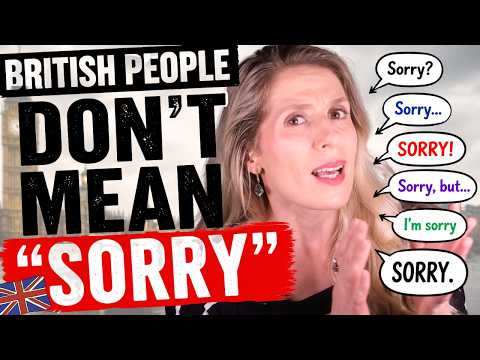
British People Don’t Mean “Sorry”... Most of the Time! ??
0
Susan posted on 2026/07/01Ever wondered why Brits say 'sorry' all the time, even when they haven't done anything wrong? This video dives into the fascinating, indirect world of British communication, revealing the six different meanings behind this common word. You'll learn to decode the subtle tones and phrases that unlock true British politeness (and sometimes, passive aggression!)
Learn this video on the APP!
The VoiceTube App has more in-depth practice for videos!