
account for
US /əˈkaʊnt fɔr/
UK /əˈkaunt fɔ:/
- Phrasal Verb
- To explain the cause or reason for something
- To form a particular amount or part of something.
- Verb (Transitive/Intransitive)
- To supply a reason or explanation for something.
- To form a particular amount or proportion of something.
A1Moreaffect
US /əˈfɛkt/
UK /ə'fekt/
- Transitive Verb
- To cause a change in something else
- To pretend to have or feel (something).
- Noun
- (Psychology) Emotion or feeling.
A2TOEICMorealong with
US /əˈlɔŋ wɪð/
UK /əˈlɔŋ wið/
- Preposition
- In addition to; together with.
- Adverb
- In company or together with someone or something.
- Including; in addition to.
A2Moreas long as
US /æz lɔŋ æz/
UK /æz lɔŋ æz/
- Conjunction
- For the period that; provided that.
- For the length of time that
- Preposition
- On the condition that; providing that.
- Having the same length as.
A1Moreas opposed to
US
UK
- Preposition
- In contrast to; rather than.
- Instead of; in place of.
A1Moreasymptomatic
US
UK
- Adjective
- Having no symptoms of illness or disease
C1Moreat least
US /æt list/
UK /æt li:st/
- Adverb
- As a minimum
- Not less than
- Phrase
- No less than; at the minimum
- Used to indicate that something is positive in a bad situation.
C2Moreat the most
US /ət ðə ˈmoʊst/
UK /ət ðə ˈməust/
- other
- No more than; maximum amount or degree.
A2Moreat the same time
US
UK
- Phrase
- Simultaneously; at the identical moment.
- Nevertheless; however; used to introduce a contrasting or qualifying statement.
A1Moreback into
US /bæk ˈɪntu/
UK /bæk ˈɪntuː/
- Phrasal Verb
- To drive a vehicle backwards into a space or area.
- To accidentally collide with something while moving backwards.
A1Moreback off
US /bæk ɔf/
UK /bæk ɔf/
- Phrasal Verb
- To stop supporting; lose courage
- To decide to not carry out a threat
A1Moreback up
US /bæk ʌp/
UK /bæk ʌp/
- Phrasal Verb
- To save a copy of your computer data
- To confirm the truth of what someone says
A1Morebased on
US
UK
- Phrasal Verb
- To use something as the foundation or starting point for something else.
- Preposition
- Using something as the main idea or foundation.
- Relying on something as evidence or justification.
A1Morebilateral
US /baɪˈlætərəl/
UK /ˌbaɪˈlætərəl/
- Adjective
- Involving two groups of people or two countries
B1Morebuild up
US /bɪld ʌp/
UK /bild ʌp/
- Phrasal Verb
- To increase the amount; collect something
- To develop or increase something in stages
- Verb (Transitive/Intransitive)
- To increase or develop something gradually.
- To praise or encourage someone.
A1Morecapacity
US /kəˈpæsɪti/
UK /kə'pæsətɪ/
- Noun (Countable/Uncountable)
- Ability to hold, involve or contain (e.g. liquids)
- Largest amount of something that can be produced
B1Moreclinical
US /ˈklɪnɪkəl/
UK /ˈklɪnɪkl/
- Adjective
- Concerning the treatment or observing patients
- Using scientific techniques and precision
B1Morecome together
US /kʌm təˈɡɛðɚ/
UK /kʌm təˈɡeðə/
- Phrasal Verb
- To assemble or unite; to start working together.
- To form a close relationship or bond.
A1Moreconsistency
US /kənˈsɪstənsi/
UK /kən'sɪstənsɪ/
- Uncountable Noun
- Quality of behaving or meaning the same
- Physical quality of being smooth, thick, lumpy
B1Moreconsists of
US
UK
- Phrasal Verb
- Is made up or composed of.
A1Moredecline
US /dɪˈklaɪn/
UK /dɪ'klaɪn/
- Intransitive Verb
- To bend towards the ground
- To slope downward.
- Verb (Transitive/Intransitive)
- To lessen in quality or value
A2TOEICMoredecrease
US /dɪˈkris/
UK /dɪˈkri:s/
- Verb (Transitive/Intransitive)
- To reduce the size, amount or number of something
- Uncountable Noun
- Amount by which something has been reduced
B1TOEICMoredose
US /doʊs/
UK /dəʊs/
- Noun (Countable/Uncountable)
- An amount of medicine to be taken at any one time
- Transitive Verb
- To give a certain amount of something to someone
B1Moreelevate
US /ˈɛləˌvet/
UK /ˈelɪveɪt/
- Transitive Verb
- To make something higher
- To raise something in status, importance, feeling
B2Moreexceed
US /ɪkˈsid/
UK /ɪk'si:d/
- Transitive Verb
- To be greater in number, degree than something
- To go above or beyond a limit or rule
B1TOEICMoreexercise
US /ˈɛksɚˌsaɪz/
UK /'eksəsaɪz/
- Verb (Transitive/Intransitive)
- To work out to become stronger and healthier
- To retain your ability or practice your skills
- Noun (Countable/Uncountable)
- Physical activity to increase health and strength
- Set of questions in a text book
A2Moreflare up
US /flɛr ʌp/
UK /flɛə ʌp/
- Intransitive Verb
- To suddenly worsen or become more intense (of a medical condition).
- To suddenly become angry or violent.
- Phrasal Verb
- To suddenly become angry or violent.
- To suddenly become worse or more intense (of a medical condition).
A1Morefor example
US
UK
- Phrase
- As an illustration or instance.
frequency
US /ˈfrikwənsi/
UK /'fri:kwənsɪ/
- Uncountable Noun
- Number of repetitions of (radio or sound) wave
- How often something happens
B1TOEICMorefunction
US /ˈfʌŋkʃən/
UK /'fʌŋkʃn/
- Noun
- Social event, or party such as a wedding
- Mathematical operation used in calculations
- Intransitive Verb
- To serve a certain purpose or role
- To be operating, working or achieving its purpose
A2TOEICMorego about it
US
UK
- Phrasal Verb
- To approach something; to tackle a task or problem
A1Morego away
US /ɡo əˈwe/
UK /ɡəu əˈwei/
- Phrasal Verb
- To go on vacation
- To leave; depart.
A1Morehave to
US /hæv tu/
UK /ˈhæv tə/
- Auxiliary Verb
- Must do
A1Morein fact
US /ɪn fækt/
UK /in fækt/
- Adverb
- Used to emphasize the truth of a statement, especially one that contrasts with or contradicts something else.
- Used to introduce a more detailed or surprising piece of information.
- Phrase
- Used to emphasize the truth of a statement, especially one that is surprising or contrary to what might be expected.
C1Morein general
US /ɪn ˈdʒɛnərəl/
UK /in ˈdʒenərəl/
- Phrase
- Typically; usually; on the whole.
- Not specific or detailed; broadly.
- Adjective
- Not detailed or specific; overall.
C2Morein line with
US /ɪn laɪn wɪð/
UK /in lain wið/
- Phrase
- In agreement with; conforming to.
- In the same direction or alignment as.
- Preposition
- In agreement or conformity with.
A2Morein summary
US /ɪn ˈsʌməri/
UK /in ˈsʌməri/
- Phrase
- Briefly stating or reviewing main points.
B2Moreinferior
US /ɪnˈfɪriɚ/
UK /ɪnˈfɪəriə(r)/
- Adjective
- Being of little importance or worth
- Of lower status; not powerful or rich
- Noun
- Person of lower status
B2Moreinflammation
US /ˌɪnfləˈmeʃən/
UK /ˌɪnfləˈmeɪʃn/
- Noun (Countable/Uncountable)
- Painful swelling in the body due to illness
- A condition in which a part of the body becomes reddened, swollen, hot, and often painful, especially as a reaction to injury or infection.
B2Moreinflammatory
US /ɪnˈflæməˌtɔri, -ˌtori/
UK /ɪnˈflæmətri/
- Adjective
- Making or intended to make someone angry
B2TOEICMoreintensity
US /ɪnˈtɛnsɪti/
UK /ɪn'tensətɪ/
- Uncountable Noun
- Great energy, strength, or concentration
- The quality of being intense; the degree or amount of strength, force, etc.
A2TOEICMoreland with
US
UK
- Phrasal Verb
- To bring an aircraft down to the ground.
- To obtain or achieve something desirable, especially after a period of effort.
lunge
US /lʌndʒ/
UK /lʌndʒ/
- Verb (Transitive/Intransitive)
- To thrust or reach forward with a sudden motion
B2Moremagnitude
US /ˈmæɡnɪˌtud, -ˌtjud/
UK /ˈmægnɪtju:d/
- Noun
- Number representing force of an earthquake
- Size or importance
B2Moremarathon
US /'mærəθɑ:n/
UK /'mærəθən/
- Adjective
- Lasting for a long time
- Countable Noun
- Running race that is run over a distance of 42km
- A long-lasting event, often involving endurance or persistence.
B2Moremechanism
US /ˈmɛkəˌnɪzəm/
UK /'mekənɪzəm/
- Noun (Countable/Uncountable)
- Part of a machine that performs a certain function
- System or process for achieving a certain result
B1Moremoderate
US /ˈmɑdərɪt/
UK /ˈmɒdərət/
- Verb (Transitive/Intransitive)
- To host a meeting or panel discussion
- To make something less violent, severe, or strong
- Adjective
- Being average in quantity or size
B1Moreoccur
US /əˈkɚ/
UK /əˈkɜ:(r)/
- Intransitive Verb
- To come to pass or to happen
- To be found to exist; to be present.
A2TOEICMoreover time
US /ˈovɚ taɪm/
UK /ˈəuvə taim/
- Phrase
- Gradually; as time passes.
- During a long period.
- Adverb
- Gradually; as time passes.
B1Morephysical
US /ˈfɪzɪkəl/
UK /ˈfɪzɪkl/
- Countable Noun
- Health check at the doctors' or hospital
- Adjective
- Concerning the body of a person
- Concerning things that can be seen or touched
A2Morepole
US /pol/
UK /pəʊl/
- Noun
- One of two opposite ideas, qualities or positions
- Most northern or most southern point on a planet
- Transitive Verb
- To move a boat with a stick or pole
B1Moreprimary
US /ˈpraɪˌmɛri, -məri/
UK /'praɪmərɪ/
- Adjective
- Most important, most basic or essential
- Happening first; earliest
B2Moreprior to
US /ˈpraɪɚ tu/
UK /ˈpraiə tu:/
- Preposition
- Before a particular time or event.
C1Moreprocess
US /ˈprɑsˌɛs, ˈproˌsɛs/
UK /prə'ses/
- Transitive Verb
- To organize and use data in a computer
- To deal with official forms in the way required
- Noun (Countable/Uncountable)
- Dealing with official forms in the way required
- Set of changes that occur slowly and naturally
A2TOEICMoreprogress
US /ˈprɑɡˌrɛs, -rəs, ˈproˌɡrɛs/
UK /'prəʊɡres/
- Verb (Transitive/Intransitive)
- To move forward or toward a place or goal
- To make progress; develop or improve.
- Uncountable Noun
- Act of moving forward
- The process of improving or developing something over a period of time.
A2TOEICMorerandomize
US
UK
- Transitive Verb
- To arrange in a random order
B2Morerecommend
US /ˌrɛkəˈmɛnd/
UK /ˌrekə'mend/
- Transitive Verb
- To advise or suggest that someone do something
- To endorse or support something publicly.
A2TOEICMorereduction
US /rɪˈdʌkʃən/
UK /rɪ'dʌkʃn/
- Noun
- Act of making something smaller
B1Morerepetition
US /ˌrɛpɪˈtɪʃən/
UK /ˌrepəˈtɪʃn/
- Noun (Countable/Uncountable)
- When something occurs again
- Saying something again
A2TOEICMoreresearch
US /rɪˈsɚtʃ, ˈriˌsɚtʃ/
UK /rɪ'sɜ:tʃ/
- Verb (Transitive/Intransitive)
- To study in order to discover new ideas and facts
- To study the market relating to marketing products and services.
- Noun (Countable/Uncountable)
- Study done to discover new ideas and facts
- A particular area or topic of study.
A2TOEICMorerestore
US /rɪˈstɔr, -ˈstor/
UK /rɪˈstɔ:(r)/
- Transitive Verb
- To return a thing to its original condition
B1Moresame time
US
UK
- Phrase
- Occurring simultaneously or at the same point in time.
- At the identical time as before; recurring at a fixed hour.
- Noun
- An equal duration or period.
A1Moresignificant
US /sɪɡˈnɪfɪkənt/
UK /sɪgˈnɪfɪkənt/
- Adjective
- Large enough to be noticed or have an effect
- Having meaning; important; noticeable
A2TOEICMoresit back
US /sit bæk/
UK /sit bæk/
- Phrasal Verb
- To relax and take it easy.
- To refrain from taking action or getting involved.
A1Moresquat
US /skwɑ:t/
UK /skwɒt/
- Intransitive Verb
- To illegally live on anothers property or land
- To sit on your heels
- Noun
- Exercise consisting of sitting on your heels
B2TOEICMorestep back
US /stɛp bæk/
UK /step bæk/
- Phrasal Verb
- To move backwards; to move away from something.
- To take a break from something; to gain perspective.
A1Morestep down
US /stɛp daʊn/
UK /step daun/
- Phrasal Verb
- To reduce the amount of something
- To resign
- Transitive Verb
- To reduce the voltage of an electrical current.
A1Morestructure
US /ˈstrʌk.tʃɚ/
UK /ˈstrʌk.tʃə/
- Noun (Countable/Uncountable)
- The way in which the parts of a system or object are arranged or organized, or a system arranged in this way
- A building or other man-made object.
- Transitive Verb
- To plan, organize, or arrange the parts of something
A2TOEICMoresuch as
US /sʌtʃ æz/
UK /sʌtʃ æz/
- Preposition
- For example; like
A1Moresurgery
US /ˈsɚdʒəri/
UK /'sɜ:dʒərɪ/
- Noun (Countable/Uncountable)
- Medical operation involving cutting into body
- A doctor's office; health clinic
B1Moretake away from
US /tek əˈwe frʌm/
UK /teik əˈwei frɔm/
- Phrasal Verb
- To reduce the positive effect or value of something.
- To remove or detract from a particular quality or fact.
A1Moretendon
US
UK
- Noun
- Band of tough fibrous tissue connecting muscles
B2Morethe following
US
UK
- Adjective
- Next in order or sequence.
- Uncountable Noun
- What is about to be said or written.
B1Morethink of
US /θɪŋk ʌv/
UK /θiŋk ɔv/
- Phrasal Verb
- To look on as (being something specific); consider
- To consider or remember something.
- Verb (Transitive/Intransitive)
- To imagine or call something to mind
A1Moretolerable
US /ˈtɑlərəbəl/
UK /'tɒlərəbl/
- Adjective
- Able to be endured or suffered; acceptable
B2Moretolerance
US /ˈtɑ:lərəns/
UK /ˈtɒlərəns/
- Uncountable Noun
- Ability to adjust to changes, your environment etc.
- The space between metal objects e.g. in engines
B1Moretrial
US /ˈtraɪəl, traɪl/
UK /ˈtraɪəl/
- Noun (Countable/Uncountable)
- Hearing and judgment of a case in court
- Act or process of testing or experimenting
- Transitive Verb
- To be made or done as a test or experiment
A2TOEICMoretry out
US /traɪ aʊt/
UK /trai aut/
- Phrasal Verb
- To try to win a place on a team in a group
- To test briefly to determine how well it works
A1Moreturn on
US /tɚn ɑn/
UK /tə:n ɔn/
- Phrasal Verb
- To cause someone to be interested or excited
- Transitive Verb
- To activate or switch on a device or appliance.
- To suddenly attack or criticize someone.
A1Moreused to
US /juzd tu/
UK /ˈju:st tə/
- Adjective
- Did regularly before, but don't do now
- Auxiliary Verb
- Have done before, but do not do now
A1Morevolleyball
US /ˈvɑliˌbɔl/
UK /'vɒlɪbɔ:l/
- Noun
- Game of hitting ball over net using the hands
B2Morewarm up
US /wɔːrm ʌp/
UK
- Phrasal Verb
- To gently exercise muscles before doing sport
A1Moreway to go
US /we tu ɡo/
UK /wei tu: ɡəu/
- Interjection
- An expression of encouragement or approval.
- An expression of sarcasm after someone has made a mistake.
A1Morework through
US
UK
- Phrasal Verb
- To deal with something systematically until it is completed
- To deal with a problem or difficult situation.
Vocabulary
- have to: Must do
- such as: For example; like
- for example: As an illustration or instance.
- step back: To move backwards; to move away from something.
- used to: Did regularly before, but don't do now
- warm up: To gently exercise muscles before doing sport
- over time: Gradually; as time passes.
- consists of: Is made up or composed of.
- come together: To assemble or unite; to start working together.
- at the most: No more than; maximum amount or degree.
- in general: Typically; usually; on the whole.
- in fact: Used to emphasize the truth of a statement, especially one that contrasts with or contradicts something else.
- go about it: To approach something; to tackle a task or problem
- way to go: An expression of encouragement or approval.
- the following: Next in order or sequence.
- back off: To stop supporting; lose courage
- go away: To go on vacation
- flare up: To suddenly worsen or become more intense (of a medical condition).
- at the same time: Simultaneously; at the identical moment.
- same time: Occurring simultaneously or at the same point in time.
- based on: To use something as the foundation or starting point for something else.
- sit back: To relax and take it easy.
- prior to: Before a particular time or event.
- as long as: For the period that; provided that.
- step down: To reduce the amount of something
- at least: As a minimum
- along with: In addition to; together with.
- land with: To bring an aircraft down to the ground.
- build up: To increase the amount; collect something
- back into: To drive a vehicle backwards into a space or area.
- back up: To save a copy of your computer data
- account for: To explain the cause or reason for something
- work through: To deal with something systematically until it is completed
- as opposed to: In contrast to; rather than.
- in line with: In agreement with; conforming to.
- think of: To look on as (being something specific); consider
- try out: To try to win a place on a team in a group
- take away from: To reduce the positive effect or value of something.
- in summary: Briefly stating or reviewing main points.
- turn on
- significant: Large enough to be noticed or have an effect
- process: To organize and use data in a computer
- physical: Health check at the doctors' or hospital
- recommend: To advise or suggest that someone do something
- progress: To move forward or toward a place or goal
- improve: To make, or become, something better
- repetition: When something occurs again
- immediately: Without any delay; straight away
- structure: The way in which the parts of a system or object are arranged or organized, or a system arranged in this way
- effective: Working efficiently to produce a desired result
- capacity: Ability to hold, involve or contain (e.g. liquids)
- expect: To believe something is probably going to happen
- amount: Quantity of something
- decline: To bend towards the ground
- inflammation: Painful swelling in the body due to illness
- research: To study in order to discover new ideas and facts
- trial: Hearing and judgment of a case in court
- increase: To make or become larger in size or amount
- exercise: To work out to become stronger and healthier
- affect: To cause a change in something else
- function: Social event, or party such as a wedding
- consistency: Quality of behaving or meaning the same
- mechanism: Part of a machine that performs a certain function
- intensity: Great energy, strength, or concentration
- occur: To come to pass or to happen
- moderate: To host a meeting or panel discussion
- perform: To carry out an action well or successfully
- primary: Most important, most basic or essential
- inflammatory: Making or intended to make someone angry
- complete: To finish or reach the end of doing something
- inferior: Being of little importance or worth
- rest: Time when one relaxes, sleeps, or is inactive
- surgery: Medical operation involving cutting into body
- rate: To assess something or consider its qualities
- provide: To make available; to supply for use
- clinical: Concerning the treatment or observing patients
- magnitude: Number representing force of an earthquake
- stage: To organize an event to gain public interest
- normal: Standard or regular way of doing something
- activity: An action or task, e.g. sports, washing clothes
- frequency: Number of repetitions of (radio or sound) wave
- reduction: Act of making something smaller
- tolerance: Ability to adjust to changes, your environment etc.
- important: Having power or authority
- squat: To illegally live on anothers property or land
- restore: To return a thing to its original condition
- decrease: To reduce the size, amount or number of something
- dose: An amount of medicine to be taken at any one time
- pole: One of two opposite ideas, qualities or positions
- exceed: To be greater in number, degree than something
- marathon: Lasting for a long time
- elevate: To make something higher
- bilateral: Involving two groups of people or two countries
- asymptomatic: Having no symptoms of illness or disease
- tolerable: Able to be endured or suffered; acceptable
- tendon: Band of tough fibrous tissue connecting muscles
- lunge: To thrust or reach forward with a sudden motion
- volleyball: Game of hitting ball over net using the hands
- randomize: To arrange in a random order
Get the full experience in the app
Learn anywhere with detailed sentence and usage analysis
01:03
She took a brave step forward, leaving behind her comfort zone to chase her dreams.
Vocabulary
- brave
adj. Having courage
- comfort zone
phr. A familiar situation where one feels safe
Explanation
a brave step is a noun phrase, where brave is an adjective modifying the noun step, meaning "a courageous step".
forward is an adverb modifying step, meaning "ahead".
The whole phrase serves as the object, answering the "what" of took (verb) — she took a brave step forward.
Get the full experience in the app
Look up words anytime with pronunciation, part of speech, and usage
brave
US/brev/
UK/breɪv/
adj.Brave
v.t.To bravely face
A2 Elementary
Get the full experience in the app
Practice speaking anytime and get instant pronunciation feedback
Try this speaking exercise.
Try practicing with this sentence.
80
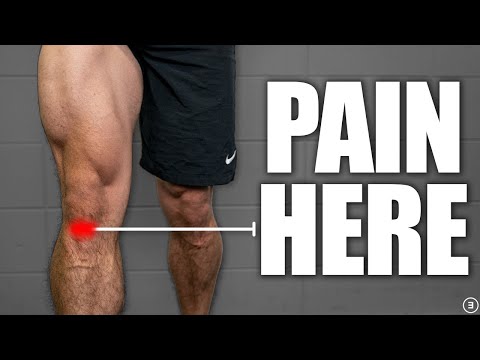
Patellar Tendinopathy / Tendinitis / Tendinosis | Jumper’s Knee Rehab (Education, Myths, Exercises)
0
宗敏 posted on 2026/06/30Ever wondered about "Jumper's Knee" or why doctors prefer "patellar tendinopathy"? This video dives deep into the science behind knee pain, explaining why terms like tendinitis and tendinosis might be misleading and how to actually approach rehab. You'll pick up key phrases for understanding loading, pain tolerance, and recovery, making it a must-watch for anyone dealing with knee issues!
Learn this video on the APP!
The VoiceTube App has more in-depth practice for videos!