
abide
US /əˈbaɪd/
UK /ə'baɪd/
- Intransitive Verb
- To live somewhere (formal, old-fashioned)
B2TOEICMoreaggression
US /əˈɡrɛʃən/
UK /əˈgreʃn/
- Uncountable Noun
- Use of energy and determination to achieve a goal
- Hostile or violent behavior or attitudes toward another; readiness to attack or confront.
B1Moreat least
US /æt list/
UK /æt li:st/
- Adverb
- As a minimum
- Not less than
- Phrase
- No less than; at the minimum
- Used to indicate that something is positive in a bad situation.
C2Moreatmosphere
US /ˈætməˌsfɪr/
UK /'ætməsfɪə(r)/
- Noun (Countable/Uncountable)
- Air around us
- Feeling or mood of a place
A2Morebring in
US /brɪŋ ɪn/
UK /briŋ in/
- Phrasal Verb
- To earn a certain amount of money or profits
- To add person into existing group, e.g. phone call
A1Morecalm
US /kɑm/
UK /kɑ:m/
- Adjective
- Without wind or storm; quiet; peaceful
- Relaxed and not worried or angry
- Verb (Transitive/Intransitive)
- To make or become relaxed and not worried or angry
A2Morecharacter
US /ˈkærəktɚ/
UK /'kærəktə(r)/
- Noun
- Person in a story, movie or play
- Writing symbols, e.g. alphabet or Chinese writing
A2Morecollaborative
US /kə'læbəˈretɪv/
UK /kəˈlæbərətɪv/
- Adjective
- Working with others to complete a task
- Involving or done by collaboration.
- Noun
- A situation where people work together to achieve a common goal.
B1Morecommunity
US /kəˈmjunɪti/
UK /kə'mju:nətɪ/
- Noun (Countable/Uncountable)
- Group of people who share a common idea or area
- A feeling of fellowship with others, as a result of sharing common attitudes, interests, and goals.
- Adjective
- Relating to or shared by the people in a particular area.
- Shared or participated in by all members of a group
A2Morecompassion
US /kəmˈpæʃən/
UK /kəmˈpæʃn/
- Uncountable Noun
- Feeling of wanting to help suffering people
- Actions that demonstrate care and concern for others.
B2Morecomplicate
US /ˈkɑ:mplɪkeɪt/
UK /ˈkɒmplɪkeɪt/
- Transitive Verb
- To make more difficult to do, understand or use
B1Moreconsequence
US /ˈkɑnsɪˌkwɛns,-kwəns/
UK /ˈkɔnsikwəns/
- Noun (Countable/Uncountable)
- Importance of a person or thing
- Outcome of an event; result
A2Morecultivate
US /ˈkʌltəˌvet/
UK /'kʌltɪveɪt/
- Transitive Verb
- To grow plants, crops etc.
- To cause to grow by education; to enlighten
B1Moredegree
US /dɪˈɡri/
UK /dɪˈgri:/
- Noun (Countable/Uncountable)
- Amount or extent of something
- Unit for measuring temperature or angles
A2TOEICMoredepend
US /dɪˈpend/
UK /dɪˈpend/
- Verb (Transitive/Intransitive)
- Be controlled or determined by (someone/something)
- To rely on someone or something for support, help, or existence.
B1TOEICMorediet
US /ˈdaɪɪt/
UK /'daɪət/
- Intransitive Verb
- To eat special or less food, as to lose weight
- Noun (Countable/Uncountable)
- Plan of eating to reduce weight or improve health
- The usual food and drink consumed by an organism (person or animal)
A2TOEICMorediscipline
US /ˈdɪsəplɪn/
UK /'dɪsəplɪn/
- Noun (Countable/Uncountable)
- Instruction and practice to teach obedience
- Particular field of study
- Transitive Verb
- To control or train others by making them obey you
- To punish a person for their wrongdoing
B1TOEICMoredrain
US /dren/
UK /dreɪn/
- Noun (Countable/Uncountable)
- Hole or pipe that water, waste etc. flows into
- Something that depletes resources or energy.
- Transitive Verb
- To empty or remove liquid from
- To use up the energy/ money/power of something
B1Moredrastic
US /ˈdræstɪk/
UK /ˈdræstɪk/
- Adjective
- Serious, severe or extreme
B2TOEICMoredry out
US
UK
- Verb (Transitive/Intransitive)
- To remove moisture from something; to become completely dry.
- To detoxify and recover from addiction.
A1Moreexceptionally
US /ɪkˈsɛpʃənəlɪ/
UK /ɪkˈsepʃənəli/
- Adverb
- In an extremely and unusually good way
B2Moreexercise
US /ˈɛksɚˌsaɪz/
UK /'eksəsaɪz/
- Verb (Transitive/Intransitive)
- To work out to become stronger and healthier
- To retain your ability or practice your skills
- Noun (Countable/Uncountable)
- Physical activity to increase health and strength
- Set of questions in a text book
A2Moreextremely
US /ɪk'strimlɪ/
UK /ɪkˈstri:mli/
- Adverb
- In a way that is much more than usual or expected
- Remarkably; unusually.
B1Morefanciful
US /ˈfænsɪfəl/
UK /ˈfænsɪfl/
- Adjective
- Imagined; unusual; whimsical
B2Morefirm
US /fɚm/
UK /fɜ:m/
- Countable Noun
- Company that sells goods or services
- Adjective
- Fairly hard or solid, not soft
- Unchanging and strong
A2TOEICMorefor example
US
UK
- Phrase
- As an illustration or instance.
function
US /ˈfʌŋkʃən/
UK /'fʌŋkʃn/
- Noun
- Social event, or party such as a wedding
- Mathematical operation used in calculations
- Intransitive Verb
- To serve a certain purpose or role
- To be operating, working or achieving its purpose
A2TOEICMoregenerally
US /ˈdʒɛnərəli/
UK /ˈdʒenrəli/
- Adverb
- Usually; as a rule; by, to or for most people
A2Moregrasp
US /ɡræsp/
UK /ɡrɑ:sp/
- Noun
- Person's control over something
- Act of holding something strongly in your hands
- Transitive Verb
- To hold something in your hand very tightly
- To understand or make sense of a complex idea
B1TOEICMoreharvest
US /ˈhɑ:rvɪst/
UK /ˈhɑ:vɪst/
- Noun (Countable/Uncountable)
- Gathering crops from the fields; the crops
- The time of year to bring crops in from the fields
- Transitive Verb
- To gather ripe crops in from the fields
- To obtain or collect something.
B1TOEICMorehave to
US /hæv tu/
UK /ˈhæv tə/
- Auxiliary Verb
- Must do
A1Morehillside
US /ˈhɪlˌsaɪd/
UK /ˈhɪlsaɪd/
- Noun
- Side or slope of a hill
B2Morein on
US
UK
- Phrase
- To be involved in a secret or plan.
- To be aware of something that is secret or not generally known.
A1Morein time
US /ɪn taɪm/
UK /in taim/
- Adverb
- Eventually; after a period of time.
- Not late; with enough time to spare.
- Phrase
- Eventually; before it is too late.
- According to the scheduled time; punctual.
A1Moreinnovative
US /ˈɪnəˌvetɪv/
UK /'ɪnəveɪtɪv/
- Adjective
- Having or using new methods or ideas
B1Moremajority
US /məˈdʒɔrɪti, -ˈdʒɑr-/
UK /mə'dʒɒrətɪ/
- Noun (Countable/Uncountable)
- Amount that is more than half of a group
- The age at which a person is legally considered an adult.
B1TOEICMorenecessarily
US /ˌnɛsɪˈsɛrəli, -ˈsɛr-/
UK /ˌnesəˈserəli/
- Adverb
- In a way that is needed/required/is unavoidable
A2TOEICMoreoutlook
US /ˈaʊtˌlʊk/
UK /ˈaʊtlʊk/
- Noun (Countable/Uncountable)
- General feeling or attitude about something
- Place from which there is a clear view of an area
B1Moreparanoid
US /ˈpærəˌnɔɪd/
UK /ˈpærənɔɪd/
- Adjective
- Believing others are trying to harm you
- Believing others are trying to harm you
C1Morepicturesque
US /ˌpɪktʃəˈrɛsk/
UK /ˌpɪktʃəˈresk/
- Adjective
- Pretty/interesting in a cute, old-fashioned way
- Visually interesting or unusual.
B2Moreprecise
US /prɪˈsaɪs/
UK /prɪ'saɪs/
- Adjective
- (Of language details etc.) Very accurate and exact
- (Of a time, place, quality) exact
A2TOEICMorerather than
US
UK
- Adverb
- More exactly; more correctly
- Preferably; instead
- Preposition
- Instead of
A1Moreremain
US /rɪˈmen/
UK /rɪˈmeɪn/
- Intransitive Verb
- To be left behind; to continue to exist
- To stay in a place when other people have gone
A2TOEICMoretemperament
US /ˈtɛmprəmənt, ˈtɛmpərə-/
UK /ˈtemprəmənt/
- Noun
- Person's nature or typical moods
B2Moretheory
US /ˈθiəri, ˈθɪri/
UK /ˈθiəri/
- Noun (Countable/Uncountable)
- Ideas or principles that explain facts or events
- An idea or belief about something
A2TOEICMoreto do with
US
UK
- Phrasal Verb
- To be about something; concern
A1Moreultimately
US /ˈʌltəmɪtli/
UK /ˈʌltɪmətli/
- Adverb
- Done or considered as the final and most important
- Fundamentally; at the most basic level.
B1TOEICMorewheat
US /hwit, wit/
UK /wi:t/
- Uncountable Noun
- A kind of grain that is used to make flour
B1More
Vocabulary
- rather than: More exactly; more correctly
- at least: As a minimum
- dry out: To remove moisture from something; to become completely dry.
- in on: To be involved in a secret or plan.
- bring in: To earn a certain amount of money or profits
- for example: As an illustration or instance.
- to do with: To be about something; concern
- in time: Eventually; after a period of time.
- have to: Must do
- ultimately: Done or considered as the final and most important
- sort: To organize things by putting them into groups
- discipline: Instruction and practice to teach obedience
- extremely: In a way that is much more than usual or expected
- majority: Amount that is more than half of a group
- cultivate: To grow plants, crops etc.
- character: Person in a story, movie or play
- compassion: Feeling of wanting to help suffering people
- consequence: Importance of a person or thing
- necessarily: In a way that is needed/required/is unavoidable
- develop: To explain something in steps and in detail
- community: Group of people who share a common idea or area
- atmosphere: Air around us
- firm: Company that sells goods or services
- precise: (Of language details etc.) Very accurate and exact
- calm: Without wind or storm; quiet; peaceful
- industry: Hard work; being busy working
- drain: Hole or pipe that water, waste etc. flows into
- exercise: To work out to become stronger and healthier
- field: Area of study, such as physics or biology
- theory: Ideas or principles that explain facts or events
- function: Social event, or party such as a wedding
- state: Region within a country, with its own government
- remain: To be left behind; to continue to exist
- generally: Usually; as a rule; by, to or for most people
- grasp: Person's control over something
- drastic: Serious, severe or extreme
- innovative: Having or using new methods or ideas
- degree: Amount or extent of something
- diet: To eat special or less food, as to lose weight
- paranoid: Believing others are trying to harm you
- shape: The outer form of something, what it looks like
- exceptionally: In an extremely and unusually good way
- aggression: Use of energy and determination to achieve a goal
- complicate: To make more difficult to do, understand or use
- depend: Be controlled or determined by (someone/something)
- century: Period of 100 years
- manage: To survive hardships and difficulties; to cope
- wheat: A kind of grain that is used to make flour
- harvest: Gathering crops from the fields; the crops
- abide: To live somewhere (formal, old-fashioned)
- collaborative: Working with others to complete a task
- detail: Small part of something; tiny fact
- outlook: General feeling or attitude about something
- modern: Of the present time; up to date; contemporary
- bring: To take or go with someone to a place
- grow: To get bigger and more mature; make plants do this
- business: A company formed for making profit
- prepare: To make something ready for use
- deep: Complex and important
- temperament: Person's nature or typical moods
- picturesque: Pretty/interesting in a cute, old-fashioned way
- fanciful: Imagined; unusual; whimsical
- hillside: Side or slope of a hill
Get the full experience in the app
Learn anywhere with detailed sentence and usage analysis
01:03
She took a brave step forward, leaving behind her comfort zone to chase her dreams.
Vocabulary
- brave
adj. Having courage
- comfort zone
phr. A familiar situation where one feels safe
Explanation
a brave step is a noun phrase, where brave is an adjective modifying the noun step, meaning "a courageous step".
forward is an adverb modifying step, meaning "ahead".
The whole phrase serves as the object, answering the "what" of took (verb) — she took a brave step forward.
Get the full experience in the app
Look up words anytime with pronunciation, part of speech, and usage
brave
US/brev/
UK/breɪv/
adj.Brave
v.t.To bravely face
A2 Elementary
Get the full experience in the app
Practice speaking anytime and get instant pronunciation feedback
Try this speaking exercise.
Try practicing with this sentence.
80
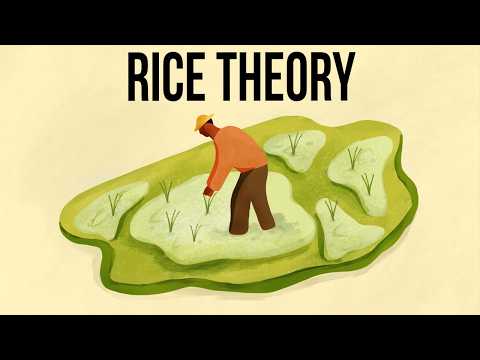
What to think of the Rice Theory of the Japanese Character
0
Susan posted on 2026/05/11Ever wondered how farming shapes a nation's character? This video dives into the fascinating 'Rice Theory,' exploring how terraced farming and irrigation systems in Japan have influenced a collective mindset and work ethic. You'll pick up advanced vocabulary related to agriculture and culture while gaining a deeper understanding of Japanese traditions!
Learn this video on the APP!
The VoiceTube App has more in-depth practice for videos!