
absence
US /ˈæbsəns/
UK /ˈæbsəns/
- Uncountable Noun
- State of not being present, or not existing
- A period of time when someone is away.
B1TOEICMorealternative
US /ɔlˈtɚnətɪv, æl-/
UK /ɔ:lˈtɜ:nətɪv/
- Countable Noun
- Something different you can choose
- Adjective
- A different choice
A2TOEICMoreambivalent
US /æmˈbɪvələnt/
UK /æmˈbɪvələnt/
- Adjective
- Not sure what you feel about something
B2TOEICMoreapproach
US /əˈprəʊtʃ/
UK /ə'prəʊtʃ/
- Verb (Transitive/Intransitive)
- To get close to reaching something or somewhere
- To request someone to do something specific
- Noun (Countable/Uncountable)
- Means of reaching a place, often a road or path
- Request of someone with a specific goal in mind
A2TOEICMorearguably
US /ˈɑːrɡjuəbli/
UK /ˈɑ:gjuəbli/
- Adverb
- Highly likely to be true but not certainly true
A2Moreask for it
US /æsk fər ɪt/
UK /ɑ:sk fə ɪt/
- other
- To behave in a way that will cause trouble or punishment.
B2Moreat least
US /æt list/
UK /æt li:st/
- Adverb
- As a minimum
- Not less than
- Phrase
- No less than; at the minimum
- Used to indicate that something is positive in a bad situation.
C2Moreattain
US /əˈten/
UK /əˈteɪn/
- Transitive Verb
- To reach a desired level or amount over time
B1TOEICMoreaudience
US /ˈɔdiəns/
UK /ˈɔ:diəns/
- Noun (Countable/Uncountable)
- Group of people attending a play, movie etc.
A2TOEICMoreblame
US /blem/
UK /bleɪm/
- Transitive Verb
- To say someone is responsible for something bad
- Noun (Countable/Uncountable)
- Act of saying someone did something bad
A2TOEICMorebring about
US
UK
- Phrasal Verb
- To cause to happen
A1Morechildhood
US /ˈtʃaɪldˌhʊd/
UK /ˈtʃaɪldhʊd/
- Uncountable Noun
- The time when you are a child
B1Moreclaim
US /klem/
UK /kleɪm/
- Noun (Countable/Uncountable)
- To say that something is true, often without proof.
- A statement that something is true.
- Transitive Verb
- To demand or ask for something that you believe is rightfully yours.
- To take or cause the loss of (e.g., a life, property).
A2Morecompassion
US /kəmˈpæʃən/
UK /kəmˈpæʃn/
- Uncountable Noun
- Feeling of wanting to help suffering people
- Actions that demonstrate care and concern for others.
B2Morecomplicate
US /ˈkɑ:mplɪkeɪt/
UK /ˈkɒmplɪkeɪt/
- Transitive Verb
- To make more difficult to do, understand or use
B1Moreconcern
US /kənˈsɚn/
UK /kənˈsɜ:n/
- Verb (Transitive/Intransitive)
- To be about a particular topic
- To have a direct impact on someone
- Noun (Countable/Uncountable)
- Company, firm or business
- Feeling of worry or anxiety
A2TOEICMorecredibility
US /ˌkrɛdəˈbɪlɪti/
UK /ˌkredəˈbɪləti/
- Uncountable Noun
- Quality of being believable or deserving of trust
B2Moredaunt
US /dɔnt, dɑnt/
UK /dɔ:nt/
- Transitive Verb
- To make someone feel less courageous or confident
B2TOEICMoredesperate
US /ˈdɛspərɪt/
UK /ˈdespərət/
- Adjective
- Being beyond hope; prepared to do anything
- State of urgently wanting to go to the toilet
A2Moredevilish
US /ˈdɛvəlɪʃ/
UK /ˈdevəlɪʃ/
- Adjective
- Showing the cunning or wickedness typical devils
B2Moreencourage
US /ɛnˈkɚrɪdʒ, -ˈkʌr-/
UK /ɪn'kʌrɪdʒ/
- Transitive Verb
- To increase the chance of something happening
- To make someone more determined or confident
A2TOEICMoreessence
US /ˈɛsəns/
UK /'esns/
- Uncountable Noun
- Most important part or quality of something
- Substance that has a very strong, unique smell
B1TOEICMoreexceptionally
US /ɪkˈsɛpʃənəlɪ/
UK /ɪkˈsepʃənəli/
- Adverb
- In an extremely and unusually good way
B2Moreflee
US /fli/
UK /fli:/
- Intransitive Verb
- To leave somewhere urgently, to avoid danger
B1Morefluent
US /'fluːənt/
UK /ˈflu:ənt/
- Adjective
- Doing something well and with ease
- Able to speak or write a language fully and easily
B1TOEICMorefrigid
US /ˈfrɪdʒɪd/
UK /ˈfrɪdʒɪd/
- Adjective
- (Especially of women) sexually unresponsive
C1Moregenuine
US /ˈdʒɛnjuɪn/
UK /ˈdʒenjuɪn/
- Adjective
- Being real, actual, and not false or artificial
- Being sincere in your actions or character
A2TOEICMoreguarantee
US /ˌɡærənˈti/
UK /ˌɡærən'ti:/
- Transitive Verb
- To promise to repair a broken product
- To promise that something will happen or be done
- Countable Noun
- A promise to repair a broken product
- Promise that something will be done as expected
A2TOEICMorehumiliating
US /hju:'mɪlɪeɪtɪŋ/
UK /hju:'mɪlɪeɪtɪŋ/
- Adjective
- Causing you to feel a loss of self-respect
- Transitive Verb
- To cause to lose pride, self-respect, or dignity
B2Morein essence
US /ɪn ˈɛsəns/
UK /in ˈesns/
- Phrase
- Used to summarize the main point.
- Relating to the most important aspect of something.
A1Morein fact
US /ɪn fækt/
UK /in fækt/
- Adverb
- Used to emphasize the truth of a statement, especially one that contrasts with or contradicts something else.
- Used to introduce a more detailed or surprising piece of information.
- Phrase
- Used to emphasize the truth of a statement, especially one that is surprising or contrary to what might be expected.
C1Morein flight
US /ɪn flaɪt/
UK /in flait/
- Phrase
- Act of flying
- Adverb
- While flying.
A2Morein part
US /ɪn pɑrt/
UK /in pɑ:t/
- Adverb
- To some extent; partially.
A1Morein the light of
US /ɪn ðə ˈlaɪt ʌv/
UK /in ðə ˈlaɪt ɔv/
- other
- Considering new information or facts.
B2Morein the way
US /ɪn ði we/
UK /in ðə wei/
- Phrase
- Obstructing someone or something; hindering progress.
- Stored or placed so as to be available or ready when needed.
A1Morein truth
US
UK
- Phrase
- In fact; actually; really
A1Moreincompetent
US /ɪnˈkɑ:mpɪtənt/
UK /ɪnˈkɒmpɪtənt/
- Adjective
- Not having the skill or ability to do a thing well
- Noun
- Person who is completely unable to do something
B2Moreinjunction
US /ɪnˈdʒʌŋkʃən/
UK /ɪnˈdʒʌŋkʃn/
- Noun
- Court order, usually to stop something happening
B2Moreintimacy
US /ˈɪntəməsi/
UK /'ɪntɪməsɪ/
- Uncountable Noun
- The sharing of private and personal things
B2Moreirritable
US /ˈɪrɪtəbəl/
UK /ˈɪrɪtəbl/
- Adjective
- Annoyed; easily annoyed or angered
- Easily inflamed or sore.
B2Moremutual
US /ˈmjutʃuəl/
UK /'mju:tʃʊəl/
- Adjective
- Shared between two or more people
- Possessed or held in common.
- Noun
B1Moreon board
US /ɑn bɔrd/
UK /ɔn bɔ:d/
- Phrase
- Being on a ship, plane, or other vehicle
- Adverb
- On or in a ship, aircraft, train, or other vehicle
A1Moreon the other hand
US
UK
- Phrase
- Considering a different aspect of the matter; alternatively.
A1Morephysically
US /ˈfɪzɪkəlɪ/
UK /'fɪzɪklɪ/
- Adverb
- In a manner related to the body
- Concerning reality or the laws of nature
A2Moreplenty
US /ˈplɛnti/
UK /'plentɪ/
- Pronoun
- When there is not too little of something; a lot
- Uncountable Noun
- A large or sufficient amount or quantity; abundance.
- A lot of something
A2Moreprecious
US /ˈprɛʃəs/
UK /'preʃəs/
- Adjective
- Having a youthful, cute, and pleasant appearance
- Very little (time, money etc.)
B1Moreprofoundly
US /prəˈfaʊndlɪ/
UK /prəˈfaʊndli/
- Adverb
- With a great depth psychologically
- To a very great extent; deeply or intensely.
B1Moreregularly
US /ˈregjələrli/
UK /ˈregjələli/
- Adverb
- At the usual time each day, week, or month
- In a normal or customary way.
B1TOEICMorereligious
US /rɪˈlɪdʒəs/
UK /rɪˈlɪdʒəs/
- Adjective
- Following the rules and beliefs of a faith
- Relating to or manifesting faithful devotion to an acknowledged ultimate reality or deity.
B1Morereveal
US /rɪˈvil/
UK /rɪ'vi:l/
- Transitive Verb
- To show something that was hidden before
A2TOEICMoreshield
US /ʃild/
UK /ʃi:ld/
- Noun
- A family's coat of arms or insignia
- Device used to protect from a harmful force
- Transitive Verb
- To cover (e.g. your face) so as to hide from
- To cover from a dangerous or harmful force
B1Moresurrender
US /səˈrɛndɚ/
UK /sə'rendə(r)/
- Uncountable Noun
- Ending a fight you cannot win; formally giving up
- Verb (Transitive/Intransitive)
- To give up in a fight that you cannot win
- To give in, e.g. to person's demands or temptation
B1Moresuspicion
US /səˈspɪʃən/
UK /sə'spɪʃn/
- Uncountable Noun
- Feeling that something or something is doubtful
- Feeling that someone could be guilty of something
B1Moretemptation
US /tɛmpˈteʃən/
UK /tempˈteɪʃn/
- Noun
- Something making you want to do/have bad thing
- Something that attracts or tempts someone.
A2Moretenderness
US /ˈtɛndɚnɪs/
UK /'tendənɪs/
- Uncountable Noun
- Pain that is felt (as when the area is touched)
B2More
Vocabulary
- at least: As a minimum
- on the other hand : Considering a different aspect of the matter; alternatively.
- in the way: Obstructing someone or something; hindering progress.
- in the light of: Considering new information or facts.
- in part: To some extent; partially.
- ask for it: To behave in a way that will cause trouble or punishment.
- in fact: Used to emphasize the truth of a statement, especially one that contrasts with or contradicts something else.
- on board: Being on a ship, plane, or other vehicle
- in truth: In fact; actually; really
- bring about: To cause to happen
- in flight: Act of flying
- in essence: Used to summarize the main point.
- sort: To organize things by putting them into groups
- approach: To get close to reaching something or somewhere
- reveal: To show something that was hidden before
- alternative: Something different you can choose
- intimacy: The sharing of private and personal things
- desperate: Being beyond hope; prepared to do anything
- guarantee: To promise to repair a broken product
- genuine: Being real, actual, and not false or artificial
- matter: To be of great importance; to count
- plenty: When there is not too little of something; a lot
- common: Area in a city or town that is open to everyone
- audience: Group of people attending a play, movie etc.
- compassion: Feeling of wanting to help suffering people
- precious: Having a youthful, cute, and pleasant appearance
- fluent: Doing something well and with ease
- claim: To say that something is true, often without proof.
- temptation: Something making you want to do/have bad thing
- irritable: Annoyed; easily annoyed or angered
- blame: To say someone is responsible for something bad
- encourage: To increase the chance of something happening
- concern: To be about a particular topic
- mutual: Shared between two or more people
- state: Region within a country, with its own government
- physically: In a manner related to the body
- essence: Most important part or quality of something
- arguably: Highly likely to be true but not certainly true
- simply: In an easy or clear manner
- board: Surface for posting or showing information
- religious: Following the rules and beliefs of a faith
- incompetent: Not having the skill or ability to do a thing well
- interest: Best or most advantageous thing for someone
- accept: To agree to receive or take something offered
- flee: To leave somewhere urgently, to avoid danger
- profoundly: With a great depth psychologically
- absence: State of not being present, or not existing
- regularly: At the usual time each day, week, or month
- exceptionally: In an extremely and unusually good way
- complicate: To make more difficult to do, understand or use
- ambivalent: Not sure what you feel about something
- humiliating: Causing you to feel a loss of self-respect
- sound: Sensible, dependable and reliable
- shield: A family's coat of arms or insignia
- fully: Completely or entirely
- fact: Something that is known or proved to be true
- continue: To do something without stopping, or after pausing
- tenderness: Pain that is felt (as when the area is touched)
- suspicion: Feeling that something or something is doubtful
- bring: To take or go with someone to a place
- surrender: Ending a fight you cannot win; formally giving up
- afraid: Worried that something bad will happen; scared
- person: Man, woman or child
- frigid: (Especially of women) sexually unresponsive
- attain: To reach a desired level or amount over time
- childhood: The time when you are a child
- credibility: Quality of being believable or deserving of trust
- daunt: To make someone feel less courageous or confident
- injunction: Court order, usually to stop something happening
- devilish: Showing the cunning or wickedness typical devils
Get the full experience in the app
Learn anywhere with detailed sentence and usage analysis
01:03
She took a brave step forward, leaving behind her comfort zone to chase her dreams.
Vocabulary
- brave
adj. Having courage
- comfort zone
phr. A familiar situation where one feels safe
Explanation
a brave step is a noun phrase, where brave is an adjective modifying the noun step, meaning "a courageous step".
forward is an adverb modifying step, meaning "ahead".
The whole phrase serves as the object, answering the "what" of took (verb) — she took a brave step forward.
Get the full experience in the app
Look up words anytime with pronunciation, part of speech, and usage
brave
US/brev/
UK/breɪv/
adj.Brave
v.t.To bravely face
A2 Elementary
Get the full experience in the app
Practice speaking anytime and get instant pronunciation feedback
Try this speaking exercise.
Try practicing with this sentence.
80
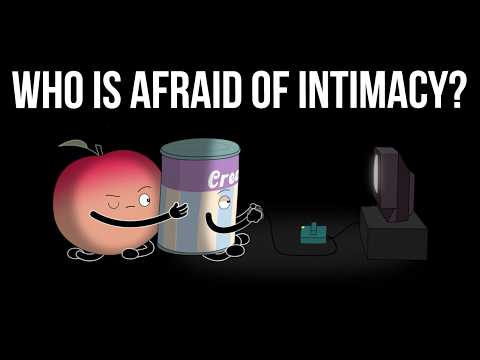
How to Tell If You're Afraid of Intimacy
0
林宜悉 posted on 2026/04/04Ever wonder why getting close to someone feels so tough sometimes? This video dives into the fascinating psychology behind intimacy barriers and emotional avoidance, using advanced vocabulary and complex sentence structures that will really boost your B2+ English skills. You'll gain insights into attachment styles and communication patterns, perfect for deepening both your understanding and your language!
Learn this video on the APP!
The VoiceTube App has more in-depth practice for videos!