
abnormal
US /æbˈnɔ:rml/
UK /æbˈnɔ:ml/
- Adjective
- Not normal, not typical, not usual, not regular
- Relating to behavior that deviates from the norm.
B1Moreaccelerate
US /ækˈsɛləˌret/
UK /əkˈseləreɪt/
- Transitive Verb
- To cause to occur earlier than expected
- To increase the speed or rate of something
B1TOEICMorealcohol
US /ˈælkəˌhɔl,-ˌhɑl/
UK /'ælkəhɒl/
- Uncountable Noun
- A colorless liquid that can catch fire (C2H5OH)
- Drinks such as wine, whiskey, beer
B1Moreany sort of
US
UK
- Determiner
- Any kind of; any type of
- Phrase
- Somewhat; to some extent
A2Moreas long as
US /æz lɔŋ æz/
UK /æz lɔŋ æz/
- Conjunction
- For the period that; provided that.
- For the length of time that
- Preposition
- On the condition that; providing that.
- Having the same length as.
A1Moreas well as
US /æz wɛl æz/
UK /æz wel æz/
- Adverb
- Also; in addition to
- Preposition
- In addition to; and also.
A1Moreat least
US /æt list/
UK /æt li:st/
- Adverb
- As a minimum
- Not less than
- Phrase
- No less than; at the minimum
- Used to indicate that something is positive in a bad situation.
C2Moreat the end of the day
US
UK
- Phrase
- Ultimately; when everything else is considered.
- After a day's work or activities.
A1Moreat the moment
US
UK
- Adverb
- At this time; now
A1Moreavoid
US /əˈvɔɪd/
UK /ə'vɔɪd/
- Transitive Verb
- To prevent from happening
- To stay away from
A2TOEICMorebarrier
US /ˈbæriɚ/
UK /'bærɪə(r)/
- Noun
- Difficult situation preventing something happening
- Structure or object that stops free movement
B1TOEICMorechallenge
US /ˈtʃæləndʒ/
UK /'tʃælɪndʒ/
- Noun (Countable/Uncountable)
- An activity you wish to try that may be hard to do
- Act of formally inviting someone to compete
- Transitive Verb
- To formally invite someone to compete at something
- To question the correctness of something
A2Morechannel
US /ˈtʃænəl/
UK /'tʃænl/
- Noun (Countable/Uncountable)
- Long hole dug in the ground, e.g. to move water
- TV or radio station or its programs
- Transitive Verb
- To dig a long hole for carrying water
- To send (e.g. money) to a certain place or person
B1Morecholesterol
US /kəˈlestərɔ:l/
UK /kəˈlestərɒl/
- Uncountable Noun
- Substance in the body that may cause heart disease
- Noun
- A test to measure the amount of cholesterol in your blood.
B2Morecognitive
US /ˈkɑɡnɪtɪv/
UK /ˈkɒgnətɪv/
- Adjective
- The process of knowing and remembering
- Relating to the ability to think and reason.
C1Morecontact
US /ˈkɑnˌtækt/
UK /'kɒntækt/
- Adjective
- Touching or feeling something
- Noun (Countable/Uncountable)
- Touching or feeling something
- Object that allows electricity to run through it
A2Moredegeneration
US /dɪˌdʒenəˈreɪʃn/
UK /dɪˌdʒenəˈreɪʃn/
- Uncountable Noun
- Process of gradual decline in condition/function
B2Moredementia
US /dɪˈmɛnʃə/
UK /dɪˈmenʃə/
- Uncountable Noun
- Illness characterized by loss of memory
B2Morediabetes
US /ˌdaɪəˈbitɪs, -tiz/
UK /ˌdaɪəˈbi:ti:z/
- Noun (Countable/Uncountable)
- Illness where there is too much sugar in the blood
- A form of diabetes, usually diagnosed in children and young adults, in which the body does not produce insulin.
B2Moredisagree with
US /ˌdɪsəˈɡri wɪð/
UK /ˌdisəˈɡri: wið/
- Phrasal Verb
- To have a different opinion from someone else.
- Intransitive Verb
- To cause someone to feel ill or uncomfortable.
A1Moredisease
US /dɪˈziz/
UK /dɪˈzi:z/
- Noun (Countable/Uncountable)
- Illness that affects a person, animal, or plant
- A disorder of structure or function in a plant, especially one caused by a pathogen.
- Transitive Verb
- To affect with disease; to corrupt or sicken.
A2TOEICMoredismiss
US /dɪsˈmɪs/
UK /dɪsˈmɪs/
- Transitive Verb
- To consider that something is at an end
- To end someone's employment; fire someone
A2TOEICMoredrain
US /dren/
UK /dreɪn/
- Noun (Countable/Uncountable)
- Hole or pipe that water, waste etc. flows into
- Something that depletes resources or energy.
- Transitive Verb
- To empty or remove liquid from
- To use up the energy/ money/power of something
B1Moreexacerbate
US /ɪɡˈzæsɚˌbet/
UK /ɪɡ'zæsəbeɪt/
- Transitive Verb
- To increase the severity or bitterness of
B2Morefacilitate
US /fəˈsɪlɪˌtet/
UK /fə'sɪlɪteɪt/
- Transitive Verb
- To make an action or process easier
B1TOEICMorefigure out
US /ˈfɪɡjɚ aʊt/
UK /ˈfiɡə aut/
- Phrasal Verb
- To understand the behavior of someone
- To think through logically to find a solution
- Verb (Transitive/Intransitive)
- To understand or find an answer to something.
- To find a solution to a problem or understand something.
A1Morefit
US /fɪt/
UK /fɪt/
- Adjective
- Good looking; physically attractive
- Having good physical health and strength
- Verb (Transitive/Intransitive)
- To install a machine, equipment etc.
- To adjust or change to the right size or shape
A2Morefitness
US /ˈfɪtnɪs/
UK /ˈfɪtnəs/
- Uncountable Noun
- Good physical condition; being in shape
B1Morehave to
US /hæv tu/
UK /ˈhæv tə/
- Auxiliary Verb
- Must do
A1Morein terms of
US
UK
- Phrase
- With regard to; concerning a particular aspect.
A1Moreinflammation
US /ˌɪnfləˈmeʃən/
UK /ˌɪnfləˈmeɪʃn/
- Noun (Countable/Uncountable)
- Painful swelling in the body due to illness
- A condition in which a part of the body becomes reddened, swollen, hot, and often painful, especially as a reaction to injury or infection.
B2Moreinsult
US /ɪnˈsʌlt/
UK /ɪn'sʌlt/
- Transitive Verb
- To disrespect someone by being rude or impolite
- Noun (Countable/Uncountable)
- Act of disrespecting by being rude or impolite
B1TOEICMoreintact
US /ɪn'tækt/
UK /ɪn'tækt/
- Adjective
- Being complete, without damaged or missing parts
B1Moreintimately
US /ˈɪntəmɪtlɪ/
UK /'ɪntɪmɪtlɪ/
- Adverb
- Privately and personally
- In a close or personal way; with detailed knowledge or deep understanding.
B2Morekeep out of
US
UK
- Phrasal Verb
- To avoid entering a place; to stay away from a place.
- To avoid becoming involved in something; to stay uninvolved.
A1Morelead to
US /lid tu/
UK /li:d tu:/
- Phrasal Verb
- To result in some action
- Verb (Transitive/Intransitive)
- To have something as a consequence or result.
A1Moreleak
US /lik/
UK /li:k/
- Noun (Countable/Uncountable)
- Act of (gas, liquid) escaping through a small hole
- Information released that wasn't supposed to be
- Intransitive Verb
- (Of a tire) to have air, liquid escaping; (Of air)
- (Liquid) to go out of/get in through crack/opening
B1Moreleaky
US /ˈliki/
UK /ˈli:ki/
- Adjective
- Allowing fluid or air to enter or escape
B1Moremental
US /ˈmɛntl/
UK /ˈmentl/
- Adjective
- Concerning the mind
A2TOEICMorenoxious
US /ˈnɑkʃəs/
UK /ˈnɒkʃəs/
- Adjective
- (Of substance) poisonous/harmful to living things
C1TOEICMorepathological
US /ˌpæθəˈlɑ:dʒɪkl/
UK /ˌpæθəˈlɒdʒɪkl/
- Adjective
- (Liar, etc.) behaving in an uncontrollable (bad)
- Involving, caused by, or of the nature of a physical or mental disease.
C1TOEICMorepathology
US /pæˈθɑlədʒi/
UK /pə'θɒlədʒɪ/
- Uncountable Noun
- Study of diseases and their effect on the body
C1Morephysically
US /ˈfɪzɪkəlɪ/
UK /'fɪzɪklɪ/
- Adverb
- In a manner related to the body
- Concerning reality or the laws of nature
A2Moreplenty
US /ˈplɛnti/
UK /'plentɪ/
- Pronoun
- When there is not too little of something; a lot
- Uncountable Noun
- A large or sufficient amount or quantity; abundance.
- A lot of something
A2Moreprogressive
US /prəˈɡrɛsɪv/
UK /prəˈgresɪv/
- Adjective
- Believing in modern ideas about social change
- Increasing in extent or severity; occurring in gradual stages.
- Noun (Countable/Uncountable)
- People believing in bringing about social change
- A person advocating or implementing social reform or new, liberal ideas.
A2Morepromote
US /prəˈmoʊt/
UK /prəˈməʊt/
- Transitive Verb
- To try to encourage popularity/sales of a product
- To move someone to a higher position or rank
A2TOEICMoreprove out
US
UK
- Phrasal Verb
- To test something in a practical way to see if it works or is effective.
A1Morereduce
US /rɪˈdus, -ˈdjus/
UK /rɪ'dju:s/
- Verb (Transitive/Intransitive)
- To try to decrease, e.g. your weight if overweight
- To boil a liquid until it has decreased in amount
A2TOEICMoreresilience
US /rɪˈzɪljəns/
UK /rɪˈzɪliəns/
- Uncountable Noun
- Ability to recover quickly from something bad
- The capacity to withstand or recover quickly from difficulties; toughness.
B2TOEICMorerobust
US /roˈbʌst, ˈroˌbʌst/
UK /rəʊˈbʌst/
- Adjective
- Having physical vigor or energetic good health
B2TOEICMorerugby
US /ˈrʌɡbi/
UK /ˈrʌgbi/
- Noun
- Game played by two teams with an oval ball
B2Morestave
US /stev/
UK /steɪv/
- Countable Noun
- Wooden post used in structures and buildings
C2Morestave off
US /stev ɔf/
UK /steɪv ɔf/
- Phrasal Verb
- To keep something away; To repel
C2Morestrength
US /strɛŋkθ, strɛŋθ, strɛnθ/
UK /streŋθ/
- Noun (Countable/Uncountable)
- Condition of being strong
- The quality or state of being physically strong.
A2TOEICMorestress
US / strɛs/
UK /stres/
- Transitive Verb
- To emphasize one or more parts of a word, sentence
- To put pressure on something or someone
- Noun (Countable/Uncountable)
- Emphasis on part of a word or sentence
- Pressure on something or someone
A2TOEICMoresupposedly
US /səˈpoʊzɪdli/
UK /səˈpəʊzɪdli/
- Adverb
- As some people believe (shows you doubt it)
A2Moretrauma
US /ˈtraʊmə/
UK /'trɔ:mə/
- Noun (Countable/Uncountable)
- A very severe or upsetting experience
- Serious injury to part of the body
B2Moretremendous
US /trɪˈmɛndəs/
UK /trəˈmendəs/
- Adjective
- Very good or very impressive
- Extremely large or great.
B1TOEICMoretremendously
US /trɪˈmɛndəslɪ/
UK /trə'mendəslɪ/
- Adverb
- Very well or very impressively
B1Moreused to
US /juzd tu/
UK /ˈju:st tə/
- Adjective
- Did regularly before, but don't do now
- Auxiliary Verb
- Have done before, but do not do now
A1Morevascular
US /ˈvæskjəlɚ/
UK /ˈvæskjələ(r)/
- Adjective
- Of tubes through which fluids flow in body/plant
C1Morevessel
US /ˈvɛsəl/
UK /ˈvesl/
- Countable Noun
- Container, such as a cup, for holding liquids
- A ship or boat; something that carries things
B1TOEICMorewhiplash
US /ˈhwɪpˌlæʃ, ˈwɪp-/
UK /ˈwɪplæʃ/
- Noun
- Neck/back injury from sudden jerk, as in car crash
C2More
Vocabulary
- lead to: To result in some action
- used to: Did regularly before, but don't do now
- disagree with: To have a different opinion from someone else.
- prove out: To test something in a practical way to see if it works or is effective.
- any sort of: Any kind of; any type of
- figure out: To understand the behavior of someone
- at least: As a minimum
- stave off: To keep something away; To repel
- in terms of
- keep out of: To avoid entering a place; to stay away from a place.
- at the end of the day: Ultimately; when everything else is considered.
- at the moment: At this time; now
- have to: Must do
- as well as: Also; in addition to
- as long as: For the period that; provided that.
- cognitive: The process of knowing and remembering
- sort: To organize things by putting them into groups
- mental: Concerning the mind
- resilience: Ability to recover quickly from something bad
- tremendous: Very good or very impressive
- diabetes: Illness where there is too much sugar in the blood
- trauma: A very severe or upsetting experience
- plenty: When there is not too little of something; a lot
- common: Area in a city or town that is open to everyone
- expect: To believe something is probably going to happen
- strength: Condition of being strong
- cholesterol: Substance in the body that may cause heart disease
- disease: Illness that affects a person, animal, or plant
- barrier: Difficult situation preventing something happening
- stress: To emphasize one or more parts of a word, sentence
- inflammation: Painful swelling in the body due to illness
- insult: To disrespect someone by being rude or impolite
- increase: To make or become larger in size or amount
- cardiovascular: Concerning the heart and vessels of the body
- drain: Hole or pipe that water, waste etc. flows into
- dementia: Illness characterized by loss of memory
- avoid: To prevent from happening
- brain: To strike someone forcefully on the head
- physically: In a manner related to the body
- intact: Being complete, without damaged or missing parts
- robust: Having physical vigor or energetic good health
- vessel: Container, such as a cup, for holding liquids
- contact: Touching or feeling something
- challenge: An activity you wish to try that may be hard to do
- cortisol: Adrenal-cortex hormone (trade names Hydrocortone or Cortef) that is active in carbohydrate and protein metabolism
- facilitate: To make an action or process easier
- alcohol: A colorless liquid that can catch fire (C2H5OH)
- progressive: Believing in modern ideas about social change
- accelerate: To cause to occur earlier than expected
- reduce: To try to decrease, e.g. your weight if overweight
- supposedly: As some people believe (shows you doubt it)
- fit: Good looking; physically attractive
- dismiss: To consider that something is at an end
- promote: To try to encourage popularity/sales of a product
- channel: Long hole dug in the ground, e.g. to move water
- important: Having power or authority
- hit: To have a negative impact on a person/place/thing
- system: Set of organized, planned ideas that work together
- exacerbate: To increase the severity or bitterness of
- active: Moving around a lot or doing many things
- fitness: Good physical condition; being in shape
- leak: Act of (gas, liquid) escaping through a small hole
- abnormal: Not normal, not typical, not usual, not regular
- tremendously: Very well or very impressively
- clear: Empty; without anything in it or on it
- live: To be alive
- intimately: Privately and personally
- stay: To keep trying without giving up
- people: Persons sharing culture, country, background, etc.
- pathological: (Liar, etc.) behaving in an uncontrollable (bad)
- rugby: Game played by two teams with an oval ball
- degeneration: Process of gradual decline in condition/function
- stave: Wooden post used in structures and buildings
- pathology: Study of diseases and their effect on the body
- leaky: Allowing fluid or air to enter or escape
- noxious: (Of substance) poisonous/harmful to living things
- vascular: Of tubes through which fluids flow in body/plant
- whiplash: Neck/back injury from sudden jerk, as in car crash
Get the full experience in the app
Learn anywhere with detailed sentence and usage analysis
01:03
She took a brave step forward, leaving behind her comfort zone to chase her dreams.
Vocabulary
- brave
adj. Having courage
- comfort zone
phr. A familiar situation where one feels safe
Explanation
a brave step is a noun phrase, where brave is an adjective modifying the noun step, meaning "a courageous step".
forward is an adverb modifying step, meaning "ahead".
The whole phrase serves as the object, answering the "what" of took (verb) — she took a brave step forward.
Get the full experience in the app
Look up words anytime with pronunciation, part of speech, and usage
brave
US/brev/
UK/breɪv/
adj.Brave
v.t.To bravely face
A2 Elementary
Get the full experience in the app
Practice speaking anytime and get instant pronunciation feedback
Try this speaking exercise.
Try practicing with this sentence.
80
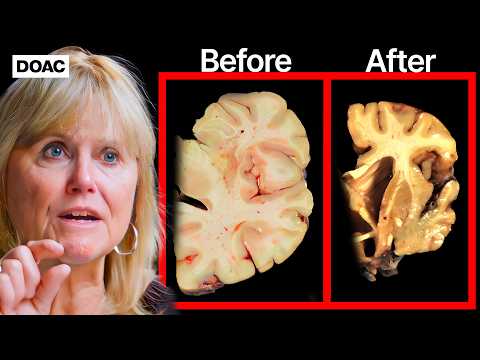
THIS Is The Fastest Way To Get Dementia… | The Brain Doctor, Dr Ann Mckee
0
Susan posted on 2026/03/10Ever wondered about the fastest way to get dementia? This fascinating interview with Dr. Ann McKee dives deep into neuroinflammation and vascular health, offering practical tips for preventing Alzheimer's. You'll pick up advanced vocabulary and learn crucial knowledge for daily life, making it a must-watch for understanding brain health!
Learn this video on the APP!
The VoiceTube App has more in-depth practice for videos!