
acknowledge
US /ækˈnɑlɪdʒ/
UK /ək'nɒlɪdʒ/
- Transitive Verb
- To say you have received a letter, gift, etc.
- To say you accept the truth or value of something
A2Morealphabet
US /ˈælfəˌbɛt, -bɪt/
UK /ˈælfəbet/
- Noun
- Letters, symbols, characters of a written language
B1Moreat that time
US /æt ðæt taɪm/
UK /æt ðæt taim/
- Phrase
- During a specific point in the past.
A1Moreat work
US /æt wɚk/
UK /æt wə:k/
- Phrase
- Located at one's place of employment
A1Moreaviation
US /ˌeviˈeʃən,ˌævi-/
UK /ˌeɪviˈeɪʃn/
- Uncountable Noun
- Science or practice of flying aircraft
B2Morebravo
US /ˌbrɑ:ˈvoʊ/
UK /ˌbrɑ:ˈvəʊ/
- Interjection
- Shouted to express approval, e.g. of a performance
C1Morechatter
US /ˈtʃætɚ/
UK /ˈtʃætə(r)/
- Intransitive Verb
- To talk a lot in a casual manner
- (As of teeth if cold) to click uncontrollably
- Uncountable Noun
- Continuous rapid talk about matters of little importance.
- A rapid series of short, sharp noises.
C2Morecombat
US /kəmˈbæt, ˈkɑmˌbæt/
UK /'kɒmbæt/
- Verb (Transitive/Intransitive)
- To fight someone or something physically
B1Morecommunication
US /kəˌmjunɪˈkeʃən/
UK /kəˌmju:nɪ'keɪʃn/
- Noun (Countable/Uncountable)
- Talking to people; giving information to people
- The process of conveying information, ideas, or feelings through language or other means.
A2Morecompetence
US /ˈkɑmpɪtəns/
UK /ˈkɒmpɪtəns/
- Noun (Countable/Uncountable)
- Ability to do in a fully satisfactory way
- The quality of being adequately or well qualified; the state of being competent.
B2Morecomply
US /kəmˈplaɪ/
UK /kəmˈplaɪ/
- Intransitive Verb
- To obey; follow a rule, another's wishes etc.
B2Moreconfident
US /ˈkɑnfɪdənt/
UK /ˈkɒnfɪdənt/
- Adjective
- Feeling that you can do well at something
- Having a strong belief in the truth or certainty of something.
- Noun
- A person who is self-assured and believes in their abilities.
A2Moreconfusion
US /kənˈfjuʒən/
UK /kən'fju:ʒən/
- Uncountable Noun
- Not knowing what to do; state of disorder
B1Morecoordinate
US /ko'ɔrdəˈnet/
UK /kəʊ'ɔ:dɪneɪt/
- Transitive Verb
- To match styles or colors that go well together
- To cause body parts to move smoothly together
- Noun
- Point on a map defining a location e.g. 135N, 34W
- A matching set of clothes.
B1Morecrisp
US /krɪsp/
UK /krɪsp/
- Verb (Transitive/Intransitive)
- To make or become dry and crisp, as with heat
- Adjective
- (Of weather) chilly; a little cold
B1Moreculture
US /ˈkʌltʃɚ/
UK /'kʌltʃə(r)/
- Noun (Countable/Uncountable)
- Beliefs and customs of a particular group
- The customs, beliefs, art, and all the other things that a group of people share and consider important.
- Transitive Verb
- To grow cells, tissues, bacteria, etc. in a controlled environment.
A2Morediscipline
US /ˈdɪsəplɪn/
UK /'dɪsəplɪn/
- Noun (Countable/Uncountable)
- Instruction and practice to teach obedience
- Particular field of study
- Transitive Verb
- To control or train others by making them obey you
- To punish a person for their wrongdoing
B1TOEICMoredrift
US /drɪft/
UK /drɪft/
- Intransitive Verb
- (Of sand, etc.) to be blown into heaps by the wind
- (Of boats) to move without purpose on water
B1Moreemphasis
US /ˈɛmfəsɪs/
UK /ˈemfəsɪs/
- Uncountable Noun
- Special attention, importance, or force
- Stress placed on part of a word or phrase
A2TOEICMoreevolve
US /ɪˈvɑlv/
UK /ɪ'vɒlv/
- Verb (Transitive/Intransitive)
- To develop certain features
- To develop or change slowly over time
B1Moreexplode
US /ɪkˈsplod/
UK /ɪk'spləʊd/
- Verb (Transitive/Intransitive)
- To express an emotion in a sudden and loud way
- To increase in number or amount very quickly
B1Moreexplore
US /ɪkˈsplɔr/
UK /ɪk'splɔ:(r)/
- Transitive Verb
- To examine something in detail to learn about it
- To travel to a place to discover more about it
A2TOEICMorego back to
US /ɡo bæk tu/
UK /ɡəu bæk tu:/
- Phrasal Verb
- To return to a starting point
A1Morehabit
US /ˈhæbɪt/
UK /'hæbɪt/
- Noun
- Loose clothing like a cloak, worn by monks, nuns
- Usual way of behaving; something often repeated
A2TOEICMorehave to
US /hæv tu/
UK /ˈhæv tə/
- Auxiliary Verb
- Must do
A1Moreinstead of
US /ɪnˈstɛd ʌv/
UK /inˈsted ɔv/
- Preposition
- When one thing is replaced by another
- Adverb
- As a substitute or alternative.
A1Morelinguistic
US /lɪŋˈɡwɪstɪk/
UK /lɪŋˈgwɪstɪk/
- Adjective
- Of or relating to language
- Relating to the scientific study of language.
B1Moremilitary
US /ˈmɪlɪˌtɛri/
UK /'mɪlətrɪ/
- Noun
- Army or armed forces
- Adjective
- Concerning the army or navy
B1Moremiscommunication
US /ˌmɪskəˌmju:nɪ'keɪʃən/
UK /mɪskəmju:nɪ'keɪʃən/
- Uncountable Noun
- Mistakes made when exchanging messages
C2Moremysterious
US /mɪˈstɪriəs/
UK /mɪˈstɪəriəs/
- Adjective
- Unusual; hard to understand or work out
A2Moremystery
US /ˈmɪstəri/
UK /ˈmɪstri/
- Noun (Countable/Uncountable)
- Quality of being strange and not understood
- Book, play, or film about solving a strange crime
A2Morenecessity
US /nəˈsɛsɪti/
UK /nəˈsesəti/
- Noun (Countable/Uncountable)
- Something that you must have or do
- The state of being forced to do something because it is required.
B1TOEICMoreon the other hand
US
UK
- Phrase
- Considering a different aspect of the matter; alternatively.
A1Morephonetic
US /fəˈnɛtɪk/
UK /fəˈnetɪk/
- Adjective
- Concerning the sounds of languages
C1Morephrase
US /frez/
UK /freɪz/
- Noun
- Common expression or saying
- Section of musical notes in a piece of music
- Verb (Transitive/Intransitive)
- To choose words to say what you mean clearly
A2Morepsychological
US /ˌsaɪkəˈlɑdʒɪkəl/
UK /ˌsaɪkəˈlɒdʒɪkl/
- Adjective
- Concerning the study of the mind
- Relating to or involving the use of propaganda, threats, or other psychological techniques to subdue an opponent.
A2Morereceipt
US /rɪˈsit/
UK /rɪˈsi:t/
- Noun (Countable/Uncountable)
- Act of receiving something
- Piece of paper showing you have paid
B1TOEICMoreroger that
US
UK
- Interjection
- Acknowledge and confirm receipt and understanding of a message or instruction.
- Indicates compliance or affirmation, often used in radio communications.
A1Moresarcastically
US /sɑrˈkæstɪkəlɪ/
UK /sɑ:'kæstɪklɪ/
- Adverb
- In a rude and critical manner
C1Moresharp
US /ʃɑrp/
UK /ʃɑ:p/
- Proper Noun
- Person's name
- Adjective
- Being very clear and easy to see
- (Of clothes) nicely or stylishly
A2TOEICMoreshorthand
US /ˈʃɔrtˌhænd/
UK /ˈʃɔ:thænd/
- Uncountable Noun
- Abbreviated writing; symbols used by secretary
B2Moresignal
US /ˈsɪɡnəl/
UK /'sɪɡnəl/
- Verb (Transitive/Intransitive)
- To be evidence/an indication something will happen
- To make a noise or motion to tell someone to start
- Noun (Countable/Uncountable)
- Evidence or an indication something will happen
- Movement of a hand or other means to send messages
A2Moreslang
US /slæŋ/
UK /slæŋ/
- Uncountable Noun
- Words or phrases used in a very informal way
B1Morespecific
US /spɪˈsɪfɪk/
UK /spəˈsɪfɪk/
- Adjective
- Precise; particular; just about that thing
- Concerning one particular thing or kind of thing
A2Morestandardize
US /ˈstændərdaɪz/
UK /ˈstændədaɪz/
- Transitive Verb
- To change to make everything the same level
B2Morestatic
US /ˈstætɪk/
UK /ˈstætɪk/
- Adjective
- Concerning electricity that collects on a surface
- Being unchangeable or unmovable
- Uncountable Noun
- Unwanted noise that disturbs a radio or TV signal
B2Moresubtle
US /ˈsʌtl/
UK /'sʌtl/
- Adjective
- Delicate or slight so it is difficult to perceive
- Clever or indirect but hides the true purpose
B1Moresyllable
US /ˈsɪləbəl/
UK /'sɪləbl/
- Countable Noun
- Part of a word containing a vowel
B2Moretiny
US /ˈtaɪni/
UK /'taɪnɪ/
- Adjective
- Very, very small
A2Morevoid
US /vɔɪd/
UK /vɔɪd/
- Uncountable Noun
- Empty feeling because nothing interests you
- Noun
- Empty space; empty place
B2More
Vocabulary
- roger that: Acknowledge and confirm receipt and understanding of a message or instruction.
- instead of: When one thing is replaced by another
- go back to: To return to a starting point
- have to: Must do
- at that time: During a specific point in the past.
- on the other hand : Considering a different aspect of the matter; alternatively.
- at work: Located at one's place of employment
- specific: Precise; particular; just about that thing
- discipline: Instruction and practice to teach obedience
- phrase: Common expression or saying
- subtle: Delicate or slight so it is difficult to perceive
- matter: To be of great importance; to count
- evolve: To develop certain features
- psychological: Concerning the study of the mind
- confident: Feeling that you can do well at something
- combat: To fight someone or something physically
- explore: To examine something in detail to learn about it
- slang: Words or phrases used in a very informal way
- mysterious: Unusual; hard to understand or work out
- military: Army or armed forces
- acknowledge: To say you have received a letter, gift, etc.
- mean: Average of a set of numbers
- wonder: Surprise caused by experiencing something amazing
- tiny: Very, very small
- simply: In an easy or clear manner
- coordinate: To match styles or colors that go well together
- syllable: Part of a word containing a vowel
- emphasis: Special attention, importance, or force
- receipt: Act of receiving something
- drift: (Of sand, etc.) to be blown into heaps by the wind
- mystery: Quality of being strange and not understood
- void: Empty feeling because nothing interests you
- linguistic: Of or relating to language
- receive: To get something someone has given or sent to you
- aviation: Science or practice of flying aircraft
- culture: Beliefs and customs of a particular group
- communication: Talking to people; giving information to people
- signal: To be evidence/an indication something will happen
- sound: Sensible, dependable and reliable
- habit: Loose clothing like a cloak, worn by monks, nuns
- sharp: Person's name
- confusion: Not knowing what to do; state of disorder
- static: Concerning electricity that collects on a surface
- simple: Not hard to understand or do; not complex
- alphabet: Letters, symbols, characters of a written language
- explode: To express an emotion in a sudden and loud way
- crisp: To make or become dry and crisp, as with heat
- necessity: Something that you must have or do
- language: Words or signs used to communicate messages
- competence: Ability to do in a fully satisfactory way
- difference: A thing or issue that people do not agree about
- comply: To obey; follow a rule, another's wishes etc.
- understand: To know the meaning of language, what someone says
- carry: To have a child, be pregnant
- clear: Empty; without anything in it or on it
- travel: To go to a place that is far away
- time: Speed at which music is played; tempo
- phonetic: Concerning the sounds of languages
- hear: To be aware of sound; to perceive with the ear
- chatter: To talk a lot in a casual manner
- shorthand: Abbreviated writing; symbols used by secretary
- miscommunication: Mistakes made when exchanging messages
- standardize: To change to make everything the same level
- sarcastically: In a rude and critical manner
- bravo: Shouted to express approval, e.g. of a performance
Get the full experience in the app
Learn anywhere with detailed sentence and usage analysis
01:03
She took a brave step forward, leaving behind her comfort zone to chase her dreams.
Vocabulary
- brave
adj. Having courage
- comfort zone
phr. A familiar situation where one feels safe
Explanation
a brave step is a noun phrase, where brave is an adjective modifying the noun step, meaning "a courageous step".
forward is an adverb modifying step, meaning "ahead".
The whole phrase serves as the object, answering the "what" of took (verb) — she took a brave step forward.
Get the full experience in the app
Look up words anytime with pronunciation, part of speech, and usage
brave
US/brev/
UK/breɪv/
adj.Brave
v.t.To bravely face
A2 Elementary
Get the full experience in the app
Practice speaking anytime and get instant pronunciation feedback
Try this speaking exercise.
Try practicing with this sentence.
80
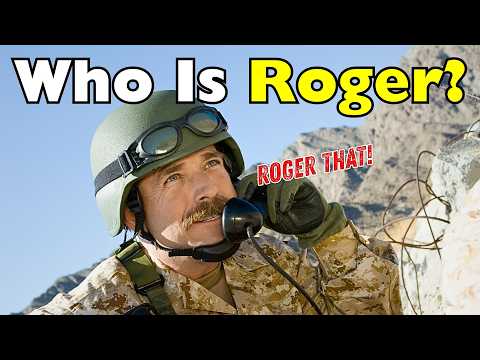
Why Do People Say “Roger That” Instead of “Understood”? [ID0813]
0
Minjane posted on 2026/02/24Ever wondered why pilots and radio operators use "Roger that" instead of just "Understood"? This fun explainer dives into the fascinating history of this common phrase, tracing its roots from telegraphy and military jargon all the way to modern communication. You'll pick up some cool cultural insights and advanced vocabulary along the way!
Learn this video on the APP!
The VoiceTube App has more in-depth practice for videos!