
abc
US
UK
- Noun
- First letters of the Roman alphabet
C1Moreacademically
US /ˌækə'demɪklɪ/
UK /ˌækə'demɪklɪ/
- Adverb
- In regard to teaching or learning
B2Moreaccess
US /ˈæksɛs/
UK /'ækses/
- Noun (Countable/Uncountable)
- Way to enter a place, e.g. a station or stadium
- The opportunity or right to use something or to see someone.
- Transitive Verb
- To be able to use or have permission to use
A2TOEICMoreacknowledge
US /ækˈnɑlɪdʒ/
UK /ək'nɒlɪdʒ/
- Transitive Verb
- To say you have received a letter, gift, etc.
- To say you accept the truth or value of something
A2Moreaddiction
US /əˈdɪkʃən/
UK /əˈdɪkʃn/
- Noun (Countable/Uncountable)
- Lack of control the overuse of something e.g. drugs
- A compulsive physiological need for a habit-forming substance.
B1TOEICMoreadolescent
US /ˌædə'lesnt/
UK /ˌædəˈlesnt/
- Noun
- Teenager developing into an adult
- Adjective
- Of the period between childhood and adulthood
B2Moreas such
US /æz sʌtʃ/
UK /æz sʌtʃ/
- Pronoun
- Something previously stated or understood
A1Moreat home
US /æt hom/
UK /æt həum/
- Phrase
- In one's own residence or country.
- Adjective
- Feeling comfortable and relaxed.
at the moment
US
UK
- Adverb
- At this time; now
A1Moreattendance
US /əˈtɛndəns/
UK /əˈtendəns/
- Noun (Countable/Uncountable)
- Number of people present at a place or event
- State of being present at a place or event
B2TOEICMoreaverage
US /ˈævərɪdʒ, ˈævrɪdʒ/
UK /'ævərɪdʒ/
- Noun (Countable/Uncountable)
- Total of numbers divided by the number of items
- Transitive Verb
- To add numbers then divide by the number of items
A2TOEICMoreawake to
US
UK
- Phrasal Verb
- To become aware of something.
A1Morebased on
US
UK
- Phrasal Verb
- To use something as the foundation or starting point for something else.
- Preposition
- Using something as the main idea or foundation.
- Relying on something as evidence or justification.
A1Morebetter known as
US /ˈbɛtɚ non æz/
UK /ˈbetə nəʊn æz/
- Phrase
- More widely or commonly recognized by a particular name or description.
A1Moreboundary
US /ˈbaʊndəri, -dri/
UK /'baʊndrɪ/
- Noun
- A division or border to separate two areas
- In sports, a line or marker indicating the edge of the playing area.
B1Morebreak from
US
UK
- Phrasal Verb
- To separate oneself from an association or way of life, typically due to disagreement or disillusionment.
A1Moreclinically
US /'klɪnɪklɪ/
UK /'klɪnɪklɪ/
- Adverb
- With respect to treating and observing patients
B1Morecombat
US /kəmˈbæt, ˈkɑmˌbæt/
UK /'kɒmbæt/
- Verb (Transitive/Intransitive)
- To fight someone or something physically
B1Morecommunity
US /kəˈmjunɪti/
UK /kə'mju:nətɪ/
- Noun (Countable/Uncountable)
- Group of people who share a common idea or area
- A feeling of fellowship with others, as a result of sharing common attitudes, interests, and goals.
- Adjective
- Relating to or shared by the people in a particular area.
- Shared or participated in by all members of a group
A2Moredistinguish
US /dɪˈstɪŋɡwɪʃ/
UK /dɪˈstɪŋgwɪʃ/
- Transitive Verb
- To make something clearly different from others
- To make noticeable or different; to set apart.
A2TOEICMoreexcessive
US /ɪkˈsɛsɪv/
UK /ɪkˈsesɪv/
- Adjective
- Beyond what is usual or proper
B2Morefirsthand
US /'fɜ:st'hænd/
UK /'fɜ:st'hænd/
- Adjective
- Received directly from a source
C1Moregambling
US /'ɡæmblɪŋ/
UK /'ɡæmblɪŋ/
- Uncountable Noun
- Act of betting money on events
- Verb (Transitive/Intransitive)
- To play games to win money
- To take risky action in the hope of a desired result.
B1Moregame on
US /ɡem ɑn/
UK /ɡeim ɔn/
- Interjection
- An exclamation indicating the start of a game or activity.
- An exclamation indicating acceptance of a challenge.
A1Moregamer
US
UK
- Countable Noun
- Person playing a game to a set of rules
C2Moreget out of
US /ɡɛt aʊt ʌv/
UK /ɡet aut ɔv/
- Phrasal Verb
- To leave or escape responsibilities, troubles
- To leave a small, enclosed vehicle
A1Morehanging out
US
UK
- Phrasal Verb
- To spend time with your friends
- To spend times with friends or relax doing nothing
A2Morehas over
US
UK
- Phrasal Verb
- To invite someone to your house.
- To have more than a certain number or amount.
A1Morehazardous
US /ˈhæzədəs/
UK /'hæzədəs/
- Adjective
- Involving danger, risk, and potential damages
- Relating to substances or conditions that can cause harm to people or the environment.
B1TOEICMorehook
US /hʊk/
UK /hʊk/
- Noun (Countable/Uncountable)
- Bent tool used to catch fish or to hang things on
- The start of a story which catches your interest
- Transitive Verb
- To make a bent or curved shape
- To catch your interest completely
B1Moreignore
US /ɪɡˈnɔr, -ˈnor/
UK /ɪɡ'nɔ:(r)/
- Transitive Verb
- To not listen to, look at, or pay attention to
A2TOEICMorein real life
US /ɪn ˈriəl laɪf/
UK /in riəl laif/
- Phrase
- In the physical world; not online or in a fictional setting.
- Actually; genuinely; not made up or fictional.
A2Morein terms of
US
UK
- Phrase
- With regard to; concerning a particular aspect.
A1Morein the first place
US
UK
- Phrase
- To begin with; as the first point or consideration.
- From the beginning; initially.
A1Morein the game
US /ɪn ðə ˈɡeɪm/
UK /in ðə ˈɡeɪm/
- other
- Still involved or active in a competition or situation.
B2Moreinstead of
US /ɪnˈstɛd ʌv/
UK /inˈsted ɔv/
- Preposition
- When one thing is replaced by another
- Adverb
- As a substitute or alternative.
A1Moreinteract with
US /ˌɪntɚˈækt wɪð/
UK /ˌɪntərˈækt wið/
- Phrase
- Verb (Transitive/Intransitive)
- To engage in communication or action involving mutual or reciprocal influence.
- To use a computer interface to achieve a specific goal.
A2Moreinterest of
US
UK
- Phrase
- For the benefit or advantage of someone or something.
- A feeling of wanting to know or learn about something or someone.
- Noun
- A legal share or right in something.
A1Moreinto detail
US /ˈɪntu ˈditel/
UK /ˈɪntəʊ ˈdi:teɪl/
- other
- To explain or discuss something thoroughly with many specifics.
B1Moreinvolve
US /ɪnˈvɑlv/
UK /ɪn'vɒlv/
- Transitive Verb
- To have or be included as a part of something
- To cause (a person or group) to take part in an event or activity.
A2TOEICMoreissue
US /ˈɪʃu/
UK /'ɪʃu:/
- Transitive Verb
- To make something available to be used or sold
- To deliver a statement, etc. in an official manner
- Noun (Countable/Uncountable)
- Important topic discussed, debated or argued over
- Single edition of a magazine
A2TOEICMorelook at
US /lʊk æt/
UK /luk æt/
- Phrasal Verb
- To use your eyes to focus on something
- To focus your eyes on something carefully
A1Morelook for
US /lʊk fɔr/
UK /luk fɔ:/
- Phrasal Verb
- To try to find a thing or person that is lost
- To expect or anticipate something.
A1Moreloot
US /lut/
UK /lu:t/
- Transitive Verb
- To steal things after riots or disasters
- Noun (Countable/Uncountable)
- Things stolen after robbery, riots, disasters etc.
B2Moreneglect
US /nɪˈɡlɛkt/
UK /nɪ'ɡlekt/
- Uncountable Noun
- Act of failing to do something important, required
- State or condition of not receiving proper care
- Transitive Verb
- To not do something that is important or required
- To fail to take care of something; ignore
B1TOEICMorenovelty
US /ˈnɑ:vlti/
UK /ˈnɒvlti/
- Noun (Countable/Uncountable)
- Items that are unusual, interesting, or unique
B2TOEICMorenumber of people
US /ˈnʌmbɚ ʌv ˈpipəl/
UK /ˈnʌmbə ɔv ˈpi:pl/
- Phrase
- The total count of individuals within a group or gathering.
- A statistical figure representing the population size or a subset thereof.
A1Moreon end
US /ɑn ɛnd/
UK /ɔn end/
- Phrase
- Continuously; without stopping.
- In an upright position; standing vertically.
A1Moreother than
US
UK
- Preposition
- Except for; apart from.
- Conjunction
- Different from.
A1Moreout of it
US /aʊt ʌv ɪt/
UK /aut ɔv it/
- Adjective
- Unconscious or not completely alert; dazed or confused.
- Not able to think clearly or react quickly; not with it.
A1Morepandemic
US /pænˈdɛmɪk/
UK /pæn'demɪk/
- Adjective
- (of a disease) existing in almost all of an area or in almost all of a group of people, animals, or plants
- Noun
- a pandemic disease
C2Morepersuasive
US /pɚˈswesɪv, -zɪv/
UK /pəˈsweɪsɪv/
- Adjective
- Able to convince others to do or believe something
B2Moreplay games
US
UK
- Verb (Transitive/Intransitive)
- To participate in activities for enjoyment or recreation, often involving rules and competition.
- To behave in a dishonest or insincere way to achieve a goal.
A1Morepolished
US /ˈpɑlɪʃt/
UK /ˈpɒlɪʃt/
- Transitive Verb
- To make something smooth and shiny by rubbing it
- To improve by practicing or working on it
- Verb
- To improve by practicing or working on it
B1Morepopulation
US /ˌpɑpjəˈleʃən/
UK /ˌpɒpjuˈleɪʃn/
- Noun (Countable/Uncountable)
- Number of people who live in a country, area etc.
- A group of individuals of one species living in a particular area.
A2TOEICMorereach
US /ritʃ/
UK /ri:tʃ/
- Verb (Transitive/Intransitive)
- To come to or arrive at a goal or destination
- To be long enough to get to a certain place
- Uncountable Noun
- Power or control someone has over something
A2TOEICMorereckon
US /ˈrɛkən/
UK /ˈrekən/
- Verb (Transitive/Intransitive)
- To believe or expect that something is true
A2Moreredesign
US /ˌridɪˈzaɪn/
UK /ˌri:dɪ'zaɪn/
- Transitive Verb
- To change the design or style of something
- To revise the design of something, often to improve its function or appearance.
- Noun
- Action to change the design or style of
B2Moreregulate
US /ˈrɛɡjəˌlet/
UK /ˈregjuleɪt/
- Transitive Verb
- To control something with rules or laws
- To set/adjust (a clock, etc.); restrict motion in
A2TOEICMoreresearch
US /rɪˈsɚtʃ, ˈriˌsɚtʃ/
UK /rɪ'sɜ:tʃ/
- Verb (Transitive/Intransitive)
- To study in order to discover new ideas and facts
- To study the market relating to marketing products and services.
- Noun (Countable/Uncountable)
- Study done to discover new ideas and facts
- A particular area or topic of study.
A2TOEICMorespawn
US /spɔn/
UK /spɔ:n/
- Noun
- Product or result of something
- The young of some fish and animals
- Transitive Verb
- To produce something or make something happen
B2Morespend money
US /spɛnd ˈmʌni/
UK /spend ˈmʌni/
- Phrase
- To use money to buy or pay for something.
A1Morestay home
US
UK
- Intransitive Verb
- To remain in one's house or residence.
A1Morestay in
US /ste ɪn/
UK /stei in/
- Phrasal Verb
- To remain inside one's home.
- Intransitive Verb
- To remain as an inpatient in a hospital.
step back
US /stɛp bæk/
UK /step bæk/
- Phrasal Verb
- To move backwards; to move away from something.
- To take a break from something; to gain perspective.
A1Morestreamer
US /ˈstrimɚ/
UK /ˈstri:mə(r)/
- Countable Noun
- Long strip of paper used for decoration
C1Morestroke
US /strok/
UK /strəʊk/
- Noun (Countable/Uncountable)
- When blood cannot get to brain, causing damage
- Mark made by a pen, pencil or brush
- Transitive Verb
- To rub your hand in a caring way on something
B1Moresuch as
US /sʌtʃ æz/
UK /sʌtʃ æz/
- Preposition
- For example; like
A1Moresuffer
US / ˈsʌfɚ/
UK /'sʌfə(r)/
- Verb (Transitive/Intransitive)
- To experience pain, illness, or injury
- To allow or permit something, especially something unpleasant.
A2Moretaken over
US
UK
- Phrasal Verb
- To gain control of (a company) from someone else
- To gain control of something.
A1Moretap into
US /tæp ˈɪntu/
UK /tæp ˈɪntuː/
- Phrasal Verb
- To manage to use something in a way that brings you benefits
- To understand and express something that people are feeling
B1Moreturn to
US /tɚn tu/
UK /tə:n tu:/
- Phrasal Verb
- To go to someone for help, advice, or information.
- To start doing or using something, often something bad or undesirable.
A1Moretwitch
US /twɪtʃ/
UK /twɪtʃ/
- Verb (Transitive/Intransitive)
- To draw, pull, or move suddenly and sharply; jerk
- Noun (plural)
- A sudden and sharp movement often involuntary
B2Moreurge
US /ɚdʒ/
UK /ɜ:dʒ/
- Noun (Countable/Uncountable)
- A strong desire for something
- Strong pressure on someone to do something
- Transitive Verb
- To drive something forward
- To ask or encourage someone to do something
A2Moreused to
US /juzd tu/
UK /ˈju:st tə/
- Adjective
- Did regularly before, but don't do now
- Auxiliary Verb
- Have done before, but do not do now
A1Moreweekend off
US
UK
- Noun
- A weekend when one does not have to work; free time on a weekend.
- Adjective
- Having a weekend free from work or other obligations; scheduled to not work on a weekend.
A2More
Vocabulary
- instead of: When one thing is replaced by another
- in terms of
- better known as: More widely or commonly recognized by a particular name or description.
- turn to: To go to someone for help, advice, or information.
- look for: To try to find a thing or person that is lost
- stay in: To remain inside one's home.
- play games: To participate in activities for enjoyment or recreation, often involving rules and competition.
- interact with
- stay home: To remain in one's house or residence.
- based on: To use something as the foundation or starting point for something else.
- tap into: To manage to use something in a way that brings you benefits
- at home: In one's own residence or country.
- out of it: Unconscious or not completely alert; dazed or confused.
- number of people: The total count of individuals within a group or gathering.
- has over: To invite someone to your house.
- used to: Did regularly before, but don't do now
- game on: An exclamation indicating the start of a game or activity.
- taken over: To gain control of (a company) from someone else
- hanging out: To spend time with your friends
- such as: For example; like
- awake to: To become aware of something.
- in the first place: To begin with; as the first point or consideration.
- in the game: Still involved or active in a competition or situation.
- at the moment: At this time; now
- spend money: To use money to buy or pay for something.
- into detail: To explain or discuss something thoroughly with many specifics.
- in real life: In the physical world; not online or in a fictional setting.
- break from: To separate oneself from an association or way of life, typically due to disagreement or disillusionment.
- get out of: To leave or escape responsibilities, troubles
- look at: To use your eyes to focus on something
- weekend off: A weekend when one does not have to work; free time on a weekend.
- step back: To move backwards; to move away from something.
- other than: Except for; apart from.
- interest of: For the benefit or advantage of someone or something.
- on end: Continuously; without stopping.
- as such: Something previously stated or understood
- pandemic: (of a disease) existing in almost all of an area or in almost all of a group of people, animals, or plants
- access: Way to enter a place, e.g. a station or stadium
- average: Total of numbers divided by the number of items
- urge: A strong desire for something
- community: Group of people who share a common idea or area
- excessive: Beyond what is usual or proper
- combat: To fight someone or something physically
- research: To study in order to discover new ideas and facts
- stroke: When blood cannot get to brain, causing damage
- acknowledge: To say you have received a letter, gift, etc.
- issue: To make something available to be used or sold
- suffer: To experience pain, illness, or injury
- reach: To come to or arrive at a goal or destination
- ignore: To not listen to, look at, or pay attention to
- addiction: Lack of control the overuse of something e.g. drugs
- neglect: Act of failing to do something important, required
- distinguish: To make something clearly different from others
- novelty: Items that are unusual, interesting, or unique
- population: Number of people who live in a country, area etc.
- regulate: To control something with rules or laws
- involve: To have or be included as a part of something
- boundary: A division or border to separate two areas
- interest: Best or most advantageous thing for someone
- break: To create a new record e.g. running the 100m dash
- reckon: To believe or expect that something is true
- social: Involving activity with people, e.g. in free time
- lot: What happens to a person in life from chance; fate
- government: Group of people and system that rule a nation
- hazardous: Involving danger, risk, and potential damages
- hook: Bent tool used to catch fish or to hang things on
- hard: Difficult to do; difficult to understand
- persuasive: Able to convince others to do or believe something
- spawn: Product or result of something
- part: Division of a book
- start: First time or place that a thing exists; beginning
- adolescent: Teenager developing into an adult
- healthy: In good condition physically, or financially; well
- feel: To be aware of or experience an emotion, sensation
- university: High-level educational institution; college
- life: All the living things e.g. animals, plants, humans
- behaviour: The way a person or thing acts; manner
- problem: Something difficult to deal with or causes trouble
- firsthand: Received directly from a source
- list: To lean to one side, like a boat or ship
- twitch: To draw, pull, or move suddenly and sharply; jerk
- academically: In regard to teaching or learning
- clinically: With respect to treating and observing patients
- attendance: Number of people present at a place or event
- polished: To make something smooth and shiny by rubbing it
- gambling: Act of betting money on events
- loot: To steal things after riots or disasters
- streamer: Long strip of paper used for decoration
- redesign: To change the design or style of something
- gamer: Person playing a game to a set of rules
- abc: First letters of the Roman alphabet
Get the full experience in the app
Learn anywhere with detailed sentence and usage analysis
01:03
She took a brave step forward, leaving behind her comfort zone to chase her dreams.
Vocabulary
- brave
adj. Having courage
- comfort zone
phr. A familiar situation where one feels safe
Explanation
a brave step is a noun phrase, where brave is an adjective modifying the noun step, meaning "a courageous step".
forward is an adverb modifying step, meaning "ahead".
The whole phrase serves as the object, answering the "what" of took (verb) — she took a brave step forward.
Get the full experience in the app
Look up words anytime with pronunciation, part of speech, and usage
brave
US/brev/
UK/breɪv/
adj.Brave
v.t.To bravely face
A2 Elementary
Get the full experience in the app
Practice speaking anytime and get instant pronunciation feedback
Try this speaking exercise.
Try practicing with this sentence.
80
Australia’s ‘Hidden Population’ of Gaming Addicts - BTN High
0
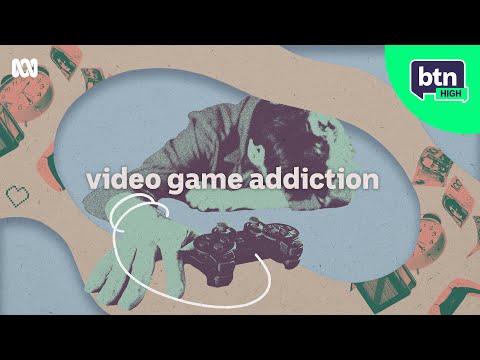
Jiro posted on 2025/10/30Did you know Australia has a 'hidden population' of gaming addicts? This fascinating BTN High documentary dives into the world of loot boxes and persuasive game design, exploring how free-to-play games can impact teen mental health. You'll pick up some advanced vocabulary related to addiction and digital psychology while learning about this important issue!
Learn this video on the APP!
The VoiceTube App has more in-depth practice for videos!