
architecture
US /ˈɑrkɪˌtɛktʃɚ/
UK /ˈɑ:kɪtektʃə(r)/
- Uncountable Noun
- Design and construction of buildings
- The style or design of a building or buildings.
A2Moreas well as
US /æz wɛl æz/
UK /æz wel æz/
- Adverb
- Also; in addition to
- Preposition
- In addition to; and also.
A1Moreattend
US /əˈtɛnd/
UK /əˈtend/
- Transitive Verb
- To take care of someone in need
- Verb (Transitive/Intransitive)
- To listen or watch carefully; to concentrate
- To be present at an event
B1TOEICMoreback then
US
UK
- Phrase
- At that time in the past.
A1Morebasically
US /ˈbesɪkəli,-kli/
UK /ˈbeɪsɪkli/
- Adverb
- Used before you explain something simply, clearly
- In essence; when you consider the most important aspects of something.
A2Morebatch
US /bætʃ/
UK /bætʃ/
- Countable Noun
- Amount of something that is produced at one time
- A group of things made or done together
- Transitive Verb
- To combine or arrange together into a group
B2Morebite
US /baɪt/
UK /baɪt/
- Noun (Countable/Uncountable)
- Amount of food taken into your mouth at one time
- Wound left from being bitten
- Intransitive Verb
- (E.g. of fish) to take bait and be caught
A2Morebrand
US /brænd/
UK /brænd/
- Noun
- A mark burned on an animal to show who owns it
- Product made or designed by a named company
- Transitive Verb
- To burn a mark on an animal to show who owns it
- To describe someone as a liar, coward, etc.
A2TOEICMorechew
US /tʃu:/
UK /tʃu:/
- Verb (Transitive/Intransitive)
- To bite something many times without swallowing it
- Noun
- Act of biting something many times
B1Morecoconut
US /ˈkoʊkənʌt/
UK /ˈkəʊkənʌt/
- Noun (Countable/Uncountable)
- A large nut with a hairy shell and white flesh
B2Morecome back
US /kʌm bæk/
UK /kʌm bæk/
- Phrasal Verb
- To reply to someone, often forcefully
- To be remembered
A1Morecommonly
US /ˈkɑmənlɪ/
UK /ˈkɒmənli/
- Adverb
- Typically, normally; not unusually
- Widely; by many people.
A2Morecommunity
US /kəˈmjunɪti/
UK /kə'mju:nətɪ/
- Noun (Countable/Uncountable)
- Group of people who share a common idea or area
- A feeling of fellowship with others, as a result of sharing common attitudes, interests, and goals.
- Adjective
- Relating to or shared by the people in a particular area.
- Shared or participated in by all members of a group
A2Moreconvert
US /kənˈvɚt/
UK /kən'vɜ:t/
- Verb (Transitive/Intransitive)
- To switch from a religion, belief etc. to another
- To change form, character, or function to another
- Countable Noun
- Person switching from one belief system to another
A2Morecorrect
US /kəˈrɛkt/
UK /kə'rekt/
- Adjective
- Being suitable and appropriate for an occasion
- True or accurate
- Transitive Verb
- To fix a problem
- To write marks on a piece of work to show mistakes
A2Morecraft
US /kræft/
UK /krɑ:ft/
- Transitive Verb
- To make by hand and with much skill
- Noun (Countable/Uncountable)
- Job requiring a worker to have specific skills
- Vehicle that travels on water or through the air
B1Moreculture
US /ˈkʌltʃɚ/
UK /'kʌltʃə(r)/
- Noun (Countable/Uncountable)
- Beliefs and customs of a particular group
- The customs, beliefs, art, and all the other things that a group of people share and consider important.
- Transitive Verb
- To grow cells, tissues, bacteria, etc. in a controlled environment.
A2Moredelicacy
US /ˈdɛlɪkəsi/
UK /ˈdelɪkəsi/
- Noun (Countable/Uncountable)
- Something pleasing because of its good taste
- State of being easily damaged
B2TOEICMoreembrace
US /ɛmˈbres/
UK /ɪm'breɪs/
- Noun (Countable/Uncountable)
- Act of holding someone closely
- An act of accepting or supporting something willingly and enthusiastically.
- Transitive Verb
- To hold closely; cuddle, kiss or hug
- To accept something enthusiastically.
B1TOEICMoreever since
US /ˈɛvɚ sɪns/
UK /ˈevə sins/
- Adverb
- Continuously from a past time until now.
- Conjunction
- From the time that; because.
B2Moreflour
US /flaʊr/
UK /ˈflaʊə(r)/
- Uncountable Noun
- Powder made from a grain used in cooking
- Transitive Verb
- To cover something with flour in cooking
B1Morefluency
US /ˈfluːənsi/
UK /ˈflu:ənsi/
- Uncountable Noun
- Ability to do something well and with ease
- Ability to speak or write a language easily
B1TOEICMorefound out
US
UK
- Phrasal Verb
- To learn or discover something, often after some effort.
- To become known; be revealed.
B2Moregeneration
US /ˌdʒɛnəˈreʃən/
UK /ˌdʒenəˈreɪʃn/
- Noun (Countable/Uncountable)
- Act or process of producing or causing something
- People born and living at about the same time
A2TOEICMoregrandma
US /ˈɡrændˌmɑ,/
UK /ˈgrænmɑ:/
- Noun
- Mother of your father or mother
B2Moregrandmother
US /ˈɡrændˌmʌðɚ, ˈɡræn-/
UK /ˈgrænmʌðə(r)/
- Noun
- Your mother or father's mother
B2Morehave to
US /hæv tu/
UK /ˈhæv tə/
- Auxiliary Verb
- Must do
A1Moreheritage
US /ˈhɛrɪtɪdʒ/
UK /'herɪtɪdʒ/
- Noun (Countable/Uncountable)
- Traditional beliefs or customs of a culture
B1Morein the past
US
UK
- Phrase
- During a former period of time; previously.
A1Moreinstead of
US /ɪnˈstɛd ʌv/
UK /inˈsted ɔv/
- Preposition
- When one thing is replaced by another
- Adverb
- As a substitute or alternative.
A1Morelayer
US /ˈleɚ/
UK /ˈleiə/
- Noun (Countable/Uncountable)
- One of several sheets of a material or object
- A covering of something spread over a surface.
- Transitive Verb
- To put things one on top of another
B1TOEICMorelifespan
US /ˈlaɪfspæn/
UK /ˈlaɪfspæn/
- Noun
- Length of time something is expected to last
B2Moremade with
US
UK
- Phrase
- Containing a particular ingredient or material.
- Created or produced using a specific tool, method, or process.
- Phrasal Verb
- To offer or provide something, often quickly or unexpectedly.
A1Moremigrate
US /ˈmaɪgreɪt/
UK /maɪˈgreɪt/
- Intransitive Verb
- To move from one country or place to live or work
B1Moremuch about
US /mʌtʃ əˈbaʊt/
UK /mʌtʃ əˈbaut/
- Phrase
- A lot of information or knowledge concerning something.
- To a great extent or degree regarding something; caring.
A1Moremultiple
US /ˈmʌltəpəl/
UK /ˈmʌltɪpl/
- Adjective
- Having or involving more than one of something
- Having or involving several parts, elements, or members.
- Countable Noun
- Number produced by multiplying a smaller number
- A number of identical circuit elements connected in parallel or series.
B1Moreon the verge of
US /ɑn ði vɚdʒ ʌv/
UK /ɔn ðə və:dʒ ɔv/
- Phrase
- Very near to doing or experiencing something.
A1Moreover time
US /ˈovɚ taɪm/
UK /ˈəuvə taim/
- Phrase
- Gradually; as time passes.
- During a long period.
- Adverb
- Gradually; as time passes.
B1Morepeel
US /pil/
UK /pi:l/
- Noun (Countable/Uncountable)
- Outer covering, or skin, of a piece of fruit
- Transitive Verb
- To remove the outer skin of something, e.g. fruit
- To remove the cover or outer layer from something
B1Morepour in
US /pɔr ɪn/
UK /pɔ: in/
- Phrasal Verb
- To arrive or enter a place in large numbers or amounts.
- To add a liquid to something.
A1Morepreserve
US /prɪˈzɜ:rv/
UK /prɪˈzɜ:v/
- Transitive Verb
- To cook food so it can be kept for long periods
- To protect something from harm, loss or damage
- Noun (Countable/Uncountable)
- Sweet fruit spread; jam
- Protected area of land with plants and animals
B1TOEICMoreprominent
US /ˈprɑmənənt/
UK /ˈprɒmɪnənt/
- Adjective
- Being important or well known
- Being easily noticeable
B1Morepromote
US /prəˈmoʊt/
UK /prəˈməʊt/
- Transitive Verb
- To try to encourage popularity/sales of a product
- To move someone to a higher position or rank
A2TOEICMoreregion
US /ˈridʒən/
UK /'ri:dʒən/
- Noun (Countable/Uncountable)
- Part of a country, of the world, area, etc.
- A part of the body
A2TOEICMoreruin
US /ˈruɪn/
UK /'ru:ɪn/
- Transitive Verb
- To damage or completely destroy something
- To cause someone to lose their money or status
- Noun (Countable/Uncountable)
- Remains of a building that has been destroyed
- The state of being destroyed or severely damaged.
B1Moreshorten
US /ˈʃɔrtn/
UK /'ʃɔ:tn/
- Transitive Verb
- To make something, e.g. a skirt, shorter
C1Moresignificant
US /sɪɡˈnɪfɪkənt/
UK /sɪgˈnɪfɪkənt/
- Adjective
- Large enough to be noticed or have an effect
- Having meaning; important; noticeable
A2TOEICMoresoutheast
US /saʊθˈist, saʊˈist/
UK /ˌsaʊθ'i:st/
- Noun
- Location in the southeastern part of an area
B2Morestaple
US /ˈstepəl/
UK /ˈsteɪpl/
- Noun (Countable/Uncountable)
- Main food of a particular community
- A basic food that is eaten all the time
- Transitive Verb
- To pin together using a machine and bent wire
B2TOEICMoresteam
US /stim/
UK /sti:m/
- Uncountable Noun
- Mist collecting on a surface when wet air cools
- Source of stamina, strength or energy
- Verb (Transitive/Intransitive)
- To cover a surface with steam, so as to clean it
- To cook in mist of tiny drops from boiling water
A2Moresurvival
US /sɚˈvaɪvəl/
UK /səˈvaɪvl/
- Uncountable Noun
- Act of continuing to exist when facing difficulty
A2Morewrap
US /ræp/
UK /ræp/
- Countable Noun
- Piece of clothing worn loosely on the shoulders
- Thin bread filled with food and rolled
- Transitive Verb
- To be or move around something
- To cover something with paper or a cloth e.g. gift
B1More
Vocabulary
- ever since: Continuously from a past time until now.
- made with: Containing a particular ingredient or material.
- in the past: During a former period of time; previously.
- pour in: To arrive or enter a place in large numbers or amounts.
- back then: At that time in the past.
- on the verge of: Very near to doing or experiencing something.
- instead of: When one thing is replaced by another
- over time: Gradually; as time passes.
- as well as: Also; in addition to
- much about: A lot of information or knowledge concerning something.
- found out: To learn or discover something, often after some effort.
- come back: To reply to someone, often forcefully
- have to: Must do
- significant: Large enough to be noticed or have an effect
- multiple: Having or involving more than one of something
- basically: Used before you explain something simply, clearly
- embrace: Act of holding someone closely
- ruin: To damage or completely destroy something
- staple: Main food of a particular community
- community: Group of people who share a common idea or area
- wrap: Piece of clothing worn loosely on the shoulders
- fear: Unpleasant feeling caused by being aware of danger
- prominent: Being important or well known
- brand: A mark burned on an animal to show who owns it
- heritage: Traditional beliefs or customs of a culture
- mean: Average of a set of numbers
- craft: To make by hand and with much skill
- preserve: To cook food so it can be kept for long periods
- region: Part of a country, of the world, area, etc.
- fluency: Ability to do something well and with ease
- architecture: Design and construction of buildings
- generation: Act or process of producing or causing something
- convert: To switch from a religion, belief etc. to another
- produce: Fresh foods such as fruits and vegetables
- layer: One of several sheets of a material or object
- delicacy: Something pleasing because of its good taste
- correct: Being suitable and appropriate for an occasion
- lifespan: Length of time something is expected to last
- promote: To try to encourage popularity/sales of a product
- culture: Beliefs and customs of a particular group
- commonly: Typically, normally; not unusually
- lot: What happens to a person in life from chance; fate
- peel: Outer covering, or skin, of a piece of fruit
- century: Period of 100 years
- important: Having power or authority
- british: Concerning the culture and people of British
- batch: Amount of something that is produced at one time
- survival: Act of continuing to exist when facing difficulty
- chew: To bite something many times without swallowing it
- continue: To do something without stopping, or after pausing
- steam: Mist collecting on a surface when wet air cools
- government: Group of people and system that rule a nation
- migrate: To move from one country or place to live or work
- attend: To take care of someone in need
- business: A company formed for making profit
- bite: Amount of food taken into your mouth at one time
- make: To arrange or prepare something e.g. dinner
- prepare: To make something ready for use
- include: To make someone, something part of a group
- popular: Liked or enjoyed by many people
- start: First time or place that a thing exists; beginning
- flour: Powder made from a grain used in cooking
- coconut: A large nut with a hairy shell and white flesh
- southeast: Location in the southeastern part of an area
- shorten: To make something, e.g. a skirt, shorter
- grandmother: Your mother or father's mother
- grandma: Mother of your father or mother
Get the full experience in the app
Learn anywhere with detailed sentence and usage analysis
01:03
She took a brave step forward, leaving behind her comfort zone to chase her dreams.
Vocabulary
- brave
adj. Having courage
- comfort zone
phr. A familiar situation where one feels safe
Explanation
a brave step is a noun phrase, where brave is an adjective modifying the noun step, meaning "a courageous step".
forward is an adverb modifying step, meaning "ahead".
The whole phrase serves as the object, answering the "what" of took (verb) — she took a brave step forward.
Get the full experience in the app
Look up words anytime with pronunciation, part of speech, and usage
brave
US/brev/
UK/breɪv/
adj.Brave
v.t.To bravely face
A2 Elementary
Get the full experience in the app
Practice speaking anytime and get instant pronunciation feedback
Try this speaking exercise.
Try practicing with this sentence.
80
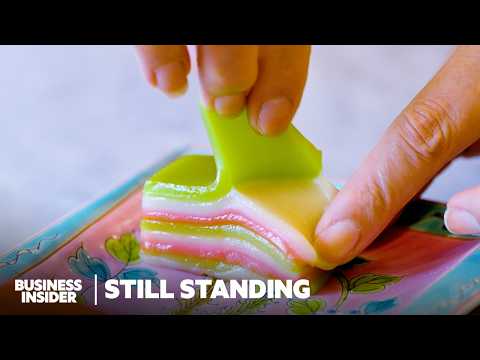
How A 500-Year-Old Rainbow Sweet Is Preserving One Of Asia's Forgotten Cultures | Still Standing
0
阿沁 posted on 2025/08/26Ever wondered about the secrets behind a 500-year-old sweet that's keeping a whole culture alive? Dive into the vibrant world of Nyonya kueh in Singapore, where you'll learn fascinating traditional recipes and pick up advanced vocabulary related to heritage and food. This is a fantastic chance to explore cultural depth while mastering complex sentence structures!
Learn this video on the APP!
The VoiceTube App has more in-depth practice for videos!