
audience
US /ˈɔdiəns/
UK /ˈɔ:diəns/
- Noun (Countable/Uncountable)
- Group of people attending a play, movie etc.
A2TOEICMoreauxiliary
US /ɔɡˈzɪljəri, -ˈzɪləri/
UK /ɔ:gˈzɪliəri/
- Adjective
- Helping or supporting a function or group
- Noun
- Group of workers who provide help and assistance
B2TOEICMorebasis
US /ˈbesɪs/
UK /ˈbeɪsɪs/
- Noun
- Main ingredient or part of something
- Starting situation, fact, idea to develop from
A2TOEICMorebucket
US /ˈbʌkɪt/
UK /'bʌkɪt/
- Countable Noun
- Open container with a handle used to carry liquids
- A scoop-like container attached to machinery, used for digging or lifting materials.
- Uncountable Noun
- The amount held by a bucket.
B1Morebuddy
US /ˈbʌdi/
UK /'bʌdɪ/
- Countable Noun
- Friend, usually male
- A term of address, often used informally.
B2Morebully
US /ˈbʊli/
UK /'bʊlɪ/
- Noun (Countable/Uncountable)
- a person who habitually seeks to harm or intimidate those whom they perceive as vulnerable
- A person who uses superior strength or influence to intimidate others.
- Verb (Transitive/Intransitive)
- seek to harm, intimidate, or coerce (someone perceived as vulnerable)
B2Morecemetery
US /ˈsɛmɪˌtɛri/
UK /'semətrɪ/
- Noun (Countable/Uncountable)
- Place where people are buried after they die
B1Morecheck out
US /tʃɛk aʊt/
UK /tʃek aut/
- Phrase
- Phrasal Verb
- To find out information about something
- To take books out of a library
A1Moreclothe
US /kloʊð/
UK /kləʊð/
- Transitive Verb
- To put a certain type of clothing on someone; dress
B1Moreconsciousness
US /ˈkɑnʃəsnɪs/
UK /'kɒnʃəsnəs/
- Uncountable Noun
- Process by which thoughts, ideas are processed
- A person's awareness or perception of something.
A2Moredelight
US /dɪˈlaɪt/
UK /dɪ'laɪt/
- Uncountable Noun
- Strong feeling of great pleasure
- Transitive Verb
- To give someone pleasure or joy
B1Moredepress
US /dɪˈprɛs/
UK /dɪ'pres/
- Transitive Verb
- To make someone feel sad or miserable
- To push something down
B2Morefocus
US /ˈfokəs/
UK /'fəʊkəs/
- Verb (Transitive/Intransitive)
- To see clearly by adjusting your eyes or a camera
- To keep your attention, concentration on one thing
- Noun (Countable/Uncountable)
- Main purpose or center of interest or activity
- The clarity of an image produced by a lens.
A2TOEICMoreformally
US /ˈfɔrml:ɪ/
UK /'fɔ:məlɪ/
- Adverb
- In a formal manner; officially
- In your best clothes, e.g. for a prom
B1Morefrog
US /frɔ:g/
UK /frɒg/
- Noun
- Small hopping amphibian
B1Moregood person
US
UK
- Noun
- A morally upright and kind individual.
- A person who is skilled or competent in a particular area.
A1Moregrammar
US /ˈɡræmɚ/
UK /ˈgræmə(r)/
- Uncountable Noun
- Book describing the syntactic rules of a language
- Rules explaining how words are used in a language
B1Moregrandmother
US /ˈɡrændˌmʌðɚ, ˈɡræn-/
UK /ˈgrænmʌðə(r)/
- Noun
- Your mother or father's mother
B2Moregraveyard
US /ˈgreɪvjɑ:rd/
UK /ˈgreɪvjɑ:d/
- Noun (Countable/Uncountable)
- Area used for burials; area with many graves
C1Morehang
US /hæŋ/
UK /hæŋ/
- Transitive Verb
- To attach a picture, photograph etc. onto a wall
- To kill by putting a rope around neck and dropping
- Intransitive Verb
- To float, move softly, or remain in the air
- To remain undecided, unsolved or unclear
A2Morehanging out
US
UK
- Phrasal Verb
- To spend time with your friends
- To spend times with friends or relax doing nothing
A2Morehave to
US /hæv tu/
UK /ˈhæv tə/
- Auxiliary Verb
- Must do
A1Morehomework
US /ˈhomˌwɚk/
UK /ˈhəumwə:k/
- Noun
- Work that a student is given to do at home
B2Morein the past
US
UK
- Phrase
- During a former period of time; previously.
A1Moreindicate
US /ˈɪndɪˌket/
UK /ˈɪndɪkeɪt/
- Transitive Verb
- To show something; direct attention to; point out
- To represent something using a symbol or sign
A2TOEICMoreirregular verbs
US
UK
- Noun (plural)
- Verbs that do not form their past tense or past participle by adding -ed.
B1Morejog
US /dʒɑɡ/
UK /dʒɒɡ/
- Intransitive Verb
- To run at a steady, slow pace
- Noun (Countable/Uncountable)
- A small, light knock or push
- A knock or push on something lightly
B1Morekeeper
US /ˈkipɚ/
UK /ˈki:pə(r)/
- Noun
- Person taking care of animals
B1Morekick
US /kɪk/
UK /kɪk/
- Noun
- Feeling of enjoyment or excitement
- Transitive Verb
- To hit or move something with the foot
A2Morelook at
US /lʊk æt/
UK /luk æt/
- Phrasal Verb
- To use your eyes to focus on something
- To focus your eyes on something carefully
A1Morenaturally
US /ˈnætʃərəli, ˈnætʃrə-/
UK /ˈnætʃrəli/
- Adverb
- In the expected or usual way
- Without the aid of someone or something
A2Moreon a regular basis
US //ɑn ə ˈrɛgjələr ˈbeɪsəs//
UK
- Phrase
- Happening frequently or at regular intervals.
B1Moreon the street
US /ɑn ði strit/
UK /ɔn ðə stri:t/
- Phrase
- Located on or along a public road in a town or city.
- Available or circulating, especially illegally or unofficially.
A1Morepass away
US /pæs əˈwe/
UK /pɑ:s əˈwei/
- Phrasal Verb
- A polite way of saying 'to die'
A1Morepass out
US /pæs aʊt/
UK /pɑ:s aut/
- Phrasal Verb
- To distribute or hand out papers to people
- To faint; lose consciousness
A1Morephrasal
US
UK
- Adjective
- Concerning or consisting of a phrase
B1Morepolite
US /pəˈlaɪt/
UK /pəˈlaɪt/
- Adjective
- Showing good manners or respect for other people
A2TOEICMoreregular
US /ˈrɛɡjəlɚ/
UK /ˈregjələ(r)/
- Adjective
- Having an equal amount of space or time in between
- Occurring or being done frequently
- Noun (Countable/Uncountable)
- Customers who frequently visit a place
- Soldier who has a permanent job in the army
A2TOEICMorerelationship
US /rɪˈleʃənˌʃɪp/
UK /rɪˈleɪʃnʃɪp/
- Noun (Countable/Uncountable)
- Connection between two or more people or things
- Way people interact or live with each other
A2TOEICMorerepresent
US /ˌrɛprɪˈzɛnt/
UK /ˌreprɪ'zent/
- Transitive Verb
- To depict art objects, figures, scenes; to portray
- To show or describe something in a particular way
A2TOEICMorerude
US /rud/
UK /ru:d/
- Adjective
- Being unkind or impolite to others; disrespectful
- Offensive; ill-mannered
A2Moresimple present
US
UK
- Noun
- A verb tense used to describe habits, unchanging situations, general truths, and fixed arrangements.
A1Moreslang
US /slæŋ/
UK /slæŋ/
- Uncountable Noun
- Words or phrases used in a very informal way
B1Moresomeplace
US /ˈsʌmˌples/
UK /ˈsʌmpleɪs/
- Adverb
- In or at or to some place
C2Morestruggle
US /ˈstrʌɡəl/
UK /'strʌɡl/
- Verb (Transitive/Intransitive)
- To try very hard to do something difficult
- To fight or struggle violently
- Noun (Countable/Uncountable)
- Strong efforts made to do something difficult
- A difficult or challenging situation or task
A2Morestuff
US /stʌf/
UK /stʌf/
- Uncountable Noun
- Generic description for things, materials, objects
- Transitive Verb
- To push material inside something, with force
B1Moretake delight
US
UK
- Intransitive Verb
- To get a lot of pleasure from something
talking about
US
UK
- Phrasal Verb
- To discuss a particular topic.
- To be constantly mentioning or bringing up a subject.
A1Moretense
US /tɛns/
UK /tens/
- Noun
- The use of grammar to state the time things happen
- Adjective
- Unable to relax; feeling nervous or stressed
- Stretched tight and stiff
A2TOEICMoretrigger
US /ˈtrɪɡɚ/
UK /'trɪɡə(r)/
- Noun
- Lever on a gun that you pull to fire
- Device that starts a process
- Transitive Verb
- To start a process off e.g. a memory
- To cause something to begin or happen.
B1Moreundertaker
US /ˈʌndərteɪkə(r)/
UK /ˈʌndəteɪkə(r)/
- Countable Noun
- One who prepares dead bodies for burial/cremation
B2Moreused to
US /juzd tu/
UK /ˈju:st tə/
- Adjective
- Did regularly before, but don't do now
- Auxiliary Verb
- Have done before, but do not do now
A1Morevocabulary
US /voˈkæbjəˌlɛri/
UK /və'kæbjələrɪ/
- Uncountable Noun
- Words that have to do with a particular subject
- The words that a person knows
B1TOEICMoreweird
US /wɪrd/
UK /wɪəd/
- Adjective
- Odd or unusual; surprising; strange
- Eerily strange or disturbing.
B1Morewhoa
US /woʊ/
UK /wəʊ/
- Interjection
- Tell someone to do something more slowly
- An exclamation of surprise, amazement, or shock.
C1More
Vocabulary
- in the past: During a former period of time; previously.
- look at: To use your eyes to focus on something
- used to: Did regularly before, but don't do now
- pass out: To distribute or hand out papers to people
- simple present: A verb tense used to describe habits, unchanging situations, general truths, and fixed arrangements.
- talking about: To discuss a particular topic.
- on a regular basis: Happening frequently or at regular intervals.
- check out
- irregular verbs: Verbs that do not form their past tense or past participle by adding -ed.
- good person: A morally upright and kind individual.
- take delight: To get a lot of pleasure from something
- have to: Must do
- on the street: Located on or along a public road in a town or city.
- pass away: A polite way of saying 'to die'
- hanging out: To spend time with your friends
- stuff: Generic description for things, materials, objects
- weird: Odd or unusual; surprising; strange
- struggle: To try very hard to do something difficult
- present: Being in attendance; being there; having turned up
- trigger: Lever on a gun that you pull to fire
- vocabulary: Words that have to do with a particular subject
- audience: Group of people attending a play, movie etc.
- represent: To depict art objects, figures, scenes; to portray
- sentence: (Of a judge) to decide the punishment of
- relationship: Connection between two or more people or things
- slang: Words or phrases used in a very informal way
- regular: Having an equal amount of space or time in between
- tense: The use of grammar to state the time things happen
- consciousness: Process by which thoughts, ideas are processed
- grammar: Book describing the syntactic rules of a language
- indicate: To show something; direct attention to; point out
- polite: Showing good manners or respect for other people
- suddenly: In an unexpected or very quick manner
- drop: Distance between a higher and a lower level
- rude: Being unkind or impolite to others; disrespectful
- break: To create a new record e.g. running the 100m dash
- hang: To attach a picture, photograph etc. onto a wall
- strange: Unusual or odd; surprising because unexpected
- buddy: Friend, usually male
- delight: Strong feeling of great pleasure
- bully: a person who habitually seeks to harm or intimidate those whom they perceive as vulnerable
- important: Having power or authority
- sound: Sensible, dependable and reliable
- phrasal: Concerning or consisting of a phrase
- kind: In a caring and helpful manner
- simple: Not hard to understand or do; not complex
- basis: Main ingredient or part of something
- bucket: Open container with a handle used to carry liquids
- kick: Feeling of enjoyment or excitement
- naturally: In the expected or usual way
- verb: Word that expresses an action or state
- change: To exchange one set of clothes for another
- person: Man, woman or child
- auxiliary: Helping or supporting a function or group
- focus: To see clearly by adjusting your eyes or a camera
- cemetery: Place where people are buried after they die
- interesting: Taking your attention; making you want to know
- think: To have an idea about something without certainty
- graveyard: Area used for burials; area with many graves
- depress: To make someone feel sad or miserable
- formally: In a formal manner; officially
- whoa: Tell someone to do something more slowly
- jog: To run at a steady, slow pace
- clothe: To put a certain type of clothing on someone; dress
- frog: Small hopping amphibian
- keeper: Person taking care of animals
- homework: Work that a student is given to do at home
- grandmother: Your mother or father's mother
- someplace: In or at or to some place
- undertaker: One who prepares dead bodies for burial/cremation
Get the full experience in the app
Learn anywhere with detailed sentence and usage analysis
01:03
She took a brave step forward, leaving behind her comfort zone to chase her dreams.
Vocabulary
- brave
adj. Having courage
- comfort zone
phr. A familiar situation where one feels safe
Explanation
a brave step is a noun phrase, where brave is an adjective modifying the noun step, meaning "a courageous step".
forward is an adverb modifying step, meaning "ahead".
The whole phrase serves as the object, answering the "what" of took (verb) — she took a brave step forward.
Get the full experience in the app
Look up words anytime with pronunciation, part of speech, and usage
brave
US/brev/
UK/breɪv/
adj.Brave
v.t.To bravely face
A2 Elementary
Get the full experience in the app
Practice speaking anytime and get instant pronunciation feedback
Try this speaking exercise.
Try practicing with this sentence.
80
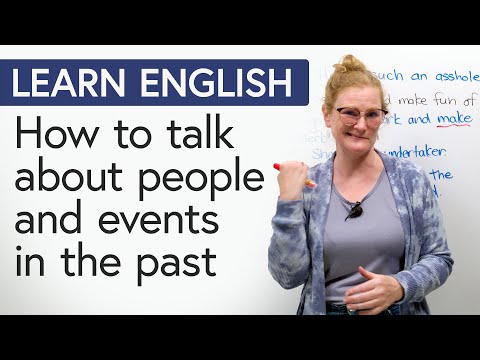
LEARN ENGLISH: How to talk about people & events in the past
0
林宜悉 posted on 2025/07/20Ever wanted to chat about your past experiences or even talk about sensitive topics like death politely? This video is your perfect guide to mastering past tenses and learning natural English phrases, including those tricky euphemisms, so you can communicate with confidence!
Learn this video on the APP!
The VoiceTube App has more in-depth practice for videos!