
a passion for
US
UK
- Phrase
- A strong enthusiasm or interest in something.
A1Moreaccount of
US /əˈkaʊnt ʌv/
UK /əˈkaunt ɔv/
- Noun
- A spoken or written description of an event.
- Preposition
- Because of; for the reason of.
B1Morearguably
US /ˈɑːrɡjuəbli/
UK /ˈɑ:gjuəbli/
- Adverb
- Highly likely to be true but not certainly true
A2Moreas for
US /æz fɔr/
UK /æz fɔ:/
- Preposition
- Concerning; regarding.
- Phrase
- Used to introduce a new topic or aspect of a subject.
A1Moreas long as
US /æz lɔŋ æz/
UK /æz lɔŋ æz/
- Conjunction
- For the period that; provided that.
- For the length of time that
- Preposition
- On the condition that; providing that.
- Having the same length as.
A1Moreat home
US /æt hom/
UK /æt həum/
- Phrase
- In one's own residence or country.
- Adjective
- Feeling comfortable and relaxed.
at last
US /æt læst/
UK /æt lɑ:st/
- Adverb
- Finally; after a long delay.
B1Morebreakthrough
US /ˈbrekˌθru/
UK /'breɪkθru:/
- Countable Noun
- Important discovery in doing something difficult
B2TOEICMorecave in
US /kev ɪn/
UK /keiv in/
- Intransitive Verb
- To give in to pressure
- To collapse inwards.
- Phrasal Verb
- To collapse or fall inward.
- To yield or give way under pressure.
B1Morecheck out
US /tʃɛk aʊt/
UK /tʃek aut/
- Phrase
- Phrasal Verb
- To find out information about something
- To take books out of a library
A1Morecocktail
US /ˈkɑkˌtel/
UK /'kɒkteɪl/
- Noun
- Mixed alcoholic drink, containing spirit like gin
B2Moreconsist of
US /kənˈsɪst ʌv/
UK /kənˈsist ɔv/
- Phrasal Verb
A2Morecontribute
US /kənˈtrɪbjut/
UK /kən'trɪbju:t/
- Verb (Transitive/Intransitive)
- To be a factor in causing something to happen
- To donate, give (money) or help to something
A2Morecrocodile
US /ˈkrɑkəˌdaɪl/
UK /'krɒkədaɪl/
- Noun
- Large meat-eating reptile that can swim
B2Moredemand
US /dɪˈmænd/
UK /dɪ'mɑ:nd/
- Noun (Countable/Uncountable)
- Desire customers have to buy product, service
- A strong request for someone to do something
- Transitive Verb
- To strongly request someone to do something
- To need something.
A2TOEICMorediet
US /ˈdaɪɪt/
UK /'daɪət/
- Intransitive Verb
- To eat special or less food, as to lose weight
- Noun (Countable/Uncountable)
- Plan of eating to reduce weight or improve health
- The usual food and drink consumed by an organism (person or animal)
A2TOEICMoredinosaur
US /ˈdaɪnəˌsɔr/
UK /'daɪnəsɔ:(r)/
- Noun
- Reptile that lived millions of years ago
- A person who is outdated or resistant to change.
B2Moredung
US /dʌŋ/
UK /dʌŋ/
- Uncountable Noun
- Excretion from animals
B2Moreeccentric
US /ɪkˈsɛntrɪk, ɛk-/
UK /ɪkˈsentrɪk/
- Adjective
- Out of the ordinary; acting unusually or oddly
- Noun
- Person who acts unusually or bizarrely
B1Moreevolution
US /ˌɛvəˈluʃən, ˌivə-/
UK /ˌi:və'lu:ʃn/
- Uncountable Noun
- Theory that living things change over time
- Process by which something develops over time
B1Moreexamine
US /ɪɡˈzæmɪn/
UK /ɪgˈzæmɪn/
- Transitive Verb
- (Medical) to test to find out what is wrong
- To test your knowledge or ability
A2Moreexotic
US /ɪɡ'zɑ:tɪk/
UK /ɪɡ'zɒtɪk/
- Adjective
- Being very different or unusual
- Strange because from a different area of the world
B1Moreexperiment
US /ɪkˈspɛrəmənt/
UK /ɪk'sperɪmənt/
- Noun (Countable/Uncountable)
- Test performed to assess new ideas or theories
- A course of action tentatively adopted without being sure of the eventual outcome.
- Verb (Transitive/Intransitive)
- To create and perform tests to research something
- To try something new that you haven't tried before
A2TOEICMoreextraordinary
US /ɪkˈstrɔ:rdəneri/
UK /ɪkˈstrɔ:dnri/
- Adjective
- Beyond what is ordinary; very unusual; remarkable
- Additional to or different from what is usual or regular.
B1TOEICMoreflood
US /flʌd/
UK /flʌd/
- Verb (Transitive/Intransitive)
- To quickly appear unexpectedly and in volume
- (Of liquid) to fill or cover something completely
- Noun (Countable/Uncountable)
- A quick unexpectedly volume of something
- Large number of people or things arriving at once
B1Moregenesis
US /ˈdʒɛnɪsɪs/
UK /'dʒenəsɪs/
- Noun
- Beginning of something important
B2TOEICMorehedgehog
US /ˈhɛdʒˌhɔɡ, -ˌhɑɡ/
UK /ˈhedʒhɒg/
- Countable Noun
- Small mammal making a spiky ball if threatened
B2Moreidentical
US /aɪˈdɛntɪkəl/
UK /aɪˈdentɪkl/
- Adjective
- The same in every way
- Satisfied by all values of the variables involved.
B1Moreidentify
US /aɪˈdɛntəˌfaɪ/
UK /aɪ'dentɪfaɪ/
- Transitive Verb
- To indicate who or what someone or something is
- To say exactly what something is
B1TOEICMoreillness
US /ˈɪlnɪs/
UK /ˈɪlnəs/
- Uncountable Noun
- Unhealthy condition of the mind or body
- A particular instance or type of disease.
A2Moreillustrate
US /ˈɪləˌstret, ɪˈlʌsˌtret/
UK /ˈɪləstreɪt/
- Transitive Verb
- To supply pictures to go along with words
- To be an example that explains or proves something
A2TOEICMorekeen
US /kin/
UK /ki:n/
- Adjective
- Being eager or excited for something to happen
- Liking something; wanting to do or have; desiring
- Intransitive Verb
- To make a loud sad cry, as because someone died
B1TOEICMoremineral
US /ˈmɪnərəl/
UK /'mɪnərəl/
- Noun (Countable/Uncountable)
- Substance naturally formed in the ground
B1Moremole
US /mol/
UK /məʊl/
- Countable Noun
- Small animal with dark fur that lives under ground
- Small natural dark spot on someone's skin
B2Moremutton
US /ˈmʌtn/
UK /ˈmʌtn/
- Uncountable Noun
- Meat from a mature domestic sheep
C1Moremystery
US /ˈmɪstəri/
UK /ˈmɪstri/
- Noun (Countable/Uncountable)
- Quality of being strange and not understood
- Book, play, or film about solving a strange crime
A2Moreon earth
US /ɑn ɚθ/
UK /ɔn ə:θ/
- Phrase
- Used to emphasize a question expressing surprise or anger.
- Used to emphasize that something is not possible or will not happen.
A1Moreordain
US /ɔrˈden/
UK /ɔ:'deɪn/
- Transitive Verb
- To appoint as a priest of the church
C1TOEICMorepanther
US /ˈpænθɚ/
UK /ˈpænθə(r)/
- Noun
- Black leopard
- A sports team with the panther as their mascot.
C1Morepassion
US /ˈpæʃən/
UK /'pæʃn/
- Noun (Countable/Uncountable)
- Powerful, positive excitement and interest
- Something for which one has a great love
A2Morepastry
US /ˈpestri/
UK /ˈpeɪstri/
- Noun (Countable/Uncountable)
- Dough making top/bottom of pie; cake made of dough
- A food item made of flour, fat, and water, often filled with sweet or savory ingredients and baked.
B2Morepile
US /paɪl/
UK /paɪl/
- Noun (Countable/Uncountable)
- Large amount of something
- Group of things one on top of another
- Verb (Transitive/Intransitive)
- (E.g. of problems) to increase; get more or worse
- To place things on top of each other; to heap up.
B1TOEICMorepriest
US /prist/
UK /pri:st/
- Countable Noun
- Person who can perform ceremonies in a religion
B1Moreprove
US /pruv/
UK /pru:v/
- Transitive Verb
- To demonstrate truth by providing evidence
- To test the quality or worth of something.
- Intransitive Verb
- To turn out to be; be found to be.
A2TOEICMorequarry
US /ˈkwɔ:ri/
UK /ˈkwɒri/
- Noun
- Large pit in the earth where stone is mined
- Animal that is hunted
- Transitive Verb
- To dig for minerals in an open mine
B2Morequest
US /kwɛst/
UK /kwest/
- Noun (Countable/Uncountable)
- Long and challenging journey to find something
- Transitive Verb
- To ask (someone) questions.
- To search or seek for something.
B2Morereconcile
US /ˈrɛkənˌsaɪl/
UK /'rekənsaɪl/
- Transitive Verb
- To balance the accounts
- To make two things both be true or compatible
B2TOEICMorereptile
US /ˈrɛptɪl, -ˌtaɪl/
UK /ˈreptaɪl/
- Countable Noun
- Animals such as snakes, lizards
B1Moreroast
US /roʊst/
UK /rəʊst/
- Transitive Verb
- To strongly criticize often in a teasing manner
- To cook food in an oven or over a fire
- Noun (Countable/Uncountable)
- A joint of meat cooked in an oven
B1Moresandstone
US /ˈsændˌston/
UK /'sændstəʊn/
- Uncountable Noun
- Sedimentary rock consisting of sand, clay, quartz
C1Morescience
US /ˈsaɪəns/
UK /'saɪəns/
- Uncountable Noun
- Study of the physical world, based on facts
A2TOEICMorescientific
US /ˌsaɪənˈtɪfɪk/
UK /ˌsaɪənˈtɪfɪk/
- Adjective
- Concerning academic study of the physical world
- Systematic and precise, following a methodology.
- Noun
- Relating to or used in science.
A2Moreskull
US /skʌl/
UK /skʌl/
- Noun
- Structure of bones forming the face and head
B2Moreslate
US /slet/
UK /sleɪt/
- Transitive Verb
- To strongly criticize someone usually in public
- To plan for something to occur
- Countable Noun
- List of people attempting to win an election
- Piece of flat rock used for roofing buildings
B2TOEICMorespread
US /sprɛd/
UK /spred/
- Noun (Countable/Uncountable)
- A big meal, often laid out as a buffet
- The distance between two things
- Verb (Transitive/Intransitive)
- To place over a large area; to cover a large area
- (Of ideas, gossip) to pass to and affect others
A2TOEICMorestomach
US /ˈstʌmək/
UK /'stʌmək/
- Noun
- Place in the body where food is processed
- Verb (Transitive/Intransitive)
- to be able to accept something unpleasant
A2Moreto the rafters
US /tu ðə ˈræftɚz/
UK /tə ðə ˈrɑ:ftəz/
- other
- Completely full; filled to the maximum capacity.
B2Moretortoise
US /ˈtɔ:rtəs/
UK /ˈtɔ:təs/
- Noun (Countable/Uncountable)
- Slow moving animal with a hard protective shell
C1Moretropical
US /ˈtrɑpɪkəl/
UK /ˈtrɒpɪkl/
- Adjective
- Hot and humid; near to the equator
- Very hot and humid
- Noun
- The tropical region of the earth
B1Moreturkey
US /ˈtɜ:rki/
UK /ˈtɜ:ki/
- Countable Noun
- Edible bird resembling a large chicken
- Proper Noun
- the Republic of Türkiye, this nation sits at the crossroads of Europe and Asia
C1Moreunorthodox
US /ʌnˈɔrθəˌdɑks/
UK /ʌnˈɔ:θəˌdɔks/
- Adjective
- Different from the norm in behavior or thought
B2Morevital
US /'vaɪtl/
UK /'vaɪtl/
- Adjective
- Needed to support life; essential
- Full of life; energetic
B1TOEICMore
Vocabulary
- at last: Finally; after a long delay.
- a passion for: A strong enthusiasm or interest in something.
- on earth: Used to emphasize a question expressing surprise or anger.
- consist of
- to the rafters: Completely full; filled to the maximum capacity.
- cave in: To give in to pressure
- account of: A spoken or written description of an event.
- as for: Concerning; regarding.
- at home: In one's own residence or country.
- as long as: For the period that; provided that.
- check out
- extraordinary: Beyond what is ordinary; very unusual; remarkable
- vital: Needed to support life; essential
- experiment: Test performed to assess new ideas or theories
- identify: To indicate who or what someone or something is
- demand: Desire customers have to buy product, service
- contribute: To be a factor in causing something to happen
- spread: A big meal, often laid out as a buffet
- exotic: Being very different or unusual
- keen: Being eager or excited for something to happen
- pile: Large amount of something
- arguably: Highly likely to be true but not certainly true
- passion: Powerful, positive excitement and interest
- identical: The same in every way
- evolution: Theory that living things change over time
- scientific: Concerning academic study of the physical world
- illness: Unhealthy condition of the mind or body
- pastry: Dough making top/bottom of pie; cake made of dough
- examine: (Medical) to test to find out what is wrong
- illustrate: To supply pictures to go along with words
- diet: To eat special or less food, as to lose weight
- quest: Long and challenging journey to find something
- mystery: Quality of being strange and not understood
- prove: To demonstrate truth by providing evidence
- produce: Fresh foods such as fruits and vegetables
- skull: Structure of bones forming the face and head
- tropical: Hot and humid; near to the equator
- roast: To strongly criticize often in a teasing manner
- eccentric: Out of the ordinary; acting unusually or oddly
- stomach: Place in the body where food is processed
- breakthrough: Important discovery in doing something difficult
- science: Study of the physical world, based on facts
- mineral: Substance naturally formed in the ground
- argue: To fight or disagree over something
- flood: To quickly appear unexpectedly and in volume
- cocktail: Mixed alcoholic drink, containing spirit like gin
- reconcile: To balance the accounts
- fail: To be unsuccessful in passing a class or exam
- great: Very good; better than before
- reptile: Animals such as snakes, lizards
- pack: Bag carried on the back of donkey, etc.
- include: To make someone, something part of a group
- slate: To strongly criticize someone usually in public
- world: All the humans, events, activities on the earth
- priest: Person who can perform ceremonies in a religion
- reply: Answer to someone's question
- ride: Machine at an amusement park for riding on for fun
- live: To be alive
- earth: Wire connecting an electrical device to the ground
- crocodile: Large meat-eating reptile that can swim
- dinosaur: Reptile that lived millions of years ago
- wacky: Quite strange, but in a creative way
- dung: Excretion from animals
- quarry: Large pit in the earth where stone is mined
- hedgehog: Small mammal making a spiky ball if threatened
- unorthodox: Different from the norm in behavior or thought
- mole: Small animal with dark fur that lives under ground
- arrive: To reach the place you are traveling to
- tortoise: Slow moving animal with a hard protective shell
- genesis: Beginning of something important
- turkey: Edible bird resembling a large chicken
- mutton: Meat from a mature domestic sheep
- animal: A living creature that is not a plant or person
- house: Place where a specific activity or business occurs
- panther: Black leopard
- sandstone: Sedimentary rock consisting of sand, clay, quartz
- ordain: To appoint as a priest of the church
Get the full experience in the app
Learn anywhere with detailed sentence and usage analysis
01:03
She took a brave step forward, leaving behind her comfort zone to chase her dreams.
Vocabulary
- brave
adj. Having courage
- comfort zone
phr. A familiar situation where one feels safe
Explanation
a brave step is a noun phrase, where brave is an adjective modifying the noun step, meaning "a courageous step".
forward is an adverb modifying step, meaning "ahead".
The whole phrase serves as the object, answering the "what" of took (verb) — she took a brave step forward.
Get the full experience in the app
Look up words anytime with pronunciation, part of speech, and usage
brave
US/brev/
UK/breɪv/
adj.Brave
v.t.To bravely face
A2 Elementary
Get the full experience in the app
Practice speaking anytime and get instant pronunciation feedback
Try this speaking exercise.
Try practicing with this sentence.
80
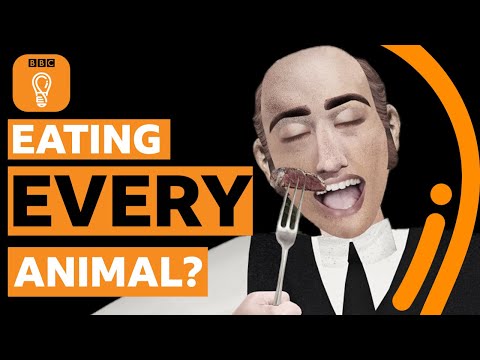
William Buckland: The man who tried to eat every animal on Earth| BBC Ideas
0
林宜悉 posted on 2025/07/17Ever wondered about the scientist who tried to eat every animal on Earth? Dive into the wild life of William Buckland, a fascinating paleontologist who discovered the Megalosaurus and conducted some truly eccentric home experiments! You'll pick up some advanced vocabulary and get a fascinating glimpse into Victorian science.
Learn this video on the APP!
The VoiceTube App has more in-depth practice for videos!