
accelerate
US /ækˈsɛləˌret/
UK /əkˈseləreɪt/
- Transitive Verb
- To cause to occur earlier than expected
- To increase the speed or rate of something
B1TOEICMoreactivate
US /ˈæktəˌvet/
UK /ˈæktɪveɪt/
- Transitive Verb
- To cause to happen; cause a chemical reaction
- To make something start working
B1Moreanterior
US /ænˈtɪriɚ/
UK /ænˈtɪəriə(r)/
- Noun
- Front
C1Moreantidepressant
US /ˌæntidɪˈprɛsənt, ˌæntaɪ-/
UK /ˌæntidɪˈpresnt/
- Noun
- Medicine used to treat depression
C2Moreat least
US /æt list/
UK /æt li:st/
- Adverb
- As a minimum
- Not less than
- Phrase
- No less than; at the minimum
- Used to indicate that something is positive in a bad situation.
C2Morebenefit
US /ˈbɛnəfɪt/
UK /'benɪfɪt/
- Noun (Countable/Uncountable)
- Good result or effect, something advantageous
- A payment made by the state or an insurance policy to someone
- Verb (Transitive/Intransitive)
- To have a good effect or be helpful
- To receive an advantage; to be helped
A2TOEICMorecingulate
US /'sɪŋgjəleɪt/
UK /'sɪŋgjəleɪt/
- Adjective
- An adjective of a girdlelike marking or structure, such as a band or ridge, on an animal.
- Relating to or resembling a girdle or encircling band.
- Noun
- cingulate cortex
- The cingulate gyrus, a band of cerebral cortex.
C2Morecircuitry
US /ˈsɚkɪtri/
UK /ˈsɜ:kɪtri/
- Uncountable Noun
- Electronic equipment consisting of switches
B2Moreconcept
US /ˈkɑnˌsɛpt/
UK /'kɒnsept/
- Noun (Countable/Uncountable)
- Abstract idea of something or how it works
- A plan or intention; a conception.
A2TOEICMorecortex
US /ˈkɔrˌteks/
UK /'kɔ:teks/
- Noun (Countable/Uncountable)
- The outer part of an organ/structure, e.g. brain
- The outer layer of the cerebrum (the cerebral cortex), other organs, or a plant.
C1Morecurrent
US /ˈkɚrənt, ˈkʌr-/
UK /'kʌrənt/
- Uncountable Noun
- Electricity flowing through wires
- Movement of water in a river, or air in the sky
- Adjective
- Happening or being in the present time
- In general use or accepted by most people.
A2Moredecrease
US /dɪˈkris/
UK /dɪˈkri:s/
- Verb (Transitive/Intransitive)
- To reduce the size, amount or number of something
- Uncountable Noun
- Amount by which something has been reduced
B1TOEICMoredepress
US /dɪˈprɛs/
UK /dɪ'pres/
- Transitive Verb
- To make someone feel sad or miserable
- To push something down
B2Moredepression
US /dɪˈprɛʃən/
UK /dɪ'preʃn/
- Noun (Countable/Uncountable)
- Medical condition of a lack of vitality
- Period of unemployment and low economic activity
B2Moredepressive
US /dɪˈprɛsɪv/
UK /dɪˈpresɪv/
- Adjective
- Suffering a psychological lack of happiness
B2Moredue to
US /du tu/
UK /dju: tu:/
- Preposition
- Because of; owing to
- Adjective
- Attributable to; caused by.
A1Moreemergency
US /ɪˈmɚdʒənsi/
UK /ɪ'mɜ:dʒənsɪ/
- Noun (Countable/Uncountable)
- Sudden event needing an immediate action
- A medical condition manifesting itself by acute symptoms of sufficient severity such that the absence of immediate medical attention could reasonably be expected to result in placing the patient's health in serious jeopardy.
- Adjective
- Used in an emergency; for use when something dangerous happens.
- Designed for use in an emergency.
A2TOEICMoreepisode
US /ˈɛpɪˌsod/
UK /'epɪsəʊd/
- Noun
- One separate event in a series of events
- Show which is part of a larger story
B1TOEICMorefascinating
US /ˈfæsəˌnetɪŋ/
UK /ˈfæsɪneɪtɪŋ/
- Transitive Verb
- To attract or interest greatly
- To hold someone captive with a gaze or other means.
- Adjective
- Having your attention fixated as though by a spell
B1Morefor example
US
UK
- Phrase
- As an illustration or instance.
generate
US /ˈdʒɛnəˌret/
UK /ˈdʒenəreɪt/
- Transitive Verb
- To create or be produced or bring into existence
- To create electricity, heat, energy and power
A2TOEICMoregoing on
US /ˈɡoɪŋ ɑn/
UK /ˈgəʊɪŋ ɔn/
- Phrasal Verb
- To continue doing something
- To happen (usually negative)
A1Morein hospital
US /ɪn ˈhɑspɪtl/
UK /ɪn ˈhɒspɪtl/
- other
- Admitted to a hospital for treatment.
A2Morein order to
US /ɪn ˈɔrdɚ tu/
UK /in ˈɔ:də tu:/
- Preposition
- For the purpose of; with the aim of.
- Phrase
- In a specific sequence or arrangement.
- With the aim of; for the purpose of.
C1Morein the future
US /ɪn ði ˈfjutʃɚ/
UK /in ðə ˈfju:tʃə/
- Phrase
- At a later time; in times to come.
A1Moreintelligent
US /ɪnˈtɛlədʒənt/
UK /ɪnˈtelɪdʒənt/
- Adjective
- Smart; able to think and reason
- Having a good understanding or a high mental capacity; quick to comprehend.
A2Moremagnet
US /'mæɡnət/
UK /ˈmægnət/
- Noun (Countable/Uncountable)
- Metal object that attracts or repels other metals
- Something popular and able to draw people
B1Moremagnetic
US /mæɡˈnɛtɪk/
UK /mægˈnetɪk/
- Adjective
- Having the properties of a magnet; able to attract
- Having great power to attract attention, interest
B2Moremid
US /mɪd/
UK /mɪd/
- Adjective
- At (or near) the middle point
B2Moreobsess
US /əbˈsɛs, ɑb-/
UK /əbˈses/
- Verb (Transitive/Intransitive)
- To talk or think about someone, something too much
- To think about something to an excessive degree
C1Moreoral
US /ˈɔrəl/
UK /ˈɔ:rəl/
- Adjective
- Concerning the mouth
- Spoken text
B1Moreoutside of
US /aʊtˈsaɪd ʌv/
UK /ˌautˈsaid ɔv/
- Preposition
- Located or situated beyond the boundaries or confines of something.
- Beyond the scope, range, or limits of something.
A1Morepsychotherapy
US /ˌsaɪkoʊˈθerəpi/
UK /ˌsaɪkəʊˈθerəpi/
- Uncountable Noun
- Therapy for the mind
C1Morepulse
US /pʌls/
UK /pʌls/
- Noun (Countable/Uncountable)
- Regular beating of a heart
- A single vibration or short burst of sound, light, electricity, or other energy.
- Verb (Transitive/Intransitive)
- To beat in a rhythm
- To emit or produce in pulses.
B1Moreregion
US /ˈridʒən/
UK /'ri:dʒən/
- Noun (Countable/Uncountable)
- Part of a country, of the world, area, etc.
- A part of the body
A2TOEICMoreregulate
US /ˈrɛɡjəˌlet/
UK /ˈregjuleɪt/
- Transitive Verb
- To control something with rules or laws
- To set/adjust (a clock, etc.); restrict motion in
A2TOEICMoreresearch
US /rɪˈsɚtʃ, ˈriˌsɚtʃ/
UK /rɪ'sɜ:tʃ/
- Verb (Transitive/Intransitive)
- To study in order to discover new ideas and facts
- To study the market relating to marketing products and services.
- Noun (Countable/Uncountable)
- Study done to discover new ideas and facts
- A particular area or topic of study.
A2TOEICMoresaint
US /sent/
UK /seɪnt/
- Noun (Countable/Uncountable)
- Person who is very good, kind or patient
- Person of exceptional holiness
B2Morescientific
US /ˌsaɪənˈtɪfɪk/
UK /ˌsaɪənˈtɪfɪk/
- Adjective
- Concerning academic study of the physical world
- Systematic and precise, following a methodology.
- Noun
- Relating to or used in science.
A2Moresevere
US /səˈvɪr/
UK /sɪ'vɪə(r)/
- Adjective
- Very bad; harsh
- (Of clothes, etc.) plain; simple; not decorated
A2TOEICMoreskull
US /skʌl/
UK /skʌl/
- Noun
- Structure of bones forming the face and head
B2Morespecific
US /spɪˈsɪfɪk/
UK /spəˈsɪfɪk/
- Adjective
- Precise; particular; just about that thing
- Concerning one particular thing or kind of thing
A2Morestimulation
US /ˌstɪmjʊ'leɪʃn/
UK /ˌstɪmjʊ'leɪʃn/
- Uncountable Noun
- Arousal of interest or emotions
B1Moresubscribe
US /səbˈskraɪb/
UK /səb'skraɪb/
- Verb (Transitive/Intransitive)
- To regularly pay to receive a service
B1TOEICMoresynaptic
US /sɪ'næptɪk/
UK /sɪ'næptɪk/
- Adjective
- Concerning or involving synapses
C2Moretarget
US /ˈtɑrɡɪt/
UK /'tɑ:ɡɪt/
- Noun (Countable/Uncountable)
- A goal or amount you are trying to achieve
- Group you are trying to sell to or influence
- Transitive Verb
- To try to influence; direct a message toward
- (Army) to aim an attack at something
A2TOEICMoretechnically
US /ˈtɛknɪkl:ɪ/
UK /ˈteknɪkli/
- Adverb
- In an exact and particular manner
- With technical skill or expertise.
A2Morethe leading cause
US
UK
- Phrase
- The most significant or primary reason for something.
A1Moretherapy
US /ˈθɛrəpi/
UK /'θerəpɪ/
- Noun (Countable/Uncountable)
- Treatment to help cure an illness
- Psychological counseling to help resolve personal or emotional problems.
B2Moretreatment
US /ˈtritmənt/
UK /ˈtri:tmənt/
- Noun (Countable/Uncountable)
- Medicine or method to make someone healthier
- Way someone acts toward another
A2TOEICMoreused to
US /juzd tu/
UK /ˈju:st tə/
- Adjective
- Did regularly before, but don't do now
- Auxiliary Verb
- Have done before, but do not do now
A1Moreworldwide
US /ˈwɚldˈwaɪd/
UK /ˈwɜ:ldwaɪd/
- Adjective
- Spanning or extending throughout the entire world
- Adverb
- Extending or reaching throughout the whole world.
B1More
Vocabulary
- at least: As a minimum
- the leading cause: The most significant or primary reason for something.
- outside of: Located or situated beyond the boundaries or confines of something.
- in order to: For the purpose of; with the aim of.
- for example: As an illustration or instance.
- in hospital: Admitted to a hospital for treatment.
- due to: Because of; owing to
- going on: To continue doing something
- used to: Did regularly before, but don't do now
- in the future: At a later time; in times to come.
- subscribe: To regularly pay to receive a service
- specific: Precise; particular; just about that thing
- episode: One separate event in a series of events
- depression: Medical condition of a lack of vitality
- fascinating: To attract or interest greatly
- concept: Abstract idea of something or how it works
- realize: To become aware of or understand mentally
- experience: Thing a person has done or that happened to them
- therapy: Treatment to help cure an illness
- severe: Very bad; harsh
- cortex: The outer part of an organ/structure, e.g. brain
- fear: Unpleasant feeling caused by being aware of danger
- current: Electricity flowing through wires
- research: To study in order to discover new ideas and facts
- increase: To make or become larger in size or amount
- field: Area of study, such as physics or biology
- brain: To strike someone forcefully on the head
- mean: Average of a set of numbers
- prefrontal: Anterior to a frontal structure
- region: Part of a country, of the world, area, etc.
- benefit: Good result or effect, something advantageous
- generate: To create or be produced or bring into existence
- regulate: To control something with rules or laws
- scientific: Concerning academic study of the physical world
- nervous: Concerning the system of nerves in the body
- intelligent: Smart; able to think and reason
- technically: In an exact and particular manner
- reason: To think and make conclusions in a logical manner
- due: When something is required or expected
- lead: Wire for electricity, computer, etc.; cable
- emergency: Sudden event needing an immediate action
- accelerate: To cause to occur earlier than expected
- obsess: To talk or think about someone, something too much
- leave: To go away from; depart
- treatment: Medicine or method to make someone healthier
- target: A goal or amount you are trying to achieve
- skull: Structure of bones forming the face and head
- activate: To cause to happen; cause a chemical reaction
- activity: An action or task, e.g. sports, washing clothes
- hit: To have a negative impact on a person/place/thing
- anterior: Front
- decrease: To reduce the size, amount or number of something
- magnetic: Having the properties of a magnet; able to attract
- worldwide: Spanning or extending throughout the entire world
- stimulation: Arousal of interest or emotions
- oral: Concerning the mouth
- pulse: Regular beating of a heart
- magnet: Metal object that attracts or repels other metals
- saint: Person who is very good, kind or patient
- depress: To make someone feel sad or miserable
- circuitry: Electronic equipment consisting of switches
- psychotherapy: Therapy for the mind
- synaptic: Concerning or involving synapses
- mid: At (or near) the middle point
- depressive: Suffering a psychological lack of happiness
- antidepressant: Medicine used to treat depression
- cingulate: An adjective of a girdlelike marking or structure, such as a band or ridge, on an animal.
Get the full experience in the app
Learn anywhere with detailed sentence and usage analysis
01:03
She took a brave step forward, leaving behind her comfort zone to chase her dreams.
Vocabulary
- brave
adj. Having courage
- comfort zone
phr. A familiar situation where one feels safe
Explanation
a brave step is a noun phrase, where brave is an adjective modifying the noun step, meaning "a courageous step".
forward is an adverb modifying step, meaning "ahead".
The whole phrase serves as the object, answering the "what" of took (verb) — she took a brave step forward.
Get the full experience in the app
Look up words anytime with pronunciation, part of speech, and usage
brave
US/brev/
UK/breɪv/
adj.Brave
v.t.To bravely face
A2 Elementary
Get the full experience in the app
Practice speaking anytime and get instant pronunciation feedback
Try this speaking exercise.
Try practicing with this sentence.
80
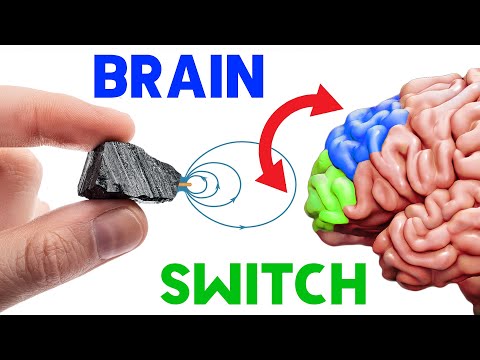
This magnet can invert your brain, and it’s saving lives
0
林宜悉 posted on 2025/06/18Ever wondered if magnets could actually help with depression? This video dives into the fascinating science behind transcranial magnetic stimulation (SAINT) and how it's offering new hope for treatment-resistant depression. You'll pick up some seriously advanced vocabulary related to neuroplasticity and brain circuitry, making it a fantastic way to boost your knowledge and language skills!
Learn this video on the APP!
The VoiceTube App has more in-depth practice for videos!