
activation
US /ˌæktɪ'veɪʃn/
UK /ˌæktɪ'veɪʃn/
- Noun
- Act of making something (e.g. a bomb) active
B1Moreadapt
US /əˈdæpt/
UK /ə'dæpt/
- Transitive Verb
- To change something for a different function
- To change something to fit or suit a new purpose
- Intransitive Verb
- To change your behaviour so that it is easier to live in a new place or situation
B1TOEICMoreafterward
US /ˈæftəwəd/
UK /'ɑ:ftəwəd/
- Adverb
- Happening after something else happened
B1Morearousal
US /ə'raʊzl/
UK /ə'raʊzl/
- Noun
- Being woken up from sleep; sexual excitement
B2Moreassign
US /əˈsaɪn/
UK /ə'saɪn/
- Transitive Verb
- To give someone a particular job to do
- To give someone credit or blame for something
B2TOEICMoreautopilot
US /ˈɔ:toʊpaɪlət/
UK /ˈɔ:təʊpaɪlət/
- Noun
- (For ships, planes) automatic navigational device
C2Morebased on
US
UK
- Phrasal Verb
- To use something as the foundation or starting point for something else.
- Preposition
- Using something as the main idea or foundation.
- Relying on something as evidence or justification.
A1Moreblend of
US
UK
- Noun
- A mixture of different things combined together.
- A combination of different qualities or elements.
A1Morecalm
US /kɑm/
UK /kɑ:m/
- Adjective
- Without wind or storm; quiet; peaceful
- Relaxed and not worried or angry
- Verb (Transitive/Intransitive)
- To make or become relaxed and not worried or angry
A2Morechaotic
US /keɪˈɒtɪk/
UK /keɪ'ɒtɪk/
- Adjective
- Utterly confused
B1Morecognitive
US /ˈkɑɡnɪtɪv/
UK /ˈkɒgnətɪv/
- Adjective
- The process of knowing and remembering
- Relating to the ability to think and reason.
C1Moreconcept
US /ˈkɑnˌsɛpt/
UK /'kɒnsept/
- Noun (Countable/Uncountable)
- Abstract idea of something or how it works
- A plan or intention; a conception.
A2TOEICMoreconstantly
US /ˈkɑnstəntlɪ/
UK /ˈkɒnstəntli/
- Adverb
- Frequently, or without pause
- In a way that is unchanging or faithful
B1Morecortex
US /ˈkɔrˌteks/
UK /'kɔ:teks/
- Noun (Countable/Uncountable)
- The outer part of an organ/structure, e.g. brain
- The outer layer of the cerebrum (the cerebral cortex), other organs, or a plant.
C1Moredoable
US /ˈduəbəl/
UK /ˈdu:əbl/
- Adjective
- Able to be done; possible
C2Moreemotional
US /ɪˈmoʃənəl/
UK /ɪˈməʊʃənl/
- Adjective
- Causing, feeling, or appealing to the emotions
- Relating to or characterized by emotion
A2Morefeel like
US
UK
- Intransitive Verb
- To have a desire or inclination for something.
- To have a particular quality or sensation; resemble.
A1Morefirst up
US /fɚst ʌp/
UK /fə:st ʌp/
- Phrase
- Firstly; to begin with; the first item on a list or agenda.
A1Morefor example
US
UK
- Phrase
- As an illustration or instance.
goal
US /ɡol/
UK /ɡəʊl/
- Noun (Countable/Uncountable)
- Something you try to do or achieve; an aim
- (Sports) net into which you put a ball to score
A2TOEICMorehave to
US /hæv tu/
UK /ˈhæv tə/
- Auxiliary Verb
- Must do
A1Moreimpulsive
US /ɪmˈpʌlsɪv/
UK /ɪmˈpʌlsɪv/
- Adjective
- Acting without really thinking about it; rash
- (Psychology) Relating to or characterized by a sudden, involuntary inclination to do something.
B2Morein the driver's seat
US
UK
- Idiom
- In a position of control or authority.
A1Morein the heat of the moment
US /ɪn ðə ˈhit ʌv ðə ˈmoʊmənt/
UK /in ðə ˈhi:t ɔv ðə ˈməumənt/
- other
- Acting impulsively due to intense emotion or pressure.
B2Moreinstead of
US /ɪnˈstɛd ʌv/
UK /inˈsted ɔv/
- Preposition
- When one thing is replaced by another
- Adverb
- As a substitute or alternative.
A1Moreintense
US /ɪnˈtɛns/
UK /ɪn'tens/
- Adjective
- Very strong, great or extreme in degree
- Experiencing or showing great force or strength; extreme.
A2TOEICMoreisolate
US /ˈaɪsəˌlet/
UK /ˈaɪsəleɪt/
- Transitive Verb
- To identify, consider, or deal with separately
- To keep in a place or situation apart from others
B1Moremess
US /mɛs/
UK /mes/
- Noun (Countable/Uncountable)
- Something that is untidy, dirty or unclean
- A difficult or confused situation.
- Transitive Verb
- To make something untidy or dirty
A2Morenumb
US /nʌm/
UK /nʌm/
- Adjective
- Unable to feel a body part due to cold or illness
- Transitive Verb
- To make a part of body unable to feel (pain, etc.)
B2Moreone of those days
US /wʌn əv ðoʊz deɪz/
UK /wʌn əv ðəuz deɪz/
- other
- A day when many things go wrong.
B1Moreout of control
US /aʊt ʌv kənˈtrol/
UK /aut ɔv kənˈtrəul/
- Adjective
- Impossible to manage or control.
- Not able to be directed or steered.
A1Moreout there
US /aʊt ðɛr/
UK /aut ðɛə/
- Adverb
- In or to a place that is far away
- Existing in the universe
- Adjective
- Unconventional; strange; avant-garde
- Existing or available.
A1Moreover time
US /ˈovɚ taɪm/
UK /ˈəuvə taim/
- Phrase
- Gradually; as time passes.
- During a long period.
- Adverb
- Gradually; as time passes.
B1Moreoverwhelmed
US /ˌoʊ.vɚˈwɛlmd/
UK /ˌəʊ.vəˈwɛlmd/
- Transitive Verb
- To defeat something or someone completely
- To affect someone emotionally in a strong way
- Adjective
- Feeling like you have so much to do that you can't even get started.
- Feeling like you are unable to cope with something
B2Morepause
US /pɔz/
UK /pɔ:z/
- Verb (Transitive/Intransitive)
- To stop doing for a while before continuing
- To temporarily interrupt the execution of a program or process.
- Noun (Countable/Uncountable)
- A temporary break before continuing
- Function on a device to stop and restart it
A2Morepsychology
US /saɪˈkɑlədʒi/
UK /saɪ'kɒlədʒɪ/
- Uncountable Noun
- The study of the mind and how it affects behavior
- Way in which a person or group thinks and behaves
C2Morerant
US /rænt/
UK /rænt/
- Intransitive Verb
- To talk on and on in an excited or confused way
C1TOEICMorerational
US /ˈræʃənəl/
UK /'ræʃnəl/
- Adjective
- Able to think clearly
- A real number that can be written as a ratio of two integers.
- Noun
- A rational person.
A2TOEICMorereact
US /riˈækt/
UK /rɪ'ækt/
- Intransitive Verb
- To change when mixing with other chemicals
- To behave or make a change in a particular way
A2Morereactive
US /riˈæktɪv/
UK /riˈæktɪv/
- Adjective
- Easily reacting to; responsive
B1Morerealization
US /ˌri:ələˈzeɪʃn/
UK /ˌri:əlaɪˈzeɪʃn/
- Uncountable Noun
- Act of noticing something not noticed before
- The achievement or making something happen.
B1TOEICMoreregret
US /rɪˈɡrɛt/
UK /rɪ'ɡret/
- Uncountable Noun
- Feeling of being sorry, as for what you didn't do
- Verb (Transitive/Intransitive)
- To feel sorrow or guilt, as for what you didn't do
- Used to express apology or sadness.
B1Moreregulate
US /ˈrɛɡjəˌlet/
UK /ˈregjuleɪt/
- Transitive Verb
- To control something with rules or laws
- To set/adjust (a clock, etc.); restrict motion in
A2TOEICMoreresonate
US /ˈrɛzəˌnet/
UK /'rezəneɪt/
- Intransitive Verb
- (Of ideas) to have a big impact for a long time
- (E.g. of a bell) to sound clearly for a long time
C2TOEICMorerestructure
US /riˈstrʌktʃɚ/
UK /ˌri:'strʌktʃə(r)/
- Transitive Verb
- To change or organize something in a different way
B1Moreruin
US /ˈruɪn/
UK /'ru:ɪn/
- Transitive Verb
- To damage or completely destroy something
- To cause someone to lose their money or status
- Noun (Countable/Uncountable)
- Remains of a building that has been destroyed
- The state of being destroyed or severely damaged.
B1Moreseparate
US /'sepəreɪt/
UK /'sepəreɪt/
- Adjective
- Being different from or unrelated to another
- Not connected; different.
- Transitive Verb
- To divide two things by being in between them
- To move things away from each other
A2TOEICMoreshift
US /ʃɪft/
UK /ʃɪft/
- Verb (Transitive/Intransitive)
- To change in position or direction
- To move something from one place to another
- Noun (Countable/Uncountable)
- A change in a persons plans, opinions or beliefs
- Period of work starting at a certain time
A2Moreshift in
US
UK
- Phrasal Verb
- A change or alteration in something.
B2Moreshow up
US /ʃo ʌp/
UK /ʃəu ʌp/
- Phrasal Verb
- To arrive or be seen at a place, e.g. a party
- To be noticeably better than (someone else)
A1Moreshut down
US /ʃʌt daʊn/
UK /ʃʌt daun/
- Phrasal Verb
- To close an operating system, e.g. on a computer
- To stop a factory/machine from operating
- Transitive Verb
- To deactivate a nuclear reactor.
- To turn off a computer or other electronic device.
A2Moreshutdown
US /ˈʃʌtˌdaʊn/
UK /ˈʃʌtdaʊn/
- Noun
- Termination of operations
C2Moresnap
US /snæp/
UK /snæp/
- Verb (Transitive/Intransitive)
- To close your mouth quickly like biting something
- To break something dry and thin, e.g. a branch
- Countable Noun
- An informal word for a photograph
B1Morespiral
US /ˈspaɪrəl/
UK /'spaɪrəl/
- Noun
- A continuous curve round a central point
- Intransitive Verb
- To move in a continuous curve round a point
B2Morestep back
US /stɛp bæk/
UK /step bæk/
- Phrasal Verb
- To move backwards; to move away from something.
- To take a break from something; to gain perspective.
A1Morestress
US / strɛs/
UK /stres/
- Transitive Verb
- To emphasize one or more parts of a word, sentence
- To put pressure on something or someone
- Noun (Countable/Uncountable)
- Emphasis on part of a word or sentence
- Pressure on something or someone
A2TOEICMoresuppress
US /səˈprɛs/
UK /səˈpres/
- Transitive Verb
- To prevent the display of emotion or feeling
- To use force to prevent something happening
B1TOEICMoretherapy
US /ˈθɛrəpi/
UK /'θerəpɪ/
- Noun (Countable/Uncountable)
- Treatment to help cure an illness
- Psychological counseling to help resolve personal or emotional problems.
B2Moretolerance
US /ˈtɑ:lərəns/
UK /ˈtɒlərəns/
- Uncountable Noun
- Ability to adjust to changes, your environment etc.
- The space between metal objects e.g. in engines
B1Morevalid
US /ˈvælɪd/
UK /'vælɪd/
- Adjective
- Being in effect or in force, often legally
- Reasonable; based on sound assumptions
A2TOEICMorevalidate
US /ˈvælɪˌdet/
UK /'vælɪdeɪt/
- Transitive Verb
- To show to be officially correct or allowable
B2TOEICMorevalidation
US /ˌvælɪ'deɪʃn/
UK /ˌvælɪ'deɪʃn/
- Uncountable Noun
- Act of finding or testing the truth of something
- In computer science, the process of ensuring that data meets certain criteria before it is processed.
B2Moreversion
US /ˈvɚʒən, -ʃən/
UK /ˈvə:ʃən/
- Noun
- Different way that someone interprets something
- New or different form of something
A2TOEICMorewithdraw
US /wɪðˈdrɔ, wɪθ-/
UK /wɪð'drɔ:/
- Verb (Transitive/Intransitive)
- To take money out of a bank account
- To pull back; move away or backward from something
B1TOEICMore
Vocabulary
- feel like: To have a desire or inclination for something.
- instead of: When one thing is replaced by another
- shut down: To close an operating system, e.g. on a computer
- have to: Must do
- based on: To use something as the foundation or starting point for something else.
- one of those days: A day when many things go wrong.
- in the driver's seat: In a position of control or authority.
- out of control: Impossible to manage or control.
- first up: Firstly; to begin with; the first item on a list or agenda.
- over time: Gradually; as time passes.
- in the heat of the moment: Acting impulsively due to intense emotion or pressure.
- shift in: A change or alteration in something.
- blend of: A mixture of different things combined together.
- step back: To move backwards; to move away from something.
- for example: As an illustration or instance.
- show up: To arrive or be seen at a place, e.g. a party
- out there: In or to a place that is far away
- constantly: Frequently, or without pause
- cognitive: The process of knowing and remembering
- intense: Very strong, great or extreme in degree
- overwhelmed: To defeat something or someone completely
- regret: Feeling of being sorry, as for what you didn't do
- concept: Abstract idea of something or how it works
- therapy: Treatment to help cure an illness
- ruin: To damage or completely destroy something
- cortex: The outer part of an organ/structure, e.g. brain
- mess: Something that is untidy, dirty or unclean
- emotional: Causing, feeling, or appealing to the emotions
- psychology: The study of the mind and how it affects behavior
- stress: To emphasize one or more parts of a word, sentence
- version: Different way that someone interprets something
- chaotic: Utterly confused
- separate: Being different from or unrelated to another
- rational: Able to think clearly
- calm: Without wind or storm; quiet; peaceful
- shift: To change in position or direction
- arousal: Being woken up from sleep; sexual excitement
- numb: Unable to feel a body part due to cold or illness
- brain: To strike someone forcefully on the head
- mean: Average of a set of numbers
- prefrontal: Anterior to a frontal structure
- impulsive: Acting without really thinking about it; rash
- adapt: To change something for a different function
- behavior: The way a person or thing acts; manner
- suppress: To prevent the display of emotion or feeling
- validation: Act of finding or testing the truth of something
- pause: To stop doing for a while before continuing
- regulate: To control something with rules or laws
- snap: To close your mouth quickly like biting something
- resonate: (Of ideas) to have a big impact for a long time
- nervous: Concerning the system of nerves in the body
- valid: Being in effect or in force, often legally
- validate: To show to be officially correct or allowable
- ground: To break (coffee, etc.) into tiny bits with machine
- amygdala: Almond-shaped structure in the brain's anterior
- mind: To be bothered or upset by something
- react: To change when mixing with other chemicals
- goal: Something you try to do or achieve; an aim
- withdraw: To take money out of a bank account
- spiral: A continuous curve round a central point
- tolerance: Ability to adjust to changes, your environment etc.
- doable: Able to be done; possible
- assign: To give someone a particular job to do
- learn: To get knowledge or skills by study or experience
- control: A device designed to operate a machine
- system: Set of organized, planned ideas that work together
- build: Your physical shape; physique
- isolate: To identify, consider, or deal with separately
- start: First time or place that a thing exists; beginning
- understand: To know the meaning of language, what someone says
- world: All the humans, events, activities on the earth
- rant: To talk on and on in an excited or confused way
- realization: Act of noticing something not noticed before
- afterward: Happening after something else happened
- autopilot: (For ships, planes) automatic navigational device
- activation: Act of making something (e.g. a bomb) active
- reactive: Easily reacting to; responsive
- restructure: To change or organize something in a different way
- shutdown: Termination of operations
Get the full experience in the app
Learn anywhere with detailed sentence and usage analysis
01:03
She took a brave step forward, leaving behind her comfort zone to chase her dreams.
Vocabulary
- brave
adj. Having courage
- comfort zone
phr. A familiar situation where one feels safe
Explanation
a brave step is a noun phrase, where brave is an adjective modifying the noun step, meaning "a courageous step".
forward is an adverb modifying step, meaning "ahead".
The whole phrase serves as the object, answering the "what" of took (verb) — she took a brave step forward.
Get the full experience in the app
Look up words anytime with pronunciation, part of speech, and usage
brave
US/brev/
UK/breɪv/
adj.Brave
v.t.To bravely face
A2 Elementary
Get the full experience in the app
Practice speaking anytime and get instant pronunciation feedback
Try this speaking exercise.
Try practicing with this sentence.
80
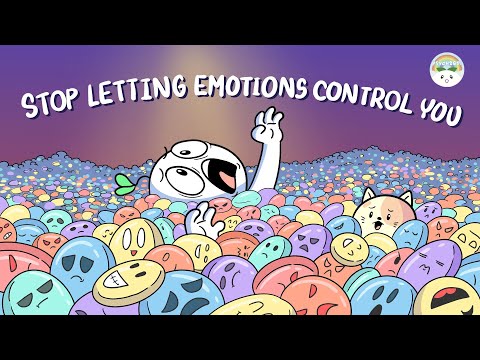
POV: You Stop Letting Emotions Control You
0
林宜悉 posted on 2025/06/17Ever feel like your emotions are running the show? This video dives into practical strategies like pausing before reacting and using grounding techniques to help you gain control, making it perfect for understanding emotional regulation and picking up advanced vocabulary! You'll learn simple sentence structures and daily practical skills to navigate those overwhelming moments like a pro.
Learn this video on the APP!
The VoiceTube App has more in-depth practice for videos!