
alternative
US /ɔlˈtɚnətɪv, æl-/
UK /ɔ:lˈtɜ:nətɪv/
- Countable Noun
- Something different you can choose
- Adjective
- A different choice
A2TOEICMorearchitecture
US /ˈɑrkɪˌtɛktʃɚ/
UK /ˈɑ:kɪtektʃə(r)/
- Uncountable Noun
- Design and construction of buildings
- The style or design of a building or buildings.
A2Moreattempt
US /əˈtɛmpt/
UK /ə'tempt/
- Verb (Transitive/Intransitive)
- To try to do something challenging or difficult
- Noun
- Effort made to try to do or accomplish something
A2TOEICMorecapable
US /ˈkepəbəl/
UK /'keɪpəbl/
- Adjective
- Being able to do something very well; proficient
- Having the ability, fitness, or quality necessary to do or achieve a specified thing.
A2Morecheck out
US /tʃɛk aʊt/
UK /tʃek aut/
- Phrase
- Phrasal Verb
- To find out information about something
- To take books out of a library
A1Morecognitive
US /ˈkɑɡnɪtɪv/
UK /ˈkɒgnətɪv/
- Adjective
- The process of knowing and remembering
- Relating to the ability to think and reason.
C1Morecompulsory
US /kəmˈpʌlsəri/
UK /kəmˈpʌlsəri/
- Adjective
- Required by the rules; that you cannot avoid doing
B2Morecompulsory education
US
UK
- Noun
- Education that is required by law to be attended by all children.
B1Moreconduct
US / kənˈdʌkt/
UK /kənˈdʌkt/
- Uncountable Noun
- Your behavior
- Verb (Transitive/Intransitive)
- To behave in a certain way; e.g. at a party
- To let electricity or heat travel through
B1TOEICMorecritical
US /ˈkrɪtɪkəl/
UK /ˈkrɪtɪkl/
- Adjective
- Making a negative judgment of something
- Being important or serious; vital; dangerous
A2Moredecade
US /ˈdɛkˌed, dɛˈked/
UK /ˈdekeɪd/
- Countable Noun
- Period of 10 years
B1TOEICMoredemocratic
US /ˌdɛməˈkrætɪk/
UK /ˌdeməˈkrætɪk/
- Adjective
- (Of government) giving the people power, a vote
- Based on the principle that all members have equal rights.
B2Moredimensional
US /dɪˈmɛnʃənl:/
UK /dɪ'menʃənəl/
- Adjective
- Concerning how many planes an object exists in
B1Morefor example
US
UK
- Phrase
- As an illustration or instance.
formation
US /fɔ:rˈmeɪʃn/
UK /fɔ:ˈmeɪʃn/
- Noun
- Process of creating; making a particular shape
B1Moreidentical
US /aɪˈdɛntɪkəl/
UK /aɪˈdentɪkl/
- Adjective
- The same in every way
- Satisfied by all values of the variables involved.
B1Moreillusion
US /ɪˈluʒən/
UK /ɪ'lu:ʒn/
- Noun (Countable/Uncountable)
- Idea, image or impression that is not correct
- Something that deceives by producing a false or misleading impression of reality.
B2Moreillustration
US /ˌɪləˈstreʃən/
UK /ˌɪləˈstreɪʃn/
- Noun (Countable/Uncountable)
- Picture that helps explain something
- Making an analogy to explain something
B1TOEICMorein fact
US /ɪn fækt/
UK /in fækt/
- Adverb
- Used to emphasize the truth of a statement, especially one that contrasts with or contradicts something else.
- Used to introduce a more detailed or surprising piece of information.
- Phrase
- Used to emphasize the truth of a statement, especially one that is surprising or contrary to what might be expected.
C1Morein other words
US
UK
- Phrase
- Stating something in a different way, often to make it clearer or more understandable.
in total
US /ɪn ˈtotl/
UK /in ˈtəutəl/
- Phrase
- Completely; with everything added together.
A1Moreindustrialize
US /ɪnˈdʌstriəˌlaɪz/
UK /ɪnˈdʌstriəlaɪz/
- Transitive Verb
- To make into something at an industrial level
B1TOEICMorekindergarten
US /ˈkɪndɚˌɡɑrtn, -dn/
UK /'kɪndəɡɑ:tn/
- Noun
- School or class for children between four and six
- Adjective
- Relating to kindergarten education.
B1Moreknow about
US /noʊ əˈbaʊt/
UK /nəʊ əˈbaut/
- Phrasal Verb
- To have information or understanding of a subject or situation.
look for
US /lʊk fɔr/
UK /luk fɔ:/
- Phrasal Verb
- To try to find a thing or person that is lost
- To expect or anticipate something.
A1Moreneural
US /ˈnʊrəl, ˈnjʊr-/
UK /ˈnjuərəl/
- Adjective
- About the nerves or nervous system
B2Moreof age
US /əv eɪdʒ/
UK /əv eɪdʒ/
- other
- Having reached the legal age of adulthood.
A2Moreoptical
US /ˈɑptɪkəl/
UK /ˈɒptɪkl/
- Adjective
- Concerning vision or helping people see
B1Moreoutward
US /ˈaʊtwəd/
UK /ˈaʊtwəd/
- Adjective
- Going away from a place that will be returned to
- Seeming to be from the outside
B1Morepeer
US /pɪr/
UK /pɪə(r)/
- Noun (Countable/Uncountable)
- A noble, but not royal, person, e.g. lord or duke
- Person of the same age, class or situation
- Intransitive Verb
- To look closely and carefully, as if hard to see
B2Moreperceive
US /pɚˈsiv/
UK /pə'si:v/
- Transitive Verb
- To notice or become aware of something
- To think of someone or something in a certain way
B1TOEICMoreperception
US /pɚˈsɛpʃən/
UK /pəˈsepʃn/
- Noun (Countable/Uncountable)
- Way in which one sees or understands something
- The ability to see, hear, or become aware of something through the senses.
B1Moreplenty
US /ˈplɛnti/
UK /'plentɪ/
- Pronoun
- When there is not too little of something; a lot
- Uncountable Noun
- A large or sufficient amount or quantity; abundance.
- A lot of something
A2Morerapid
US /ˈræpɪd/
UK /ˈræpɪd/
- Adjective
- Moving or happening very quickly
- Noun
- Rough and fast-moving part of a river
B1Morereality
US /riˈælɪti/
UK /rɪ'ælətɪ/
- Noun (Countable/Uncountable)
- What is true, as opposed to what is imagined
- The state of things as they actually exist, rather than as they may appear or might be imagined.
A2Morereceptive
US /rɪˈsɛptɪv/
UK /rɪˈseptɪv/
- Adjective
- Being open to hearing and considering new ideas
B2Morerectangular
US /rɛkˈtæŋɡjəlɚ/
UK /rek'tæŋɡjələ(r)/
- Adjective
- (Of shape/object) with 4 sides and 4 right angles
B1Morereflection
US /rɪˈflɛkʃən/
UK /rɪˈflekʃn/
- Noun
- Sign or indication of a state or condition
- Image that you see in a mirror, glass, or water
A2TOEICMorerelentlessly
US /rɪˈlɛntlɪslɪ/
UK /rɪ'lentləslɪ/
- Adverb
- Continuing without slowing or losing strength
- In a harsh or inflexible manner; without ceasing.
C1Morerelevant
US /ˈrɛləvənt/
UK /ˈreləvənt/
- Adjective
- Having an effect on an issue; related or current
A2TOEICMoreremain
US /rɪˈmen/
UK /rɪˈmeɪn/
- Intransitive Verb
- To be left behind; to continue to exist
- To stay in a place when other people have gone
A2TOEICMoreresearch
US /rɪˈsɚtʃ, ˈriˌsɚtʃ/
UK /rɪ'sɜ:tʃ/
- Verb (Transitive/Intransitive)
- To study in order to discover new ideas and facts
- To study the market relating to marketing products and services.
- Noun (Countable/Uncountable)
- Study done to discover new ideas and facts
- A particular area or topic of study.
A2TOEICMoreresult
US /rɪˈzʌlt/
UK /rɪ'zʌlt/
- Noun
- Something produced through tests or experiments
- Final score of a competition, election or game
- Intransitive Verb
- To be the outcome of other causes and effects
- To happen or exist as a consequence of something.
A2Moreset up
US /sɛt ʌp/
UK /set ʌp/
- Phrasal Verb
- To make arrangements for something; establish
- Verb (Transitive/Intransitive)
- To arrange or prepare something for use.
- To start a business, organization, etc.
A1Moresignificantly
US /sɪɡˈnɪfəkəntlɪ/
UK /sɪgˈnɪfɪkəntli/
- Adverb
- In a way that is important or noticeable
- In a way that is meaningful
A2Moresynaptic
US /sɪ'næptɪk/
UK /sɪ'næptɪk/
- Adjective
- Concerning or involving synapses
C2Morethe following
US
UK
- Adjective
- Next in order or sequence.
- Uncountable Noun
- What is about to be said or written.
B1Moreto the point
US /tu ði pɔɪnt/
UK /tu: ðə pɔint/
- Adjective
- Expressing something directly and without unnecessary detail.
- Phrase
- Relevant and pertinent to the matter at hand.
A2Moretrick
US /trɪk/
UK /trɪk/
- Transitive Verb
- To fool someone in order to obtain a result
- To playfully tease or fool to make someone laugh
- Noun (Countable/Uncountable)
- Act of trying to fool someone
- Quick or skillful way of doing something
A2Morevision
US /ˈvɪʒən/
UK /'vɪʒn/
- Uncountable Noun
- Ability to see; eyesight
- Something you see in your imagination or dreams
A2Moreweird
US /wɪrd/
UK /wɪəd/
- Adjective
- Odd or unusual; surprising; strange
- Eerily strange or disturbing.
B1Morework on
US /wɚk ɑn/
UK /wə:k ɔn/
- Phrasal Verb
- To devote effort to improve or develop something
- To try to persuade or influence someone.
A1More
Vocabulary
- in fact: Used to emphasize the truth of a statement, especially one that contrasts with or contradicts something else.
- work on: To devote effort to improve or develop something
- in total: Completely; with everything added together.
- of age: Having reached the legal age of adulthood.
- the following: Next in order or sequence.
- for example: As an illustration or instance.
- look for: To try to find a thing or person that is lost
- to the point: Expressing something directly and without unnecessary detail.
- in other words: Stating something in a different way, often to make it clearer or more understandable.
- set up
- compulsory education: Education that is required by law to be attended by all children.
- know about: To have information or understanding of a subject or situation.
- check out
- weird: Odd or unusual; surprising; strange
- cognitive: The process of knowing and remembering
- relevant: Having an effect on an issue; related or current
- perceive: To notice or become aware of something
- perception: Way in which one sees or understands something
- illusion: Idea, image or impression that is not correct
- critical: Making a negative judgment of something
- alternative: Something different you can choose
- trick: To fool someone in order to obtain a result
- experience: Thing a person has done or that happened to them
- plenty: When there is not too little of something; a lot
- attempt: To try to do something challenging or difficult
- sense: Certain mental feeling or emotion
- develop: To explain something in steps and in detail
- capable: Being able to do something very well; proficient
- research: To study in order to discover new ideas and facts
- significantly: In a way that is important or noticeable
- reality: What is true, as opposed to what is imagined
- decade: Period of 10 years
- conduct: Your behavior
- wonder: Surprise caused by experiencing something amazing
- remain: To be left behind; to continue to exist
- neural: About the nerves or nervous system
- explain: To make clear or easy to understand by describing
- form: Sports team or person's current winning record
- architecture: Design and construction of buildings
- decision: Choice made after thinking; final judgment
- effect: An advantage, benefit
- raise: To increase a bet above another when playing cards
- identical: The same in every way
- result: Something produced through tests or experiments
- vision: Ability to see; eyesight
- create: To make, cause, or bring into existence
- reflection: Sign or indication of a state or condition
- democratic: (Of government) giving the people power, a vote
- rate: To assess something or consider its qualities
- peer: A noble, but not royal, person, e.g. lord or duke
- project: To predict what will happen in the future
- shape: The outer form of something, what it looks like
- appear: To be seen, become visible; come into sight
- rapid: Moving or happening very quickly
- formation: Process of creating; making a particular shape
- learn: To get knowledge or skills by study or experience
- optical: Concerning vision or helping people see
- compulsory: Required by the rules; that you cannot avoid doing
- receptive: Being open to hearing and considering new ideas
- kindergarten: School or class for children between four and six
- relentlessly: Continuing without slowing or losing strength
- illustration: Picture that helps explain something
- dimensional: Concerning how many planes an object exists in
- outward: Going away from a place that will be returned to
- rectangular: (Of shape/object) with 4 sides and 4 right angles
- synaptic: Concerning or involving synapses
- industrialize: To make into something at an industrial level
Get the full experience in the app
Learn anywhere with detailed sentence and usage analysis
01:03
She took a brave step forward, leaving behind her comfort zone to chase her dreams.
Vocabulary
- brave
adj. Having courage
- comfort zone
phr. A familiar situation where one feels safe
Explanation
a brave step is a noun phrase, where brave is an adjective modifying the noun step, meaning "a courageous step".
forward is an adverb modifying step, meaning "ahead".
The whole phrase serves as the object, answering the "what" of took (verb) — she took a brave step forward.
Get the full experience in the app
Look up words anytime with pronunciation, part of speech, and usage
brave
US/brev/
UK/breɪv/
adj.Brave
v.t.To bravely face
A2 Elementary
Get the full experience in the app
Practice speaking anytime and get instant pronunciation feedback
Try this speaking exercise.
Try practicing with this sentence.
80
How Optical Illusions Work
0
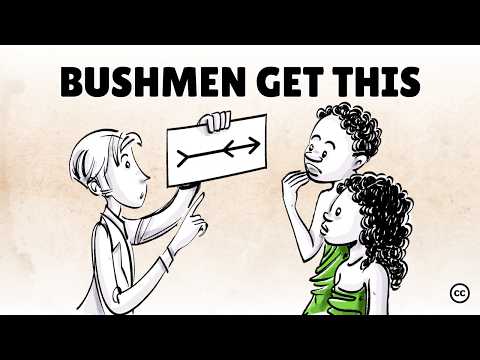
林宜悉 posted on 2025/06/17Ever wondered why your brain plays tricks on you? This video dives into the fascinating world of optical illusions like the Muller-Lyer and Ebbinghaus illusions, explaining how our visual perception works and even how it differs across cultures! You'll pick up some advanced vocabulary related to neuroscience and perception, making it a fun way to boost your English knowledge.
Learn this video on the APP!
The VoiceTube App has more in-depth practice for videos!