
abstract
US /ˈæbˌstrækt/
UK /'æbstrækt/
- Noun (Countable/Uncountable)
- Passage of text from an article or book
- Something that doesn't exist physically
- Adjective
- Concerning something that doesn't exist physically
- Relating to abstract art.
B1Moreambient
US /ˈæmbiənt/
UK /'æmbɪənt/
- Adjective
- Of or in the surrounding area or air
B2Moreaspire
US /əˈspaɪr/
UK /əˈspaɪə(r)/
- Intransitive Verb
- To have a great ambition or goal
B2Moreat a distance
US
UK
- Phrase
- Far away; not close.
- Emotionally detached; not intimate.
B1Moreattention
US /əˈtɛnʃən/
UK /əˈtenʃn/
- Noun (Countable/Uncountable)
- Taking notice of someone or something
- Noun
- (Soldiers) Standing with straight backs
A2TOEICMoreauthority
US /əˈθɔrɪti, əˈθɑr-, ɔˈθɔr-, ɔˈθɑr-/
UK /ɔ:ˈθɒrəti/
- Noun (Countable/Uncountable)
- The power to give orders to people
- Person who is an expert on a particular topic
A2TOEICMorebackbone
US /ˈbækˌbon/
UK /'bækbəʊn/
- Uncountable Noun
- Strength and determination
- Noun
- strength; the most important part of something, providing support for everything else
B2Moreblend
US /blɛnd/
UK /blend/
- Transitive Verb
- To combine different elements or substances
- To mix ingredients when cooking
- Noun
- Product known for mixing ingredients
B1Morebreak down
US /brek daʊn/
UK /breik daun/
- Phrasal Verb
- To forcibly break, destroy or make collapse
- (Machine) to stop working or become weaker
A1Morebreak out
US /brek aʊt/
UK /breik aut/
- Phrasal Verb
- To isolate some information from other data
A1Morebreak up
US /brek ʌp/
UK /breik ʌp/
- Phrase
- Phrasal Verb
- (Of party, relationship) to come to an end
- To end something, e.g. a fight
A1Morebrim
US /brɪm/
UK /brɪm/
- Noun
- Bottom part of a hat that sticks out all round
B2Morebring out
US /brɪŋ aʊt/
UK /briŋ aut/
- Phrasal Verb
- To formally introduce a girl/ woman to society
- To nurture and develop or bring out a quality
A1Morecanvas
US /ˈkænvəs/
UK /ˈkænvəs/
- Noun (Countable/Uncountable)
- Special cloth on which an artist paints a picture
- Thick, strong cloth used e.g. to make sails
- Verb (Transitive/Intransitive)
- To solicit votes or support from people.
B1Morecheer up
US /tʃɪr ʌp/
UK /tʃiə ʌp/
- Phrasal Verb
- To make or become happier or less upset
A2Morecollar
US /ˈkɑlɚ/
UK /'kɒlə(r)/
- Noun
- Band put around the neck of an animal
- Neck part of a shirt, coat etc.
- Transitive Verb
- To catch and hold someone so you can talk to them
- To seize or arrest (someone).
B1Morecome together
US /kʌm təˈɡɛðɚ/
UK /kʌm təˈɡeðə/
- Phrasal Verb
- To assemble or unite; to start working together.
- To form a close relationship or bond.
A1Morecome up with
US /kʌm ʌp wɪð/
UK /kʌm ʌp wið/
- Phrasal Verb
- To think of an idea or solution; produce
A1Morecomplex
US /kəmˈplɛks, ˈkɑmˌplɛks/
UK /'kɒmpleks/
- Countable Noun
- Group of buildings all used for the same purpose
- Adjective
- Not being simple; having many parts or aspects
A2Morecorrect
US /kəˈrɛkt/
UK /kə'rekt/
- Adjective
- Being suitable and appropriate for an occasion
- True or accurate
- Transitive Verb
- To fix a problem
- To write marks on a piece of work to show mistakes
A2Morecounterpart
US /ˈkaʊntərpɑ:rt/
UK /ˈkaʊntəpɑ:t/
- Countable Noun
- Person/thing having same function/characteristics
B2Moredeal with
US /dil wɪð/
UK /di:l wið/
- Verb (Transitive/Intransitive)
- To buy or sell goods or services.
- Phrasal Verb
- To take action to solve a problem or manage a situation.
- To be about; concern.
A1Moredefine
US /dɪˈfaɪn/
UK /dɪ'faɪn/
- Transitive Verb
- To explain the meaning of words
- To set or mark the limits of something
A2TOEICMoredetermine
US /dɪˈtɚmɪn/
UK /dɪ'tɜ:mɪn/
- Transitive Verb
- To control exactly how something will be or act
- To establish the facts about; discover
A2TOEICMoredo in
US
UK
- Phrasal Verb
- To make completely tired out and exhausted
- To destroy or cause damage to someone
A1Moredrain
US /dren/
UK /dreɪn/
- Noun (Countable/Uncountable)
- Hole or pipe that water, waste etc. flows into
- Something that depletes resources or energy.
- Transitive Verb
- To empty or remove liquid from
- To use up the energy/ money/power of something
B1Moredysfunction
US /dɪsˈfʌŋkʃən/
UK /dɪs'fʌŋkʃn/
- Noun (Countable/Uncountable)
- Failure to act as expected, as in a social context
- Impairment of normal physiological function.
B2Moreedge
US /ɛdʒ/
UK /edʒ/
- Noun (Countable/Uncountable)
- An advantage you have over others
- Cutting side of a sharp object
- Transitive Verb
- To cut something to make the blade sharp
- To go around the boundary of something
A2TOEICMoreentire
US /ɛnˈtaɪr/
UK /ɪn'taɪə(r)/
- Adjective
- Complete or full; with no part left out; whole
- Undivided; not shared or distributed.
A2TOEICMoreepisode
US /ˈɛpɪˌsod/
UK /'epɪsəʊd/
- Noun
- One separate event in a series of events
- Show which is part of a larger story
B1TOEICMoreexercise
US /ˈɛksɚˌsaɪz/
UK /'eksəsaɪz/
- Verb (Transitive/Intransitive)
- To work out to become stronger and healthier
- To retain your ability or practice your skills
- Noun (Countable/Uncountable)
- Physical activity to increase health and strength
- Set of questions in a text book
A2Moreeyebrow
US /ˈaɪˌbraʊ/
UK /ˈaɪbraʊ/
- Noun
- Line of hair that grows above the eye
B1Morefill out
US /fɪl aʊt/
UK /fil aut/
- Phrasal Verb
- To become fatter
- To complete a form by adding information needed
A1Morefill up
US /fɪl ʌp/
UK /fil ʌp/
- Phrase
- Verb (Transitive/Intransitive)
- To make something full.
- To become full.
A1Morefor example
US
UK
- Phrase
- As an illustration or instance.
for some reason
US /fɔr sʌm ˈrizən/
UK /fɔ: sʌm ˈri:zən/
- Phrase
- For a reason that is not known or not easily explained.
A1Moregigantic
US /dʒaɪˈɡæntɪk/
UK /dʒaɪ'ɡæntɪk/
- Adjective
- Extremely large
- Of very great size, extent, or degree.
B2Morehave to
US /hæv tu/
UK /ˈhæv tə/
- Auxiliary Verb
- Must do
A1Morein fact
US /ɪn fækt/
UK /in fækt/
- Adverb
- Used to emphasize the truth of a statement, especially one that contrasts with or contradicts something else.
- Used to introduce a more detailed or surprising piece of information.
- Phrase
- Used to emphasize the truth of a statement, especially one that is surprising or contrary to what might be expected.
C1Morein mind
US /ɪn maɪnd/
UK /in maind/
- Phrase
- Being aware of or considering something.
- To remember or consider something.
A2Morein the process of
US /ɪn ði ˈprɑsˌɛs ʌv/
UK /in ðə ˈprəuses ɔv/
- Phrase
- During the course of; while something is happening or being done.
A1Moreindividual
US /ˌɪndəˈvɪdʒuəl/
UK /ˌɪndɪˈvɪdʒuəl/
- Countable Noun
- Single person, looked at separately from others
- A single thing or item, especially when part of a set or group.
- Adjective
- Made for use by one single person
- Having a distinct manner different from others
A2Moreinherent
US /ɪnˈhɪrənt/
UK /ɪnˈhɪərənt/
- Adjective
- Existing as an essential part of
- Involved in the constitution or essential character of something.
B1TOEICMoreintentional
US /ɪnˈtɛnʃənəl/
UK /ɪnˈtenʃənl/
- Adjective
- Done with a deliberate plan to do or achieve
B1Morejaw
US /dʒɔ/
UK /dʒɔ:/
- Noun (Countable/Uncountable)
- One of the two bones of the face where teeth grow
- Intransitive Verb
- To talk with a lot of energy for a long time
B1Morekindergarten
US /ˈkɪndɚˌɡɑrtn, -dn/
UK /'kɪndəɡɑ:tn/
- Noun
- School or class for children between four and six
- Adjective
- Relating to kindergarten education.
B1Morelandscape
US /ˈlændˌskep/
UK /'lændskeɪp/
- Noun
- Area or scene of activity, especially in politics
- Picture of natural scenery in a place
- Transitive Verb
- To make gardens that improve an area of land
B1TOEICMorelight on
US /laɪt ɑn/
UK /lait ɔn/
- Phrasal Verb
- To illuminate something.
- To discover something unexpectedly.
- Adjective
- Gentle or delicate in the use of something.
A1Morelook at
US /lʊk æt/
UK /luk æt/
- Phrasal Verb
- To use your eyes to focus on something
- To focus your eyes on something carefully
A1Moremove on
US /muv ɑn/
UK /mu:v ɔn/
- Phrasal Verb
- To decide to change or go to a different place
- To start talking about something different.
A1Moreneglect
US /nɪˈɡlɛkt/
UK /nɪ'ɡlekt/
- Uncountable Noun
- Act of failing to do something important, required
- State or condition of not receiving proper care
- Transitive Verb
- To not do something that is important or required
- To fail to take care of something; ignore
B1TOEICMoreno matter
US
UK
- Conjunction
- Regardless of; it does not matter.
- Adverb
- Regardless of; it is not important
A1Moreobject
US /ˈɑbdʒɪkt/
UK /'ɒbdʒɪkt/
- Noun (Countable/Uncountable)
- Something you can see or touch, but is not alive
- Goal or purpose of a particular plan or activity
- Verb (Transitive/Intransitive)
- To disagree; to protest against an idea or plan
- To state one's reason for disagreement
A2TOEICMoreover time
US /ˈovɚ taɪm/
UK /ˈəuvə taim/
- Phrase
- Gradually; as time passes.
- During a long period.
- Adverb
- Gradually; as time passes.
B1Moreover to
US
UK
- Preposition
- Used to hand over to someone else to speak
- The responsibility is now yours
process
US /ˈprɑsˌɛs, ˈproˌsɛs/
UK /prə'ses/
- Transitive Verb
- To organize and use data in a computer
- To deal with official forms in the way required
- Noun (Countable/Uncountable)
- Dealing with official forms in the way required
- Set of changes that occur slowly and naturally
A2TOEICMorerecognize
US /ˈrek.əɡ.naɪz/
UK /ˈrek.əɡ.naɪz/
- Transitive Verb
- To accept the truth or reality of something
- To consider something as important or special
A2TOEICMoreredesign
US /ˌridɪˈzaɪn/
UK /ˌri:dɪ'zaɪn/
- Transitive Verb
- To change the design or style of something
- To revise the design of something, often to improve its function or appearance.
- Noun
- Action to change the design or style of
B2Moreresponsible
US / rɪˈspɑnsəbəl/
UK /rɪ'spɒnsəbl/
- Adjective
- Being the cause of something that has occurred
- Having the duty of dealing with something
A2TOEICMoreright for
US
UK
- Adjective
- Suitable or appropriate for a particular person, purpose, or situation.
- Correct or most appropriate.
A1Morescatter
US /ˈskætɚ/
UK /'skætə(r)/
- Verb (Transitive/Intransitive)
- To throw or move into various different directions
- Transitive Verb
- To place or leave things in various places
B2Moreset up
US /sɛt ʌp/
UK /set ʌp/
- Phrasal Verb
- To make arrangements for something; establish
- Verb (Transitive/Intransitive)
- To arrange or prepare something for use.
- To start a business, organization, etc.
A1Moresocket
US /ˈsɑkɪt/
UK /'sɒkɪt/
- Noun
- Area into which (e.g. a bone) will fit
- Point in the wall to plug in an electrical device
B2Morestart off
US /stɑrt ɔf/
UK /stɑ:t ɔf/
- Phrasal Verb
- To begin or commence something.
- To begin a journey.
B2Moresubtle
US /ˈsʌtl/
UK /'sʌtl/
- Adjective
- Delicate or slight so it is difficult to perceive
- Clever or indirect but hides the true purpose
B1Moresuffer
US / ˈsʌfɚ/
UK /'sʌfə(r)/
- Verb (Transitive/Intransitive)
- To experience pain, illness, or injury
- To allow or permit something, especially something unpleasant.
A2Morethink of
US /θɪŋk ʌv/
UK /θiŋk ɔv/
- Phrasal Verb
- To look on as (being something specific); consider
- To consider or remember something.
- Verb (Transitive/Intransitive)
- To imagine or call something to mind
A1Moretrace
US /tres/
UK /treɪs/
- Transitive Verb
- To make an outline to determine a shape
- To find someone or something that has disappeared
- Uncountable Noun
- Very small quantity of something
- A mark or other sign of the former presence or passage of something.
B1Moreunder no obligation
US
UK
- Phrase
- Not required or forced to do something.
A1Moreused to
US /juzd tu/
UK /ˈju:st tə/
- Adjective
- Did regularly before, but don't do now
- Auxiliary Verb
- Have done before, but do not do now
A1Morework on
US /wɚk ɑn/
UK /wə:k ɔn/
- Phrasal Verb
- To devote effort to improve or develop something
- To try to persuade or influence someone.
A1Morework to do
US
UK
- Phrase
- Tasks or activities that need to be accomplished.
- Obligations or responsibilities that require effort and attention.
A1Morezoom out
US /zum aʊt/
UK /zu:m aut/
- Phrasal Verb
- To decrease the magnification of an image, showing more of the scene.
- To take a broader perspective; to consider the overall context.
Vocabulary
- look at: To use your eyes to focus on something
- have to: Must do
- for example: As an illustration or instance.
- light on: To illuminate something.
- zoom out: To decrease the magnification of an image, showing more of the scene.
- think of: To look on as (being something specific); consider
- start off: To begin or commence something.
- break out
- deal with
- over to: Used to hand over to someone else to speak
- in mind: Being aware of or considering something.
- fill out: To become fatter
- come up with: To think of an idea or solution; produce
- at a distance: Far away; not close.
- come together: To assemble or unite; to start working together.
- right for: Suitable or appropriate for a particular person, purpose, or situation.
- break up
- fill up
- bring out: To formally introduce a girl/ woman to society
- under no obligation: Not required or forced to do something.
- work to do: Tasks or activities that need to be accomplished.
- cheer up: To make or become happier or less upset
- work on: To devote effort to improve or develop something
- set up
- break down: To forcibly break, destroy or make collapse
- do in: To make completely tired out and exhausted
- move on: To decide to change or go to a different place
- in the process of: During the course of; while something is happening or being done.
- for some reason: For a reason that is not known or not easily explained.
- in fact: Used to emphasize the truth of a statement, especially one that contrasts with or contradicts something else.
- no matter: Regardless of; it does not matter.
- over time: Gradually; as time passes.
- used to: Did regularly before, but don't do now
- episode: One separate event in a series of events
- entire: Complete or full; with no part left out; whole
- individual: Single person, looked at separately from others
- process: To organize and use data in a computer
- subtle: Delicate or slight so it is difficult to perceive
- recognize: To accept the truth or reality of something
- determine: To control exactly how something will be or act
- experience: Thing a person has done or that happened to them
- complex: Group of buildings all used for the same purpose
- abstract: Passage of text from an article or book
- drain: Hole or pipe that water, waste etc. flows into
- exercise: To work out to become stronger and healthier
- inherent: Existing as an essential part of
- authority: The power to give orders to people
- mean: Average of a set of numbers
- suffer: To experience pain, illness, or injury
- draw: To attract attention to someone or something
- edge: An advantage you have over others
- neglect: Act of failing to do something important, required
- attention: Taking notice of someone or something
- form: Sports team or person's current winning record
- define: To explain the meaning of words
- gigantic: Extremely large
- responsible: Being the cause of something that has occurred
- landscape: Area or scene of activity, especially in politics
- blend: To combine different elements or substances
- break: To create a new record e.g. running the 100m dash
- provide: To make available; to supply for use
- shape: The outer form of something, what it looks like
- fall: Season after summer and before winter; Autumn
- correct: Being suitable and appropriate for an occasion
- object: Something you can see or touch, but is not alive
- stage: To organize an event to gain public interest
- trace: To make an outline to determine a shape
- counterpart: Person/thing having same function/characteristics
- moment: Very short or brief period of time
- canvas: Special cloth on which an artist paints a picture
- place: To put someone in a particular type of situation
- important: Having power or authority
- kind: In a caring and helpful manner
- intentional: Done with a deliberate plan to do or achieve
- learn: To get knowledge or skills by study or experience
- fact: Something that is known or proved to be true
- jaw: One of the two bones of the face where teeth grow
- scatter: To throw or move into various different directions
- aspire: To have a great ambition or goal
- collar: Band put around the neck of an animal
- kindergarten: School or class for children between four and six
- brim: Bottom part of a hat that sticks out all round
- dysfunction: Failure to act as expected, as in a social context
- ambient: Of or in the surrounding area or air
- backbone: Strength and determination
- eyebrow: Line of hair that grows above the eye
- socket: Area into which (e.g. a bone) will fit
- redesign: To change the design or style of something
Get the full experience in the app
Learn anywhere with detailed sentence and usage analysis
01:03
She took a brave step forward, leaving behind her comfort zone to chase her dreams.
Vocabulary
- brave
adj. Having courage
- comfort zone
phr. A familiar situation where one feels safe
Explanation
a brave step is a noun phrase, where brave is an adjective modifying the noun step, meaning "a courageous step".
forward is an adverb modifying step, meaning "ahead".
The whole phrase serves as the object, answering the "what" of took (verb) — she took a brave step forward.
Get the full experience in the app
Look up words anytime with pronunciation, part of speech, and usage
brave
US/brev/
UK/breɪv/
adj.Brave
v.t.To bravely face
A2 Elementary
Get the full experience in the app
Practice speaking anytime and get instant pronunciation feedback
Try this speaking exercise.
Try practicing with this sentence.
80
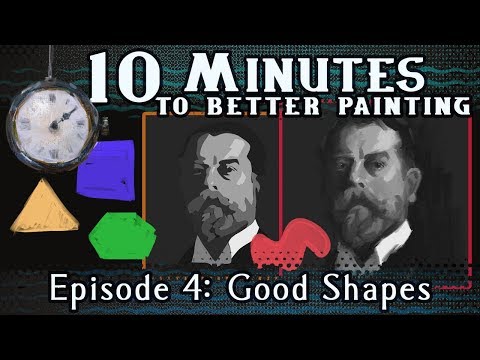
Good Shapes - 10 Minutes To Better Painting - Episode 4
0
黃子芸 posted on 2025/03/14Ever wondered what makes a painting truly 'readable'? This episode dives into the fascinating world of 'good shapes,' explaining how simple forms build compelling artwork, much like words build sentences. You'll learn to see paintings in a whole new way and even pick up some key vocabulary to discuss art with confidence!
Learn this video on the APP!
The VoiceTube App has more in-depth practice for videos!