
alcohol
US /ˈælkəˌhɔl,-ˌhɑl/
UK /'ælkəhɒl/
- Uncountable Noun
- A colorless liquid that can catch fire (C2H5OH)
- Drinks such as wine, whiskey, beer
B1Moreat least
US /æt list/
UK /æt li:st/
- Adverb
- As a minimum
- Not less than
- Phrase
- No less than; at the minimum
- Used to indicate that something is positive in a bad situation.
C2Moreat work
US /æt wɚk/
UK /æt wə:k/
- Phrase
- Located at one's place of employment
A1Morebad habits
US
UK
- Noun (Countable/Uncountable)
- Negative or harmful routines or behaviors that are difficult to stop.
A1Moreblood
US /blʌd/
UK /blʌd/
- Uncountable Noun
- Red liquid in the bodies of people and animals
- Related by birth; family
- Transitive Verb
- To be initiated into something, e.g. a secret club
A2Moredatum
US /ˈdetəm, ˈdætəm, ˈdɑtəm/
UK /ˈdeɪtəm/
- Noun
- Item of factual information
B1Moredementia
US /dɪˈmɛnʃə/
UK /dɪˈmenʃə/
- Uncountable Noun
- Illness characterized by loss of memory
B2Morediabetes
US /ˌdaɪəˈbitɪs, -tiz/
UK /ˌdaɪəˈbi:ti:z/
- Noun (Countable/Uncountable)
- Illness where there is too much sugar in the blood
- A form of diabetes, usually diagnosed in children and young adults, in which the body does not produce insulin.
B2Moredisease
US /dɪˈziz/
UK /dɪˈzi:z/
- Noun (Countable/Uncountable)
- Illness that affects a person, animal, or plant
- A disorder of structure or function in a plant, especially one caused by a pathogen.
- Transitive Verb
- To affect with disease; to corrupt or sicken.
A2TOEICMoredrink in
US /drɪŋk ɪn/
UK /driŋk in/
- Phrasal Verb
- To absorb or take in something with great enjoyment.
A1Moreexercise
US /ˈɛksɚˌsaɪz/
UK /'eksəsaɪz/
- Verb (Transitive/Intransitive)
- To work out to become stronger and healthier
- To retain your ability or practice your skills
- Noun (Countable/Uncountable)
- Physical activity to increase health and strength
- Set of questions in a text book
A2Morefactor
US /ˈfæktɚ/
UK /'fæktə(r)/
- Noun
- Something that influences a result
- Transitive Verb
- To consider or include in an estimate or judgment
- To find the two numbers a number can be divided by
A2TOEICMoreflu
US /flu/
UK /flu:/
- Noun (Countable/Uncountable)
- Illness causing headache, fever etc.
- A specific instance or bout of influenza.
B2Morefor long
US
UK
- Phrase
- For a considerable period of time.
- For a significant duration in the future.
A1Moregateway
US /ˈɡetˌwe/
UK /ˈgeɪtweɪ/
- Noun
- Entrance that can be closed by a gate
B2Morehygiene
US /ˈhaɪˌdʒin/
UK /ˈhaɪdʒi:n/
- Uncountable Noun
- Cleanliness; being clean
- Practices for maintaining personal cleanliness.
B2Morein moderation
US
UK
- Phrase
- Not excessively; with restraint.
C1Morein the world
US /ɪn ði wɜrld/
UK /in ðə wɜː(r)ld/
- Phrase
- Used to emphasize a question expressing surprise, confusion, disbelief
- Used to indicate the extent or degree of something, often in a superlative sense
A1Moreisolate
US /ˈaɪsəˌlet/
UK /ˈaɪsəleɪt/
- Transitive Verb
- To identify, consider, or deal with separately
- To keep in a place or situation apart from others
B1Moreisolation
US /ˌaɪsəˈleʃən/
UK /ˌaɪsəˈleɪʃn/
- Uncountable Noun
- Condition of being in a distinct, separate place
- Process of separating things from other things
B1Moreloneliness
US /ˈlonlɪnɪs/
UK /'ləʊnlɪnəs/
- Uncountable Noun
- State of feeling sad because you are alone
- A feeling of being isolated from others, even when surrounded by people.
B2Moremaintain
US /menˈten/
UK /meɪn'teɪn/
- Transitive Verb
- To keep saying something a certain way
- To keep (machine) working by checking, repairing
A2TOEICMoremoderation
US /ˌmɑ:dəˈreɪʃn/
UK /ˌmɒdəˈreɪʃn/
- Uncountable Noun
- Decrease in the amount of something that is high
- Quality of not doing to excess; restraint
C1TOEICMoreobesity
US /oˈbisɪti/
UK /əʊ'bi:sətɪ/
- Uncountable Noun
- State of being so fat it can harm your health
- The state of being far too heavy; corpulence.
B2Moreoral
US /ˈɔrəl/
UK /ˈɔ:rəl/
- Adjective
- Concerning the mouth
- Spoken text
B1Moreoral hygiene
US
UK
- Uncountable Noun
- The practice of keeping the mouth and teeth clean to prevent dental problems.
C1Morephysical
US /ˈfɪzɪkəl/
UK /ˈfɪzɪkl/
- Countable Noun
- Health check at the doctors' or hospital
- Adjective
- Concerning the body of a person
- Concerning things that can be seen or touched
A2Morepneumonia
US /nu:ˈmoʊniə/
UK /nju:ˈməʊniə/
- Uncountable Noun
- Serious illness affecting the lungs and breathing
B2Morepowerful
US /ˈpaʊəfəl/
UK /ˈpauəful/
- Adjective
- Having control or influence over
- Having a lot of physical force, energy, strength
A2TOEICMorepressure
US /ˈprɛʃɚ/
UK /'preʃə(r)/
- Noun (Countable/Uncountable)
- Anxiety caused by difficult problems
- Force, weight when pressing against a thing
- Transitive Verb
- To apply force to something
- To persuade or force someone to do something
A2TOEICMorepretty solid
US
UK
- Adjective
- Quite strong, reliable, or convincing.
- Fairly firm or well-established; not easily broken or changed.
B2Moreproperly
US /ˈprɑːpərli/
UK /ˈprɔpəlɪ/
- Adverb
- In an appropriate or correct manner
- In a way that is suitable or appropriate.
A2Moreresearch
US /rɪˈsɚtʃ, ˈriˌsɚtʃ/
UK /rɪ'sɜ:tʃ/
- Verb (Transitive/Intransitive)
- To study in order to discover new ideas and facts
- To study the market relating to marketing products and services.
- Noun (Countable/Uncountable)
- Study done to discover new ideas and facts
- A particular area or topic of study.
A2TOEICMoresevere
US /səˈvɪr/
UK /sɪ'vɪə(r)/
- Adjective
- Very bad; harsh
- (Of clothes, etc.) plain; simple; not decorated
A2TOEICMoreshot
US /ʃɑt/
UK /ʃɒt/
- Transitive Verb
- To kick or throw a ball at a goal
- To fire a gun; injure or kill someone with a gun
- Countable Noun
- An attempt to kick or throw a ball at a goal
A2Moreshut
US /ʃʌt/
UK /ʃʌt/
- Intransitive Verb
- To stop being open for business
- Transitive Verb
- To close something, e.g. a door
A2Moresix times
US
UK
- Adverb
- Multiplied by six; a factor of six.
- On six occasions; six instances.
skip
US /skɪp/
UK /skɪp/
- Countable Noun
- Very large waste disposal bin
- Intransitive Verb
- To move forward by taking fast steps and jumps
- To move rapidly, from one topic to another
B2Moresmoke
US /smoʊk/
UK /sməʊk/
- Intransitive Verb
- To give off a cloud of grey gas from burning
- Uncountable Noun
- Grey gas from fires and cigarettes
- Fog of air coming from e.g. a cigarette, fire
B1Moresolid
US /ˈsɑlɪd/
UK /'sɒlɪd/
- Adjective
- Being able to be trusted; reliable
- Substance that is hard or of fixed shape
- Noun
- Something firm or hard; not gas or liquid
A2Moretip
US /tɪp/
UK /tɪp/
- Transitive Verb
- To pour or move something from a place, container
- To give extra money for good service
- Noun
- End point of e.g. a pencil or finger
- Extra money given for good service
A2Moretremendous
US /trɪˈmɛndəs/
UK /trəˈmendəs/
- Adjective
- Very good or very impressive
- Extremely large or great.
B1TOEICMorevaccine
US /vækˈsin,ˈvækˌsin/
UK /'væksi:n/
- Noun (Countable/Uncountable)
- Shot using weak disease cells to stop same disease
- A preparation of weakened or killed microorganisms, or of antigenic proteins derived from them, used to induce protective immunity in animals.
B2Moreworldwide
US /ˈwɚldˈwaɪd/
UK /ˈwɜ:ldwaɪd/
- Adjective
- Spanning or extending throughout the entire world
- Adverb
- Extending or reaching throughout the whole world.
B1More
Vocabulary
- bad habits: Negative or harmful routines or behaviors that are difficult to stop.
- in the world: Used to emphasize a question expressing surprise, confusion, disbelief
- for long: For a considerable period of time.
- at work: Located at one's place of employment
- at least: As a minimum
- pretty solid: Quite strong, reliable, or convincing.
- oral hygiene: The practice of keeping the mouth and teeth clean to prevent dental problems.
- six times: Multiplied by six; a factor of six.
- drink in: To absorb or take in something with great enjoyment.
- in moderation: Not excessively; with restraint.
- properly: In an appropriate or correct manner
- physical: Health check at the doctors' or hospital
- tremendous: Very good or very impressive
- diabetes: Illness where there is too much sugar in the blood
- obesity: State of being so fat it can harm your health
- severe: Very bad; harsh
- common: Area in a city or town that is open to everyone
- hygiene: Cleanliness; being clean
- develop: To explain something in steps and in detail
- expect: To believe something is probably going to happen
- solid: Being able to be trusted; reliable
- disease: Illness that affects a person, animal, or plant
- research: To study in order to discover new ideas and facts
- pressure: Anxiety caused by difficult problems
- increase: To make or become larger in size or amount
- dementia: Illness characterized by loss of memory
- exercise: To work out to become stronger and healthier
- brain: To strike someone forcefully on the head
- maintain: To keep saying something a certain way
- tip: To pour or move something from a place, container
- pneumonia: Serious illness affecting the lungs and breathing
- moderation: Decrease in the amount of something that is high
- form: Sports team or person's current winning record
- vaccine: Shot using weak disease cells to stop same disease
- factor: Something that influences a result
- raise: To increase a bet above another when playing cards
- effect: An advantage, benefit
- pretty: Being attractive to the eye in a simple way
- rest: Time when one relaxes, sleeps, or is inactive
- risk: To do something potentially dangerous or foolish
- alcohol: A colorless liquid that can catch fire (C2H5OH)
- isolation: Condition of being in a distinct, separate place
- shape: The outer form of something, what it looks like
- social: Involving activity with people, e.g. in free time
- activity: An action or task, e.g. sports, washing clothes
- worldwide: Spanning or extending throughout the entire world
- shut: To stop being open for business
- loneliness: State of feeling sad because you are alone
- shot: To kick or throw a ball at a goal
- oral: Concerning the mouth
- include: To make someone, something part of a group
- isolate: To identify, consider, or deal with separately
- blood: Red liquid in the bodies of people and animals
- skip: Very large waste disposal bin
- datum: Item of factual information
- powerful: Having control or influence over
- flu: Illness causing headache, fever etc.
- gateway: Entrance that can be closed by a gate
- smoke: To give off a cloud of grey gas from burning
Get the full experience in the app
Learn anywhere with detailed sentence and usage analysis
01:03
She took a brave step forward, leaving behind her comfort zone to chase her dreams.
Vocabulary
- brave
adj. Having courage
- comfort zone
phr. A familiar situation where one feels safe
Explanation
a brave step is a noun phrase, where brave is an adjective modifying the noun step, meaning "a courageous step".
forward is an adverb modifying step, meaning "ahead".
The whole phrase serves as the object, answering the "what" of took (verb) — she took a brave step forward.
Get the full experience in the app
Look up words anytime with pronunciation, part of speech, and usage
brave
US/brev/
UK/breɪv/
adj.Brave
v.t.To bravely face
A2 Elementary
Get the full experience in the app
Practice speaking anytime and get instant pronunciation feedback
Try this speaking exercise.
Try practicing with this sentence.
80
0
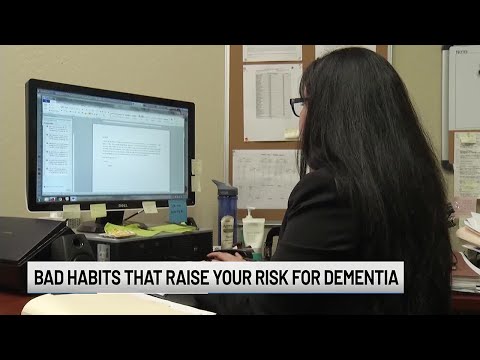
VoiceTube posted on 2024/11/21Did you know that everyday habits could be raising your risk for dementia? This video dives into surprising lifestyle factors, like oral health and social isolation, that a UCLA study found are linked to increased risk. You'll pick up advanced vocabulary and practical knowledge to help you stay sharp!
Learn this video on the APP!
The VoiceTube App has more in-depth practice for videos!