
affect
US /əˈfɛkt/
UK /ə'fekt/
- Transitive Verb
- To cause a change in something else
- To pretend to have or feel (something).
- Noun
- (Psychology) Emotion or feeling.
A2TOEICMoreas well as
US /æz wɛl æz/
UK /æz wel æz/
- Adverb
- Also; in addition to
- Preposition
- In addition to; and also.
A1Moreat risk
US
UK
- Phrase
- In danger; likely to be harmed
author
US /ˈɔθɚ/
UK /'ɔ:θə(r)/
- Noun (Countable/Uncountable)
- Person who writes books, plays, poems etc.
- Transitive Verb
- To write book or articles
B1Morebien
US
UK
- Adjective
- (French) good
C1Morebilingual
US /baɪˈlɪŋɡwəl/
UK /ˌbaɪˈlɪŋgwəl/
- Adjective
- Being able to speak two languages well
- Noun
- Person able to use two languages well
B2Morecognition
US /kɑ:gˈnɪʃn/
UK /kɒgˈnɪʃn/
- Uncountable Noun
- Recognition involved in thought processing
C1Morecognitive
US /ˈkɑɡnɪtɪv/
UK /ˈkɒgnətɪv/
- Adjective
- The process of knowing and remembering
- Relating to the ability to think and reason.
C1Morecognitively
US
UK
- Adverb
- With regard to cognition
C1Morecommunity
US /kəˈmjunɪti/
UK /kə'mju:nətɪ/
- Noun (Countable/Uncountable)
- Group of people who share a common idea or area
- A feeling of fellowship with others, as a result of sharing common attitudes, interests, and goals.
- Adjective
- Relating to or shared by the people in a particular area.
- Shared or participated in by all members of a group
A2Moreconstant
US /ˈkɑnstənt/
UK /'kɒnstənt/
- Adjective
- Happening frequently or without pause
- Remaining the same over time or not changing.
- Noun
- Thing that happens always or at a regular rate
- A physical quantity that is believed to have a fixed value and is used in calculations.
A2TOEICMoreconversation
US /ˌkɑnvɚˈseʃən/
UK /ˌkɒnvəˈseɪʃn/
- Uncountable Noun
- Talking with other people; discussion or chat
- General communication or interaction.
A2Morecritical
US /ˈkrɪtɪkəl/
UK /ˈkrɪtɪkl/
- Adjective
- Making a negative judgment of something
- Being important or serious; vital; dangerous
A2Morecure
US /kjʊr/
UK /kjʊə(r)/
- Noun
- Something that solves a problem or makes it better
- Medical treatment making a sick person healthy
- Transitive Verb
- To fix or improve a problem
- To make someone healthy or make a disease go away
B1Moredecrease
US /dɪˈkris/
UK /dɪˈkri:s/
- Verb (Transitive/Intransitive)
- To reduce the size, amount or number of something
- Uncountable Noun
- Amount by which something has been reduced
B1TOEICMoredisease
US /dɪˈziz/
UK /dɪˈzi:z/
- Noun (Countable/Uncountable)
- Illness that affects a person, animal, or plant
- A disorder of structure or function in a plant, especially one caused by a pathogen.
- Transitive Verb
- To affect with disease; to corrupt or sicken.
A2TOEICMoreexert
US /ɪgˈzɜ:rt/
UK /ɪgˈzɜ:t/
- Transitive Verb
- To make something have an effect on something else
B2TOEICMoreexpand
US /ɪkˈspænd/
UK /ɪk'spænd/
- Verb (Transitive/Intransitive)
- To make something larger in size, number, amount
A2TOEICMoreextra
US /'ekstrə/
UK /'ekstrə/
- Adjective
- More than necessary; additional
- Of especially good quality or grade.
- Noun (Countable/Uncountable)
- Items more than you need; additional items
- Person who has a small part in a movie
A2Morefit
US /fɪt/
UK /fɪt/
- Adjective
- Good looking; physically attractive
- Having good physical health and strength
- Verb (Transitive/Intransitive)
- To install a machine, equipment etc.
- To adjust or change to the right size or shape
A2Morehave to
US /hæv tu/
UK /ˈhæv tə/
- Auxiliary Verb
- Must do
A1Morein fact
US /ɪn fækt/
UK /in fækt/
- Adverb
- Used to emphasize the truth of a statement, especially one that contrasts with or contradicts something else.
- Used to introduce a more detailed or surprising piece of information.
- Phrase
- Used to emphasize the truth of a statement, especially one that is surprising or contrary to what might be expected.
C1Morelab
US /læb/
UK /læb/
- Noun (Countable/Uncountable)
- Short for 'laboratory'
B1Morelead to
US /lid tu/
UK /li:d tu:/
- Phrasal Verb
- To result in some action
- Verb (Transitive/Intransitive)
- To have something as a consequence or result.
A1Moreneurological
US /ˌnjʊrəˈlɑdʒɪkəl/
UK /ˌnjʊərəˈlɒdʒɪkl/
- Adjective
- Concerning, used in or practicing neurology
B2Moreon the brain
US
UK
- Idiom
- To be constantly thinking about someone or something; to be obsessed with someone or something.
one step ahead
US /wʌn stɛp əˈhɛd/
UK /wʌn step əˈhed/
- Adjective
- Having an advantage or being more prepared than others.
- Phrase
- Planning or thinking in advance.
B1Moreonset
US /ˈɑnˌsɛt, ˈɔn-/
UK /ˈɒnset/
- Noun
- When something, e.g. an illness, starts; beginning
B2TOEICMorepharmaceutical
US /ˌfɑ:rməˈsu:tɪkl/
UK /ˌfɑ:məˈsu:tɪkl/
- Adjective
- Concerning the science of drugs and medicines
B2Moreprevention
US /prɪˈvɛnʃən/
UK /prɪˈvenʃn/
- Uncountable Noun
- Act of stopping something bad from happening
B1Moreproficiency
US /prəˈfɪʃənsi/
UK /prə'fɪʃnsɪ/
- Uncountable Noun
- High amount of skill or ability in something
B2TOEICMoreregion
US /ˈridʒən/
UK /'ri:dʒən/
- Noun (Countable/Uncountable)
- Part of a country, of the world, area, etc.
- A part of the body
A2TOEICMoreresearch
US /rɪˈsɚtʃ, ˈriˌsɚtʃ/
UK /rɪ'sɜ:tʃ/
- Verb (Transitive/Intransitive)
- To study in order to discover new ideas and facts
- To study the market relating to marketing products and services.
- Noun (Countable/Uncountable)
- Study done to discover new ideas and facts
- A particular area or topic of study.
A2TOEICMorescale
US /skel/
UK /skeɪl/
- Noun (Countable/Uncountable)
- Size, level, or amount when compared
- Small hard plates that cover the body of fish
- Verb (Transitive/Intransitive)
- To change the size of but keep the proportions
- To climb something large (e.g. a mountain)
A2TOEICMoresink
US /sɪŋk/
UK /sɪŋk/
- Transitive Verb
- To push something down into the ground
- To dig (a well)
- Countable Noun
- Large bowl in a kitchen or washroom for washing
A2TOEICMorestructure
US /ˈstrʌk.tʃɚ/
UK /ˈstrʌk.tʃə/
- Noun (Countable/Uncountable)
- The way in which the parts of a system or object are arranged or organized, or a system arranged in this way
- A building or other man-made object.
- Transitive Verb
- To plan, organize, or arrange the parts of something
A2TOEICMorethink of
US /θɪŋk ʌv/
UK /θiŋk ɔv/
- Phrasal Verb
- To look on as (being something specific); consider
- To consider or remember something.
- Verb (Transitive/Intransitive)
- To imagine or call something to mind
A1Moretreatment
US /ˈtritmənt/
UK /ˈtri:tmənt/
- Noun (Countable/Uncountable)
- Medicine or method to make someone healthier
- Way someone acts toward another
A2TOEICMoretypically
US /ˈtɪpɪklɪ/
UK /ˈtɪpɪkli/
- Adverb
- In a normal or usual way
B1More
Vocabulary
- have to: Must do
- in fact: Used to emphasize the truth of a statement, especially one that contrasts with or contradicts something else.
- at risk: In danger; likely to be harmed
- as well as: Also; in addition to
- lead to: To result in some action
- think of: To look on as (being something specific); consider
- on the brain: To be constantly thinking about someone or something; to be obsessed with someone or something.
- one step ahead: Having an advantage or being more prepared than others.
- cognitive: The process of knowing and remembering
- sort: To organize things by putting them into groups
- critical: Making a negative judgment of something
- constant: Happening frequently or without pause
- matter: To be of great importance; to count
- scale: Size, level, or amount when compared
- structure: The way in which the parts of a system or object are arranged or organized, or a system arranged in this way
- typically: In a normal or usual way
- effective: Working efficiently to produce a desired result
- conversation: Talking with other people; discussion or chat
- community: Group of people who share a common idea or area
- disease: Illness that affects a person, animal, or plant
- research: To study in order to discover new ideas and facts
- bit: Device put in a horse's mouth to control it
- affect: To cause a change in something else
- brain: To strike someone forcefully on the head
- mean: Average of a set of numbers
- hippocampus: A part of the brain that is part of the limbic system and is important for memory
- region: Part of a country, of the world, area, etc.
- effect: An advantage, benefit
- extra: More than necessary; additional
- compare: To consider how similar and different things are
- expand: To make something larger in size, number, amount
- pretty: Being attractive to the eye in a simple way
- bilingual: Being able to speak two languages well
- guess: To give an answer without knowing if it is correct
- risk: To do something potentially dangerous or foolish
- lead: Wire for electricity, computer, etc.; cable
- neurological: Concerning, used in or practicing neurology
- sink: To push something down into the ground
- fit: Good looking; physically attractive
- mind: To be bothered or upset by something
- cure: Something that solves a problem or makes it better
- suggest: To mention something that could be done; propose
- treatment: Medicine or method to make someone healthier
- author: Person who writes books, plays, poems etc.
- exert: To make something have an effect on something else
- proficiency: High amount of skill or ability in something
- decrease: To reduce the size, amount or number of something
- onset: When something, e.g. an illness, starts; beginning
- cognition: Recognition involved in thought processing
- pharmaceutical: Concerning the science of drugs and medicines
- prevention: Act of stopping something bad from happening
- lab: Short for 'laboratory'
- cognitively: With regard to cognition
- bien: (French) good
Get the full experience in the app
Learn anywhere with detailed sentence and usage analysis
01:03
She took a brave step forward, leaving behind her comfort zone to chase her dreams.
Vocabulary
- brave
adj. Having courage
- comfort zone
phr. A familiar situation where one feels safe
Explanation
a brave step is a noun phrase, where brave is an adjective modifying the noun step, meaning "a courageous step".
forward is an adverb modifying step, meaning "ahead".
The whole phrase serves as the object, answering the "what" of took (verb) — she took a brave step forward.
Get the full experience in the app
Look up words anytime with pronunciation, part of speech, and usage
brave
US/brev/
UK/breɪv/
adj.Brave
v.t.To bravely face
A2 Elementary
Get the full experience in the app
Practice speaking anytime and get instant pronunciation feedback
Try this speaking exercise.
Try practicing with this sentence.
80
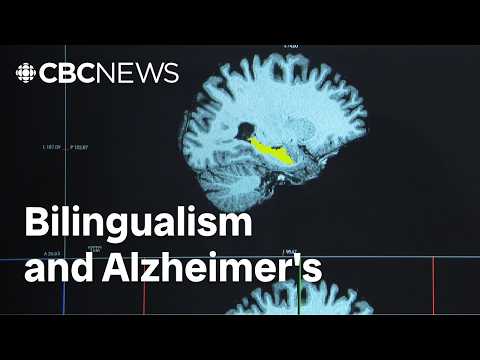
There's no cure for Alzheimer's. But could speaking 2 languages help?
0
VoiceTube posted on 2024/11/17Ever wondered if speaking another language could actually boost your brainpower and help ward off Alzheimer's? This fascinating video dives into a Concordia study exploring how bilingualism impacts cognitive reserve and the hippocampus, offering a unique look at aging well. You'll pick up some advanced vocabulary related to neuroscience and learn about the latest research in a super engaging way!
Learn this video on the APP!
The VoiceTube App has more in-depth practice for videos!