
above and beyond
US
UK
- Phrase
- More than what is expected or required; exceptional.
- Exceeding what is required by duty or obligation.
- Adjective
- Remarkable; outstanding.
B2Moreacorn
US /ˈeɪkɔ:rn/
UK /ˈeɪkɔ:n/
- Countable Noun
- The small round nut of an oak tree
B2Moreadapt
US /əˈdæpt/
UK /ə'dæpt/
- Transitive Verb
- To change something for a different function
- To change something to fit or suit a new purpose
- Intransitive Verb
- To change your behaviour so that it is easier to live in a new place or situation
B1TOEICMoreadvent
US /ˈædˌvɛnt/
UK /'ædvent/
- Noun
- First appearance of something important
B2Moreaffect
US /əˈfɛkt/
UK /ə'fekt/
- Transitive Verb
- To cause a change in something else
- To pretend to have or feel (something).
- Noun
- (Psychology) Emotion or feeling.
A2TOEICMorealong with
US /əˈlɔŋ wɪð/
UK /əˈlɔŋ wið/
- Preposition
- In addition to; together with.
- Adverb
- In company or together with someone or something.
- Including; in addition to.
A2Morealso known as
US
UK
- Phrase
- Also called; alternatively named.
- Identified by another term; synonymous with.
A1Moreancient
US /ˈenʃənt/
UK /'eɪnʃənt/
- Adjective
- Very old; having lived a very long time ago
- Relating to a period in history, especially in the distant past.
- Noun
- A person who lived in ancient times.
A2Moreas long as
US /æz lɔŋ æz/
UK /æz lɔŋ æz/
- Conjunction
- For the period that; provided that.
- For the length of time that
- Preposition
- On the condition that; providing that.
- Having the same length as.
A1Moreat least
US /æt list/
UK /æt li:st/
- Adverb
- As a minimum
- Not less than
- Phrase
- No less than; at the minimum
- Used to indicate that something is positive in a bad situation.
C2Moreat most
US /æt most/
UK /æt məust/
- Adverb
- Not more than; a maximum of.
- Phrase
- Used to indicate an upper limit or maximum quantity.
A1Moreat some point
US /æt sʌm pɔɪnt/
UK /æt sʌm pɔint/
- Phrase
- At an unspecified time, usually in the future.
A1Moreat the same time
US
UK
- Phrase
- Simultaneously; at the identical moment.
- Nevertheless; however; used to introduce a contrasting or qualifying statement.
A1Morebacteria
US /bækˈtɪriə/
UK /bæk'tɪərɪə/
- Noun (plural)
- The very small creatures that can cause disease
B2Morebacterium
US /bækˈtɪriəm/
UK /bæk'tɪərɪəm/
- Countable Noun
- The very small creatures that can cause disease
B2Morebarley
US /ˈbɑ:rli/
UK /ˈbɑ:li/
- Countable Noun
- Plant producing grain used in food and alcohol
B2Morebasically
US /ˈbesɪkəli,-kli/
UK /ˈbeɪsɪkli/
- Adverb
- Used before you explain something simply, clearly
- In essence; when you consider the most important aspects of something.
A2Morebehind the scenes
US
UK
- Phrase
- Secretly or without being known to the public.
- In a position to influence events without any public knowledge.
A1Morebrilliant
US /ˈbrɪljənt/
UK /'brɪlɪənt/
- Adjective
- Having a great amount of intelligence or talent
- Being very bright, like a diamond; shining
- Noun
- A diamond or other gem cut in a particular form with many facets to have exceptional brilliance.
A2Morebuild in
US
UK
- Phrasal Verb
- To include something as part of a plan, system, or design.
- To create something as a permanent or inherent feature.
A1Morecandy
US /ˈkændi/
UK /ˈkændi/
- Countable Noun
- Small sweet foods made mostly of sugar
- Transitive Verb
- To coat food with sugar
B2Morecause
US /kɔz/
UK /kɔ:z/
- Noun
- Belief, goal or organization that people support
- Reason for
- Transitive Verb
- To make something happen; create effect or result
A2Morecavity
US /ˈkævɪti/
UK /ˈkævəti/
- Noun
- Hole or empty space, especially in a tooth
- Hole in a tooth
B2Morechew
US /tʃu:/
UK /tʃu:/
- Verb (Transitive/Intransitive)
- To bite something many times without swallowing it
- Noun
- Act of biting something many times
B1Morecoca
US
UK
- Noun
- Type of South American plant used to make cocaine
C1Morecome along
US /kʌm əˈlɔŋ/
UK /kʌm əˈlɔŋ/
- Phrasal Verb
- To go with someone who takes the lead
- To make progress toward a goal
A1Morecome back
US /kʌm bæk/
UK /kʌm bæk/
- Phrasal Verb
- To reply to someone, often forcefully
- To be remembered
A1Moreconsistent
US /kənˈsɪstənt/
UK /kənˈsɪstənt/
- Adjective
- Agreeing with or being similar to another part
- In agreement; reliable
A2Moreculprit
US /ˈkʌlprɪt/
UK /ˈkʌlprɪt/
- Countable Noun
- Person who has done something wrong or illegal
B2Moredeal with
US /dil wɪð/
UK /di:l wið/
- Verb (Transitive/Intransitive)
- To buy or sell goods or services.
- Phrasal Verb
- To take action to solve a problem or manage a situation.
- To be about; concern.
A1Moredecay
US /dɪˈke/
UK /dɪˈkeɪ/
- Intransitive Verb
- To be slowly destroyed by natural processes; rot
- To lose health or strength
- Uncountable Noun
- Slow loss of physical or mental health
B1Moredespite the fact
US
UK
- Preposition
- In spite of; notwithstanding.
- Conjunction
- Even though; although.
A2Moredown with
US /daʊn wɪð/
UK /daun wið/
- Adjective
- Suffering from an illness.
- Agreeable to; in favor of.
- Interjection
- An expression of opposition to something.
A1Moreenamel
US /ɪˈnæməl/
UK /ɪˈnæml/
- Noun (Countable/Uncountable)
- A glass-like substance, glossy covering of an object; The covering of a tooth.
- Transitive Verb
- To cover something with enamel.
B2Moreerode
US /ɪˈrod/
UK /ɪ'rəʊd/
- Verb (Transitive/Intransitive)
- To destroy something gradually; be destroyed thus
- To wear away gradually by water, ice or wind
B1TOEICMoreevidence of
US
UK
- Phrase
- Facts, objects, or signs that make you believe that something is true.
- Something that shows that something else exists or is true.
A1Moreevolution
US /ˌɛvəˈluʃən, ˌivə-/
UK /ˌi:və'lu:ʃn/
- Uncountable Noun
- Theory that living things change over time
- Process by which something develops over time
B1Moreexploit
US /ɪkˈsplɔɪt/
UK /ɪk'splɔɪt/
- Transitive Verb
- To selfishly take advantage of or treat badly
- To use something in a very effective manner
- Noun (Countable/Uncountable)
- Personal journey or series of events
- A bold or daring feat.
B1TOEICMoreextinct
US /ɪkˈstɪŋkt/
UK /ɪkˈstɪŋkt/
- Adjective
- (Of animal, etc.) having died out; with none left
- (E.g. of volcano) not active
B1TOEICMorefiber
US /'faɪbə/
UK /'faɪbə/
- Noun (Countable/Uncountable)
- Basic character and nature of a person
- Stringy substance found in food, e.g. wholewheat
C2Morefigure out
US /ˈfɪɡjɚ aʊt/
UK /ˈfiɡə aut/
- Phrasal Verb
- To understand the behavior of someone
- To think through logically to find a solution
- Verb (Transitive/Intransitive)
- To understand or find an answer to something.
- To find a solution to a problem or understand something.
A1Moreflash back
US
UK
- Intransitive Verb
- To interrupt the present action of a story to depict an event that happened at an earlier time.
B2Morefor free
US /fɔr fri/
UK /fɔ: fri:/
- Phrase
- Without charge; at no cost.
- Adjective
- Available without payment.
A2Morefossil
US /ˈfɑsəl/
UK /'fɒsl/
- Noun (Countable/Uncountable)
- Plant or animal that became rock after many years
- A person or thing that is outdated or no longer useful.
- Adjective
- Relating to or resembling a fossil.
- Relating to or denoting energy generated from fossil fuels.
B1Moregather
US /ˈɡæðɚ/
UK /ˈgæðə(r)/
- Transitive Verb
- To bring objects together into one place
- To collect foods such as wild berries or crops
- Noun
- Fold in cloth, as in a full skirt
A2TOEICMoregenetic
US /dʒəˈnɛtɪk/
UK /dʒəˈnetɪk/
- Adjective
- Of, relating to, or controlled by genes
- Relating to genes or heredity.
B1Moreget at
US /ɡɛt æt/
UK /ɡet æt/
- Phrasal Verb
- To criticize someone, often personally
- To imply something; hint at
A1Morehave to
US /hæv tu/
UK /ˈhæv tə/
- Auxiliary Verb
- Must do
A1Morehuge
US /hjudʒ/
UK /hju:dʒ/
- Adjective
- Very very large
A2Morein addition to
US /ɪn əˈdɪʃən tu/
UK /in əˈdiʃən tu:/
- Preposition
- Besides; as well as
- Phrase
- Besides; as well as.
- Furthermore; moreover.
B1Morein fact
US /ɪn fækt/
UK /in fækt/
- Adverb
- Used to emphasize the truth of a statement, especially one that contrasts with or contradicts something else.
- Used to introduce a more detailed or surprising piece of information.
- Phrase
- Used to emphasize the truth of a statement, especially one that is surprising or contrary to what might be expected.
C1Morein general
US /ɪn ˈdʒɛnərəl/
UK /in ˈdʒenərəl/
- Phrase
- Typically; usually; on the whole.
- Not specific or detailed; broadly.
- Adjective
- Not detailed or specific; overall.
C2Morein the first place
US
UK
- Phrase
- To begin with; as the first point or consideration.
- From the beginning; initially.
A1Morein time
US /ɪn taɪm/
UK /in taim/
- Adverb
- Eventually; after a period of time.
- Not late; with enough time to spare.
- Phrase
- Eventually; before it is too late.
- According to the scheduled time; punctual.
A1Morein your face
US
UK
- Adjective
- Bold, aggressive, and confrontational.
A1Moreinterrupt
US /ˌɪntəˈrʌpt/
UK /ˌɪntə'rʌpt/
- Verb (Transitive/Intransitive)
- To stop something from happening for a while
- To stop someone from speaking by saying or doing something.
- Noun
- A signal that stops a computer from working on one thing and starts it working on something else.
B1TOEICMoreinvent
US /ɪnˈvɛnt/
UK /ɪnˈvent/
- Transitive Verb
- To create something such as a story or excuse
- To create something useful for the first time
A2TOEICMoreleft and right
US
UK
- Adverb
- In both the left and right directions.
- Everywhere; in all directions.
- Noun
- Referring to both liberal and conservative political viewpoints.
- Two opposing options or directions.
A1Morelink
US /lɪŋk/
UK /lɪŋk/
- Noun (Countable/Uncountable)
- Any one of the rings that are part of a chain
- Connection between two or more things or people
- Transitive Verb
- To join or connect together
- To associate or connect in one's mind.
A2TOEICMorelook at
US /lʊk æt/
UK /luk æt/
- Phrasal Verb
- To use your eyes to focus on something
- To focus your eyes on something carefully
A1Moremineral
US /ˈmɪnərəl/
UK /'mɪnərəl/
- Noun (Countable/Uncountable)
- Substance naturally formed in the ground
B1Moreneanderthal
US
UK
- Noun
- An early form of humans long since extinct
- An extinct species of human that lived in Europe and Asia during the Ice Age.
- Adjective
- Relating to or resembling Neanderthals; uncivilized, unintelligent, or boorish.
- Relating to the DNA or genetic makeup of Neanderthals.
C1Moreon earth
US /ɑn ɚθ/
UK /ɔn ə:θ/
- Phrase
- Used to emphasize a question expressing surprise or anger.
- Used to emphasize that something is not possible or will not happen.
A1Moreon end
US /ɑn ɛnd/
UK /ɔn end/
- Phrase
- Continuously; without stopping.
- In an upright position; standing vertically.
A1Moreon the surface
US /ɑn ði ˈsɚfəs/
UK /ɔn ðə ˈsə:fis/
- Phrase
- Appearing to be true or real until examined more closely.
- Located on the outer part or uppermost layer of something.
B2Morepathogen
US /ˈpæθədʒən/
UK /ˈpæθədʒən/
- Noun
- Any disease-producing agent
C1Morepeek
US /pik/
UK /pi:k/
- Intransitive Verb
- To look at something quickly (often secretly)
- Noun
- A quick look at something (often secretly)
B2Moreplague
US /pleɡ/
UK /pleɪɡ/
- Transitive Verb
- To cause to have continual problems with something
- Noun (Countable/Uncountable)
- (Deadly) disease passing rapidly between people
- An unusually large number of insects or animals infesting a place and causing damage.
B1Moreplaque
US /plæk/
UK /plæk/
- Noun (Countable/Uncountable)
- Sign on building as a reminder of an event/person
- Hard matter that can build up on your teeth
B2TOEICMorepop off
US
UK
- Phrasal Verb
- To leave a place, usually for a short time.
- To die (informal).
A2Moreprioritize
US /praɪˈɔ:rətaɪz/
UK /praɪˈɒrətaɪz/
- Transitive Verb
- To rank things in importance
B1TOEICMorerot
US /rɑ:t/
UK /rɒt/
- Intransitive Verb
- To break down into pieces through dying; decay
- Uncountable Noun
- The process or state of decaying or rotting.
- Foolish or nonsensical talk or ideas.
B2Moresame time
US
UK
- Phrase
- Occurring simultaneously or at the same point in time.
- At the identical time as before; recurring at a fixed hour.
- Noun
- An equal duration or period.
A1Morescience
US /ˈsaɪəns/
UK /'saɪəns/
- Uncountable Noun
- Study of the physical world, based on facts
A2TOEICMoresite
US /saɪt/
UK /saɪt/
- Noun (Countable/Uncountable)
- Place that is reserved for a particular activity
- Location of building work
- Transitive Verb
- To place something in a particular position, area
A2TOEICMorestarchy
US /ˈstɑrtʃi/
UK /'stɑ:tʃɪ/
- Adjective
- Consisting of or containing starch
B2Moresuck
US /sʌk/
UK /sʌk/
- Intransitive Verb
- To be very bad, undesirable or unpleasant
- Transitive Verb
- To pull or remove something with great power
- To attract someone; make someone interested
B1Moresusceptible
US /səˈsɛptəbəl/
UK /səˈseptəbl/
- Adjective
- Likely to fall prey to, be drawn to or influenced
- At risk of developing a certain illness or problem
B2TOEICMoresweet tooth
US /swit tuθ/
UK /swi:t tu:θ/
- Noun
- A great liking for sweet foods.
A1Morethrill
US /θrɪl/
UK /θrɪl/
- Noun (Countable/Uncountable)
- Thing/event causing sudden excitement or pleasure
- A sudden feeling of fear or excitement.
- Verb (Transitive/Intransitive)
- To feel sudden excitement or pleasure
- To cause someone to feel excited and pleased.
A2Morevariation
US /ˌvɛriˈeʃən, ˈvær-/
UK /ˌveəriˈeɪʃn/
- Noun (Countable/Uncountable)
- Something almost the same as another but different
- Music played with a different tune from another
A2TOEICMorewheat
US /hwit, wit/
UK /wi:t/
- Uncountable Noun
- A kind of grain that is used to make flour
B1Morewild
US /waɪld/
UK /waɪld/
- Adverb
- In a manner which lacks control
- Adjective
- Living in nature; not tame
- (Of land) not developed by people
A2More
Vocabulary
- at least: As a minimum
- have to: Must do
- at some point: At an unspecified time, usually in the future.
- along with: In addition to; together with.
- in your face: Bold, aggressive, and confrontational.
- left and right: In both the left and right directions.
- down with: Suffering from an illness.
- at the same time: Simultaneously; at the identical moment.
- same time: Occurring simultaneously or at the same point in time.
- figure out: To understand the behavior of someone
- in time: Eventually; after a period of time.
- also known as: Also called; alternatively named.
- get at: To criticize someone, often personally
- on the surface: Appearing to be true or real until examined more closely.
- come back: To reply to someone, often forcefully
- as long as: For the period that; provided that.
- sweet tooth: A great liking for sweet foods.
- on end: Continuously; without stopping.
- pop off: To leave a place, usually for a short time.
- on earth: Used to emphasize a question expressing surprise or anger.
- in general: Typically; usually; on the whole.
- flash back: To interrupt the present action of a story to depict an event that happened at an earlier time.
- despite the fact: In spite of; notwithstanding.
- evidence of: Facts, objects, or signs that make you believe that something is true.
- in the first place: To begin with; as the first point or consideration.
- above and beyond: More than what is expected or required; exceptional.
- build in: To include something as part of a plan, system, or design.
- behind the scenes: Secretly or without being known to the public.
- for free: Without charge; at no cost.
- look at: To use your eyes to focus on something
- at most: Not more than; a maximum of.
- in addition to: Besides; as well as
- in fact: Used to emphasize the truth of a statement, especially one that contrasts with or contradicts something else.
- deal with
- come along: To go with someone who takes the lead
- susceptible: Likely to fall prey to, be drawn to or influenced
- figure: To appear in a game, play or event
- prioritize: To rank things in importance
- evidence: Factual proof that helps to establish the truth
- basically: Used before you explain something simply, clearly
- ancient: Very old; having lived a very long time ago
- consistent: Agreeing with or being similar to another part
- brilliant: Having a great amount of intelligence or talent
- culprit: Person who has done something wrong or illegal
- bacteria: The very small creatures that can cause disease
- environment: Natural world in which plants and animals live
- exist: To be present, alive or real
- exploit: To selfishly take advantage of or treat badly
- affect: To cause a change in something else
- suck: To be very bad, undesirable or unpleasant
- genetic: Of, relating to, or controlled by genes
- adapt: To change something for a different function
- cause: Belief, goal or organization that people support
- huge: Very very large
- plague: To cause to have continual problems with something
- interrupt: To stop something from happening for a while
- evolution: Theory that living things change over time
- thrill: Thing/event causing sudden excitement or pleasure
- fiber: Basic character and nature of a person
- variation: Something almost the same as another but different
- extinct: (Of animal, etc.) having died out; with none left
- advent: First appearance of something important
- pathogen: Any disease-producing agent
- fossil: Plant or animal that became rock after many years
- erode: To destroy something gradually; be destroyed thus
- wild: In a manner which lacks control
- mineral: Substance naturally formed in the ground
- science: Study of the physical world, based on facts
- decay: To be slowly destroyed by natural processes; rot
- wheat: A kind of grain that is used to make flour
- learn: To get knowledge or skills by study or experience
- fact: Something that is known or proved to be true
- chew: To bite something many times without swallowing it
- gather: To bring objects together into one place
- modern: Of the present time; up to date; contemporary
- rot: To break down into pieces through dying; decay
- worse: Comparative of 'bad'; more bad
- invent: To create something such as a story or excuse
- cavity: Hole or empty space, especially in a tooth
- peek: To look at something quickly (often secretly)
- plaque: Sign on building as a reminder of an event/person
- start: First time or place that a thing exists; beginning
- enamel: A glass-like substance, glossy covering of an object; The covering of a tooth.
- link: Any one of the rings that are part of a chain
- bacterium: The very small creatures that can cause disease
- site: Place that is reserved for a particular activity
- work: The product of some artistic or literary endeavor
- human: A person; a man, woman or child
- happen: To take place or occur
- starchy: Consisting of or containing starch
- earth: Wire connecting an electrical device to the ground
- people: Persons sharing culture, country, background, etc.
- long: Person's name
- barley: Plant producing grain used in food and alcohol
- acorn: The small round nut of an oak tree
- candy: Small sweet foods made mostly of sugar
- neanderthal: An early form of humans long since extinct
- coca: Type of South American plant used to make cocaine
Get the full experience in the app
Learn anywhere with detailed sentence and usage analysis
01:03
She took a brave step forward, leaving behind her comfort zone to chase her dreams.
Vocabulary
- brave
adj. Having courage
- comfort zone
phr. A familiar situation where one feels safe
Explanation
a brave step is a noun phrase, where brave is an adjective modifying the noun step, meaning "a courageous step".
forward is an adverb modifying step, meaning "ahead".
The whole phrase serves as the object, answering the "what" of took (verb) — she took a brave step forward.
Get the full experience in the app
Look up words anytime with pronunciation, part of speech, and usage
brave
US/brev/
UK/breɪv/
adj.Brave
v.t.To bravely face
A2 Elementary
Get the full experience in the app
Practice speaking anytime and get instant pronunciation feedback
Try this speaking exercise.
Try practicing with this sentence.
80
When Did We Start Getting Cavities?
0
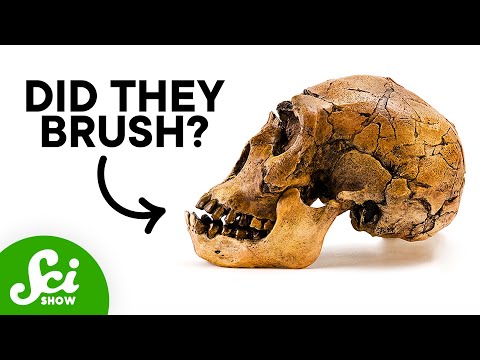
VoiceTube posted on 2024/07/19Ever wondered why cavities seem to be everywhere these days? This video dives into the fascinating history of tooth decay, linking it all the way back to the Agricultural Revolution and exploring the science behind our oral microbiome. You'll pick up some awesome advanced vocabulary related to health and evolution while learning why our teeth changed over time!
Learn this video on the APP!
The VoiceTube App has more in-depth practice for videos!