pathogen
US /ˈpæθədʒən/
・UK /ˈpæθədʒən/
C1
n.NounAny disease-producing agent
Airborn pathogens are extremely dangerous
Video subtitles
3 People Who Probably Saved Your Life
- Then once you've got a good working supply, you can work on weakening that pathogen to turn it into a vaccine.
Then once you've got a good working supply, you can work on weakening that pathogen to turn it into a vaccine.
- Then, once you’ve got a good working supply, you can work on weakening that pathogen to
Then, once you’ve got a good working supply, you can work on weakening that pathogen to
The actual problem with vaccines

- Subunit vaccines like hepatitis B or influenza use a specific protein or carbohydrate from the pathogen that will still trigger an immune response.
Subunit vaccines like hepatitis B or influenza use a specific protein or carbohydrate from the pathogen that will still trigger an immune response.
- Subunit vaccines like hepatitis B or influenza use a specific protein or carbohydrate from the pathogen that will still trigger an immune response.
Subunit vaccines like hepatitis B or influenza use a specific protein or carbohydrate from the pathogen that will still trigger an immune response.
The evolutionary logic of survival and death, in 54 minutes | Sean B. Carroll: Full Interview

- but these cells have different molecules on their surface that when they are complementary to molecules on the surface of a pathogen, they're activated, they're engaged.
but these cells have different molecules on their surface that when they are complementary to molecules on the surface of a pathogen, they're activated, they're engaged.
- Now, that something else could be any variety of things on an invading pathogen.
Now, that something else could be any variety of things on an invading pathogen.
Everything you need to know about BIRD FLU

- H5N1, the current subtype of BIRD FLU being talked about, is an influenza A virus, which are the kind of viruses responsible for the most global pandemics in human history more than any other pathogen.
H5N1, the current subtype of BIRD FLU being talked about, is an influenza A virus, which are the kind of viruses responsible for the most global pandemics in human history more than any other pathogen.
- H5N1, the current subtype of bird flu being talked about is an influenza A virus, which are the kind of viruses responsible for the most global pandemics in human history more than any other pathogen.
H5N1, the current subtype of bird flu being talked about is an influenza A virus, which are the kind of viruses responsible for the most global pandemics in human history more than any other pathogen.
The Lymphatic System Overview, Animation
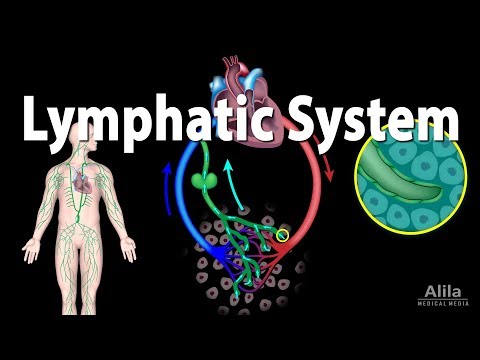
- They also contain lymphocytes: T-cells and B-cells, which are involved in adaptive immune response, a process that produces activated lymphocytes and antibodies specific to the invading pathogen.
They also contain lymphocytes: T-cells and B-cells, which are involved in adaptive immune response, a process that produces activated lymphocytes and antibodies specific to the invading pathogen.
- invading pathogen.
invading pathogen.
What Happens to Your Body RIGHT AFTER You Get an Infection?

- such as an increase in body temperature to inactivate the pathogen and the production of antibodies by the white blood cells, which attach to the harmful microbes and kill them.
such as an increase in body temperature to inactivate the pathogen and the production of antibodies by the white blood cells, which attach to the harmful microbes and kill them.
- But if the first immune reaction doesn't suppress the pathogen, the next stage begins, which is the illness.
But if the first immune reaction doesn't suppress the pathogen, the next stage begins, which is the illness.
Human Phtsiology - Introduction to the Immune System
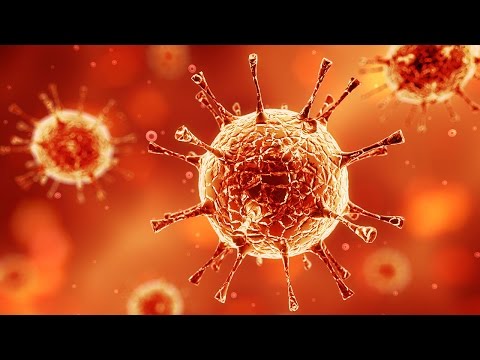
- on the name you would think that this pathogen only affects females. That’s not true. Men
on the name you would think that this pathogen only affects females. That’s not true. Men
- and based on the name, you would think that this pathogen only affects females.
and based on the name, you would think that this pathogen only affects females.
The 10 DEADLIEST Natural Disasters in History!

- However, an analysis of DNA from victims in northern and southern Europe published in 2010 and 2011 indicates that the pathogen responsible was the Yersinia pestis bacterium, causing several forms of the plague.
However, an analysis of DNA from victims in northern and southern Europe published in 2010 and 2011 indicates that the pathogen responsible was the Yersinia pestis bacterium, causing several forms of the plague.
- indicates that the pathogen responsible was the
indicates that the pathogen responsible was the
Polysaccharide
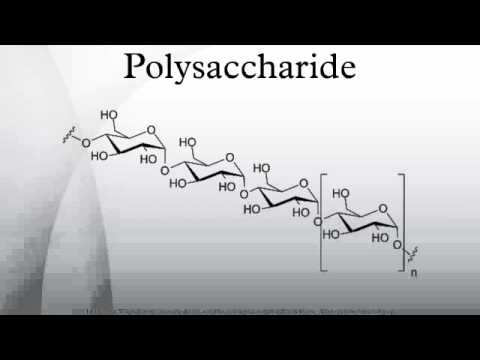
- They serve as a barrier between the cell wall and the environment, mediate host-pathogen interactions,
They serve as a barrier between the cell wall and the environment, mediate host-pathogen interactions,
- Lipopolisaccharide is one of the most important cell surface polysaccharides, as it plays a key structural role in outer membrane integrity, as well as being an important mediator of host-pathogen interactions.
Lipopolisaccharide is one of the most important cell surface polysaccharides, as it plays a key structural role in outer membrane integrity, as well as being an important mediator of host-pathogen interactions.
What is a Game?: Crash Course Games #1

- Well, it turns out Corrupted Blood was kind of like a real world pathogen and it got out of
Well, it turns out Corrupted Blood was kind of like a real world pathogen and it got out of
- Well, it turns out Corrupted Blood was kind of like a real-world pathogen.
Well, it turns out Corrupted Blood was kind of like a real-world pathogen.