
achieve
US /əˈtʃiv/
UK /ə'tʃi:v/
- Transitive Verb
- To succeed in doing good, usually by working hard
- To succeed in reaching a particular goal, status, or standard, often after effort or perseverance.
A2TOEICMoreaddiction
US /əˈdɪkʃən/
UK /əˈdɪkʃn/
- Noun (Countable/Uncountable)
- Lack of control the overuse of something e.g. drugs
- A compulsive physiological need for a habit-forming substance.
B1TOEICMoreaddictive
US /əˈdɪktɪv/
UK /əˈdɪktɪv/
- Adjective
- Being powerless to stop doing or using something
B1Morealcohol
US /ˈælkəˌhɔl,-ˌhɑl/
UK /'ælkəhɒl/
- Uncountable Noun
- A colorless liquid that can catch fire (C2H5OH)
- Drinks such as wine, whiskey, beer
B1Morealleviate
US /əˈliviˌet/
UK /əˈli:vieɪt/
- Transitive Verb
- To lessen the severity of something
B2TOEICMoreaside from
US /əˈsaɪd frʌm/
UK /əˈsaid frɔm/
- Phrase
A1Moreboredom
US /ˈbɔrdəm, ˈbor-/
UK /ˈbɔ:dəm, ˈbəʊr-/
- Uncountable Noun
- Feeling of being uninterested or unexcited
B1Morecharacter
US /ˈkærəktɚ/
UK /'kærəktə(r)/
- Noun
- Person in a story, movie or play
- Writing symbols, e.g. alphabet or Chinese writing
A2Morecompassion
US /kəmˈpæʃən/
UK /kəmˈpæʃn/
- Uncountable Noun
- Feeling of wanting to help suffering people
- Actions that demonstrate care and concern for others.
B2Moreconsciously
US /ˈkɑnʃəslɪ/
UK /'kɒnʃəslɪ/
- Adverb
- In a manner that is aware, and on purpose
- With full awareness of what one is doing.
B1Moreconstant battle
US
UK
- Noun
- A continuous and persistent struggle or conflict.
- An internal and never-ending conflict within oneself.
B2Moreconsumption
US /kənˈsʌmpʃən/
UK /kənˈsʌmpʃn/
- Noun (Countable/Uncountable)
- The act of buying and using products
- The act of using energy, food or materials; the amount used
B1Morecontribute
US /kənˈtrɪbjut/
UK /kən'trɪbju:t/
- Verb (Transitive/Intransitive)
- To be a factor in causing something to happen
- To donate, give (money) or help to something
A2Morecope with
US /kop wɪð/
UK /kəup wið/
- Phrasal Verb
- To deal successfully with a difficult situation.
A1Morecoping mechanism
US
UK
- Noun
- A psychological strategy used to manage stress or emotional distress.
B2Moredeal with
US /dil wɪð/
UK /di:l wið/
- Verb (Transitive/Intransitive)
- To buy or sell goods or services.
- Phrasal Verb
- To take action to solve a problem or manage a situation.
- To be about; concern.
A1Moredepending on
US
UK
- Phrasal Verb
- To rely on for support (financial or emotional)
- Influenced or determined by.
- Preposition
- Subject to; contingent on
- Relying on someone or something for support or assistance.
A2Moredown the line
US /daʊn ði laɪn/
UK /daun ðə lain/
- Phrase
- At a later time; in the future.
- Completely; entirely; all the way.
- Adjective
- In agreement or accordance with something.
A1Moredread
US /drɛd/
UK /dred/
- Verb (Transitive/Intransitive)
- To await with great fear
B2Moreengage
US /ɪn'gedʒ/
UK /ɪn'ɡeɪdʒ/
- Transitive Verb
- To start to fight with an enemy
- To hire someone for a task or job
A2TOEICMoreengage in
US /ɪn'gedʒ ɪn/
UK /ɪnˈɡeɪdʒ in/
- Phrasal Verb
- To participate or become involved in something.
B1Moreessence
US /ˈɛsəns/
UK /'esns/
- Uncountable Noun
- Most important part or quality of something
- Substance that has a very strong, unique smell
B1TOEICMoreesteem
US /ɪˈstim/
UK /ɪˈsti:m/
- Uncountable Noun
- Feeling of respect or admiration regarding someone
- Transitive Verb
- To regard with great respect or admiration
B2TOEICMoreexposure
US /ɪkˈspoʒɚ/
UK /ɪk'spəʊʒə(r)/
- Noun
- Allowing light through a cameras lens onto film
- Being talked about in the media
A2TOEICMorefactor in
US /ˈfæktɚ ɪn/
UK /ˈfæktə in/
- Phrasal Verb
- To include something as an important element when making a decision or calculation.
B2Morefit in
US /fɪt ɪn/
UK /fit in/
- Phrasal Verb
- To mix with others so you get on well with them
A2Morefor example
US
UK
- Phrase
- As an illustration or instance.
go at it
US
UK
- Phrasal Verb
- To start doing something with a lot of energy and enthusiasm.
- To attack or fight someone.
A1Morehave to
US /hæv tu/
UK /ˈhæv tə/
- Auxiliary Verb
- Must do
A1Moreimitate
US /ˈɪmɪˌtet/
UK /ˈɪmɪteɪt/
- Transitive Verb
- To act, speak like someone or something else
B2Moreimpulsive
US /ɪmˈpʌlsɪv/
UK /ɪmˈpʌlsɪv/
- Adjective
- Acting without really thinking about it; rash
- (Psychology) Relating to or characterized by a sudden, involuntary inclination to do something.
B2Morein essence
US /ɪn ˈɛsəns/
UK /in ˈesns/
- Phrase
- Used to summarize the main point.
- Relating to the most important aspect of something.
A1Morein other words
US
UK
- Phrase
- Stating something in a different way, often to make it clearer or more understandable.
in the first place
US
UK
- Phrase
- To begin with; as the first point or consideration.
- From the beginning; initially.
A1Morein with
US /ɪn wɪð/
UK /in wið/
- Phrase
- Fashionable or popular at the moment.
- Having influence or favor with someone.
- Phrasal Verb
- To introduce or bring something new into a system or organization.
A1Moreinadequate
US /ɪnˈædɪkwɪt/
UK /ɪnˈædɪkwət/
- Adjective
- Unsatisfactory; not good enough; not enough
B1Moreinstead of
US /ɪnˈstɛd ʌv/
UK /inˈsted ɔv/
- Preposition
- When one thing is replaced by another
- Adverb
- As a substitute or alternative.
A1Morelead to
US /lid tu/
UK /li:d tu:/
- Phrasal Verb
- To result in some action
- Verb (Transitive/Intransitive)
- To have something as a consequence or result.
A1Morelikelihood
US /ˈlaɪkliˌhʊd/
UK /ˈlaɪklihʊd/
- Uncountable Noun
- Chance that something might happen
B1TOEICMorenecessarily
US /ˌnɛsɪˈsɛrəli, -ˈsɛr-/
UK /ˌnesəˈserəli/
- Adverb
- In a way that is needed/required/is unavoidable
A2TOEICMorenegative
US /ˈnɛɡətɪv/
UK /'neɡətɪv/
- Noun
- The opposite to a positive electrical charge
- In grammar, containing words such as 'no' or 'not'
- Adjective
- Being harmful, unwanted or unhelpful
- In mathematics, being less than zero
A2Morenovelty
US /ˈnɑ:vlti/
UK /ˈnɒvlti/
- Noun (Countable/Uncountable)
- Items that are unusual, interesting, or unique
B2TOEICMorenutrition
US /nuˈtrɪʃən, nju-/
UK /njuˈtrɪʃn/
- Uncountable Noun
- Scientific study of the effects of foods on health
- Food and other things you eat or drink
B1Morepotential
US /pəˈtɛnʃəl/
UK /pəˈtenʃl/
- Adjective
- Capable of happening or becoming reality
- Having or showing the capacity to develop into something in the future.
- Uncountable Noun
- someone's or something's ability to develop, achieve, or succeed
A2TOEICMorepotentially
US /pəˈtɛnʃəlɪ/
UK /pə'tenʃəlɪ/
- Adverb
- That could happen or become reality
B1Morepressure
US /ˈprɛʃɚ/
UK /'preʃə(r)/
- Noun (Countable/Uncountable)
- Anxiety caused by difficult problems
- Force, weight when pressing against a thing
- Transitive Verb
- To apply force to something
- To persuade or force someone to do something
A2TOEICMoreprocrastination
US /proʊˌkræstɪ'neɪʃn/
UK /prəʊˌkræstɪ'neɪʃn/
- Uncountable Noun
- Act of putting off something you ought to do
C2TOEICMorereach out
US /ritʃ aʊt/
UK /ri:tʃ aut/
- Phrasal Verb
- To attempt to communicate with someone.
- To offer help and support to someone.
B1Moreroutine
US /ruˈtin/
UK /ru:ˈti:n/
- Adjective
- Happening or done regularly or habitually
- Always the same; boring through lack of variety
- Noun (Countable/Uncountable)
- Regular or habitual way of behaving or doing
- Series of actions that make up a performance
A2TOEICMoresensation
US /sɛnˈseʃən/
UK /sen'seɪʃn/
- Noun
- (Person) attracting the interest of many people
- Mental feeling caused by a previous experience
B1Moresignificant
US /sɪɡˈnɪfɪkənt/
UK /sɪgˈnɪfɪkənt/
- Adjective
- Large enough to be noticed or have an effect
- Having meaning; important; noticeable
A2TOEICMorespecific
US /spɪˈsɪfɪk/
UK /spəˈsɪfɪk/
- Adjective
- Precise; particular; just about that thing
- Concerning one particular thing or kind of thing
A2Morespontaneous
US /spɑnˈteniəs/
UK /spɒnˈteɪniəs/
- Adjective
- Happening on its own, without anyone helping it
B1Morestep to
US
UK
- Phrasal Verb
- To approach someone or something, often with a specific purpose.
- To challenge or confront someone, often aggressively.
A1Morestimulus
US /ˈstɪmjələs/
UK /ˈstɪmjələs/
- Noun
- Something that causes a change
B2Morestress
US / strɛs/
UK /stres/
- Transitive Verb
- To emphasize one or more parts of a word, sentence
- To put pressure on something or someone
- Noun (Countable/Uncountable)
- Emphasis on part of a word or sentence
- Pressure on something or someone
A2TOEICMoresubstance
US /ˈsʌbstəns/
UK /'sʌbstəns/
- Uncountable Noun
- Essence of; most basic or central qualities
- Particular type of material
A2Moresubstance use
US
UK
- Uncountable Noun
- The use of drugs, alcohol, or other substances.
- The use of drugs, alcohol, or other substances, especially when problematic.
A1Moresuch as
US /sʌtʃ æz/
UK /sʌtʃ æz/
- Preposition
- For example; like
A1Moretackle
US /ˈtækəl/
UK /'tækl/
- Transitive Verb
- To start working on a difficult problem
- To grab and throw a person to the ground
- Noun (Countable/Uncountable)
- Equipment used in fishing
- Arrangement of ropes and wheels used for lifting
B1TOEICMoretend
US /tɛnd/
UK /tend/
- Intransitive Verb
- To move or act in a certain manner
- Transitive Verb
- To take care of
A2Morethink about
US /θɪŋk əˈbaʊt/
UK /θiŋk əˈbaut/
- Phrasal Verb
- To consider something carefully.
- To remember or call to mind.
A1Moretrait
US /tret/
UK /treɪt/
- Noun (Countable/Uncountable)
- A particular characteristic that can produce a particular type of behavior
- A genetically determined characteristic or condition.
C2Moretune out
US /tun aʊt/
UK /tju:n aut/
- Phrasal Verb
- To stop paying attention to something; ignore
A1Moreunconsciously
US /ʌnˈkɑnʃəslɪ/
UK /ʌnˈkɒnʃəsli/
- Adverb
- Without thinking; not deliberately
- Without intending to; involuntarily.
B1Morework in
US /wɚk ɪn/
UK /wə:k in/
- Phrasal Verb
- To make an opening for something in your schedule
- To fit person/thing into a schedule or sequence
A1More
Vocabulary
- engage in: To participate or become involved in something.
- in other words: Stating something in a different way, often to make it clearer or more understandable.
- step to: To approach someone or something, often with a specific purpose.
- for example: As an illustration or instance.
- lead to: To result in some action
- down the line: At a later time; in the future.
- depending on: To rely on for support (financial or emotional)
- in the first place: To begin with; as the first point or consideration.
- think about: To consider something carefully.
- such as: For example; like
- in essence: Used to summarize the main point.
- coping mechanism: A psychological strategy used to manage stress or emotional distress.
- work in: To make an opening for something in your schedule
- instead of: When one thing is replaced by another
- deal with
- aside from
- factor in: To include something as an important element when making a decision or calculation.
- tune out: To stop paying attention to something; ignore
- substance use: The use of drugs, alcohol, or other substances.
- fit in: To mix with others so you get on well with them
- in with: Fashionable or popular at the moment.
- cope with: To deal successfully with a difficult situation.
- have to: Must do
- go at it: To start doing something with a lot of energy and enthusiasm.
- constant battle: A continuous and persistent struggle or conflict.
- reach out: To attempt to communicate with someone.
- specific: Precise; particular; just about that thing
- potential: Capable of happening or becoming reality
- significant: Large enough to be noticed or have an effect
- engage: To start to fight with an enemy
- trait: A particular characteristic that can produce a particular type of behavior
- imitate: To act, speak like someone or something else
- routine: Happening or done regularly or habitually
- term: Conditions applying to an agreement, contract
- esteem: Feeling of respect or admiration regarding someone
- tackle: To start working on a difficult problem
- potentially: That could happen or become reality
- negative: The opposite to a positive electrical charge
- procrastination: Act of putting off something you ought to do
- tend: To move or act in a certain manner
- character: Person in a story, movie or play
- sensation: (Person) attracting the interest of many people
- compassion: Feeling of wanting to help suffering people
- treat: To pay for the food or enjoyment of someone else
- spontaneous: Happening on its own, without anyone helping it
- dread: To await with great fear
- exposure: Allowing light through a cameras lens onto film
- necessarily: In a way that is needed/required/is unavoidable
- develop: To explain something in steps and in detail
- achieve: To succeed in doing good, usually by working hard
- consumption: The act of buying and using products
- substance: Essence of; most basic or central qualities
- stress: To emphasize one or more parts of a word, sentence
- contribute: To be a factor in causing something to happen
- environment: Natural world in which plants and animals live
- pressure: Anxiety caused by difficult problems
- increase: To make or become larger in size or amount
- alleviate: To lessen the severity of something
- deal: To cope with something - usually troubles
- addiction: Lack of control the overuse of something e.g. drugs
- essence: Most important part or quality of something
- impulsive: Acting without really thinking about it; rash
- behavior: The way a person or thing acts; manner
- simply: In an easy or clear manner
- novelty: Items that are unusual, interesting, or unique
- form: Sports team or person's current winning record
- create: To make, cause, or bring into existence
- consciously: In a manner that is aware, and on purpose
- nutrition: Scientific study of the effects of foods on health
- risk: To do something potentially dangerous or foolish
- lead: Wire for electricity, computer, etc.; cable
- alcohol: A colorless liquid that can catch fire (C2H5OH)
- likelihood: Chance that something might happen
- boredom: Feeling of being uninterested or unexcited
- social: Involving activity with people, e.g. in free time
- unconsciously: Without thinking; not deliberately
- addictive: Being powerless to stop doing or using something
- inadequate: Unsatisfactory; not good enough; not enough
- pain: Strong feeling of hurt or discomfort
- stimulus: Something that causes a change
- support: To give assistance or advice to someone
Get the full experience in the app
Learn anywhere with detailed sentence and usage analysis
01:03
She took a brave step forward, leaving behind her comfort zone to chase her dreams.
Vocabulary
- brave
adj. Having courage
- comfort zone
phr. A familiar situation where one feels safe
Explanation
a brave step is a noun phrase, where brave is an adjective modifying the noun step, meaning "a courageous step".
forward is an adverb modifying step, meaning "ahead".
The whole phrase serves as the object, answering the "what" of took (verb) — she took a brave step forward.
Get the full experience in the app
Look up words anytime with pronunciation, part of speech, and usage
brave
US/brev/
UK/breɪv/
adj.Brave
v.t.To bravely face
A2 Elementary
Get the full experience in the app
Practice speaking anytime and get instant pronunciation feedback
Try this speaking exercise.
Try practicing with this sentence.
80
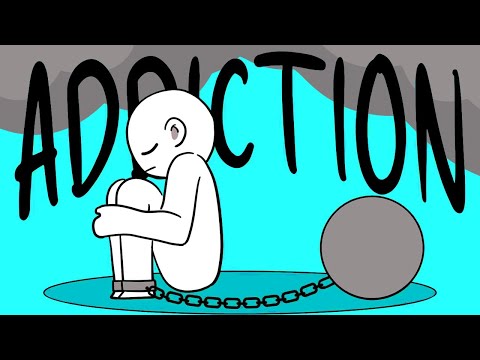
Why Your Addiction Is Hard To Beat
0
林宜悉 posted on 2023/12/26Ever wonder why some habits are so tough to break? This video dives into the fascinating psychology behind addiction, exploring traits like impulsivity and sensation-seeking with insights from Anna Lembke. You'll pick up practical advice and advanced vocabulary to better understand yourself and the world around you!
Learn this video on the APP!
The VoiceTube App has more in-depth practice for videos!