trait
US /tret/
・UK /treɪt/
C2
n. (c./u.)Noun (Countable/Uncountable)A particular characteristic that can produce a particular type of behavior
His best trait is that everybody likes is his honesty
n. (c./u.)Noun (Countable/Uncountable)A genetically determined characteristic or condition.
Eye color is a genetic trait.
Video subtitles
An Antidote to Dissatisfaction
- It's a character trait, a feeling, a virtue, and a behaviour.
It's a character trait, a feeling, a virtue, and a behaviour.
- It's a character trait, a feeling, a virtue
It's a character trait, a feeling, a virtue
Impulse Buying: Why You Buy Stuff You Don't Need

- Your spending habits may also be influenced by another personality trait, whether you're what psychologists call a maximizer or a satisficer.
Your spending habits may also be influenced by another personality trait, whether you're what psychologists call a maximizer or a satisficer.
- Your spending habits may also be influenced by another personality trait, whether you're what psychologists call a maximizer or a satisficer.
Your spending habits may also be influenced by another personality trait, whether you're what psychologists call a maximizer or a satisficer.
Phases of Meiosis
- They might have different versions or different alleles for a gene or for a certain trait,
They might have different versions or different alleles for a gene or for a certain trait,
- for a gene or for a certain trait,
for a gene or for a certain trait,
5 simple ways to be more attractive, according to science :)

- Now, this trait, I guess, isn't always necessarily good or used for good.
Now, this trait, I guess, isn't always necessarily good or used for good.
- Now, this trait, I guess, isn't always necessarily good or used for good.
Now, this trait, I guess, isn't always necessarily good or used for good.
如何在任何情況下都保持冷靜,永遠不再生氣 ► Dr Peter Attia 彼得-阿提亞(中英字幕)

- They proposed that I could shed this trait if I was willing to do a certain amount of work.
They proposed that I could shed this trait if I was willing to do a certain amount of work.
- They proposed that I could shed this trait if I was willing to do a certain amount of work.
They proposed that I could shed this trait if I was willing to do a certain amount of work.
What BRITS REALLY THINK About the POLISH | Easy English 190

- Obviously, saying that, maybe not everyone is, but it's probably like a common sort of, you know, trait in them that they have.
Obviously, saying that, maybe not everyone is, but it's probably like a common sort of, you know, trait in them that they have.
- but it is probably a common sort of trait in them that they have.
but it is probably a common sort of trait in them that they have.
Human Origins 101 | National Geographic
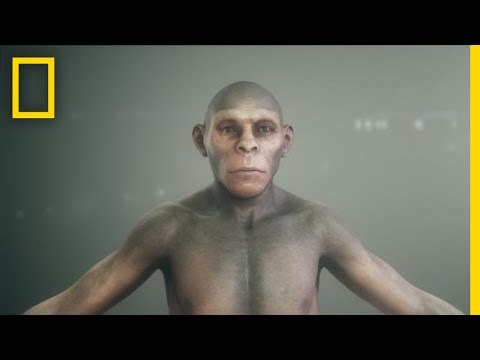
- However, changes in the skull, spine and legs indicate a notable shift toward a very human-like trait:
However, changes in the skull, spine and legs indicate a notable shift toward a very human-like trait:
- legs indicate a notable shift toward a very human-like trait: consistent bipedal locomotion.
legs indicate a notable shift toward a very human-like trait: consistent bipedal locomotion.
Become better at talking to people ?️

- In psychology, there's also this really interesting principle known as spontaneous trait transference.
In psychology, there's also this really interesting principle known as spontaneous trait transference.
- In psychology, there's also this really interesting principle known as spontaneous trait transference.
In psychology, there's also this really interesting principle known as spontaneous trait transference.
The History of Gout | The Disease of Kings
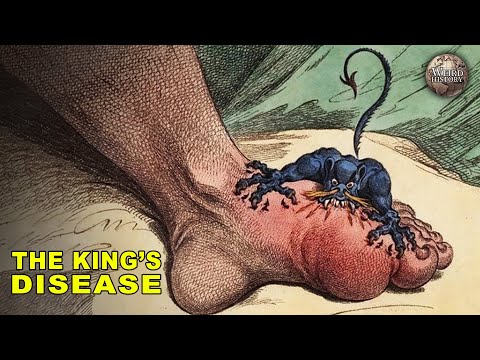
- For centuries, the most glaringly apparent and widely understood trait associated with gout was its penchant for feet.
For centuries, the most glaringly apparent and widely understood trait associated with gout was its penchant for feet.
- understood trait associated with gout was its penchant for feet.
understood trait associated with gout was its penchant for feet.
5 SHOCKING Benefits Of Meditation (Animated)
- And in my opinion, self-awareness is the number one most important trait when it comes to being successful in business, relationships, school, or really anything at all in life.
And in my opinion, self-awareness is the number one most important trait when it comes to being successful in business, relationships, school, or really anything at all in life.
- is the number one most important trait
is the number one most important trait