
activate
US /ˈæktəˌvet/
UK /ˈæktɪveɪt/
- Transitive Verb
- To cause to happen; cause a chemical reaction
- To make something start working
B1Moreaffect
US /əˈfɛkt/
UK /ə'fekt/
- Transitive Verb
- To cause a change in something else
- To pretend to have or feel (something).
- Noun
- (Psychology) Emotion or feeling.
A2TOEICMoreall the things
US
UK
- Pronoun
- Everything; all items or aspects
- Determiner
- Every item or object being considered or discussed.
A1Morebob
US /bɑ:b/
UK /bɒb/
- Intransitive Verb
- To move up and down repeatedly
- Proper Noun
- Person's name
B2Morebroccoli
US /ˈbrɑkəli/
UK /'brɒkəlɪ/
- Noun (Countable/Uncountable)
- Vegetable with thick branches and green flowers
- The plant that produces broccoli.
B2Morecognitive
US /ˈkɑɡnɪtɪv/
UK /ˈkɒgnətɪv/
- Adjective
- The process of knowing and remembering
- Relating to the ability to think and reason.
C1Morecortex
US /ˈkɔrˌteks/
UK /'kɔ:teks/
- Noun (Countable/Uncountable)
- The outer part of an organ/structure, e.g. brain
- The outer layer of the cerebrum (the cerebral cortex), other organs, or a plant.
C1Morecuddly
US /ˈkʌdli/
UK /ˈkʌdli/
- Adjective
- That makes you want to bug them; plump or friendly
B2Moredeactivate
US /diˈæktəˌvet/
UK /ˌdi:ˈæktɪveɪt/
- Transitive Verb
- To stop a machine, service etc. from operating
C2Moredegree
US /dɪˈɡri/
UK /dɪˈgri:/
- Noun (Countable/Uncountable)
- Amount or extent of something
- Unit for measuring temperature or angles
A2TOEICMoredistinguish
US /dɪˈstɪŋɡwɪʃ/
UK /dɪˈstɪŋgwɪʃ/
- Transitive Verb
- To make something clearly different from others
- To make noticeable or different; to set apart.
A2TOEICMoredownside
US /ˈdaʊnˌsaɪd/
UK /ˈdaʊnsaɪd/
- Noun
- Negative aspect of something
- The potential negative consequences or risks associated with a decision or action.
B2Moreevaluate
US /ɪˈvæljuˌet/
UK /ɪˈvæljueɪt/
- Transitive Verb
- To form an idea to judge something carefully
- To calculate or work out the value or amount of something.
A2TOEICMoreexperiment
US /ɪkˈspɛrəmənt/
UK /ɪk'sperɪmənt/
- Noun (Countable/Uncountable)
- Test performed to assess new ideas or theories
- A course of action tentatively adopted without being sure of the eventual outcome.
- Verb (Transitive/Intransitive)
- To create and perform tests to research something
- To try something new that you haven't tried before
A2TOEICMorefor instance
US /fɔr ˈɪnstəns/
UK /fɔ: ˈinstəns/
- Adverb
- As an example.
- Phrase
- As an example.
- As an illustration or case in point
B1Morefrontal
US /ˈfrʌntl:/
UK /ˈfrʌntl/
- Adjective
- Belonging to the forward part
- Relating to the front part of something, especially the front of the head or brain.
- Noun
- The bone that forms the front part of the skull above the eyes.
B1Moreget together
US /ɡɛt təˈɡɛðɚ/
UK /ɡet təˈɡeðə/
- Phrasal Verb
- To gather, or come together for some purpose
- To start a romantic relationship.
- Verb (Transitive/Intransitive)
- To meet for social or recreational purposes.
- To start a romantic relationship.
A1Moregiddy
US /ˈɡɪdi/
UK /ˈgɪdi/
- Adjective
- Feeling dizzy, e.g. due to being spun around
C1Moreidiot
US /ˈɪdiət/
UK /'ɪdɪət/
- Noun
- A person who is foolish or not very smart
B2Moreimpair
US /ɪmˈpɛr/
UK /ɪm'peə(r)/
- Transitive Verb
- To damage or weaken something
B2TOEICMorein addition to
US /ɪn əˈdɪʃən tu/
UK /in əˈdiʃən tu:/
- Preposition
- Besides; as well as
- Phrase
- Besides; as well as.
- Furthermore; moreover.
B1Moreincredible
US /ɪnˈkrɛdəbəl/
UK /ɪnˈkredəbl/
- Adjective
- Very good; amazing
- Really good; amazing; great
A2TOEICMoreinstance
US /ˈɪnstəns/
UK /'ɪnstəns/
- Noun (Countable/Uncountable)
- An example of something; case
- An occurrence of something.
- Transitive Verb
- To give as an example of something else
A2TOEICMoreinvolve
US /ɪnˈvɑlv/
UK /ɪn'vɒlv/
- Transitive Verb
- To have or be included as a part of something
- To cause (a person or group) to take part in an event or activity.
A2TOEICMoreirrelevant
US /ɪˈrɛləvənt/
UK /ɪˈreləvənt/
- Adjective
- Not important; not related to the topic
A2TOEICMorelobe
US /loʊb/
UK /ləʊb/
- Noun (Countable/Uncountable)
- Round part in body, e.g. some parts of brain
- part of an organ(e.g. the brain, lungs, or liver) that seems to be separate in some way from the rest
B2Morelust
US /lʌst/
UK /lʌst/
- Uncountable Noun
- Sexual desire
B2Moreof course
US /ʌv kɔː(r)s/
UK /ɔv kɔː(r)s/
- Adverb
- Sure ; Certainly
- Phrase
- For sure; certainly
A2Moreoxytocin
US /ˌɒksɪ'toʊsɪn/
UK /ˌɒksɪ'təʊsɪn/
- Uncountable Noun
- Hormone secreted by the posterior pituitary gland (trade name Pitocin); stimulates contractions of the uterus and ejection of milk
B2Morepoint out
US /pɔɪnt aʊt/
UK /pɔint aut/
- Phrasal Verb
- To make others aware of an idea
- To draw attention to something or someone
A1Moreportion
US /ˈpɔrʃən, ˈpor-/
UK /'pɔ:ʃn/
- Noun (Countable/Uncountable)
- Serving of food that is intended for one person
- Part of something shared that belongs to a whole
- Transitive Verb
- To separate something to divide among people
B1Moreprocreate
US /ˈprokriˌet/
UK /'prəʊkrɪeɪt/
- Verb (Transitive/Intransitive)
- To produce babies or young animals
- To generate or produce something, especially in large quantities.
C2Morequestionnaire
US /ˌkwestʃəˈner/
UK /ˌkwestʃəˈneə(r)/
- Noun (Countable/Uncountable)
- Form used to get information from many people
B1Moreregulate
US /ˈrɛɡjəˌlet/
UK /ˈregjuleɪt/
- Transitive Verb
- To control something with rules or laws
- To set/adjust (a clock, etc.); restrict motion in
A2TOEICMorerelationship
US /rɪˈleʃənˌʃɪp/
UK /rɪˈleɪʃnʃɪp/
- Noun (Countable/Uncountable)
- Connection between two or more people or things
- Way people interact or live with each other
A2TOEICMorerelevant
US /ˈrɛləvənt/
UK /ˈreləvənt/
- Adjective
- Having an effect on an issue; related or current
A2TOEICMoreresponsible
US / rɪˈspɑnsəbəl/
UK /rɪ'spɒnsəbl/
- Adjective
- Being the cause of something that has occurred
- Having the duty of dealing with something
A2TOEICMorereveal
US /rɪˈvil/
UK /rɪ'vi:l/
- Transitive Verb
- To show something that was hidden before
A2TOEICMoresection
US / ˈsɛkʃən/
UK /'sekʃn/
- Noun (Countable/Uncountable)
- A part of a whole
- Specific group of people from a larger group
- Transitive Verb
- To divide something into smaller parts
B1TOEICMoresee through
US /si θru/
UK /si: θru:/
- Phrasal Verb
- To realize the truth about
- To continue doing something until it is finished, especially something difficult or unpleasant.
A1Moreserotonin
US /ˌserəˈtoʊnɪn/
UK /ˌserəˈtəʊnɪn/
- Uncountable Noun
- A neurotransmitter in the brain that helps regulate mood, sleep, appetite, and emotional well-being; often referred to as the "feel-good" hormone.
C2Moreshout out
US /ʃaʊt aʊt/
UK /ʃaut aut/
- Noun
- A public expression of greeting or praise.
- Verb (Transitive/Intransitive)
- To publicly mention or acknowledge someone or something.
- To publicly acknowledge or thank someone.
A2Moreshut down
US /ʃʌt daʊn/
UK /ʃʌt daun/
- Phrasal Verb
- To close an operating system, e.g. on a computer
- To stop a factory/machine from operating
- Transitive Verb
- To deactivate a nuclear reactor.
- To turn off a computer or other electronic device.
A2Moresubscribe
US /səbˈskraɪb/
UK /səb'skraɪb/
- Verb (Transitive/Intransitive)
- To regularly pay to receive a service
B1TOEICMoresurge
US /sɜ:rdʒ/
UK /sɜ:dʒ/
- Noun (Countable/Uncountable)
- Sudden movement in one direction by many
- Sudden or unexpected increase in amount
- Intransitive Verb
- To move unexpectedly and quickly in one direction
- To rise to an unexpected height
B2Moresuspend
US /səˈspɛnd/
UK /sə'spend/
- Transitive Verb
- To hang something or someone from something
- To stop something for a period of time; interrupt
B2TOEICMoretask
US /tæsk/
UK /tɑ:sk/
- Noun (Countable/Uncountable)
- Big or small piece of work someone has to do
- Transitive Verb
- To be given something to do, e.g. wash dishes
A2TOEICMoretemporal
US /ˈtɛmpərəl, ˈtɛmprəl/
UK /ˈtempərəl/
- Adjective
- Concerning time
- Relating to worldly affairs as opposed to spiritual affairs.
B2Moretheorize
US
UK
- Verb (Transitive/Intransitive)
- To form new ideas about a particular subject
B2Moretriangle
US /ˈtraɪˌæŋɡəl/
UK /ˈtraɪæŋgl/
- Noun
- Three people connected with each in a relationship
- A three-sided piece of metal used in orchestras
B1TOEICMorevegetarian
US /ˌvɛdʒɪˈtɛriən/
UK /ˌvedʒə'teərɪən/
- Adjective
- Being made from vegetables and not having any meat
- Noun (Countable/Uncountable)
- Person who does not eat meat from animals or fish
B2TOEICMorewardrobe
US /ˈwɔ:rdroʊb/
UK /ˈwɔ:drəʊb/
- Noun (Countable/Uncountable)
- Stock of clothes belonging to a person
B1Morewhatnot
US /ˈwɑːt.nɑːt/
UK /ˈwɒt.nɒt/
- Noun
- Miscellaneous curios
- Uncountable Noun
- And other similar things
C1Morework on
US /wɚk ɑn/
UK /wə:k ɔn/
- Phrasal Verb
- To devote effort to improve or develop something
- To try to persuade or influence someone.
A1More
Vocabulary
- work on: To devote effort to improve or develop something
- for instance: As an example.
- in addition to: Besides; as well as
- shut down: To close an operating system, e.g. on a computer
- get together: To gather, or come together for some purpose
- of course: Sure ; Certainly
- point out: To make others aware of an idea
- see through: To realize the truth about
- all the things: Everything; all items or aspects
- shout out: A public expression of greeting or praise.
- subscribe: To regularly pay to receive a service
- cognitive: The process of knowing and remembering
- relevant: Having an effect on an issue; related or current
- incredible: Very good; amazing
- reveal: To show something that was hidden before
- dopamine: Drug used to treat shock and hypotension
- instance: An example of something; case
- cortex: The outer part of an organ/structure, e.g. brain
- surge: Sudden movement in one direction by many
- experiment: Test performed to assess new ideas or theories
- fear: Unpleasant feeling caused by being aware of danger
- relationship: Connection between two or more people or things
- portion: Serving of food that is intended for one person
- wardrobe: Stock of clothes belonging to a person
- affect: To cause a change in something else
- brain: To strike someone forcefully on the head
- task: Big or small piece of work someone has to do
- irrelevant: Not important; not related to the topic
- distinguish: To make something clearly different from others
- section: A part of a whole
- regulate: To control something with rules or laws
- involve: To have or be included as a part of something
- serotonin: A neurotransmitter in the brain that helps regulate mood, sleep, appetite, and emotional well-being; often referred to as the "feel-good" hormone.
- impair: To damage or weaken something
- evaluate: To form an idea to judge something carefully
- responsible: Being the cause of something that has occurred
- create: To make, cause, or bring into existence
- degree: Amount or extent of something
- click: To work well with someone or something
- amygdala: Almond-shaped structure in the brain's anterior
- strange: Unusual or odd; surprising because unexpected
- noggin: A human head
- broccoli: Vegetable with thick branches and green flowers
- stage: To organize an event to gain public interest
- activate: To cause to happen; cause a chemical reaction
- oxytocin: Hormone secreted by the posterior pituitary gland (trade name Pitocin); stimulates contractions of the uterus and ejection of milk
- idiot: A person who is foolish or not very smart
- notice: To become aware by sight, touch, or hearing
- downside: Negative aspect of something
- place: To put someone in a particular type of situation
- lust: Sexual desire
- control: A device designed to operate a machine
- information: Collection of facts and details about something
- point: An item to be discussed
- rise: To wake up and get out of bed after sleeping
- cuddly: That makes you want to bug them; plump or friendly
- suspend: To hang something or someone from something
- giddy: Feeling dizzy, e.g. due to being spun around
- vegetarian: Being made from vegetables and not having any meat
- procreate: To produce babies or young animals
- temporal: Concerning time
- questionnaire: Form used to get information from many people
- lobe: Round part in body, e.g. some parts of brain
- frontal: Belonging to the forward part
- bob: To move up and down repeatedly
- deactivate: To stop a machine, service etc. from operating
- triangle: Three people connected with each in a relationship
- whatnot: Miscellaneous curios
- theorize: To form new ideas about a particular subject
Get the full experience in the app
Learn anywhere with detailed sentence and usage analysis
01:03
She took a brave step forward, leaving behind her comfort zone to chase her dreams.
Vocabulary
- brave
adj. Having courage
- comfort zone
phr. A familiar situation where one feels safe
Explanation
a brave step is a noun phrase, where brave is an adjective modifying the noun step, meaning "a courageous step".
forward is an adverb modifying step, meaning "ahead".
The whole phrase serves as the object, answering the "what" of took (verb) — she took a brave step forward.
Get the full experience in the app
Look up words anytime with pronunciation, part of speech, and usage
brave
US/brev/
UK/breɪv/
adj.Brave
v.t.To bravely face
A2 Elementary
Get the full experience in the app
Practice speaking anytime and get instant pronunciation feedback
Try this speaking exercise.
Try practicing with this sentence.
80
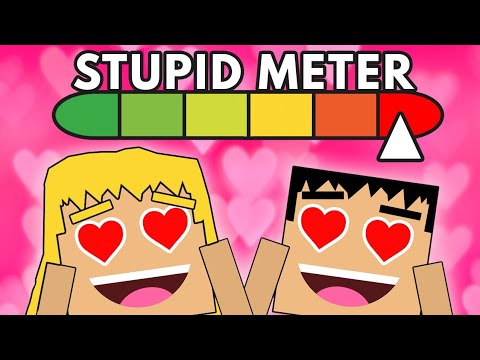
The Real Reason We Do Stupid Things For Love
0
Susan posted on 2023/04/27Ever wondered why love makes us act so crazy? This fun, playful video dives into the neuroscience behind infatuation, explaining how your brain chemistry changes when you're head-over-heels! You'll pick up some fantastic advanced vocabulary related to love and the brain, all while enjoying a quirky look at this universal human experience.
Learn this video on the APP!
The VoiceTube App has more in-depth practice for videos!