
agriculture
US /ˈæɡrɪˌkʌltʃɚ/
UK /ˈægrɪkʌltʃə(r)/
- Uncountable Noun
- The science of farming
- The study of farming and related sciences.
A2Morealong with
US /əˈlɔŋ wɪð/
UK /əˈlɔŋ wið/
- Preposition
- In addition to; together with.
- Adverb
- In company or together with someone or something.
- Including; in addition to.
A2Moreancestor
US /ˈænˌsɛstɚ/
UK /'ænsestə(r)/
- Noun
- A person from your family that lived in the past
B1Moreancient
US /ˈenʃənt/
UK /'eɪnʃənt/
- Adjective
- Very old; having lived a very long time ago
- Relating to a period in history, especially in the distant past.
- Noun
- A person who lived in ancient times.
A2Moreape
US /ep/
UK /eɪp/
- Countable Noun
- Animal related to monkeys and humans
- Transitive Verb
- To copy someone's actions
B1Morecapacity
US /kəˈpæsɪti/
UK /kə'pæsətɪ/
- Noun (Countable/Uncountable)
- Ability to hold, involve or contain (e.g. liquids)
- Largest amount of something that can be produced
B1Morecast
US /kæst/
UK /kɑ:st/
- Noun (Countable/Uncountable)
- People who appear in a play or movie
- Small amount of a particular color
- Transitive Verb
- To give specific roles to actors in a movie, play
- To describe someone's personality or character
A2Morecivilization
US /ˌsɪvəlɪˈzeʃən/
UK /ˌsɪvəlaɪ'zeɪʃn/
- Noun (Countable/Uncountable)
- A highly developed society
B2Morecommon ancestor
US
UK
- Noun
- An ancestor that two or more species have in common and from which they both evolved.
B1Moreconsistent
US /kənˈsɪstənt/
UK /kənˈsɪstənt/
- Adjective
- Agreeing with or being similar to another part
- In agreement; reliable
A2Morecontemporary
US /kənˈtɛmpəˌrɛri/
UK /kən'temprərɪ/
- Adjective
- Being modern, up -to-date, of this age
- Happening in the same time period
- Countable Noun
- Person doing things at the same time as you
B1Morecontinent
US /ˈkɑntənənt/
UK /ˈkɒntɪnənt/
- Noun (Countable/Uncountable)
- Very large piece of land, e.g. Africa or Asia
- Adjective
- Able to control excretory functions (bowel and bladder).
B1Morecurrent
US /ˈkɚrənt, ˈkʌr-/
UK /'kʌrənt/
- Uncountable Noun
- Electricity flowing through wires
- Movement of water in a river, or air in the sky
- Adjective
- Happening or being in the present time
- In general use or accepted by most people.
A2Moreensemble
US /ɑnˈsɑmbəl/
UK /ɑ:nˈsɑ:mbl/
- Noun (Countable/Uncountable)
- Group of things, people working together
- A group of musicians, actors, or dancers who perform together.
- Adverb
- Together or at the same time.
- In a harmonious or coordinated manner.
B2Moreevolution
US /ˌɛvəˈluʃən, ˌivə-/
UK /ˌi:və'lu:ʃn/
- Uncountable Noun
- Theory that living things change over time
- Process by which something develops over time
B1Moreexplore
US /ɪkˈsplɔr/
UK /ɪk'splɔ:(r)/
- Transitive Verb
- To examine something in detail to learn about it
- To travel to a place to discover more about it
A2TOEICMoreextinct
US /ɪkˈstɪŋkt/
UK /ɪkˈstɪŋkt/
- Adjective
- (Of animal, etc.) having died out; with none left
- (E.g. of volcano) not active
B1TOEICMorefore
US /fɔ:r/
UK /fɔ:(r)/
- Adjective
- (In combination) before; in the front part
B2Moregenus
US /ˈdʒinəs/
UK /ˈdʒi:nəs/
- Noun
- Category of particular animal or plant species
C1Morehumanity
US /hjuˈmænɪti/
UK /hju:ˈmænəti/
- Uncountable Noun
- Quality of being understanding or sympathetic
- Compassionate behavior, especially towards those suffering.
- Noun (Countable/Uncountable)
- All human beings collectively; the human race.
A2Moreinvolve
US /ɪnˈvɑlv/
UK /ɪn'vɒlv/
- Transitive Verb
- To have or be included as a part of something
- To cause (a person or group) to take part in an event or activity.
A2TOEICMorejourney
US /ˈdʒɚni/
UK /'dʒɜ:nɪ/
- Noun
- Act of traveling from one place to another; trip
- Intransitive Verb
- To travel through a place
A2TOEICMorelineage
US /ˈlɪniɪdʒ/
UK /ˈlɪniɪdʒ/
- Noun
- People in someone's family who lived in the past
B2Morelocomotion
US /ˌlokəˈmoʃən/
UK /ˌləʊkəˈməʊʃən/
- Uncountable Noun
- Moving, or ability to move, from place to place
C1Moremajor
US /ˈmedʒɚ/
UK /'meɪdʒə(r)/
- Countable Noun
- High-ranking officer in the army
- Main subject you study at university
- Adjective
- Main league; esp. referring to American baseball
- Important, serious, or large in scope, size
A2TOEICMoremigrate
US /ˈmaɪgreɪt/
UK /maɪˈgreɪt/
- Intransitive Verb
- To move from one country or place to live or work
B1Moremosaic
US /moʊˈzeɪɪk/
UK /məʊˈzeɪɪk/
- Noun (Countable/Uncountable)
- A mixture of various elements
- Pattern made of pieces of colored stone or glass
B2Moreover time
US /ˈovɚ taɪm/
UK /ˈəuvə taim/
- Phrase
- Gradually; as time passes.
- During a long period.
- Adverb
- Gradually; as time passes.
B1Morephase
US /fez/
UK /feɪz/
- Noun
- Different stages of the moon from new to full
- Distinct part or step in a process
- Transitive Verb
- To make happen in a gradual ordered way
A2Morephysical
US /ˈfɪzɪkəl/
UK /ˈfɪzɪkl/
- Countable Noun
- Health check at the doctors' or hospital
- Adjective
- Concerning the body of a person
- Concerning things that can be seen or touched
A2Moreremain
US /rɪˈmen/
UK /rɪˈmeɪn/
- Intransitive Verb
- To be left behind; to continue to exist
- To stay in a place when other people have gone
A2TOEICMoreshift
US /ʃɪft/
UK /ʃɪft/
- Verb (Transitive/Intransitive)
- To change in position or direction
- To move something from one place to another
- Noun (Countable/Uncountable)
- A change in a persons plans, opinions or beliefs
- Period of work starting at a certain time
A2Moreskull
US /skʌl/
UK /skʌl/
- Noun
- Structure of bones forming the face and head
B2Moresophisticated
US /səˈfɪstɪˌketɪd/
UK /səˈfɪstɪkeɪtɪd/
- Adjective
- Making a good sounding but misleading argument
- Wise in the way of the world; having refined taste
- Transitive Verb
- To make someone more worldly and experienced
B1TOEICMorespine
US /spaɪn/
UK /spaɪn/
- Noun (Countable/Uncountable)
- Line of bones that runs down your back
- The place the pages of a book are attached
C1Moresuch as
US /sʌtʃ æz/
UK /sʌtʃ æz/
- Preposition
- For example; like
A1Moretrait
US /tret/
UK /treɪt/
- Noun (Countable/Uncountable)
- A particular characteristic that can produce a particular type of behavior
- A genetically determined characteristic or condition.
C2Moreunprecedented
US /ʌnˈprɛsɪˌdɛntɪd/
UK /ʌnˈpresɪdentɪd/
- Adjective
- Not having happened before, or to such a degree
B1Morevary
US /ˈveri/
UK /ˈveəri/
- Verb (Transitive/Intransitive)
- To change something and make it different
- To be changeable, both up and down
A2TOEICMore
Vocabulary
- such as: For example; like
- over time: Gradually; as time passes.
- common ancestor: An ancestor that two or more species have in common and from which they both evolved.
- along with: In addition to; together with.
- sophisticated: Making a good sounding but misleading argument
- trait: A particular characteristic that can produce a particular type of behavior
- physical: Health check at the doctors' or hospital
- journey: Act of traveling from one place to another; trip
- ancient: Very old; having lived a very long time ago
- consistent: Agreeing with or being similar to another part
- unprecedented: Not having happened before, or to such a degree
- common: Area in a city or town that is open to everyone
- capacity: Ability to hold, involve or contain (e.g. liquids)
- develop: To explain something in steps and in detail
- current: Electricity flowing through wires
- explore: To examine something in detail to learn about it
- continent: Very large piece of land, e.g. Africa or Asia
- shift: To change in position or direction
- industry: Hard work; being busy working
- remain: To be left behind; to continue to exist
- cast: People who appear in a play or movie
- ancestor: A person from your family that lived in the past
- involve: To have or be included as a part of something
- contemporary: Being modern, up -to-date, of this age
- evolution: Theory that living things change over time
- humanity: Quality of being understanding or sympathetic
- rest: Time when one relaxes, sleeps, or is inactive
- agriculture: The science of farming
- break: To create a new record e.g. running the 100m dash
- civilization: A highly developed society
- major: High-ranking officer in the army
- extinct: (Of animal, etc.) having died out; with none left
- shape: The outer form of something, what it looks like
- fall: Season after summer and before winter; Autumn
- spine: Line of bones that runs down your back
- phase: Different stages of the moon from new to full
- skull: Structure of bones forming the face and head
- stage: To organize an event to gain public interest
- vary: To change something and make it different
- control: A device designed to operate a machine
- allow: To admit the validity or truth of something
- migrate: To move from one country or place to live or work
- rise: To wake up and get out of bed after sleeping
- set: Prepared for something; ready
- grow: To get bigger and more mature; make plants do this
- make: To arrange or prepare something e.g. dinner
- world: All the humans, events, activities on the earth
- lineage: People in someone's family who lived in the past
- ensemble: Group of things, people working together
- ape: Animal related to monkeys and humans
- mosaic: A mixture of various elements
- fore: (In combination) before; in the front part
- locomotion: Moving, or ability to move, from place to place
- genus: Category of particular animal or plant species
Get the full experience in the app
Learn anywhere with detailed sentence and usage analysis
01:03
She took a brave step forward, leaving behind her comfort zone to chase her dreams.
Vocabulary
- brave
adj. Having courage
- comfort zone
phr. A familiar situation where one feels safe
Explanation
a brave step is a noun phrase, where brave is an adjective modifying the noun step, meaning "a courageous step".
forward is an adverb modifying step, meaning "ahead".
The whole phrase serves as the object, answering the "what" of took (verb) — she took a brave step forward.
Get the full experience in the app
Look up words anytime with pronunciation, part of speech, and usage
brave
US/brev/
UK/breɪv/
adj.Brave
v.t.To bravely face
A2 Elementary
Get the full experience in the app
Practice speaking anytime and get instant pronunciation feedback
Try this speaking exercise.
Try practicing with this sentence.
80
0
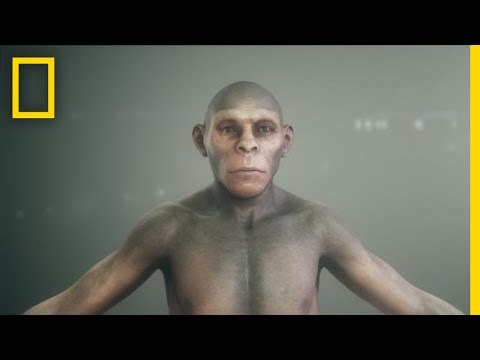
Elise Chuang posted on 2021/07/05Ever wondered how we became who we are today? This National Geographic documentary dives deep into human evolution, exploring everything from early hominins to the 'Out of Africa' migration. You'll pick up tons of advanced vocabulary related to paleoanthropology and human origins, making it a fantastic way to boost your knowledge and your English!
Learn this video on the APP!
The VoiceTube App has more in-depth practice for videos!