genus
US /ˈdʒinəs/
・UK /ˈdʒi:nəs/
C1
n.NounCategory of particular animal or plant species
All of the animals in this particular genus have four legs, thick fur, and warm blood
Video subtitles
Reef Life of the Andaman (full marine biology documentary)

- This stingray's colouration and common name make it often confused with the more circular blue-spotted stingray found in the Gulf of Thailand, which belongs to a different genus.
This stingray's colouration and common name make it often confused with the more circular blue-spotted stingray found in the Gulf of Thailand, which belongs to a different genus.
- which belongs to a different genus.
which belongs to a different genus.
Wildfire Struggles In South Korea | March 28, 2025

- What mammal belongs to the genus Sioris?
What mammal belongs to the genus Sioris?
- All tree squirrels are part of the genus Sioris within the family Sioridae.
All tree squirrels are part of the genus Sioris within the family Sioridae.
Human Origins 101 | National Geographic
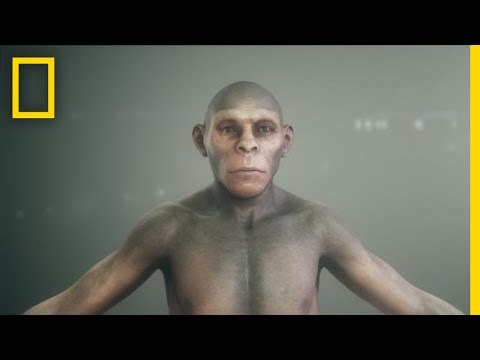
- These hominins fell into three major groups: early hominins, Australopithecines, and Homo genus.
These hominins fell into three major groups: early hominins, Australopithecines, and Homo genus.
- Early hominins, australopithecines, and homo genus.
Early hominins, australopithecines, and homo genus.
The laboratory accident that saved 500 million lives | Derek Thompson

- And when he went under the microscope to figure out exactly what had done it, he discovered that it was a mold from the genus Penicillium.
And when he went under the microscope to figure out exactly what had done it, he discovered that it was a mold from the genus Penicillium.
- And when he went under the microscope to figure out exactly what had done it, he discovered that it was a mold from the genus Penicillium,
And when he went under the microscope to figure out exactly what had done it, he discovered that it was a mold from the genus Penicillium,
古人類学者だけど「原始人」について質問ある? | Tech Support | WIRED Japan

- By about 2 and a half million years, members of our own genus like Homo habilis start to crop up.
By about 2 and a half million years, members of our own genus like Homo habilis start to crop up.
- By about two and a half million years, members of our own genus, like Homo habilis, start to crop up.
By about two and a half million years, members of our own genus, like Homo habilis, start to crop up.
Charles Darwin's "The Origin of Species"

- all the species of the same genus, or even higher group, must have descended from common parents,
all the species of the same genus, or even higher group, must have descended from common parents,
- all the species of the same genus, or even higher group, must have descended from common
all the species of the same genus, or even higher group, must have descended from common
Bad Personal Statement Examples (How a Doctor Would Fix Them)

- Due to my vast and extensive research on the bacteria that caused the disease, I knew it was Bordetella pertussis, a gram negative aerobic pathogenic encapsulated Coxobacillus of the genus Bordetella.
Due to my vast and extensive research on the bacteria that caused the disease, I knew it was Bordetella pertussis, a gram negative aerobic pathogenic encapsulated Coxobacillus of the genus Bordetella.
- Due to my vast and extensive research on the bacteria that caused the disease, I knew it was Bordetella pertussis, a gram-negative, aerobic, pathogenic encapsulated coccal bacillus of the genus Bordetella.
Due to my vast and extensive research on the bacteria that caused the disease, I knew it was Bordetella pertussis, a gram-negative, aerobic, pathogenic encapsulated coccal bacillus of the genus Bordetella.
Ebola: The Full Story
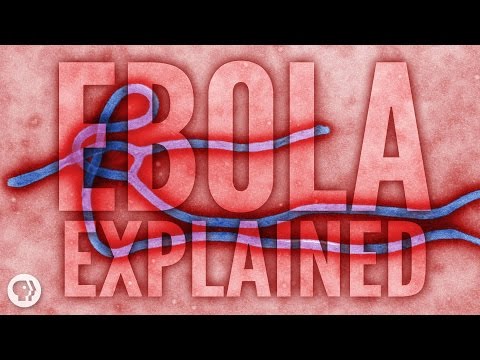
- Ebolavirus describes a genus of viruses in the family Filoviridae.
Ebolavirus describes a genus of viruses in the family Filoviridae.
- “THE Ebola virus”, the one responsible for the 2014 outbreak, is one of the five known viruses in that genus, a strain called the “Zaire ebola virus.”
“THE Ebola virus”, the one responsible for the 2014 outbreak, is one of the five known viruses in that genus, a strain called the “Zaire ebola virus.”
Will We Ever Run Out of Dinosaurs?
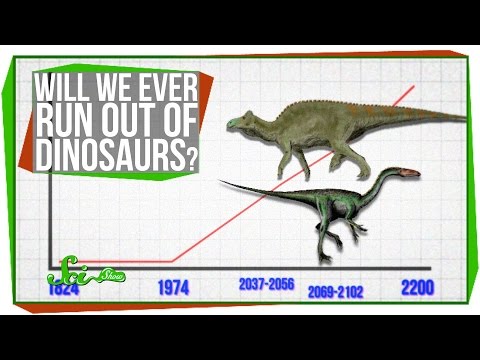
- Scientists usually count dinosaurs by genus that's the taxonomic rank just above species because 9 times out of 10, there's only one species of dinosaur per genus.
Scientists usually count dinosaurs by genus that's the taxonomic rank just above species because 9 times out of 10, there's only one species of dinosaur per genus.
- Scientists usually count dinosaurs by genus
Scientists usually count dinosaurs by genus
Top 10 Facts - 2015

- and they share features with both our own Homo genus and the more apelike and older genus of Australopithecus, possibly creating a crucial bridge between the two human genera and answering important questions about the evolution of humanity.
and they share features with both our own Homo genus and the more apelike and older genus of Australopithecus, possibly creating a crucial bridge between the two human genera and answering important questions about the evolution of humanity.
- within a cave in South Africa and they share features with both our own Homo genus and
within a cave in South Africa and they share features with both our own Homo genus and