supercontinent
US /ˈsu:pərkɑ:ntɪnənt/
・UK /ˈsu:pəkɒntɪnənt/
C2
n. (c.)Countable NounLand mass that combines several continents
A supercontinent formed after the Ice Age
Video subtitles
This Is What Will Happen in the Next Billion Years
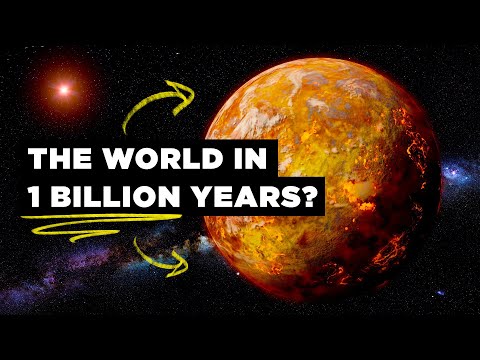
- In 250 million years, all of the continents on Earth will have fused together to form a supercontinent similar to Pangea.
In 250 million years, all of the continents on Earth will have fused together to form a supercontinent similar to Pangea.
- Then, in 400 to 500 million years, the supercontinent will break apart once again.
Then, in 400 to 500 million years, the supercontinent will break apart once again.
Your Time Machine Broke - At The Worst Time In History

- The formation of the massive supercontinent Pangaea led to the largest desert in history that barely sees any rain.
The formation of the massive supercontinent Pangaea led to the largest desert in history that barely sees any rain.
- The formation of the massive supercontinent Pangea led to the largest desert in history that barely sees any rain.
The formation of the massive supercontinent Pangea led to the largest desert in history that barely sees any rain.
Things People Used to Believe You Will Laugh At Today

- They moved and shifted over tens of millions of years, causing the supercontinent of Pangea to drift into the separate continents we love and endlessly fight over today.
They moved and shifted over tens of millions of years, causing the supercontinent of Pangea to drift into the separate continents we love and endlessly fight over today.
- They moved and shifted over tens of millions of years, causing the supercontinent of Pangea to drift into the separate continents we love and endlessly fight over today.
They moved and shifted over tens of millions of years, causing the supercontinent of Pangea to drift into the separate continents we love and endlessly fight over today.
How Crocodilians Just Keep on Surviving

- As the supercontinent of Pangaea broke apart, extensive volcanic activity wreaked havoc with the planet's climate.
As the supercontinent of Pangaea broke apart, extensive volcanic activity wreaked havoc with the planet's climate.
- As the supercontinent of Pangea broke apart, extensive volcanic activity wreaked havoc with the planet's climate.
As the supercontinent of Pangea broke apart, extensive volcanic activity wreaked havoc with the planet's climate.
America: Country or Continent?
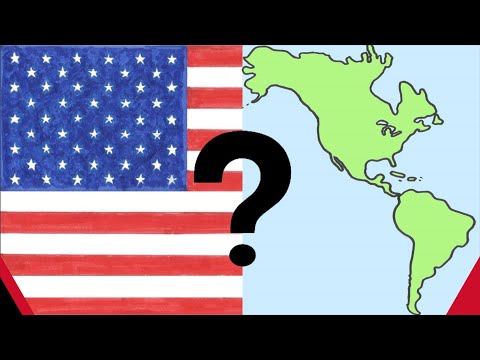
- - Afro-Eurasia, the supercontinent, was thought of as the whole world, which can be seen from
- Afro-Eurasia, the supercontinent, was thought of as the whole world, which can be seen from
- Asia—or if you prefer, Afro-Eurasia, the supercontinent—was thought of as the whole world, which can be seen from early world maps.
Asia—or if you prefer, Afro-Eurasia, the supercontinent—was thought of as the whole world, which can be seen from early world maps.
How 2 freak accidents shaped human evolution | Sean B. Carroll Segment
- And those tectonic plates in general, which are where the continents and the oceans are riding on, those were all generated about 140 million years ago when a supercontinent broke up, sort of like the same way a kitchen plate breaks up when it hits the floor, into these various pieces.
And those tectonic plates in general, which are where the continents and the oceans are riding on, those were all generated about 140 million years ago when a supercontinent broke up, sort of like the same way a kitchen plate breaks up when it hits the floor, into these various pieces.
- And those tectonic plates, in general, which are where the continents and the oceans' crusts are riding on, those were all generated about 140 million years ago when a supercontinent broke up, sort of like the same way a kitchen plate breaks up when it hits the floor, into these various pieces.
And those tectonic plates, in general, which are where the continents and the oceans' crusts are riding on, those were all generated about 140 million years ago when a supercontinent broke up, sort of like the same way a kitchen plate breaks up when it hits the floor, into these various pieces.
Cosmic Journeys - Fate of Antarctica

- Some 300 million years later, Earth's landmass is reshuffled into the supercontinent Pangea.
Some 300 million years later, Earth's landmass is reshuffled into the supercontinent Pangea.
- Some 300 million years later, as Earth�s landmasses reshuffled into the supercontinent
Some 300 million years later, as Earth�s landmasses reshuffled into the supercontinent
古生物学者だけど「絶滅」について質問ある?| Tech Support | WIRED Japan

- One of the things that caused the worst mass extinction ever, this happened about a quarter billion years ago, we call it the Great Dying, we think was caused by these giant volcanic fissures in Siberia, but it was exacerbated by the fact that all the continents just happened to bump into each other at that time, creating the supercontinent called Pangaea.
One of the things that caused the worst mass extinction ever, this happened about a quarter billion years ago, we call it the Great Dying, we think was caused by these giant volcanic fissures in Siberia, but it was exacerbated by the fact that all the continents just happened to bump into each other at that time, creating the supercontinent called Pangaea.
- but it was exacerbated by the fact that all the continents just happened to bump into each other at that time, creating the supercontinent called Pangea.
but it was exacerbated by the fact that all the continents just happened to bump into each other at that time, creating the supercontinent called Pangea.
Dinosaurs 101 | National Geographic

- The earliest dinosaurs appeared about 245 million years ago during the Triassic Period, when most of the Earth's landmasses were still joined together as the supercontinent Pangaea.
The earliest dinosaurs appeared about 245 million years ago during the Triassic Period, when most of the Earth's landmasses were still joined together as the supercontinent Pangaea.
Why getting things wrong is good for science | BBC Ideas

- What he couldn't have known in the early 1620s was that the two coasts are two sides of a fault-line in an ancient supercontinent which split apart 140 million years ago.
What he couldn't have known in the early 1620s was that the two coasts are two sides of a fault-line in an ancient supercontinent which split apart 140 million years ago.