
aggression
US /əˈɡrɛʃən/
UK /əˈgreʃn/
- Uncountable Noun
- Use of energy and determination to achieve a goal
- Hostile or violent behavior or attitudes toward another; readiness to attack or confront.
B1Moreanthropologist
US /ˌænθrəˈpɑ:lədʒɪst/
UK /ˌænθrəˈpɒlədʒɪst/
- Countable Noun
- Person who studies human origins and development
B2Moreastronomical
US /ˌæstrəˈnɑmɪkəl/
UK /ˌæstrəˈnɒmɪkl/
- Adjective
- Extremely large or high
- Of the study of stars and other bodies in space
B2Moreat least
US /æt list/
UK /æt li:st/
- Adverb
- As a minimum
- Not less than
- Phrase
- No less than; at the minimum
- Used to indicate that something is positive in a bad situation.
C2Morebacklash
US /ˈbækˌlæʃ/
UK /ˈbæklæʃ/
- Noun (Countable/Uncountable)
- a strong negative reaction by a large number of people, for example to something that has recently changed in society
- A sudden, adverse reaction or consequence, especially in computing or technology.
C2TOEICMorebacon
US /ˈbekən/
UK /ˈbeɪkən/
- Uncountable Noun
- Salted meat from a pig
B1Morebased on
US
UK
- Phrasal Verb
- To use something as the foundation or starting point for something else.
- Preposition
- Using something as the main idea or foundation.
- Relying on something as evidence or justification.
A1Moreblockbuster
US /ˈblɑkˌbʌstɚ/
UK /ˈblɒkbʌstə(r)/
- Noun
- Large, expensive, popular, successful (movie, cd)
C1Morecling
US /klɪŋ/
UK /klɪŋ/
- Intransitive Verb
- To be dependent on
- Verb (Transitive/Intransitive)
- To stick or be attached to
B1TOEICMoredefine
US /dɪˈfaɪn/
UK /dɪ'faɪn/
- Transitive Verb
- To explain the meaning of words
- To set or mark the limits of something
A2TOEICMoredwarf
US /dwɔrf/
UK /dwɔ:f/
- Noun
- Person of short stature, due to medical condition
B2TOEICMoreemerge
US /ɪˈmɚdʒ/
UK /ɪ'mɜ:dʒ/
- Intransitive Verb
- To rise or appear out of some background
- To become known or apparent.
A2TOEICMoreevolution
US /ˌɛvəˈluʃən, ˌivə-/
UK /ˌi:və'lu:ʃn/
- Uncountable Noun
- Theory that living things change over time
- Process by which something develops over time
B1Morefor example
US
UK
- Phrase
- As an illustration or instance.
formulation
US /ˌfɔrmjəˈleʃən/
UK /ˌfɔ:mjʊ'leɪʃn/
- Noun
- Development of a plan, system, or proposal
B2Morefundamental
US /ˌfʌndəˈmɛntl/
UK /ˌfʌndəˈmentl/
- Adjective
- Forming a necessary part, base, or core
- Of central importance.
- Noun (Countable/Uncountable)
- A basic part of something
- (Music) the lowest note in a harmony
A2TOEICMoregiant
US /ˈdʒaɪənt/
UK /'dʒaɪənt/
- Countable Noun
- Tall, large, and powerful human-like creatures
- Very successful, powerful person or organization
- Adjective
- Very large, or much bigger than other things
A2Moregospel
US /ˈgɑ:spl/
UK /ˈgɒspl/
- Noun
- Book of the New Testament in Christian teaching
B1Moregravity
US /ˈɡrævɪti/
UK /ˈgrævəti/
- Uncountable Noun
- (Of a situation) extreme seriousness
- Force making things fall towards the ground
B1TOEICMorehypothesis
US /haɪˈpɑθɪsɪs/
UK /haɪˈpɒθəsɪs/
- Noun
- A theory trying to explain something
- A supposition or proposed explanation made on the basis of limited evidence as a starting point for further investigation.
B1Moreimmutable
US /ɪˈmjutəbəl/
UK /ɪˈmju:təbl/
- Adjective
- Not capable of or susceptible to change
C1TOEICMorein fact
US /ɪn fækt/
UK /in fækt/
- Adverb
- Used to emphasize the truth of a statement, especially one that contrasts with or contradicts something else.
- Used to introduce a more detailed or surprising piece of information.
- Phrase
- Used to emphasize the truth of a statement, especially one that is surprising or contrary to what might be expected.
C1Morein the future
US /ɪn ði ˈfjutʃɚ/
UK /in ðə ˈfju:tʃə/
- Phrase
- At a later time; in times to come.
A1Moreindependent
US /ˌɪndɪˈpɛndənt/
UK /ˌɪndɪˈpendənt/
- Adjective
- Making your own decisions; acting by yourself
- Not connected with or influenced by something else.
- Noun
- A person not connected to a political party
- Someone who is independent, especially in politics or business.
A2TOEICMoreinspire
US /ɪnˈspaɪr/
UK /ɪn'spaɪə(r)/
- Transitive Verb
- To give someone an idea to do or make something
- To make someone feel a certain emotion
- Intransitive Verb
- To breathe in
- To draw (air, etc.) into the lungs.
B1TOEICMoreinterpretation
US /ɪnˌtɜː(r)prɪˈteɪʃ(ə)n/
UK
- Noun (Countable/Uncountable)
- Explanation of the meaning of something
- Act of translating between languages
A2Morelead to
US /lid tu/
UK /li:d tu:/
- Phrasal Verb
- To result in some action
- Verb (Transitive/Intransitive)
- To have something as a consequence or result.
A1Morelyric
US /ˈlɪrɪk/
UK /ˈlɪrɪk/
- Adjective
- In a tone, or style similar to an emotional song
- Noun
- The words of a song
B2Moremethod
US /ˈmɛθəd/
UK /'meθəd/
- Noun (Countable/Uncountable)
- (Organized and planned) way of doing something
- Orderliness of thought, arrangement, or behavior.
A2TOEICMoremobile
US /ˈmoʊbl/
UK /'məʊbaɪl/
- Adjective
- Able to be moved or able to move
- Able to move easily from one job, place, or social class to another.
- Countable Noun
- Personal phone you take with you wherever you go
- A decorative structure that is suspended so as to turn freely in the air.
B1Moreobserve
US /əbˈzɜ:rv/
UK /əbˈzɜ:v/
- Verb (Transitive/Intransitive)
- To celebrate a particular holiday/religious event
- To obey or follow laws, rules, or customs
A2TOEICMoreoutdate
US /aʊt'deɪt/
UK /aʊt'deɪt/
- Transitive Verb
- To be older than
B2Moreplanetary
US /ˈplænɪˌtɛri/
UK /ˈplænətri/
- Adjective
- Concerning the orbital characteristics of a planet
B2Moreportrait
US /ˈpɔrtrɪt,-ˌtret,ˈpor-/
UK /ˈpɔ:trit/
- Noun
- Picture of a person's head and shoulders
- Detailed representation of someone in film, etc.
- Adjective
- A format in which the height is greater than the width.
- Relating to a photograph, painting, drawing, or engraving of a person.
B1Moreprimary
US /ˈpraɪˌmɛri, -məri/
UK /'praɪmərɪ/
- Adjective
- Most important, most basic or essential
- Happening first; earliest
B2Moreprocess
US /ˈprɑsˌɛs, ˈproˌsɛs/
UK /prə'ses/
- Transitive Verb
- To organize and use data in a computer
- To deal with official forms in the way required
- Noun (Countable/Uncountable)
- Dealing with official forms in the way required
- Set of changes that occur slowly and naturally
A2TOEICMoreprogress
US /ˈprɑɡˌrɛs, -rəs, ˈproˌɡrɛs/
UK /'prəʊɡres/
- Verb (Transitive/Intransitive)
- To move forward or toward a place or goal
- To make progress; develop or improve.
- Uncountable Noun
- Act of moving forward
- The process of improving or developing something over a period of time.
A2TOEICMorerather than
US
UK
- Adverb
- More exactly; more correctly
- Preferably; instead
- Preposition
- Instead of
A1Moreraw
US /rɔ/
UK /rɔ:/
- Adjective
- Being uncontrolled or strong, as your emotions
- Being inexperienced
B1Morerelativity
US /ˌrɛləˈtɪvɪti/
UK /ˌreləˈtɪvəti/
- Uncountable Noun
- Einstein theory about time, space and position
- The state of being relative; dependence on a frame of reference.
C2Morerigorous
US /ˈrɪɡərəs/
UK /ˈrɪgərəs/
- Adjective
- Very strict and often difficult; thorough
- Thorough; meticulous; exhaustive.
B1TOEICMorerotary
US /ˈroʊtəri/
UK /ˈrəʊtəri/
- Adjective
- Turning on an axis like a wheel
C1Morescientific
US /ˌsaɪənˈtɪfɪk/
UK /ˌsaɪənˈtɪfɪk/
- Adjective
- Concerning academic study of the physical world
- Systematic and precise, following a methodology.
- Noun
- Relating to or used in science.
A2Moreskew
US /skju/
UK /skju:/
- Transitive Verb
- To affect data making them incorrect or inaccurate
- To affect ideas/thoughts making them incorrect
C2Moresmart phone
US
UK
- Countable Noun
- A mobile phone with advanced computing capability and connectivity.
A1Moresociety
US /səˈsaɪɪti/
UK /sə'saɪətɪ/
- Noun (Countable/Uncountable)
- A group who meet to share values or interests
- Group of people living together
A2TOEICMoresolar
US /ˈsolɚ/
UK /'səʊlə(r)/
- Adjective
- Concerning the sun, or its heat
B1Moresolar eclipse
US //soʊlər ɪˈklɪps//
UK
- Noun
- An eclipse in which the sun is obscured by the moon.
spare
US /spɛr/
UK /speə(r)/
- Transitive Verb
- To make (money or time) available for
- To save from being hurt or punished
- Adjective
- Being extra or in reserve
A2Morestrum
US /strʌm/
UK /strʌm/
- Verb (Transitive/Intransitive)
- To make a sound on a stringed instrument
- Noun
- Sound from touching the strings, e.g. of a guitar
C1Moresuch as
US /sʌtʃ æz/
UK /sʌtʃ æz/
- Preposition
- For example; like
A1Moresymmetrical
US /sɪˈmɛtrɪkəl/
UK /sɪˈmetrɪkl/
- Adjective
- Having parts that are exactly the same
B2Moretake for example
US
UK
- Phrase
- To use as an instance or illustration.
A1Moretend
US /tɛnd/
UK /tend/
- Intransitive Verb
- To move or act in a certain manner
- Transitive Verb
- To take care of
A2Moretheory
US /ˈθiəri, ˈθɪri/
UK /ˈθiəri/
- Noun (Countable/Uncountable)
- Ideas or principles that explain facts or events
- An idea or belief about something
A2TOEICMorethink of
US /θɪŋk ʌv/
UK /θiŋk ɔv/
- Phrasal Verb
- To look on as (being something specific); consider
- To consider or remember something.
- Verb (Transitive/Intransitive)
- To imagine or call something to mind
A1Moreultimately
US /ˈʌltəmɪtli/
UK /ˈʌltɪmətli/
- Adverb
- Done or considered as the final and most important
- Fundamentally; at the most basic level.
B1TOEICMoreuncertainty
US /ʌnˈsə:tn:ti/
UK /ʌn'sɜ:tntɪ/
- Uncountable Noun
- Feeling of not really knowing what will happen
- Lack of confidence; doubt.
B2TOEICMoreunsettle
US /ʌnˈsɛtl:/
UK /ˌʌnˈsetl/
- Transitive Verb
- To upset; making someone feel uneasy
B2More
Vocabulary
- think of: To look on as (being something specific); consider
- based on: To use something as the foundation or starting point for something else.
- lead to: To result in some action
- take for example: To use as an instance or illustration.
- for example: As an illustration or instance.
- in fact: Used to emphasize the truth of a statement, especially one that contrasts with or contradicts something else.
- at least: As a minimum
- solar eclipse: An eclipse in which the sun is obscured by the moon.
- such as: For example; like
- in the future: At a later time; in times to come.
- rather than: More exactly; more correctly
- smart phone: A mobile phone with advanced computing capability and connectivity.
- ultimately: Done or considered as the final and most important
- process: To organize and use data in a computer
- progress: To move forward or toward a place or goal
- tend: To move or act in a certain manner
- general: Widespread, normal or usual
- fundamental: Forming a necessary part, base, or core
- measure: Plan to achieve a desired result
- method: (Organized and planned) way of doing something
- spare: To make (money or time) available for
- exist: To be present, alive or real
- theory: Ideas or principles that explain facts or events
- gravity: (Of a situation) extreme seriousness
- hypothesis: A theory trying to explain something
- draw: To attract attention to someone or something
- portrait: Picture of a person's head and shoulders
- inspire: To give someone an idea to do or make something
- society: A group who meet to share values or interests
- emerge: To rise or appear out of some background
- primary: Most important, most basic or essential
- define: To explain the meaning of words
- backlash: a strong negative reaction by a large number of people, for example to something that has recently changed in society
- rigorous: Very strict and often difficult; thorough
- interpretation: Explanation of the meaning of something
- observe: To celebrate a particular holiday/religious event
- independent: Making your own decisions; acting by yourself
- evolution: Theory that living things change over time
- scientific: Concerning academic study of the physical world
- giant: Tall, large, and powerful human-like creatures
- break: To create a new record e.g. running the 100m dash
- raw: Being uncontrolled or strong, as your emotions
- aggression: Use of energy and determination to achieve a goal
- notice: To become aware by sight, touch, or hearing
- place: To put someone in a particular type of situation
- astronomical: Extremely large or high
- uncertainty: Feeling of not really knowing what will happen
- system: Set of organized, planned ideas that work together
- fact: Something that is known or proved to be true
- information: Collection of facts and details about something
- wrong: Action that is harmful, unjust or illegal
- solar: Concerning the sun, or its heat
- cling: To be dependent on
- fail: To be unsuccessful in passing a class or exam
- anthropologist: Person who studies human origins and development
- question: To ask for or try to get information
- person: Man, woman or child
- blockbuster: Large, expensive, popular, successful (movie, cd)
- mobile: Able to be moved or able to move
- dwarf: Person of short stature, due to medical condition
- understand: To know the meaning of language, what someone says
- symmetrical: Having parts that are exactly the same
- immutable: Not capable of or susceptible to change
- lyric: In a tone, or style similar to an emotional song
- gospel: Book of the New Testament in Christian teaching
- planetary: Concerning the orbital characteristics of a planet
- bacon: Salted meat from a pig
- formulation: Development of a plan, system, or proposal
- rotary: Turning on an axis like a wheel
- skew: To affect data making them incorrect or inaccurate
- relativity: Einstein theory about time, space and position
- strum: To make a sound on a stringed instrument
- outdate: To be older than
- unsettle: To upset; making someone feel uneasy
Get the full experience in the app
Learn anywhere with detailed sentence and usage analysis
01:03
She took a brave step forward, leaving behind her comfort zone to chase her dreams.
Vocabulary
- brave
adj. Having courage
- comfort zone
phr. A familiar situation where one feels safe
Explanation
a brave step is a noun phrase, where brave is an adjective modifying the noun step, meaning "a courageous step".
forward is an adverb modifying step, meaning "ahead".
The whole phrase serves as the object, answering the "what" of took (verb) — she took a brave step forward.
Get the full experience in the app
Look up words anytime with pronunciation, part of speech, and usage
brave
US/brev/
UK/breɪv/
adj.Brave
v.t.To bravely face
A2 Elementary
Get the full experience in the app
Practice speaking anytime and get instant pronunciation feedback
Try this speaking exercise.
Try practicing with this sentence.
80
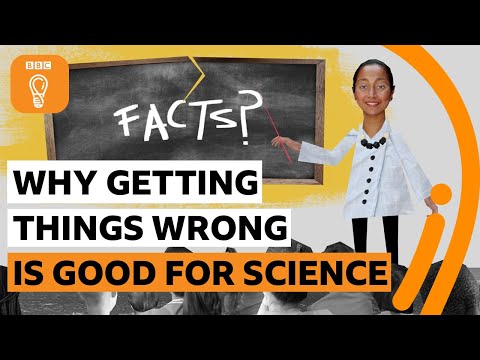
Why getting things wrong is good for science | BBC Ideas
0
Summer posted on 2021/09/07Ever wondered why scientists getting things wrong is actually a *good* thing? This fascinating BBC Ideas video explores how scientific uncertainty drives progress, using examples like Pluto's demotion and General Relativity. You'll pick up advanced vocabulary and gain a deeper cultural understanding of the scientific method!
Learn this video on the APP!
The VoiceTube App has more in-depth practice for videos!