midline
US /'mɪdˌlaɪn/
・UK /'mɪdlaɪn/
A1
n.NounA medial line, especially the medial line or plane of the body
Video subtitles
Dan Bailey: Workout of the Day for February 8, 2016

- and you know you're trying to keep your chest tall and keep a tight midline when you're going down there just like you would with any other squat.
and you know you're trying to keep your chest tall and keep a tight midline when you're going down there just like you would with any other squat.
- Feeling my midline kind of breaking a little bit,
Feeling my midline kind of breaking a little bit,
6 Things Your Cat is Saying to You

- Now, I call this the cat hug because what they're doing is exposing the most vulnerable part of themselves, their midline.
Now, I call this the cat hug because what they're doing is exposing the most vulnerable part of themselves, their midline.
- When a human hugs another human, we are exposing our midline to that other person.
When a human hugs another human, we are exposing our midline to that other person.
Power Yoga - with Adriene

- knee in towards the midline. Lower that back knee if you need to. Three of these, moving
knee in towards the midline. Lower that back knee if you need to. Three of these, moving
- Hug that left knee in towards the midline.
Hug that left knee in towards the midline.
Yoga For Weight Loss - Love Yoga Flow

- Exhale, down through the midline, forward fold.
Exhale, down through the midline, forward fold.
- back, Crescent Moon, squeezing the inner thighs to the midline, pressing into the top of that back foot, super strong here.
back, Crescent Moon, squeezing the inner thighs to the midline, pressing into the top of that back foot, super strong here.
How to Have Proper Running Form | Running

- your midline. What that does is that it almost throws off your balance a little bit. Keep
your midline. What that does is that it almost throws off your balance a little bit. Keep
- again try not to go across your midline too much.
again try not to go across your midline too much.
Cognitive Neuroscience of Mindfulness Meditation
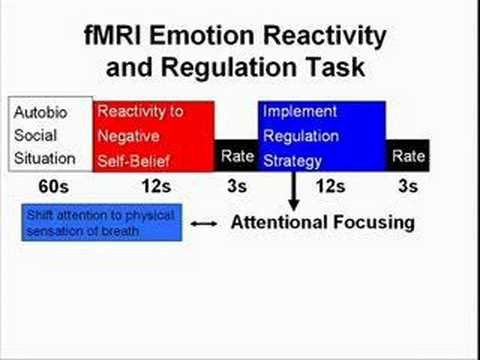
- These are midline structures: medial prefrontal cortex, dorsal medial prefrontal cortex, and posterior cingulate.
These are midline structures: medial prefrontal cortex, dorsal medial prefrontal cortex, and posterior cingulate.
- set of three brain regions that come up all the time. These are midline structures: Medial
set of three brain regions that come up all the time. These are midline structures: Medial
Day 1 - Ease Into It - 30 Days of Yoga

- on down through the midline. Forward fold.
on down through the midline. Forward fold.
- down through the midline. Inhale. Halfway lift. Long, beautiful neck. Exhale. Slide
down through the midline. Inhale. Halfway lift. Long, beautiful neck. Exhale. Slide
Correct Forward Head Posture with 3 Things - Dr. Berg
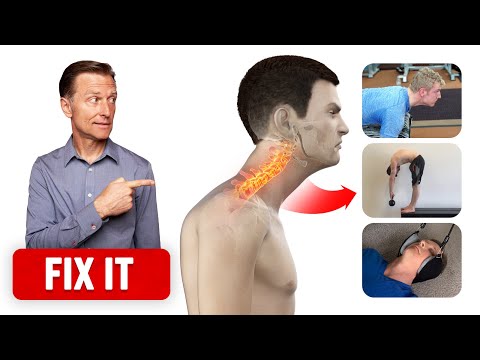
- It's not the whole body going forward, but your neck is going past this midline right here.
It's not the whole body going forward, but your neck is going past this midline right here.
- but your neck is going past this midline right here.
but your neck is going past this midline right here.
Chapter 16 - Core Training Concepts
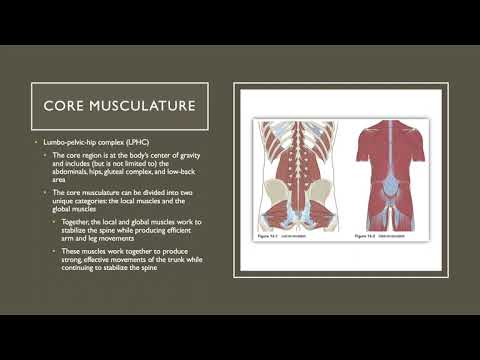
- And if you look, it's that lateral curvature that there is away from the midline.
And if you look, it's that lateral curvature that there is away from the midline.
- That there is away from the midline.
That there is away from the midline.
How to Reset Your Pelvis For Perfect Posture
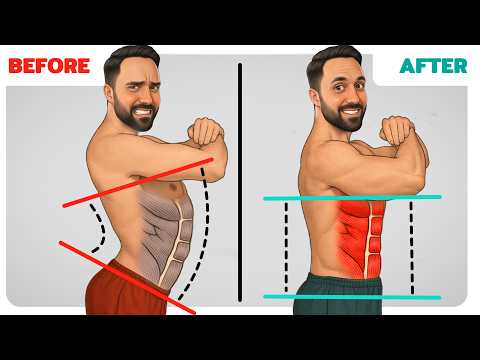
- Take a kneeling lunge position and implement the midline stability sequence I demonstrated at the start of the video.
Take a kneeling lunge position and implement the midline stability sequence I demonstrated at the start of the video.
- Take a kneeling lunge position and implement the midline stability sequence I demonstrated at the start of the video.
Take a kneeling lunge position and implement the midline stability sequence I demonstrated at the start of the video.