logarithmic
US /ˌlɒɡə'rɪðmɪk/
・UK /ˌlɒɡə'rɪðmɪk/
A1
adj.AdjectiveConcerning or using logarithms
Logarithmic function
Video subtitles
What's The Loudest Possible Sound?

- DBs aren't logarithmic; something 10 decibels louder is 10 times as intense.
DBs aren't logarithmic; something 10 decibels louder is 10 times as intense.
- dBs are logarithmic. Something 10 decibels louder is ten times as intense. 30 decibels?
dBs are logarithmic. Something 10 decibels louder is ten times as intense. 30 decibels?
Week 0, continued

- And so just like with the phone book example the other day, did we have something logarithmic, so to speak, whereby if we were all operating in unison and ignoring the addition errors, would we have achieved exactly that kind of running time?
And so just like with the phone book example the other day, did we have something logarithmic, so to speak, whereby if we were all operating in unison and ignoring the addition errors, would we have achieved exactly that kind of running time?
- And so just like with the phone book example the other day, did we have something logarithmic, so to speak, whereby if we were all operating in unison and ignoring the addition errors, would we have achieved exactly that kind of running time?
And so just like with the phone book example the other day, did we have something logarithmic, so to speak, whereby if we were all operating in unison and ignoring the addition errors, would we have achieved exactly that kind of running time?
Happiness

- This has been explained by the fact that the dependency is not linear but logarithmic;
This has been explained by the fact that the dependency is not linear but logarithmic;
- explained by the fact that the dependency is not linear but logarithmic, i.e., the same
explained by the fact that the dependency is not linear but logarithmic, i.e., the same
Sensation & Perception - Crash Course Psychology #5

- it a law. Weber’s Law says that we perceive differences on a logarithmic, not a linear scale.
it a law. Weber’s Law says that we perceive differences on a logarithmic, not a linear scale.
- Weber's Law says that we perceive differences on a logarithmic, not linear, scale.
Weber's Law says that we perceive differences on a logarithmic, not linear, scale.
CS50 2017 - Lecture 0 - Scratch
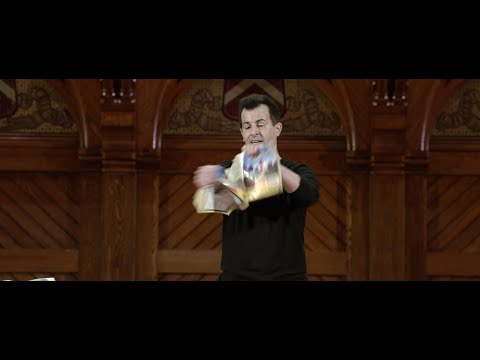
- And we'll call this logarithmic, log n, more on that down the road.
And we'll call this logarithmic, log n, more on that down the road.
- We'll call this logarithmic, log n, more on that down the road.
We'll call this logarithmic, log n, more on that down the road.
Computational Thinking - Computer Science for Business Leaders 2016
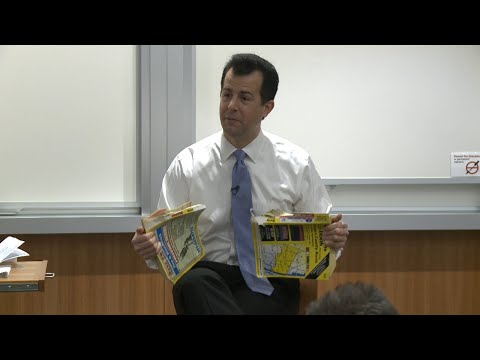
- And this is a logarithmic relationship, which, if you recall, log base 2 of n captures this kind of growth, so to speak.
And this is a logarithmic relationship, which, if you recall, log base 2 of n captures this kind of growth, so to speak.
- And this is a logarithmic relationship, which
And this is a logarithmic relationship, which
Why are adverts so loud?
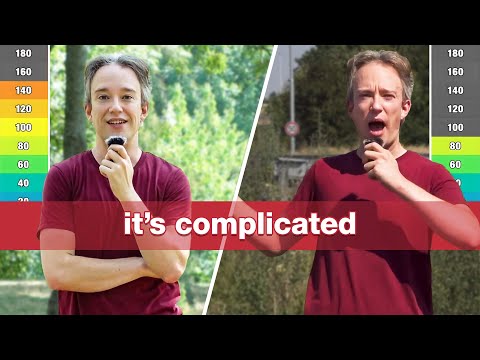
- So instead let's use a logarithmic scale, which means that each block going vertically is 10 times the previous one.
So instead let's use a logarithmic scale, which means that each block going vertically is 10 times the previous one.
- So instead, let's use a logarithmic scale, which means that each block going vertically is 10 times the previous one.
So instead, let's use a logarithmic scale, which means that each block going vertically is 10 times the previous one.
Week 0
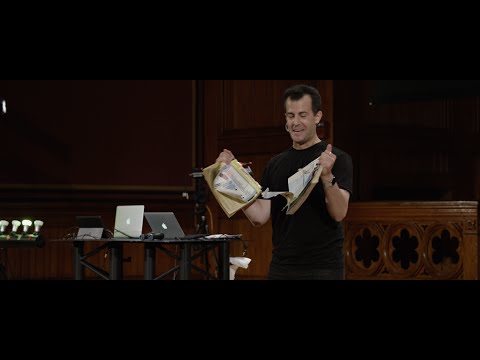
- It's curved or logarithmic in shape.
It's curved or logarithmic in shape.
- It's curved, or logarithmic, in shape.
It's curved, or logarithmic, in shape.
Elon Musk最新預言:AI 即將全面超越人類?|火星計劃:人類為何需要多行星化|英聽訓練

- I think I think there's a natural logarithmic function associated with the amount of compute.
I think I think there's a natural logarithmic function associated with the amount of compute.
- I think there's a natural logarithmic function associated with the amount of compute.
I think there's a natural logarithmic function associated with the amount of compute.
How Much Loud Can Kill You?
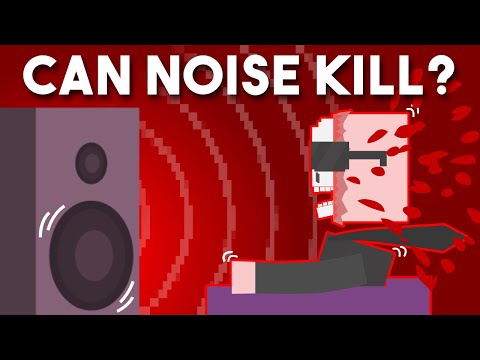
- Sounds are rated by their intensity, which is measured in decibels on a logarithmic scale.
Sounds are rated by their intensity, which is measured in decibels on a logarithmic scale.
- Sounds are rated by their intensity, which is measured in decibels on a logarithmic scale.
Sounds are rated by their intensity, which is measured in decibels on a logarithmic scale.