hippocampus
US /ˌhɪp.əˈkæm.pəs/
・UK /ˌhɪp.əˈkæm.pəs/
A1
n.NounA part of the brain that is part of the limbic system and is important for memory
Research has shown that repeated temporal lobe seizures can cause a brain structure called the hippocampus to shrink over time.
Video subtitles
Neuroplasticity Explained: How to Rewire Your Brain for Mental Strength

- The hippocampus, which is important for memory formation and spatial orientation, which is the ability for you to be able to tell how your body's positioned in space.
The hippocampus, which is important for memory formation and spatial orientation, which is the ability for you to be able to tell how your body's positioned in space.
- Several key brain regions are involved in neuroplasticity: the hippocampus, which is important for memory formation and spatial orientation, which is the ability for you to be able to tell how your body's positioned in space.
Several key brain regions are involved in neuroplasticity: the hippocampus, which is important for memory formation and spatial orientation, which is the ability for you to be able to tell how your body's positioned in space.
What Your Brain Is Really Doing When Doing 'Nothing' : The Default Mode Network
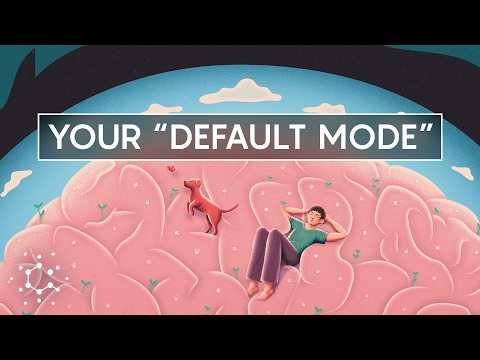
- The default mode network is preferentially connected to the hippocampus, which is the critical structure for making new memories.
The default mode network is preferentially connected to the hippocampus, which is the critical structure for making new memories.
- The default mode network is preferentially connected to the hippocampus, which is the critical structure for making new memories.
The default mode network is preferentially connected to the hippocampus, which is the critical structure for making new memories.
7 Common Things People with Trauma Do

- They state that changes to the amygdala, hippocampus, and anterior cingulate cortex can impact your memory and emotional reactions.
They state that changes to the amygdala, hippocampus, and anterior cingulate cortex can impact your memory and emotional reactions.
- They state that changes to the amygdala, hippocampus, and
They state that changes to the amygdala, hippocampus, and
データを”絵の具”にする男。機械学習が創る人類の記憶 | Obsessed | WIRED Japan

- The data itself is literally pulsing in four milliseconds of human brain activity in the two locations of brain, from hippocampus to frontal left lobe.
The data itself is literally pulsing in four milliseconds of human brain activity in the two locations of brain, from hippocampus to frontal left lobe.
- The data itself is literally pulsing in a four milliseconds of a human brain activity in the two locations of brain, from hippocampus to frontal, uh, left lobe.
The data itself is literally pulsing in a four milliseconds of a human brain activity in the two locations of brain, from hippocampus to frontal, uh, left lobe.
Why Does My Brain Sleep?

- It's a structure called the hippocampus that I'm circling for you.
It's a structure called the hippocampus that I'm circling for you.
- It's a structure called the hippocampus that I'm circling for you.
It's a structure called the hippocampus that I'm circling for you.
The science behind the 10-minute brain reset walk | Wendy Suzuki
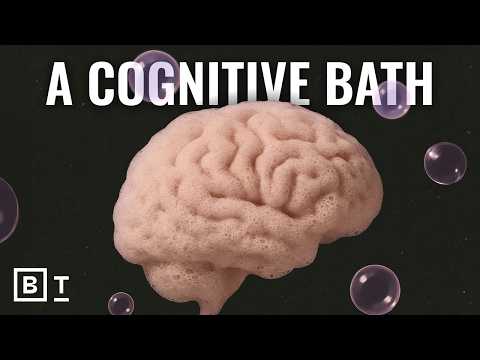
- One is the hippocampus, critical for long-term memory, and the second is the prefrontal cortex, critical for your ability to shift and focus attention.
One is the hippocampus, critical for long-term memory, and the second is the prefrontal cortex, critical for your ability to shift and focus attention.
- We know that the growth factors go directly to your hippocampus.
We know that the growth factors go directly to your hippocampus.
Homunculus - Crash Course Psychology #6

- our memory keeper, the hippocampus.
our memory keeper, the hippocampus.
- the hippocampus. That's why scents can be so intimately tied with our feelings and memories.
the hippocampus. That's why scents can be so intimately tied with our feelings and memories.
What Constant Stress Does To Your Brain
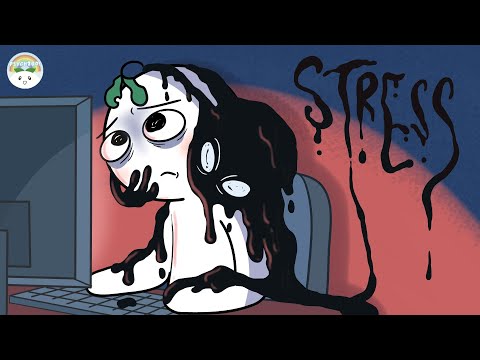
- That's because stress affects your hippocampus too—the area that deals with memory and learning.
That's because stress affects your hippocampus too—the area that deals with memory and learning.
- That's because stress affects your hippocampus, too, the area that deals with memory and learning.
That's because stress affects your hippocampus, too, the area that deals with memory and learning.
How Your Memory Works
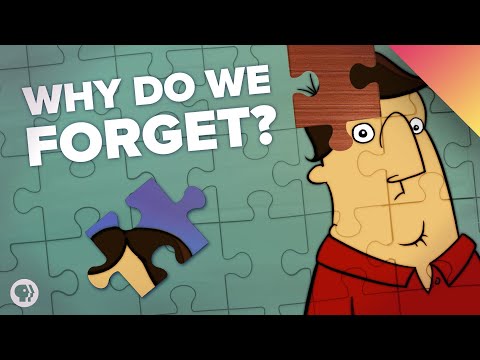
- Buried deep in the middle of the brain, we find a group of cells shaped like a seahorse, which is why 18th-century scientists named this bit the hippocampus.
Buried deep in the middle of the brain, we find a group of cells shaped like a seahorse, which is why 18th-century scientists named this bit the hippocampus.
- In 1953, H.M. underwent a surgery for epilepsy, which demolished most of his hippocampus.
In 1953, H.M. underwent a surgery for epilepsy, which demolished most of his hippocampus.
How Complaining Affects the Brain and General Health
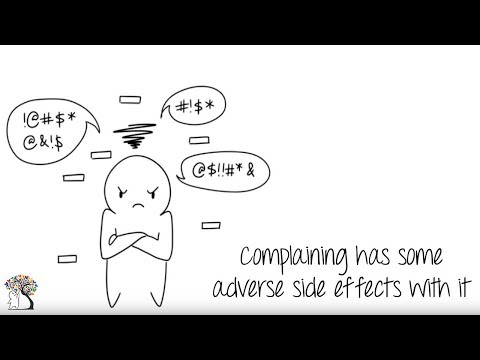
- A study from Stanford University shows that complaining causes the hippocampus, which plays a vital role in problem-solving and other cognitive functions, to shrink.
A study from Stanford University shows that complaining causes the hippocampus, which plays a vital role in problem-solving and other cognitive functions, to shrink.
- A study from Stanford University shows that complaining causes the hippocampus, which plays a vital role in problem-solving and other cognitive
A study from Stanford University shows that complaining causes the hippocampus, which plays a vital role in problem-solving and other cognitive